Last week Apple began limiting how developers share information about iPhone owners’ contacts, per Bloomberg. This cuts out a practice that’s been used for years in which developers ask users for access to their phone contacts and sometimes use it for marketing purposes.
Why it matters: Sharing information about Facebook users’ friends without their explicit knowledge is what got Facebook in hot water with Cambridge Analytica in the first place. This move comes as Apple is looking to distance itself and its platform from the sorts of data abuse seen through Facebook's situation and the political backlash that comes with it.
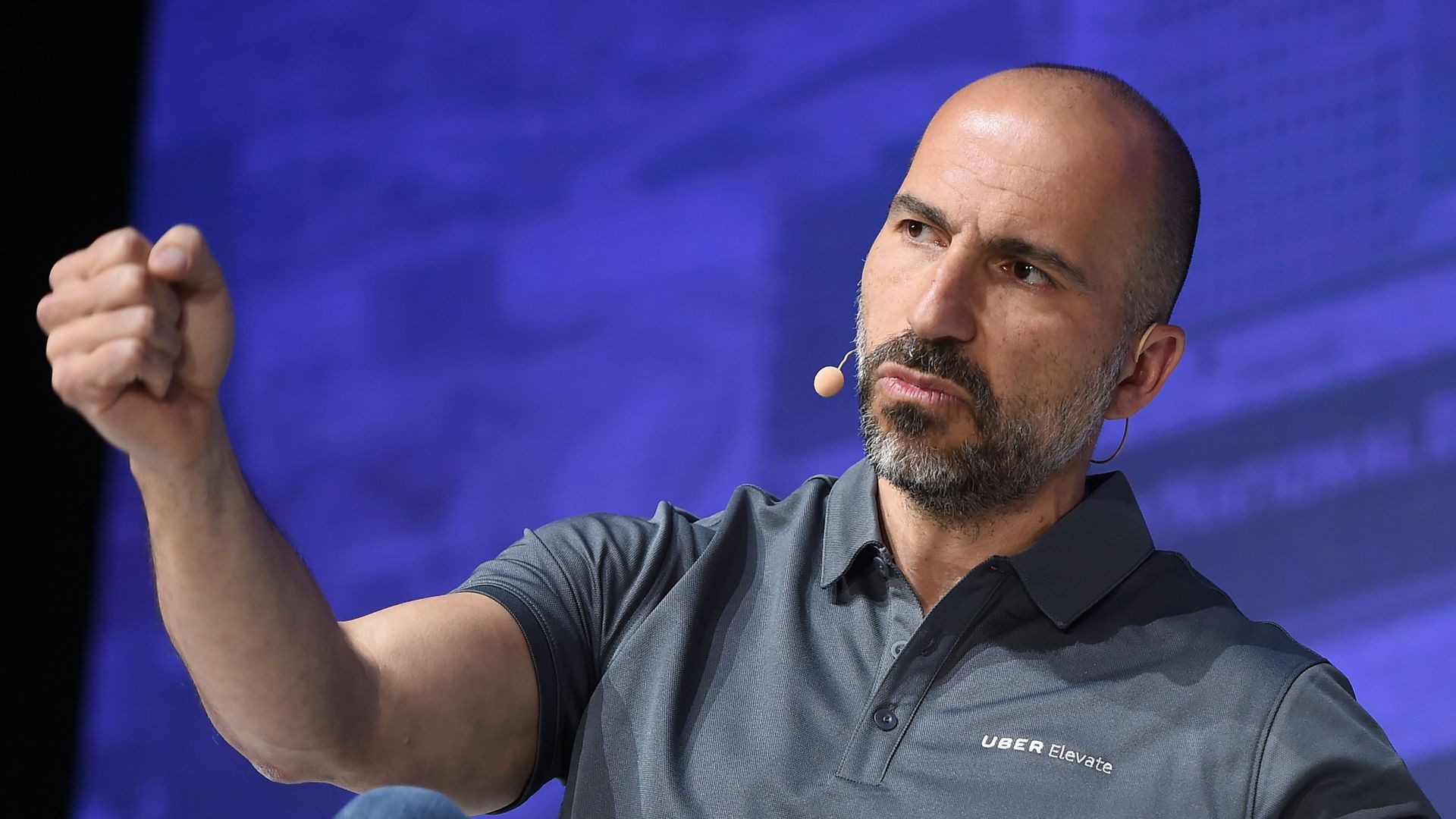
Uber CEO Dara Khosrowshahi told the New York Post Monday that New York City should charge a fee on all ride-sharing apps to benefit taxi medallion owners in debt.
Why it matters: Taxi drivers in New York City are required to own medallions, a mandatory certification allowing a taxi driver to operate, which used to be so in demand that they worth as much as $1 million — before Uber and other ride-hailing apps existed. But now medallions, which ride-hailing services don't require, are far less valuable, putting several taxi drivers in debt.
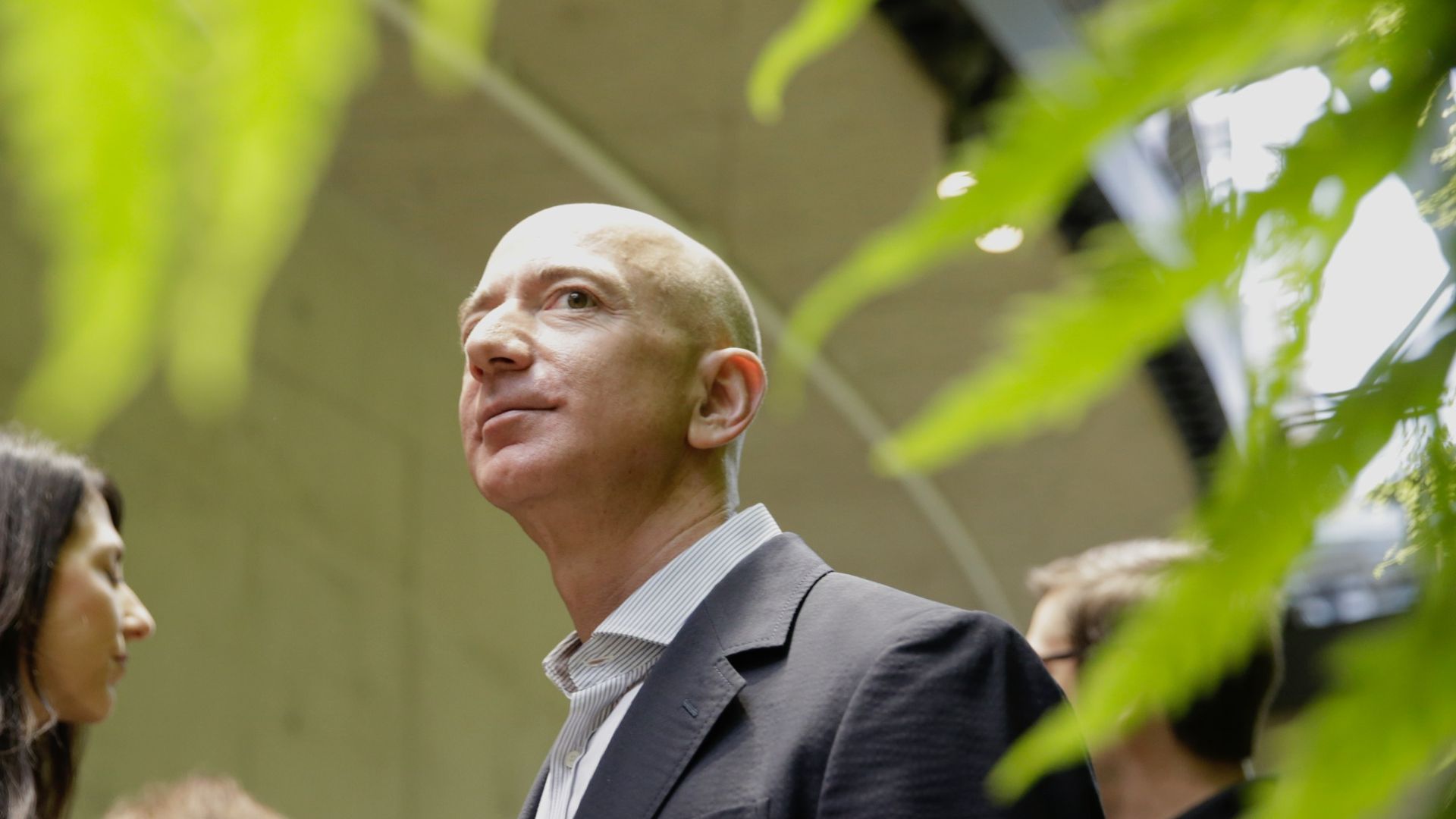
After intense political pressure from Amazon, Seattle repealed a city tax on big businesses on Tuesday, the AP reports. The Seattle City Council passed the tax last month to help mitigate the city’s staggering homelessness and affordable housing crises, per The Hill.
Why it matters: The decision highlights the political power that Amazon's massive economic output can exert over its home city. As the tech giant searches for a home for its HQ2 project, the messy showdown might make cities in the running wary of the potential consequences of welcoming a powerful new neighbor.
Researchers at Okta found a severe problem in the way security programs traditionally use MacOS tools to verify which programs were written by Apple — what is known as code signing.
Why it matters: Apple's developer interface, known as an API, can be tricked so anyone writing malware can convince a bevy of security products that the malware was written by Apple. The problem here is that security products are often loath to distrust Apple and will let that malware run unfettered.
Josh Pitts, who discovered the bug, said that Okta does not know if any malware is currently utilizing this flaw to circumvent security programs.
Who it affects: There is no way to know the complete list of what products are vulnerable to this bug. But Okta tested a number of products, and some big name ones have problems, including F-Secure, Facebook and Carbon Black. Every software maker that Okta announced had a problem has released a patch.
According to Okta, Apple told the firm that developers would be responsible for correcting their implementation of the API. CERT, the government group that coordinates notifying vendors of widespread security flaws, recommended that Okta write a description of the problem to help vendors assess whether they are vulnerable.
That's a double-edged sword. Pitts noted that "once the blog is published, it will be easy for someone to weaponize it."
It's critical, said Pitts, that everyone update Mac security software.
It's been quite the rough patch for Qualcomm, what with having to deal with a hostile takeover bid, a protracted legal battle with major customer Apple, a host of antitrust fights around the globe, plus the slowing of its key market in smartphones.
But, but, but: The looming arrival of 5G offers the potential for the smartphone market to eventually return to double digit growth, president Cristiano Amon told Axios in an interview Monday.
When Facebook announced it will be diving into the online dating business, it seemed like an untimely move for a company facing criticism for not respecting users' privacy. But according to data collected by user research firm Alpha, the majority of Facebook users who already use a paid or free dating app would be interested in an online dating service from the company.
Data: Alpha; Note: Survey conducted May 22, 2018 amongst 606 people who had used Facebook in the past 3 months and a dating app in the past 12; Chart: Andrew Witherspoon/Axios
Why it matters: Given Facebook’s beginnings — as an online student directory after a “Hot or Not” variant was shut down by Harvard — it’s not a surprise the social network giant wants to help users pair up.
Speaking at Axios' Media Trends event Monday night, Facebook's head of global news partnerships Campbell Brown formally announced a policy to try to appease publishers' concerns over a controversial archive of political ads on its platform, which would also include ads promoting publishers' political content.
Why it matters: It’s Facebook’s latest effort to make nice with publishers, which continue to show frustration with changes and experiments to news functions on its platform.
Comcast is preparing to announce a bid for 21st Century Fox on Wednesday if the AT&T-Time Warner deal is approved, sources tell CNBCand others.
Why it matters: Fox initially rejected a higher bid from Comcast, fearing regulatory hurdles that come with a vertical merger, according to SEC filings. But if AT&T's merger with Time Warner is allowed, Fox may have reason to consider a higher bid from Comcast.
Facebook's head of news partnerships Campbell Brown said Monday that people filling much talked-about jobs for "news credibility specialists" will "help us begin to build out a process for verifying different news organizations.”
Why it matters: A Business Insider report on the jobs last week attracted attention because Facebook's past forays into human-curated news have led to one problem after another.