Institutional Shareholder Services has recommended that Facebook shareholders withhold support for five company directors, including Mark Zuckerberg and Sheryl Sandberg.
Why it matters: ISS is the country's largest and most influential shareholder advisory firm.
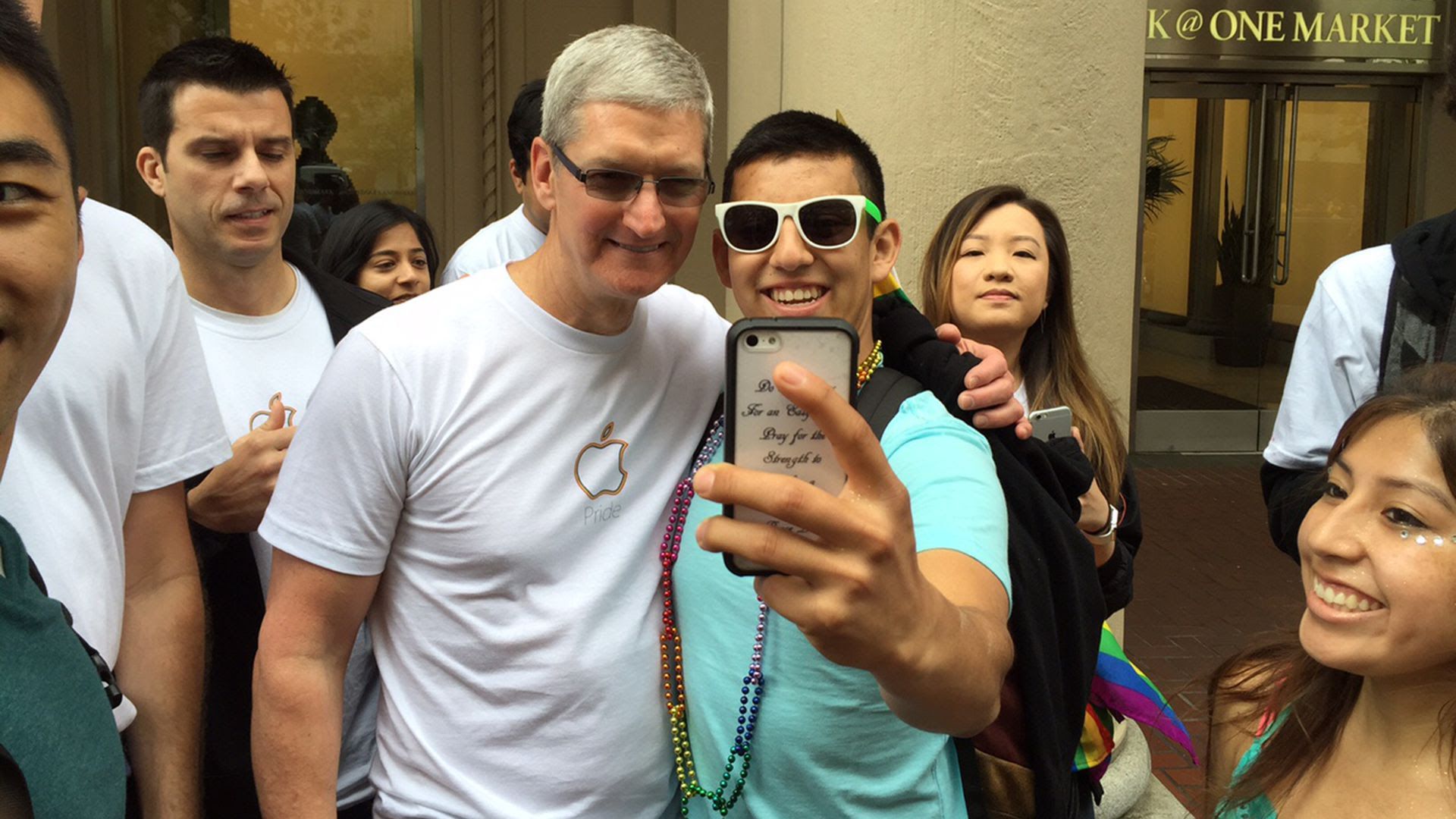
LGBT activists are reacting with anger and dismay at the prospect that Apple might build its new corporate campus in North Carolina. The state is still being boycotted by a number of organizations and state governments for not fully repealing a law limiting the civil rights of LGBT people.
Why it matters: Apple has been one of the strongest corporate allies of the LGBT political movement, and its potential decision is seen as opening the floodgates for others that want to set up shop in states with anti-LGBT laws.
Quantum computing will enter the mainstream faster than most of us realize, a panel of experts told a San Francisco crowd earlier this week — with some important real-world applications emerging within five years.
Why it matters: Quantum computers won't replace the semiconductor-based electronic computers we live with today, but they might speed up the solving of fiendishly difficult problems in fields like molecular imaging, cryptography, probability and artificial intelligence. Once they do that, they will make fortunes, disrupt businesses — and open the door to a host of potential new problems.
In a meeting with Bill Gates, President Donald Trump asked the Microsoft founder and philanthropist to explain if there is a difference between HIV and HPV more than once, according to video obtained by MSNBC.
Why it matters: Gates is one of the most prominent advocates for vaccines and curing diseases across the globe. It's noteworthy that Trump didn't know there was a difference between two very different sexually transmitted diseases.
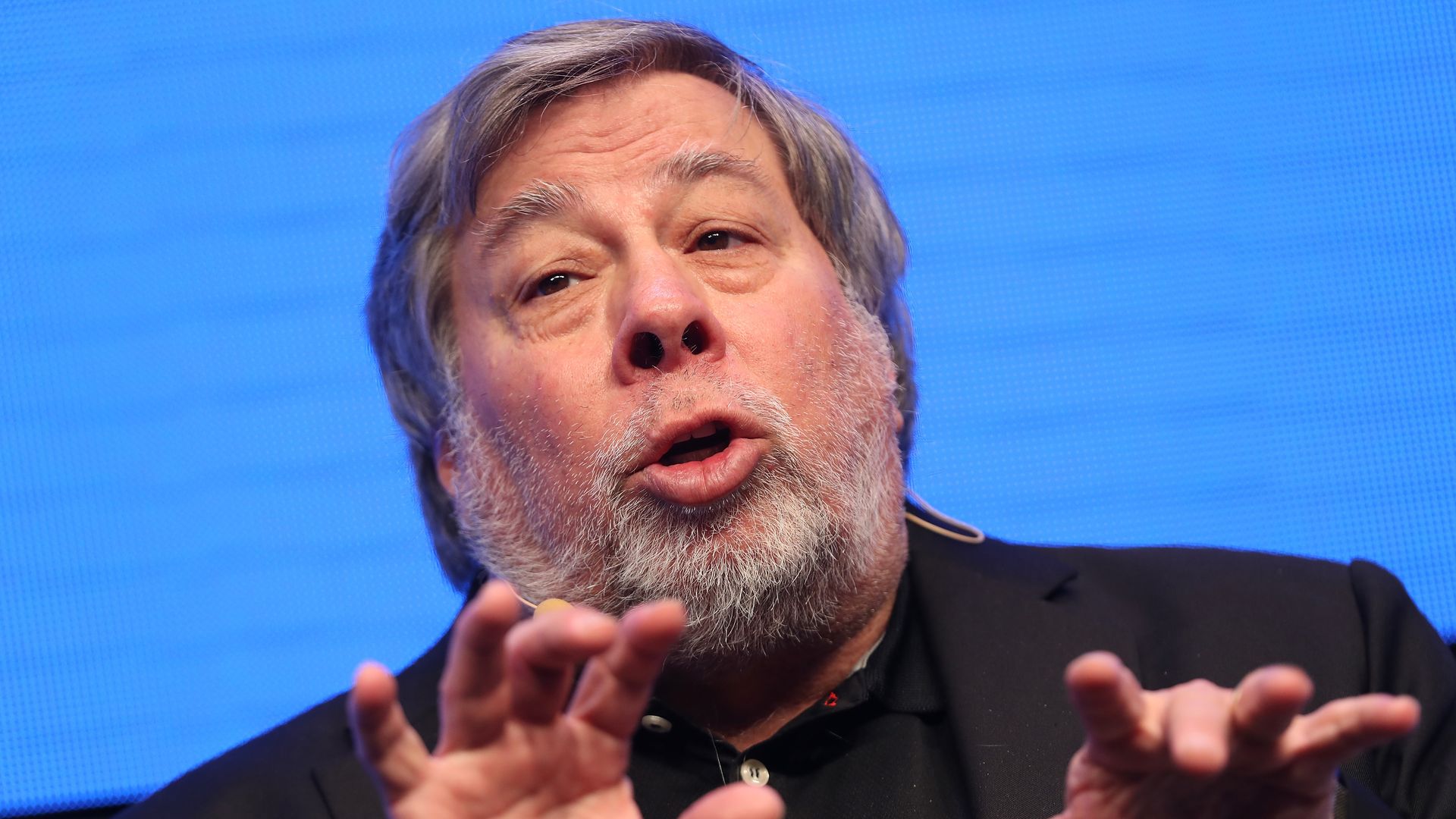
Apple co-founder Steve Wozniak thinks that it may be time for regulators to consider breaking up large tech companies, according to an interview with Business Insider.
Why it matters: Wozniak hasn't been with Apple for decades, but remains a well-respected voice in the tech community.
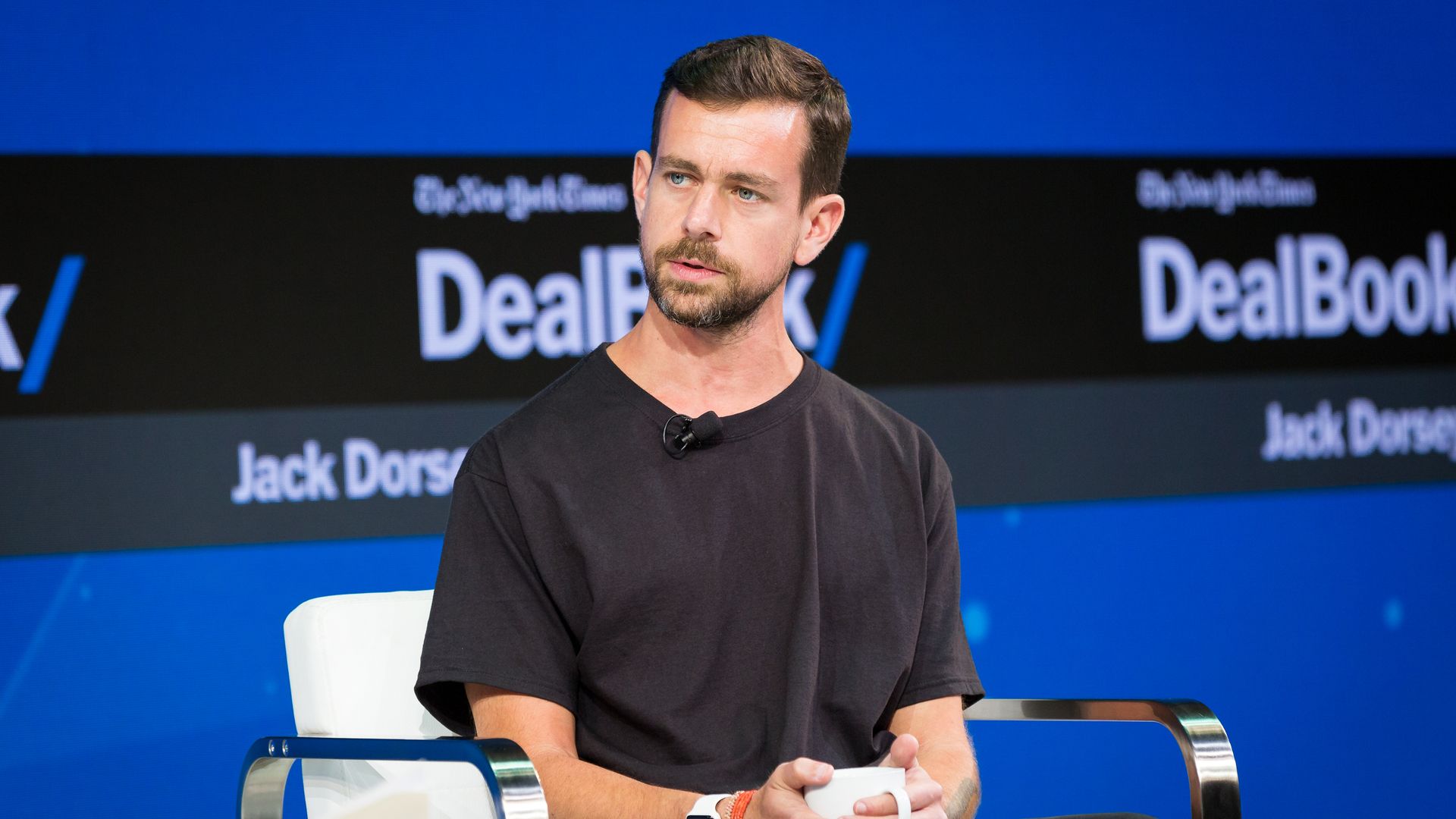
Twitter chief executive Jack Dorsey is scheduled to meet with top Senate Intelligence Committee Democrat Mark Warner on Thursday, according to a congressional source familiar with the matter. Twitter didn't respond to a request for comment — but Dorsey said on his own page Thursday that he is in Washington, DC.
Why it matters: Silicon Valley is paying more attention to policy matters these days, particularly Warner's investigation into how Russian operatives used social media platforms to interfere with the 2016 presidential election.
Although a Washington Post story suggested Apple was eyeing Northern Virginia for a new campus, another report (from WRAL) says a move to North Carolina is already "a done deal."
What's next?: The only remaining hurdle for closing on the Research Triangle Park location, according to the report, was for state legislators to pass some tax breaks as an incentive for Apple.
Before you get too excited about those artificial intelligence doctors we’ll all have someday, you should read this briefing note from the Nuffield Council on Bioethics, a London-based group that ponders the tough ethical questions about medicine.
What they're saying: The Council has a pretty handy guide to the things that can go wrong with AI. For example, it’s not always reliable. (In one clinical trial, an app incorrectly told doctors to send home patients with asthma.)
Facebook today will announce a partnership with the Atlantic Council aimed at helping deter manipulation of the platform during elections around the world.
Why it matters: About 87% of Facebook’s user base is outside the U.S., so the opportunity for election manipulation around the world is massive. And platform manipulation in those countries can be even harder to manage, because of language and cultural barriers.
Google made headlines by demonstrating an AI-powered voice assistant that made haircut and restaurant reservations, without betraying that it isn't human. But we have questions about the demos, which purported to be recordings of calls with real businesses.
Why it matters: Google told both developers and investors that it has created something remarkable, thus increasing its profile and value. When questioned further, however, it will not provide basic evidence to back up its boasts.
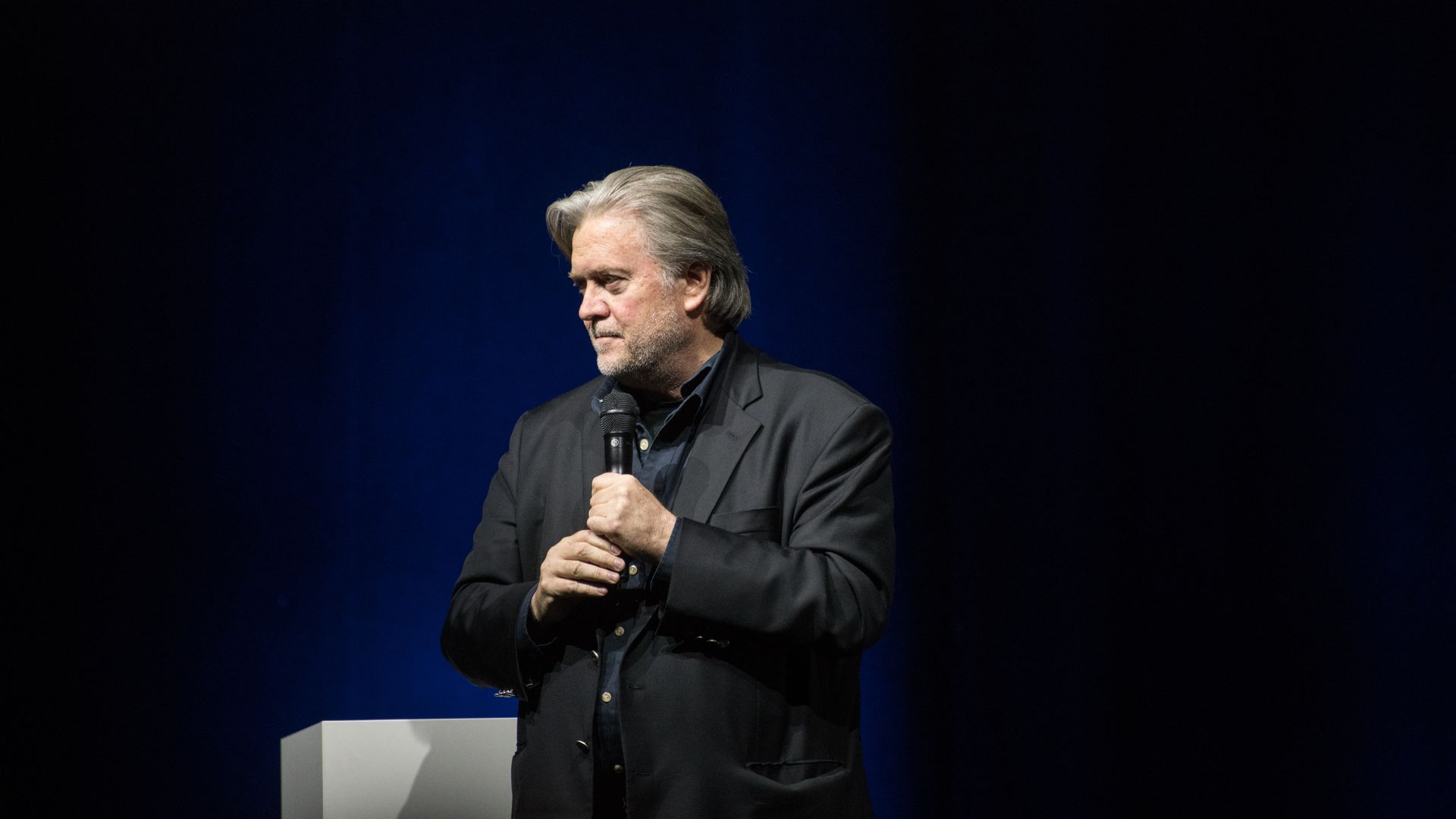
The whistleblower behind the Cambridge Analytica Facebook data scandal told CNN Wednesday that Steve Bannon, President Trump's former top political adviser, directed the firm to carry out voter suppression tactics against black voters in 2016.
The backdrop: Christopher Wylie, a former Cambridge Analytica employee, said he didn't participate in the activity, but that Bannon wanted to "discourage or demobilize certain types of people from voting." This revelation follows Wylie's testimony before the Senate Judiciary Committee that the firm had used methods to discourage voting among targeted populations. Bannon did not immediately respond to Axios' request for comment.