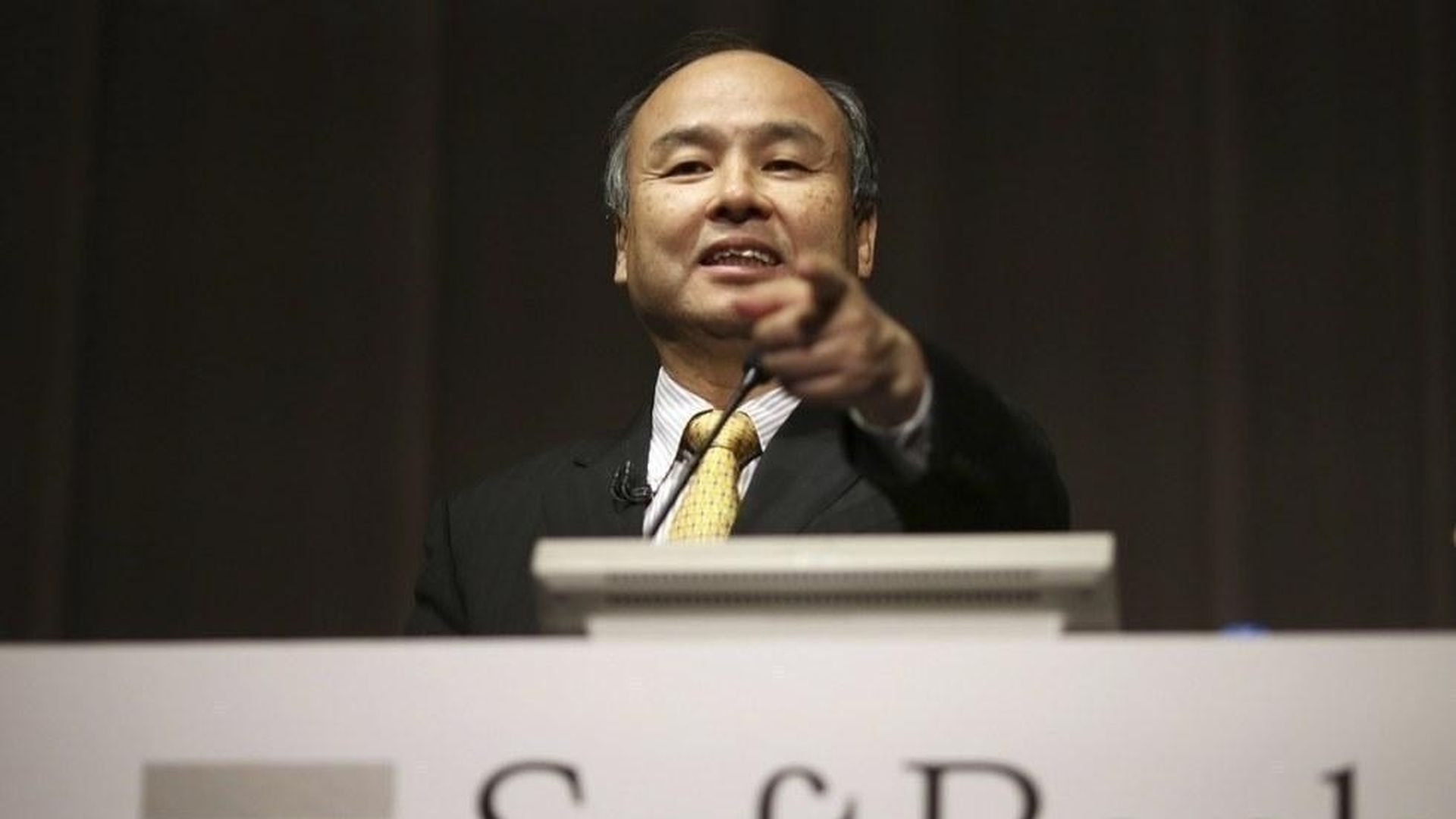
SoftBank Group Corp. pulled off its bid to buy up to 20% of Uber at a steep discount, sources tell the WSJ. SoftBank will likely limit its stake to 15% in the tender offer, valuing the ride-hailing company at $48 billion — a roughly 30% discount from its recent $70 billion valuation.
Why it matters: This deal is vital to Uber because of associated governance changes, and a big bet on transportation for SoftBank, which already has stakes in Uber rivals in other countries. Uber will also get a $1 billion investment from SoftBank at the $70 billion valuation. The company plans to close the overall transaction in early 2018.
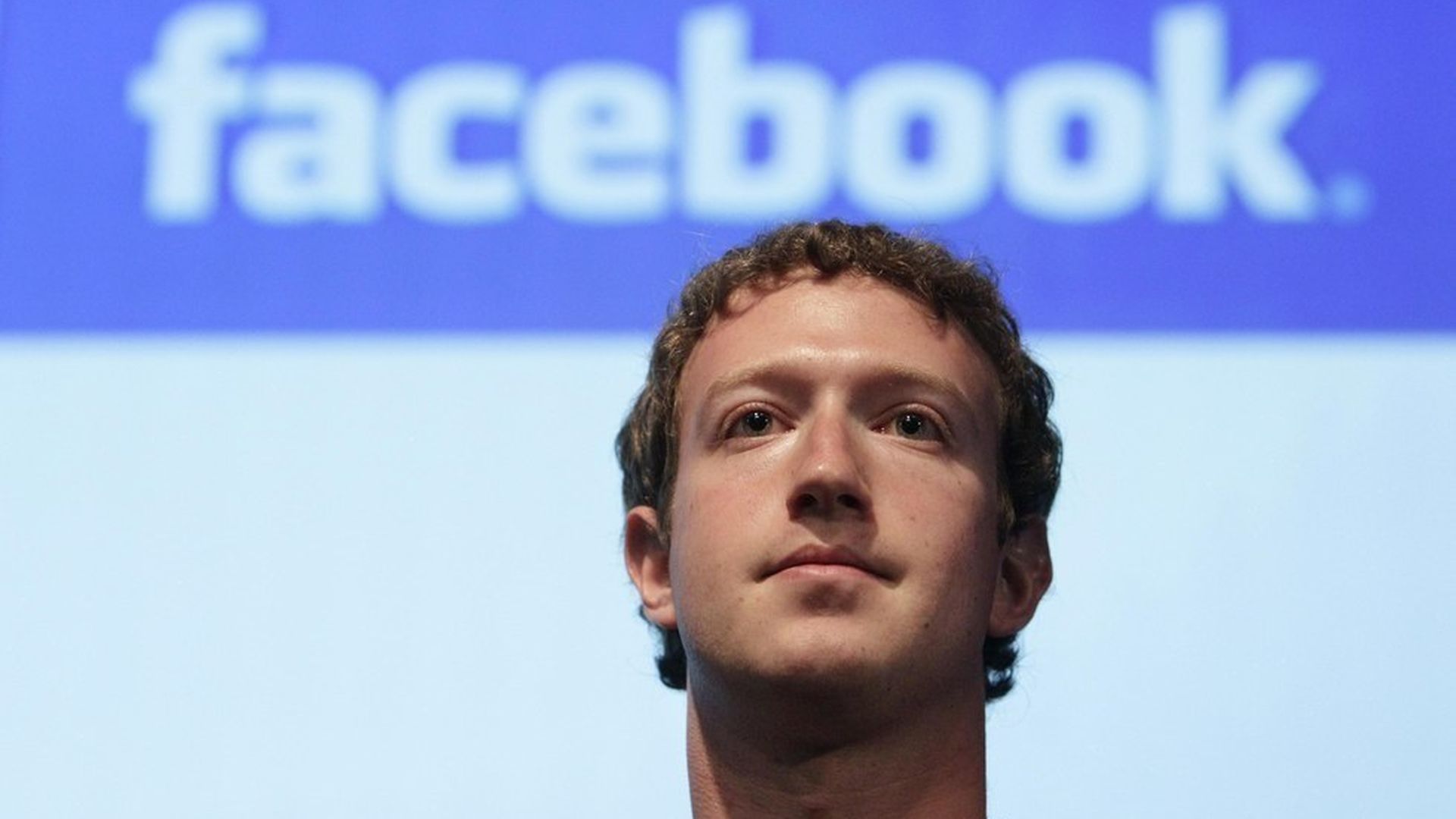
Mark Zuckerberg started 2017 scoffing at the idea of Russia election manipulation on Facebook, and looked like he was contemplating his own possible run for the presidency.
Facebook'sCEO ends 2017 a very changed man: scrambling to curtail (some of) the manipulation he now acknowledges exists, and to save the most powerful platform in human history.
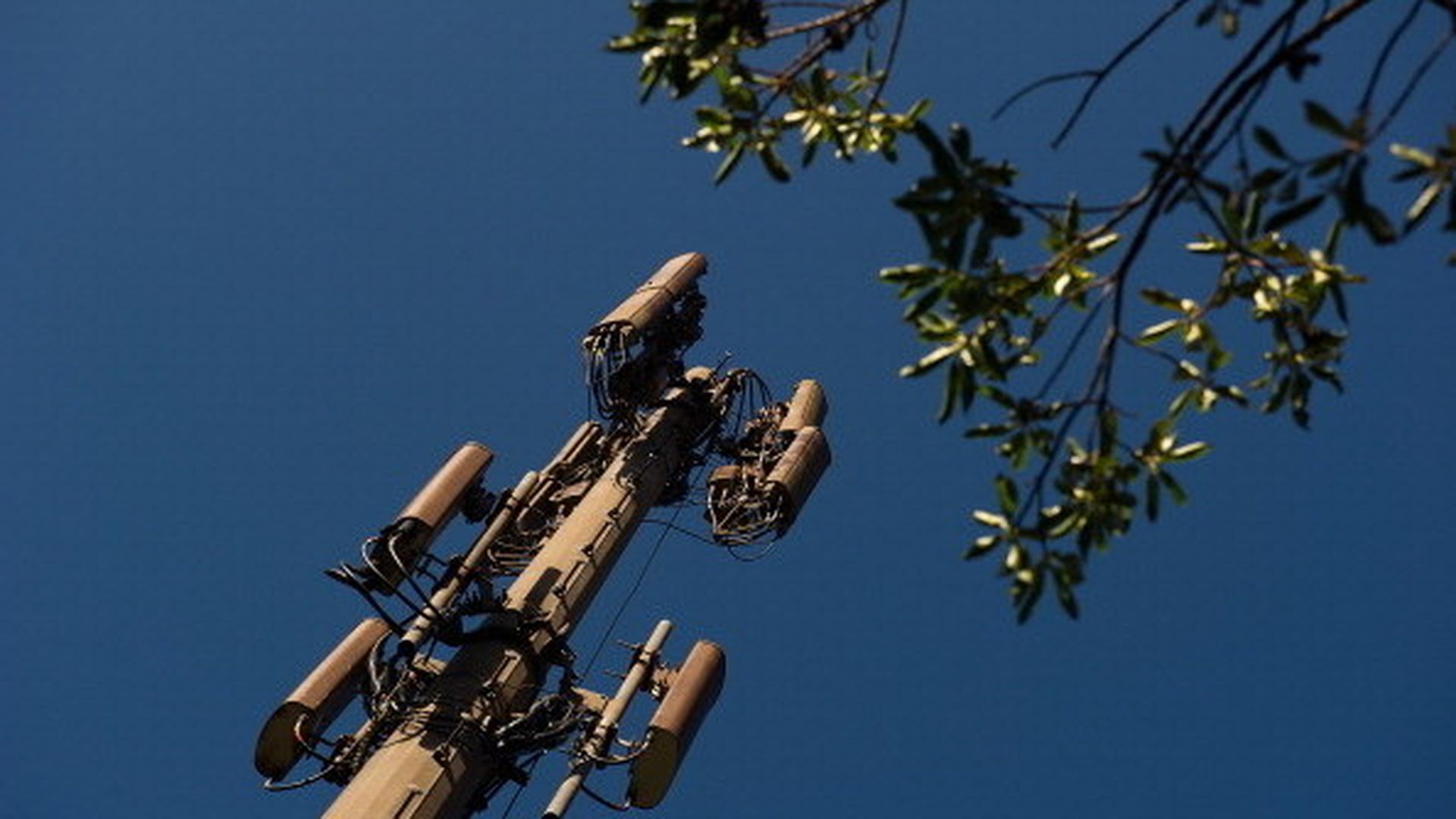
Some startups are trying to turn existing technologies into products that could reduce consumers' reliance on major internet service providers for broadband access, the WSJ reports.
Why it matters: Earlier this month, the FCC repealed net neutrality rules that required internet service providers like AT&T, Verizon, Charter and Comcast to treat all internet access equally. Without those rules, the telecom companies may be able to speed up some traffic from companies willing to pay extra to reach consumers faster. In many areas, consumers have few choices of broadband providers.
Here's what a few startups are doing to increase competition for the big internet service providers:
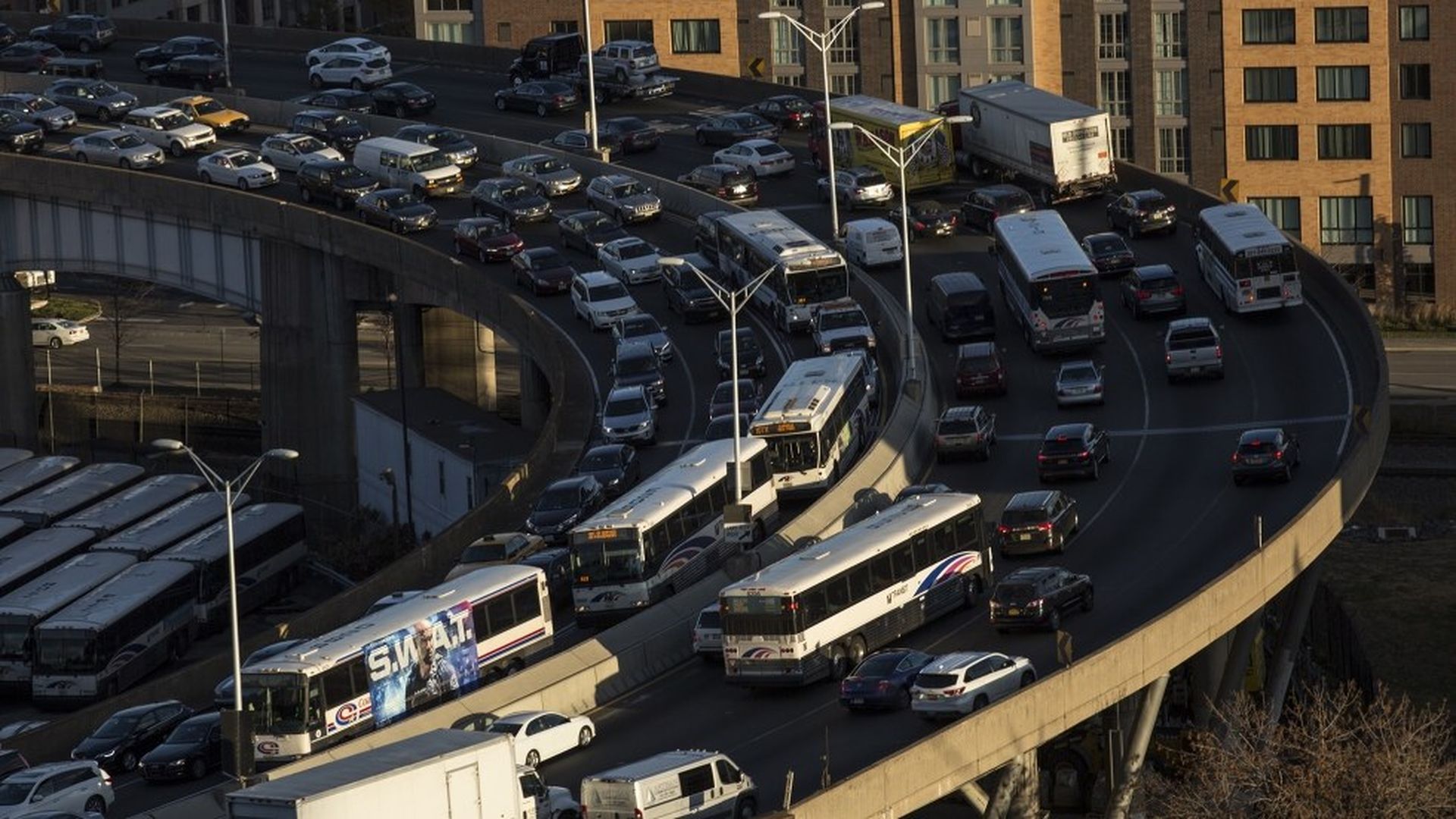
New York City is considering implementing a per-ride fee on ride-sharing services like Uber in Manhattan as well as a congestion pricing plan in order to unclog its gridlocked streets, per the New York Times. The explosion of ride-sharing — there are around 68,000 cars in New York affiliated with ride-sharing services, compared to a capped 13,600 yellow cabs — has greatly contributed to the city's traffic problems.
Why it matters: Ride-sharing's conundrum in New York illustrates the growing pains of technology companies that fundamentally disrupt certain markets and the delayed attempts to regulate them. Other cities — like Chicago, Seattle, and Portland — have already implemented their own ride-sharing fees in order to modernize public transportation and encourage ride-sharing services to offer wheelchair-accessible vehicles.
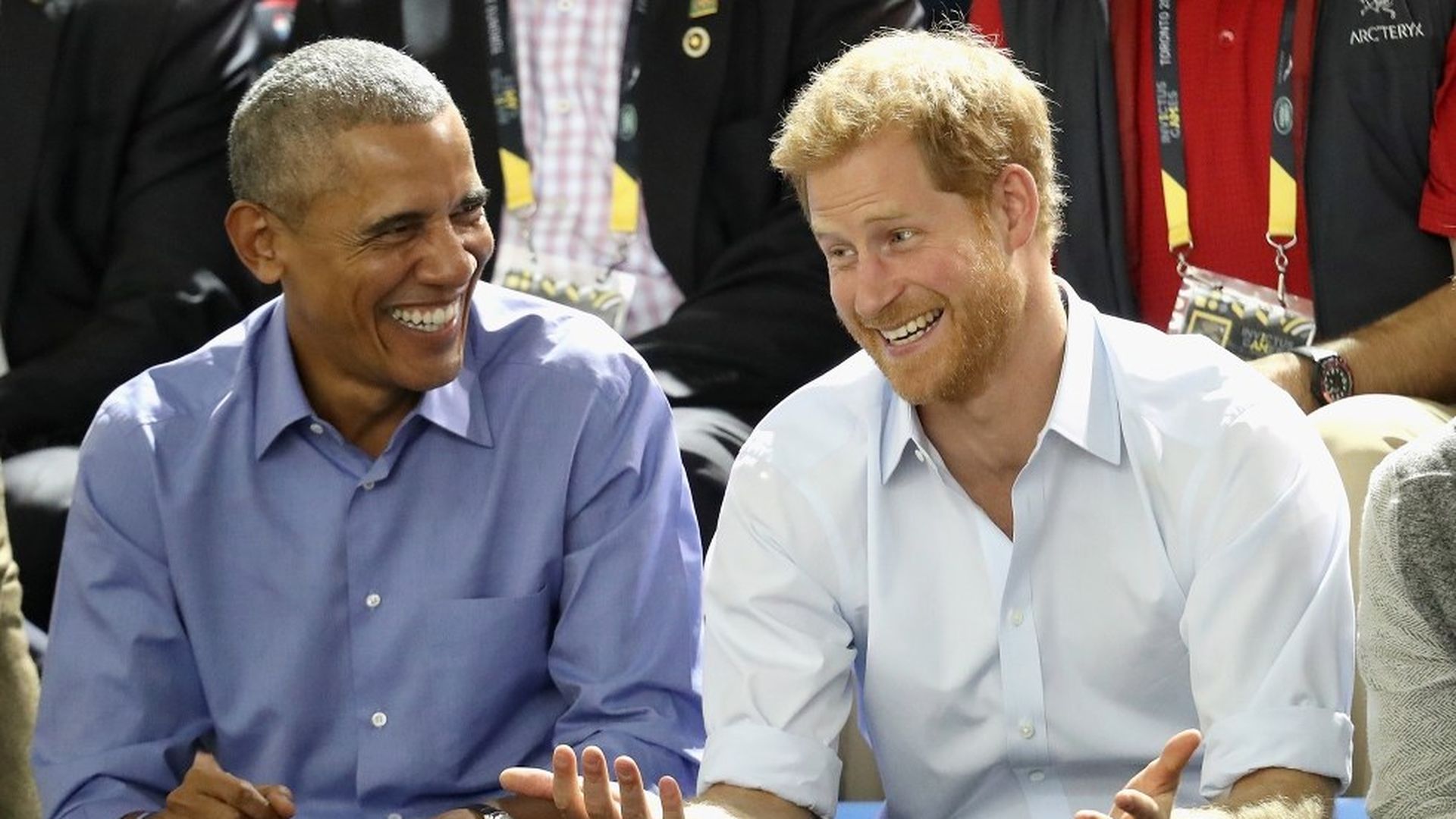
Former President Obama urges responsible social-media use by "all of us in leadership," in an interview with Prince Harry that was broadcast on today's BBC Radio 4's "Today." The interview, which Obama said was his first as former president, was recorded in Toronto in September during the Invictus Games. Prince Harry was one of several of the program's guest editors over Christmas.
Obama, who doesn't mention Trump: "One of the dangers of the Internet is that people can have entirely different realities. They can be cocooned in information that reinforces their current biases."
Some on Capitol Hill are exploring the idea that companies like Facebook and Google have designed products with the intention of getting and keeping consumers addicted to the feeling of getting likes, comments, shares, and hearts. Last month a staffer in Sen. Mark Warner's office organized a briefing featuring Tristan Harris, the former Google Design Ethicist who argues that tech companies unethically manipulated their users, and academic Zeynep Tufekci, who is a prominent critic of Silicon Valley.
Why it matters: Policymakers no longer assume that Silicon Valley is acting in the best interests of their users, or society at large. But the real reckoning would come if that skepticism spreads to their hundreds of millions of users.