Friday's technology stories

Waymo wants to ask its former employee 461 questions
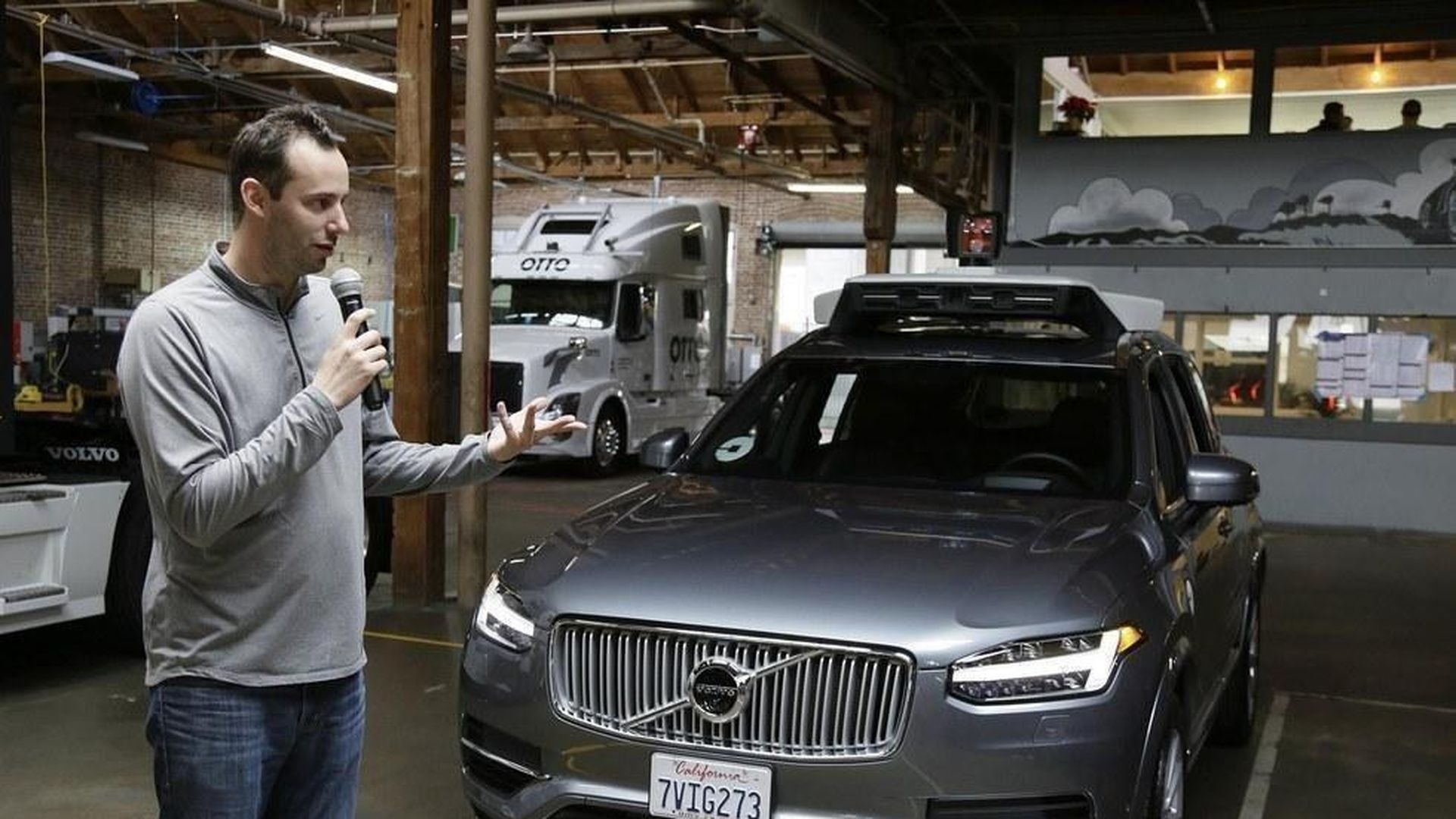
On Friday, Waymo filed a list of 461 questions it intends to ask Anthony Levandowski — a former employee it's accusing of downloading 14,000 proprietary files and bringing those trade secrets to Uber — during trial this fall.
Note: Waymo, Alphabet's self-driving car unit, notes in the document that this is a preliminary list as it's still waiting to receive additional documents from Uber to review. It also expects Levandowski to plead the Fifth in response to many of these questions.

Google, Facebook to join protest supporting net neutrality
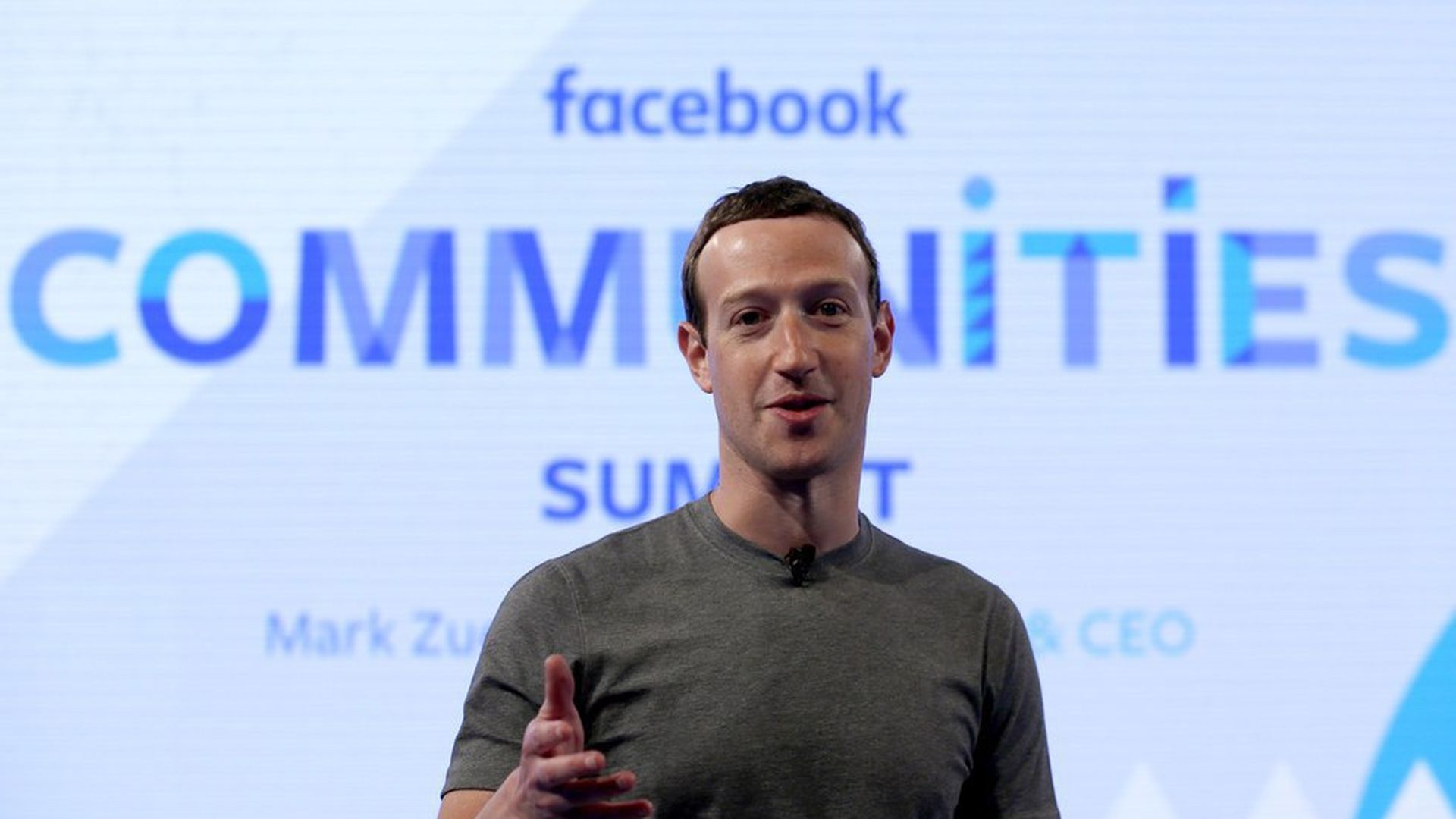
Google and Facebook are set to join a "day of action" next week opposing the proposed rollback of Obama-era net neutrality rules. Their planned activities remain unknown. The list of companies participating in the action includes Netflix and Amazon.
Why it matters: Tech companies were a major force pushing for these rules, which were approved in 2015. This is a sign that the two biggest players on the internet are willing to put their weight behind keeping them in place — at least to some extent.
Waymo drops 3 of its 4 patent claims against Uber
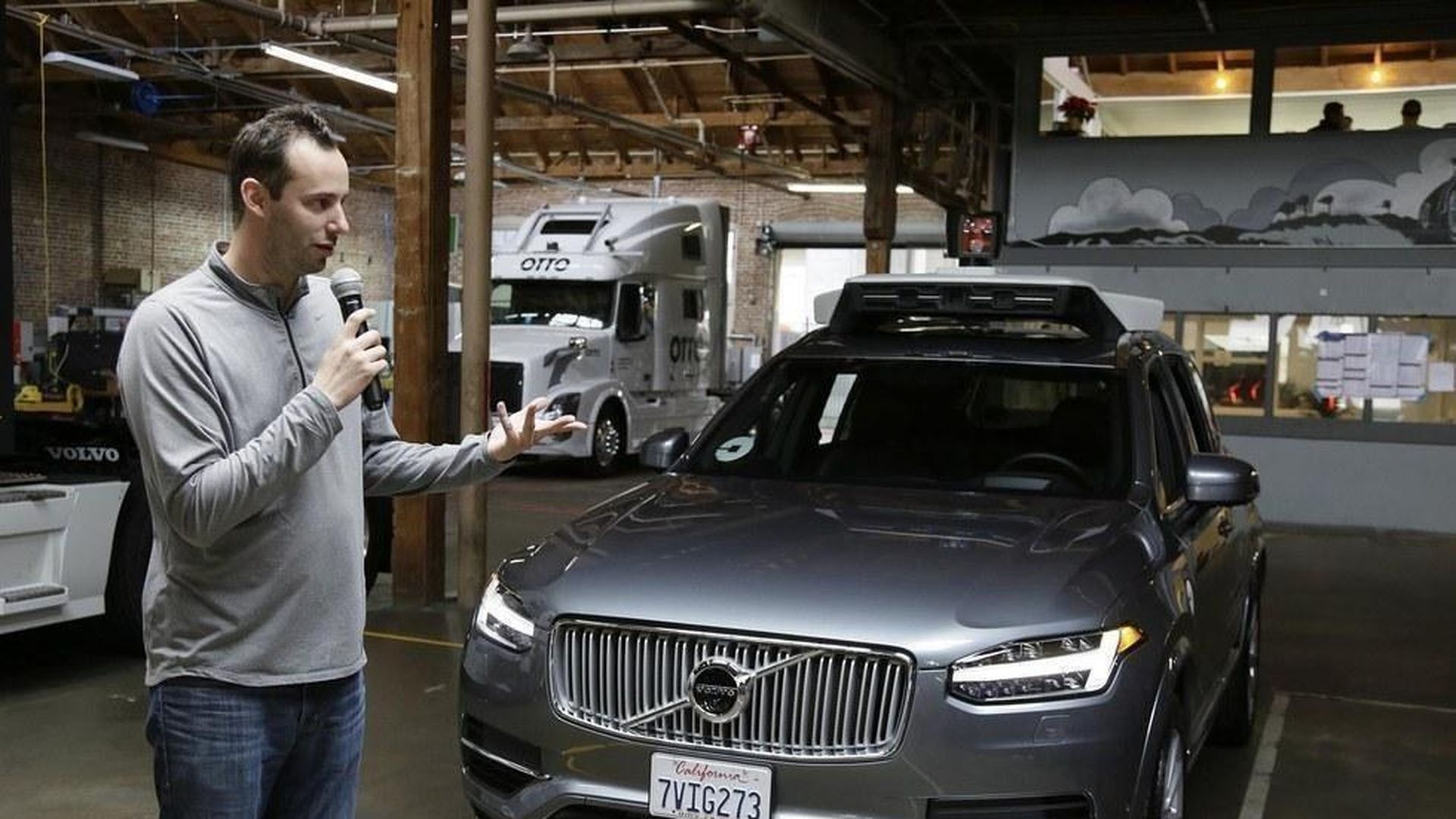
Alphabet's self-driving car unit, Waymo, has asked a court to dismiss three of its four patent infringement claims against Uber, according to new court documents.
Waymo is currently suing Uber, claiming that the ride-hailing company is using stolen trade secrets it acquired when it bought a company last year founded by former Waymo employees.
Note: While Waymo is permanently dropping these three claims over one of Uber's sensors, Fuji, it's not doing so for the Spider — a sensor design Uber began to work on but says it has abandoned. Waymo wants to reserve the ability to bring up this claim again should Uber decide to begin using the sensor again.
The story has been updated to clarify which sensor specific the changes apply to.
This company wants to make any car drive itself

Comma.ai, a San Francisco autonomous driving startup, is taking the next step in its strategy to gather data about as many car models as possible through its customers — a critical step to make its software universally compatible and allow any car to drive itself.
"If we wanna make a car self-driving, we need a way to talk to it," founder and CEO George Hotz said in an interview. "We need to be able to control your car."
So far, Comma.ai has been gathering data about roads and human driving through its Chffr dashcam app and OpenPilot software, which works with its Neo device. Now it's releasing two new products — its Panda car dongle is now publicly on sale and can be used with its new analytics software, Cabana — to get more information on cars themselves.

Trump: Everyone at G20 summit is talking about Podesta
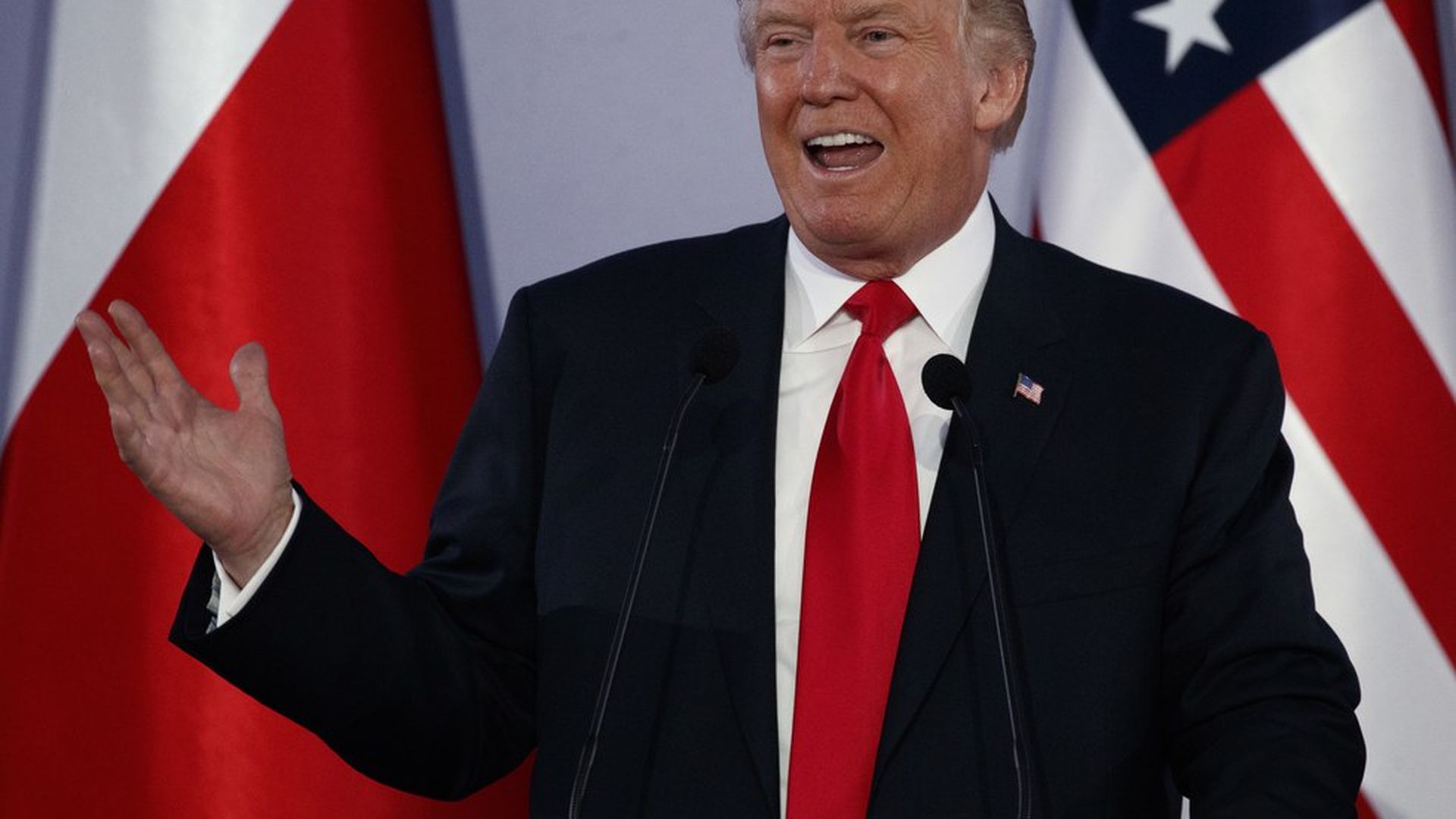
President Trump, currently in Germany for the G20 summit with other global leaders, tweeted Friday that "everyone here" is talking about how John Podesta (former chairman of Hillary Clinton's campaign) didn't turn over the DNC server to the FBI after it was believed to be hacked by the Russians:
"Everyone here is talking about why John Podesta refused to give the DNC server to the FBI and the CIA. Disgraceful!"
Earlier this week, Podesta told Fox News that it was the DNC's responsibility to hand over the server, and that he fulfilled his obligations by turning over Clinton's private servers. The DNC also emphasized today that Podesta "never ran the DNC."
Why it matters: President Trump will meet with Russian President Vladimir Putin this afternoon, and the meeting could get awkward if they focus on Russia's alleged hacking of the 2016 election — especially if all of the other leaders are talking about it.

Qualcomm asks ITC to ban import of Intel-powered iPhones
Qualcomm is asking the U.S. International Trade Commission to ban imports into the U.S. of Apple iPhones that use Intel modem chips. In papers being filed Thursday, Qualcomm charges that the iPhone infringes on six Qualcomm patents covering a range of things from manufacturing techniques to methods of reducing battery use.
It's the latest escalation in the high-stakes legal battle between the two companies. Both companies have sued one another. Qualcomm has also sued Apple's iPhone contract manufacturers saying the companies are improperly withholding royalty payments at Apple's behest.
Why it matters: Despite their legal animus, both companies still need one another. Apple relies on Qualcomm for modem chips that work on Sprint and Verizon's networks, while Apple remains one of Qualcomm's main sources of revenue. It's already started to have an impact on Qualcomm's earnings.
Uber tipping lands in more than 100 new cities
Uber's in-app tipping feature is rolling out to 121 cities in the U.S. and Canada, including New York and San Francisco, the company said on Thursday. Uber first tested the feature in three cities.
Reluctant change: Uber long resisted adding an in-app tipping feature, even though it's been available via Lyft. The change in attitude comes as the company looks to improve its image and relationship with drivers, who consistently say that they would like the ability for riders to tip though the app.
Uber says the feature will be made available to all U.S. markets by the end of July.
Amazon and Dish talk wireless
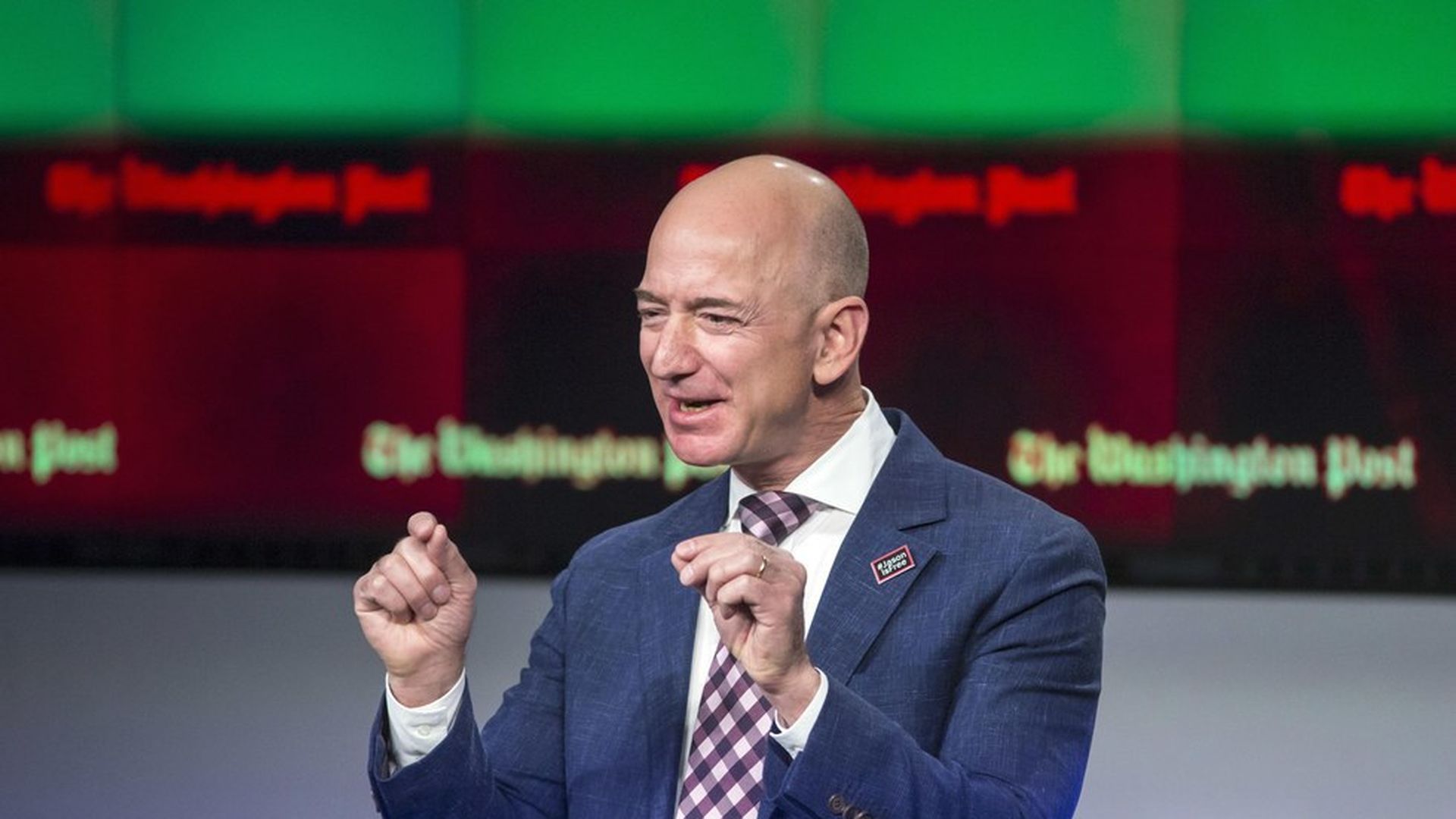
The WSJ confirms an earlier report from Satellite Business News that Amazon is talking with Dish Networks about getting involved in the wireless space.
- Wait, what? Dish has been looking to use wireless spectrum it's amassed in recent years. Amazon could partner with a wireless network in a number of ways, the Journal notes, like powering delivery drones, offering mobile service to customers of its Prime service or boosting its streaming video offering.
- But, but, but: The initial report on the talks came in May, but an announcement never materialized. The Journal reports that Dish has spoken to other tech companies about partnering, as well.
- The bigger picture: It's a busy season of partnerships and mergers for telecom companies, with multiple possible combinations on the table. That's especially true in wireless — which is attracting interest not just from tech but major cable companies like Comcast and Charter.