Thursday's technology stories

Qualcomm asks ITC to ban import of Intel-powered iPhones

Qualcomm is asking the U.S. International Trade Commission to ban imports into the U.S. of Apple iPhones that use Intel modem chips. In papers being filed Thursday, Qualcomm charges that the iPhone infringes on six Qualcomm patents covering a range of things from manufacturing techniques to methods of reducing battery use.
It's the latest escalation in the high-stakes legal battle between the two companies. Both companies have sued one another. Qualcomm has also sued Apple's iPhone contract manufacturers saying the companies are improperly withholding royalty payments at Apple's behest.
Why it matters: Despite their legal animus, both companies still need one another. Apple relies on Qualcomm for modem chips that work on Sprint and Verizon's networks, while Apple remains one of Qualcomm's main sources of revenue. It's already started to have an impact on Qualcomm's earnings.

Uber tipping lands in more than 100 new cities
Uber's in-app tipping feature is rolling out to 121 cities in the U.S. and Canada, including New York and San Francisco, the company said on Thursday. Uber first tested the feature in three cities.
Reluctant change: Uber long resisted adding an in-app tipping feature, even though it's been available via Lyft. The change in attitude comes as the company looks to improve its image and relationship with drivers, who consistently say that they would like the ability for riders to tip though the app.
Uber says the feature will be made available to all U.S. markets by the end of July.

Amazon and Dish talk wireless
The WSJ confirms an earlier report from Satellite Business News that Amazon is talking with Dish Networks about getting involved in the wireless space.
- Wait, what? Dish has been looking to use wireless spectrum it's amassed in recent years. Amazon could partner with a wireless network in a number of ways, the Journal notes, like powering delivery drones, offering mobile service to customers of its Prime service or boosting its streaming video offering.
- But, but, but: The initial report on the talks came in May, but an announcement never materialized. The Journal reports that Dish has spoken to other tech companies about partnering, as well.
- The bigger picture: It's a busy season of partnerships and mergers for telecom companies, with multiple possible combinations on the table. That's especially true in wireless — which is attracting interest not just from tech but major cable companies like Comcast and Charter.


Facebook group video chat app on its way
Facebook is reportedly getting ready to launch a standalone group video chat app that may resemble Houseparty, according to The Verge. The new app would be called Bonfire and is reportedly aimed for a fall release. Facebook said it had nothing to share at this time.
Two years ago the group video chat app, Houseparty, took off with teenagers — by November 2016 it had 1.2 million users, each spending a whopping 20 minutes a day on it. Houseparty is in the top 200 apps on Apple's U.S. App Store, marking it prime meat for Facebook's next move, which has been on the hunt to buy or mimic other products that do well among young clientele (think its buyout of Instagram or its attempts to mimic Snapchat's features).

Google may face another record EU fine
European antitrust regulators are mulling another sizable fine against Google over its Android operating system and are seeking a second opinion from a panel of experts, Reuters reports. If the outside panel agrees with the regulators' conclusions, the European Commission could be on its way to issuing a decision against Google by the end of the year.
It's expected to top the record $2.7 billion (2.4 billion euro) fine the commission slapped Google with last month for allegedly favoring its own shopping service over rivals.
Why it matters: The money — albeit a lot of money — isn't that big a deal for Google. The fact that the EU is aggressively taking action over its dominance in multiple areas spells trouble ahead for dominant U.S.-based tech platforms that do significant business in Europe. In addition, the commission (which is also investigating Google's AdSense platform) has paved the way for companies who claim to be hurt by the search giant to bring cases against it.
Alibaba latest to launch a smart speaker as competition heats up
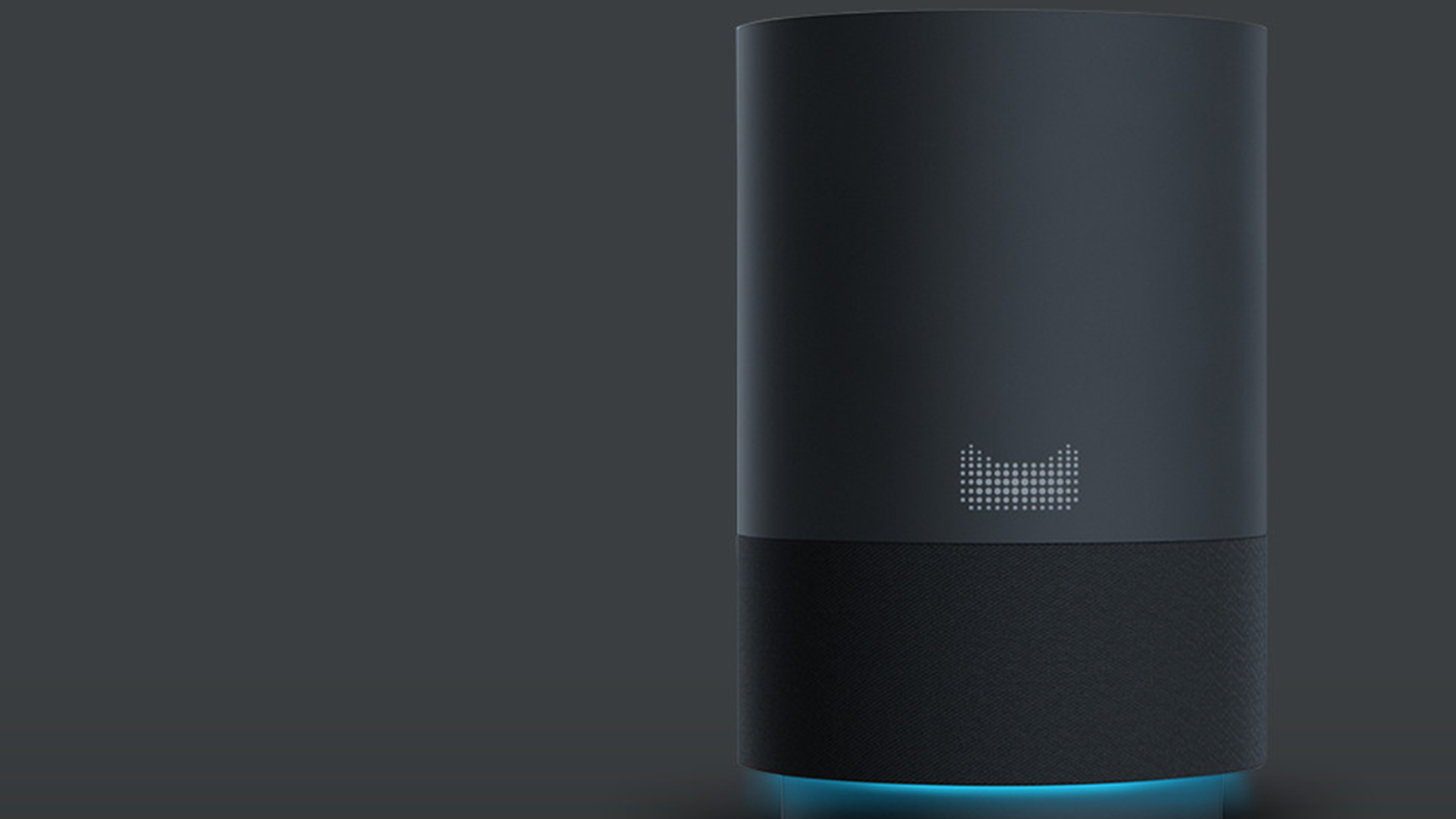
China's Alibaba on Wednesday launched the Tmall Genie, its take on a smart speaker along the lines of Amazon's Echo. The speaker is launching in beta form for roughly $75 (499 Chinese Yuan).
Alibaba joins Google and Apple in entering the category, though Apple's HomePod isn't due out until the end of this year. Samsung is also said to be working on its own device, though it has struggled to get its Bixby voice assistant working well enough for English-speaking users.
Why it matters: A lot of tech giants are betting that voice assistants and the devices they can control are one of the next frontiers of computing.
U.S. asks to get involved in Europe's Apple tax case
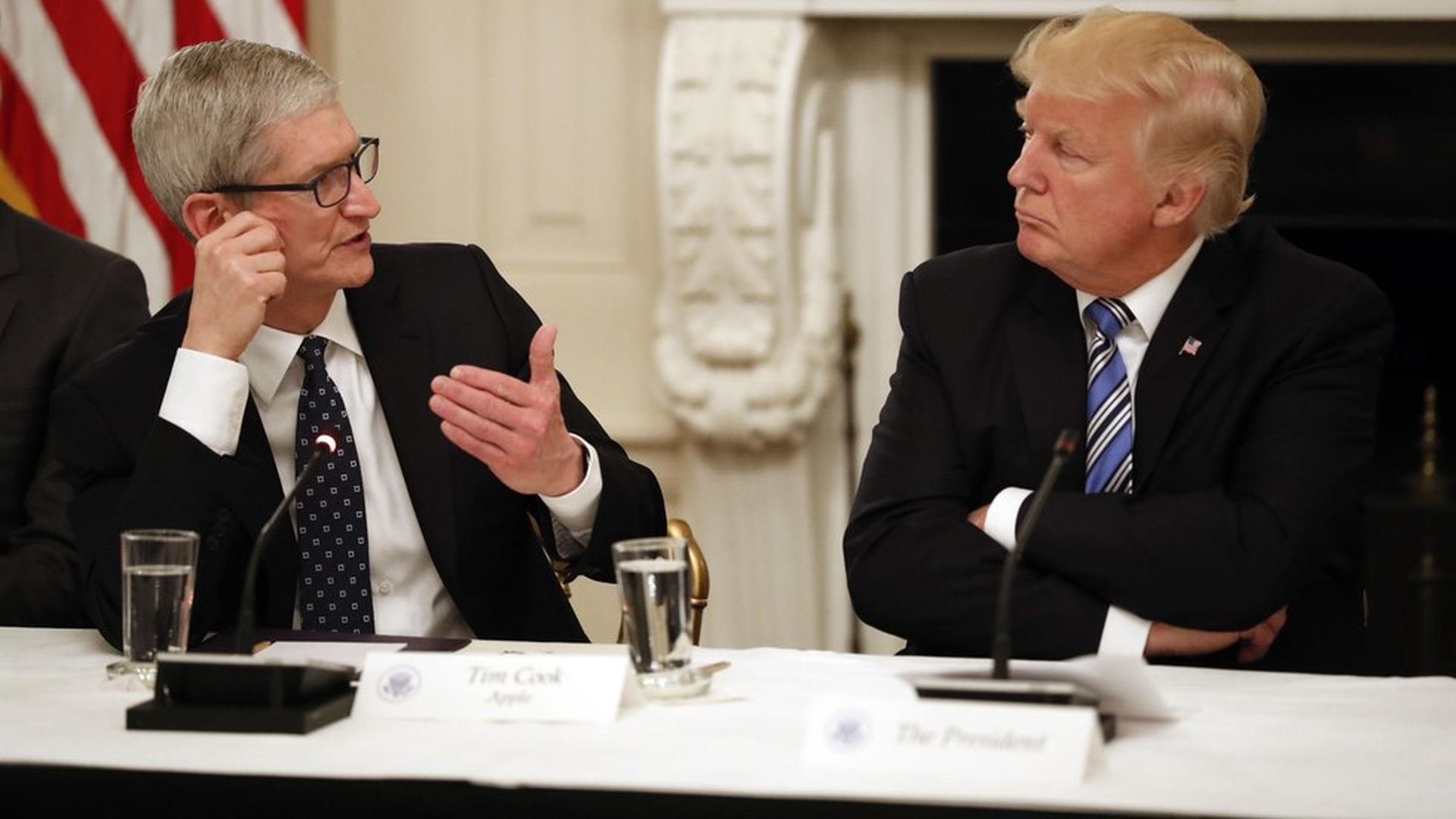
American authorities have asked to get involved in a case that pits Apple against the European Union over the bloc's decision to order the company to pay more than $14 billion in back taxes.
- A source familiar with the issue confirmed that the U.S. filed an application with the E.U. General Court to "intervene in the case involving the retroactive application of state aid rules to Apple." MLex was the first to report the request.
- European regulators are skeptical of the growing power of American tech companies. Most recently, the antitrust regulator who levied the tax order issued a multibillion dollar fine against Google.
- The U.S. needs permission to intervene in the case, which stems from an E.U. order last year that Apple pay $14.5 billion in taxes to Ireland. Ireland gave tax breaks to the company that European officials say were illegal. Then-Treasury Secretary Jack Lew slammed the ruling, which Apple has appealed.