Monday's technology stories

DoorDash moves forward with robot delivery plans
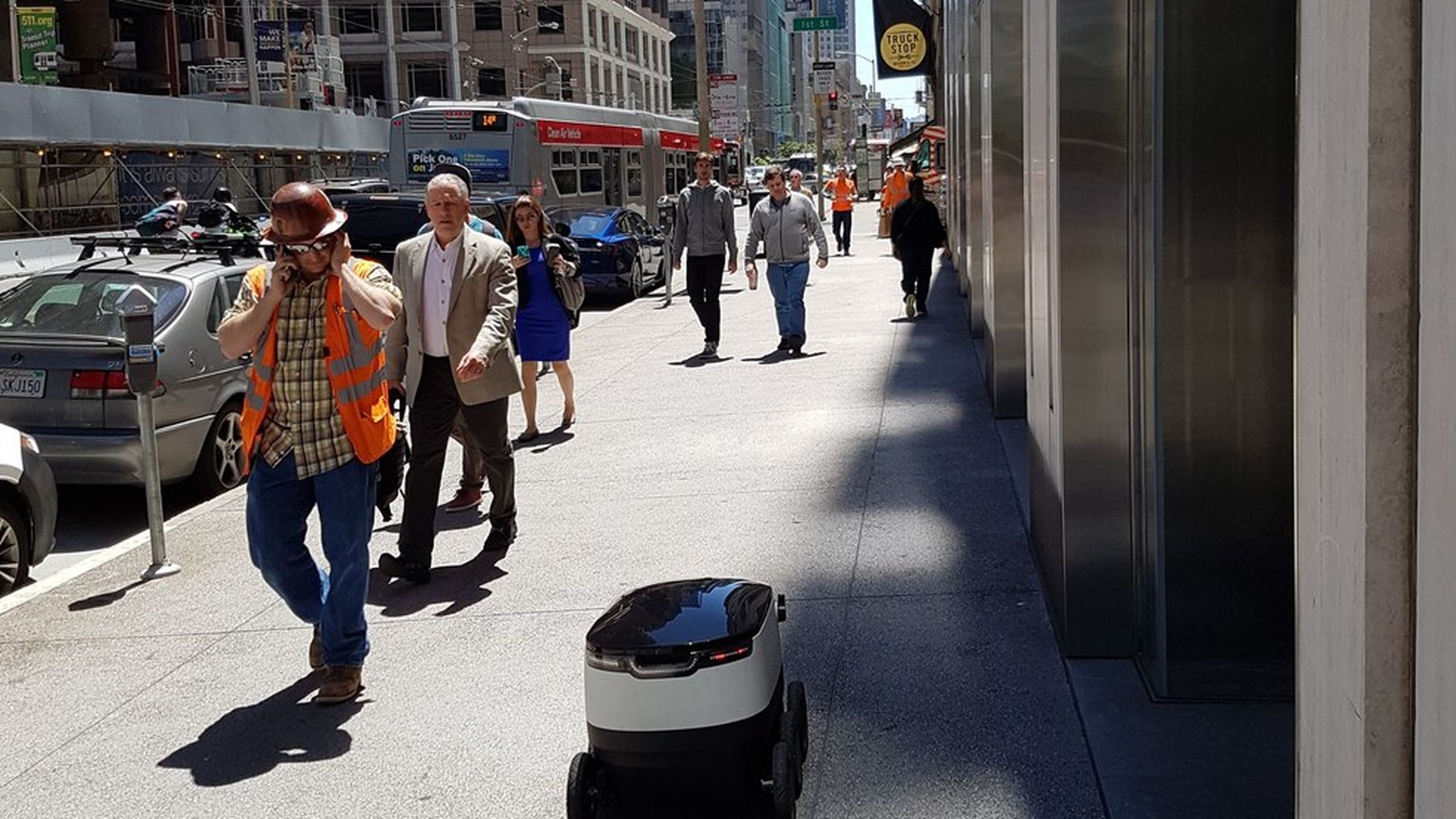
Delivery startup DoorDash is rolling out delivery-by-robot in Redwood City, Calif. A spokesman said Monday that the company hoped to formally begin robot deliveries in Washington, D.C., where it has also been testing the concept, "later this month."
BuzzFeed News was the first to report the California news.
Why it matters: The use of robots is part of a new frontier in the crowded delivery space, with companies like Yelp and Postmates also looking to get in on the trend. Plus, it underscores the potential for a new wave of automation to change the workforce.

Uber pulling back on Oakland expansion plans
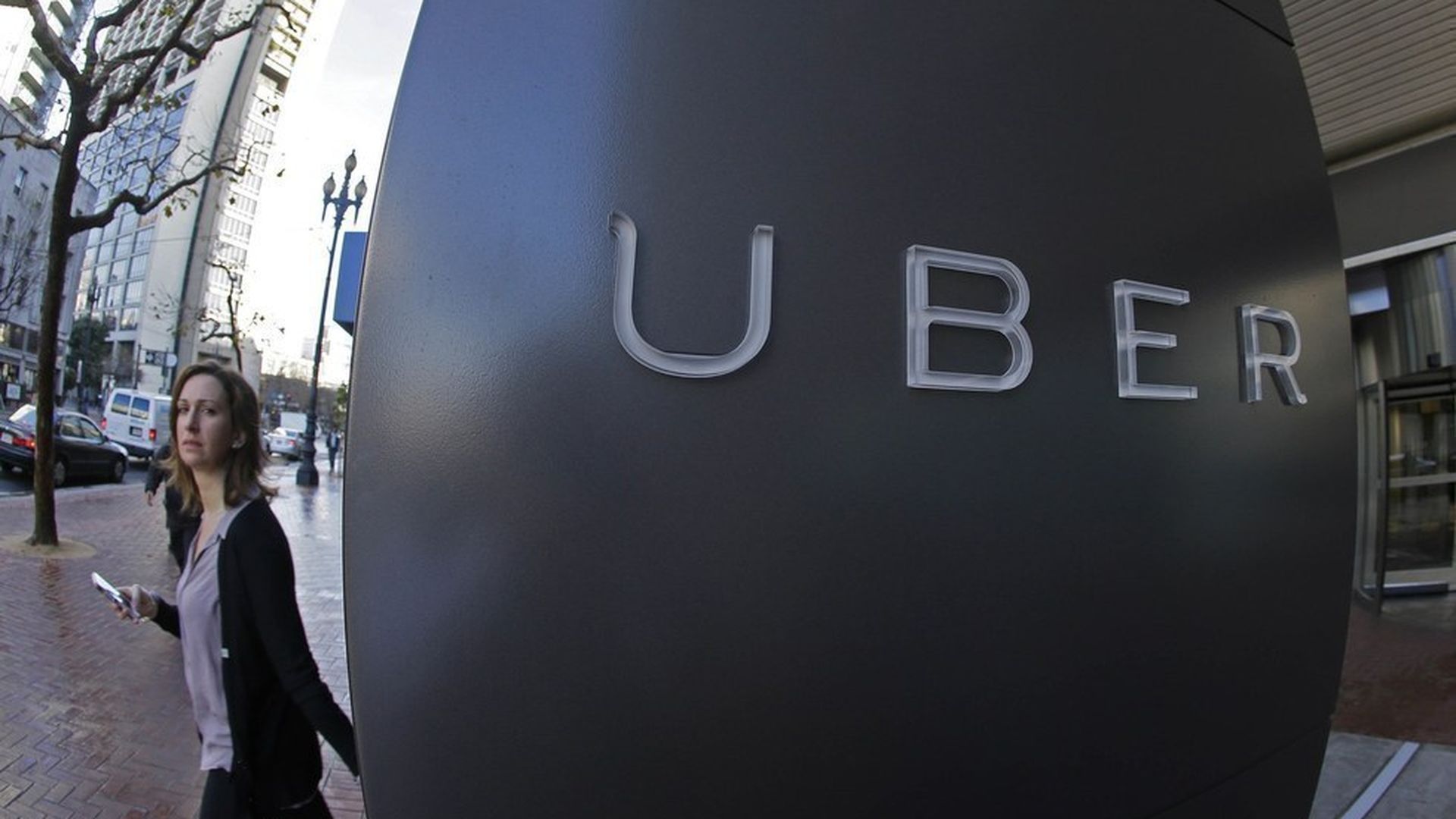
San Francisco-based Uber is pulling back on its office expansion into Oakland, according to the SF Business Journal. Instead of the 2,000 to 3,000 employees it planned to have in the upcoming office, only "a few hundred employees" will work out of its upcoming location.
Moreover, it has purchased a stake in the two office buildings currently under constructions as part of the Golden State Warriors' project in the Mission Bay area of San Francisco, adding to its expansion in its hometown.
What it means: Oakland greeted Uber's initial expansion plans with enthusiasm because of the economic opportunities it would bring. Uber's pullback could be a blow to the city, but also good news for critics who worried about the effect it would have on local housing demand.

Apple is working on AR glasses and bringing the tech to the iPhone
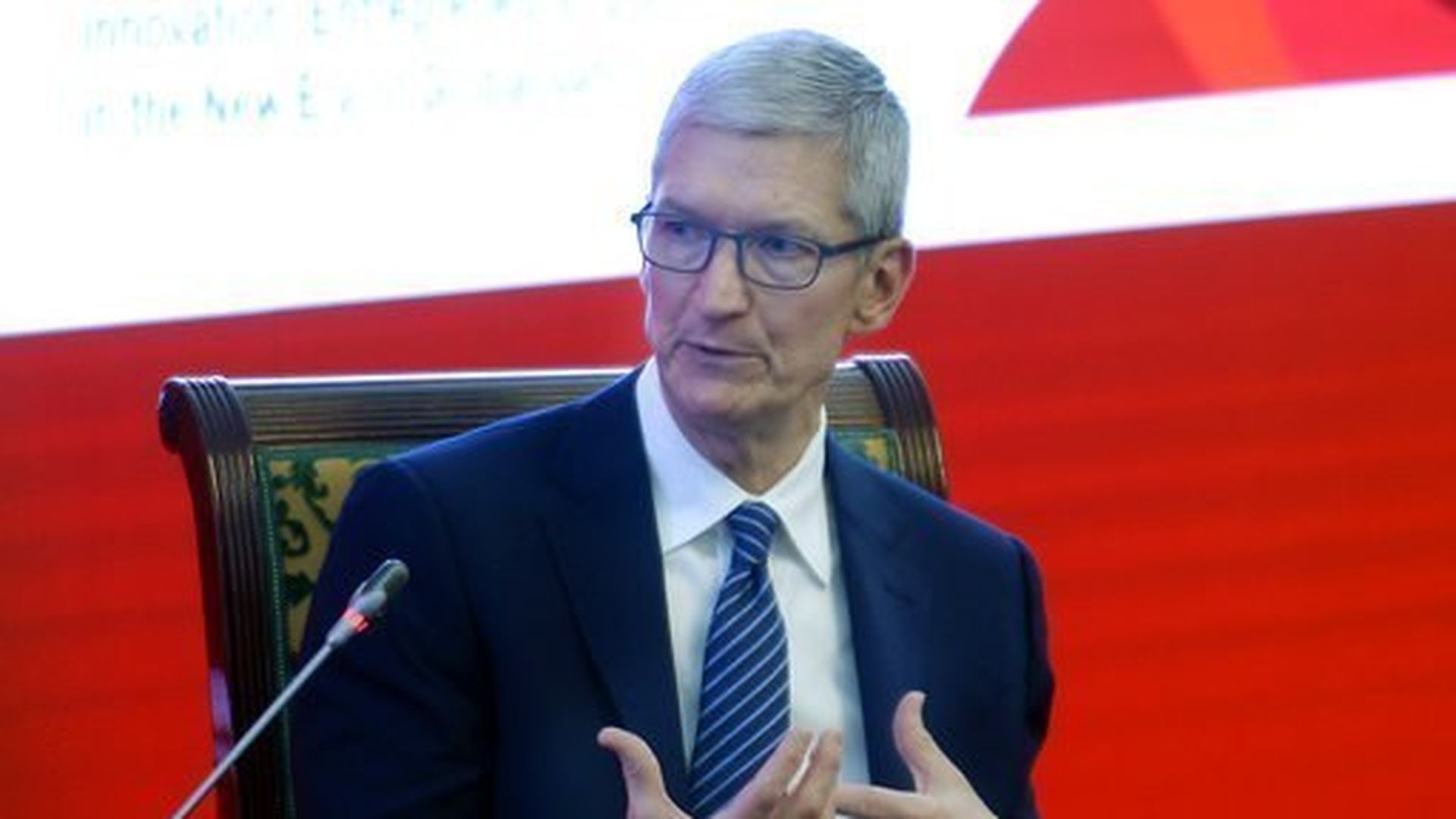
Apple CEO Tim Cook has said for a while now that he finds augmented reality a big deal and a whole lot more interesting than pure virtual reality. However, Apple has been characteristically mum on just what its plans are for overlaying digital objects onto the real world.
Writing for Bloomberg, intrepid Apple scribe Mark Gurman has dug up a number of details on Apple's work in the space, including some big hires, key deals and product plans. Here are the highlights:
- Apple is working on its own augmented reality glasses but those should take some time, with the first fruits of the AR push likely to show up on the iPhone itself.
- The AR effort is being run by former Dolby hardware chief Mike Rockwell, who previously advised Meta, which makes its own augmented reality glasses. Other hires have come from Amazon, Google and Meta.
- Apple has made acquisitions too. It bought AR software firm Metaio in 2015 and AR camera software firm FlyBy Media last year. It's AR effort will also draw heavily on the company's 2013 acquisitiion of Israeli depth-sensing camera maker Primesense.
- Hundreds of people are working on AR at Apple, if you include the people doing the underlying iPhone camera work.
Why it matters: AR is seen as a giant new frontier for computing, potentially becoming a to $165 billion market by 2024, according to Global Market Insights. With the smartphone market maturing, Apple needs a big new market to dominate in order to keep growing.
Samsung details Bixby, its voice assistant, ahead of S8 launch
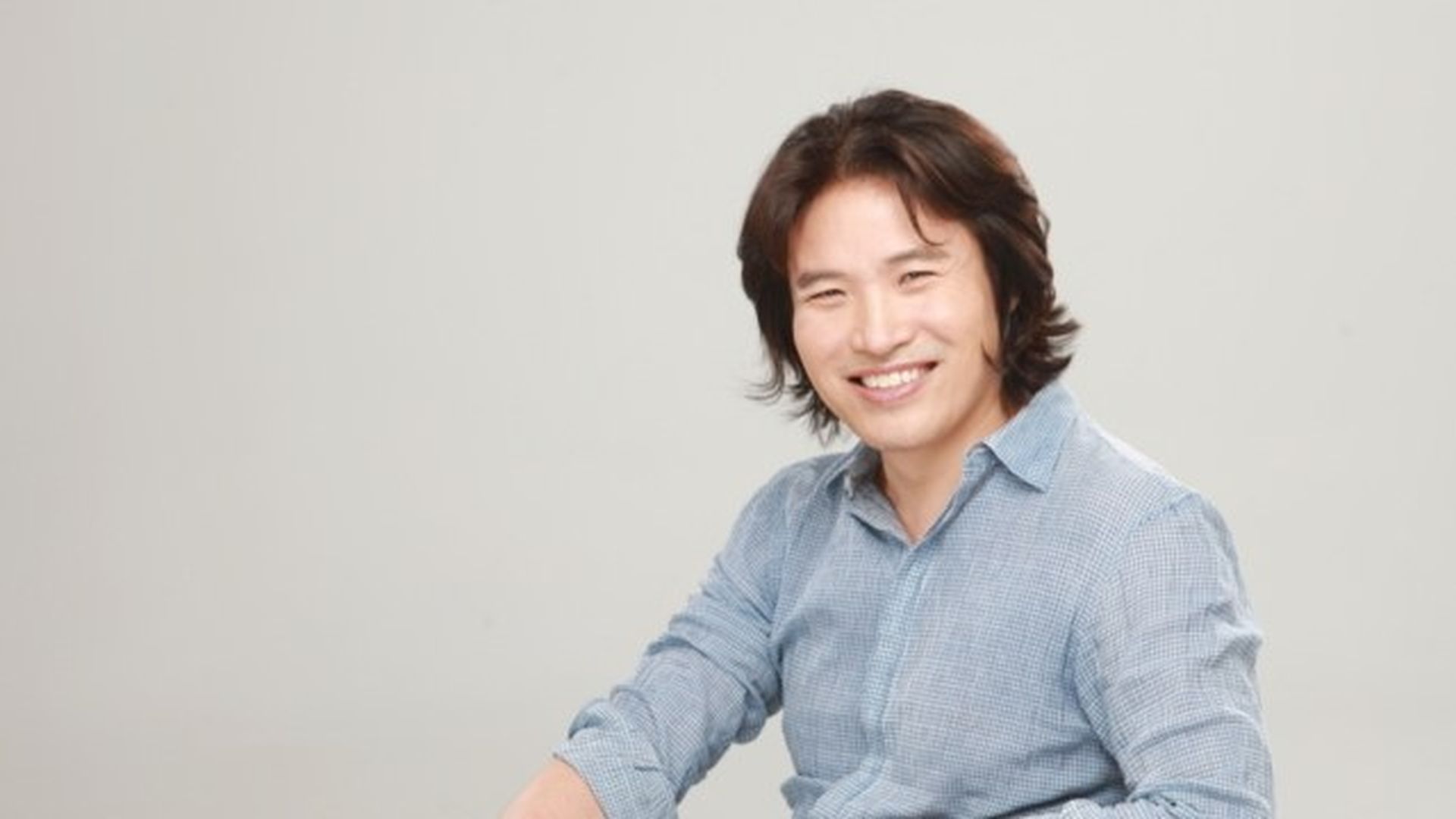
When it bought Viv Labs last year, Samsung said it planned to make the company's voice-powered assistant a key part of its future.
Now, just ahead of next week's debut of the Galaxy S8, Samsung is offering mored details on Bixby, as the assistant is now known. The Korean electronics giant says that Bixby, unlike Apple's Siri or Google's Assistant will be able to tackle most anything a smartphone app as opposed to handling just a small subset of features.
"Bixby is at the heart of our software and services evolution as a company," Samsung R&D chief InJong Rhee said in a blog post on Monday. "As the Bixby ecosystem grows, we believe Bixby will evolve from a smartphone interface to an interface for your life."
Bixby will begin life handling tasks for Samsung's built-in apps for the S8, but will be added over time to other Samsung products, including TVs and appliances. Other app makers will also be able to allow Bixby to work with their apps.
Why it matters: Afrticial intelligence and voice-powered computing are seen as key areas for computing, not just for phones but also for all manner of devices. It also puts Samsung back in software competition with Google, an area where Samsung has not had much success.
CEO says Slack is growing up, but maybe not going public
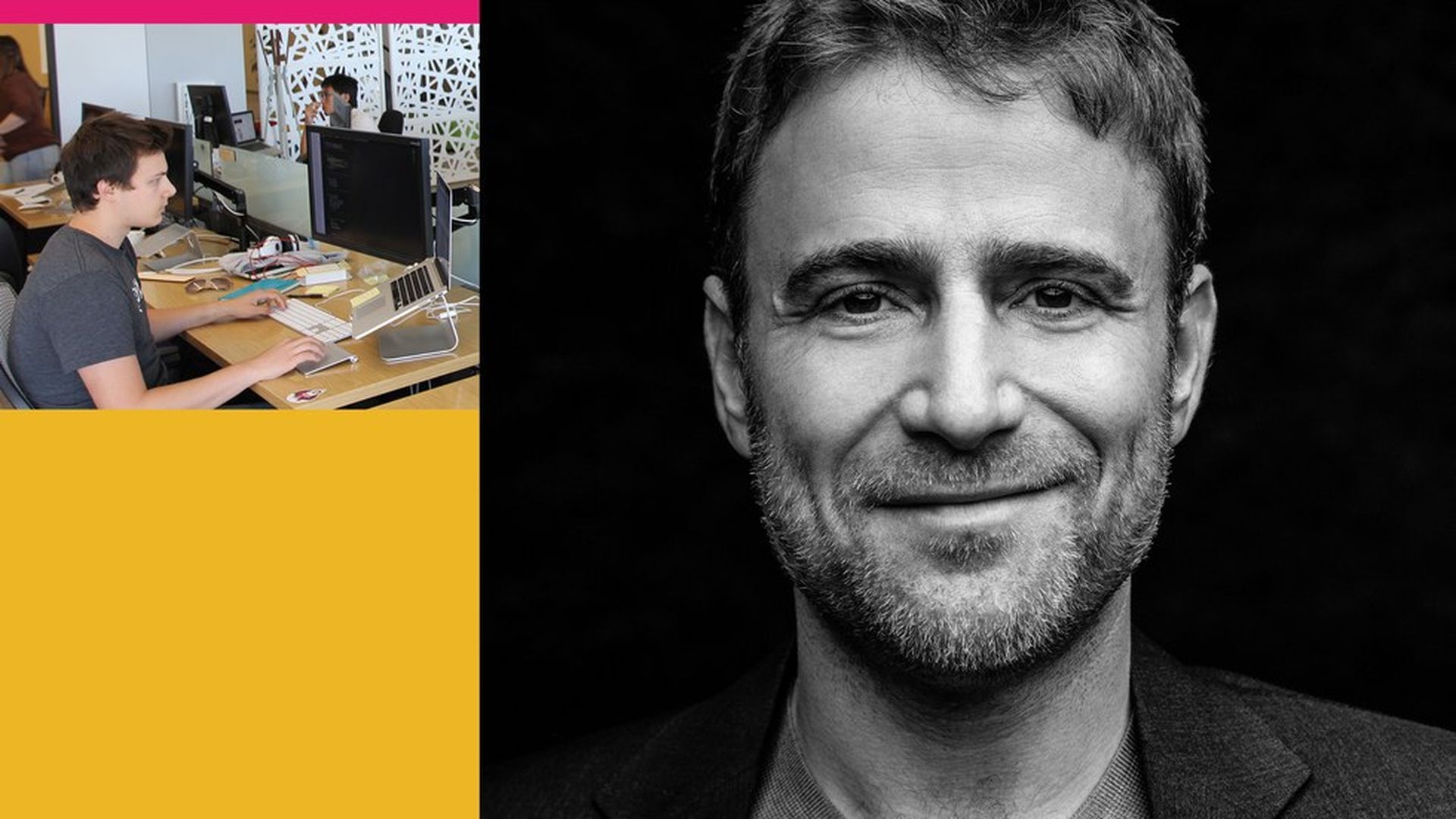
Slack just added Square CFO Sarah Friar as the company's first independent board member. So, is the company readying an IPO?
"No," Butterfield told Axios. "I've said publicly before that we are trying to run the company so that we're ready to go public, not because we are going to necessarily."
Rather, Butterfield characterizes the addition as "part of growing up." an effort that will also see the company invest this year to translate the service into more languages and be more useful to the largest of businesses.
For more on Butterfield's plans for Slack, (and why he won't be buying back Flickr) read on. Click here for his thoughts on Donald Trump (and he has many).

Former Uber president says why he quit
Jeff Jones, who just stepped down as president at Uber, told Recode why:
"It is now clear, however, that the beliefs and approach to leadership that have guided my career are inconsistent with what I saw and experienced at Uber, and I can no longer continue as president of the ride sharing business."
Top Uber exec leaving the company
Jeff Jones, the former Target CMO who joined Uber less than a year ago as president of its ride-hailing business, is leaving the company, as Recode first reported and Uber confirmed to Axios.
Jones is exiting as the company deals with a flurry of recent controversies, including allegations of sexual harassment. Uber CEO Travis Kalanick recently announced a search for a COO to help him better steer the ship, and it appears to have been a factor in Jones' decision to leave.
"After we announced our intention to hire a COO, Jeff came to the tough decision that he doesn't see his future at Uber," Kalanick wrote in an email to employees on Sunday obtained by Bloomberg.
Update: "We want to thank Jeff for his six months at the company and wish him all the best," Uber said in a statement.
The story has been updated with Uber's confirmation and information from an email sent to Uber employees.
Trump and Clinton campaigns made heavy use of Uber
It turns out the Clinton and Trump campaigns don't like hailing cabs either.
Hamilton Place Strategies combed through the election campaign spending data and found that the two presidential campaigns used Uber more than three times as much as traditional taxis. Uber accounted for more than 3/4 of ride expenses under $100, compared to 22.9 percent for taxis and just 1.6 percent for Lyft.
Both campaigns also dabbled with Home Away and AirBnB, but traditional hotels still accounted for 99 percent of lodging expenses.