Friday's technology stories

Protesters chanting outside Uber’s headquarters
Anti-Trump protestors are outside Uber's San Francisco headquarters this morning urging resistance to the new administration. As TechCrunch reports, the protesters are chanting "Donald Trump, go away. Racist, sexist, anti-gay."
Why Uber: The protesters aren't happy that Uber CEO Travis Kalanick is a member Trump's Strategic and Policy forum, which serves as business advisory group to Trump. The forum also includes Disney's Bob Iger, General Motors' Mary Barra and PepsiCo's Indra Nooyi, holding signs saying "Uber collaborates with Trump."
Uber responds: A spokesperson says via email: "As a company we're committed to working with government on issues that affect riders, drivers and the cities where we operate. Just as we worked with the Obama Administration, we'll work with the Trump Administration, too."

Batteries to blame for Samsung smartphone fires
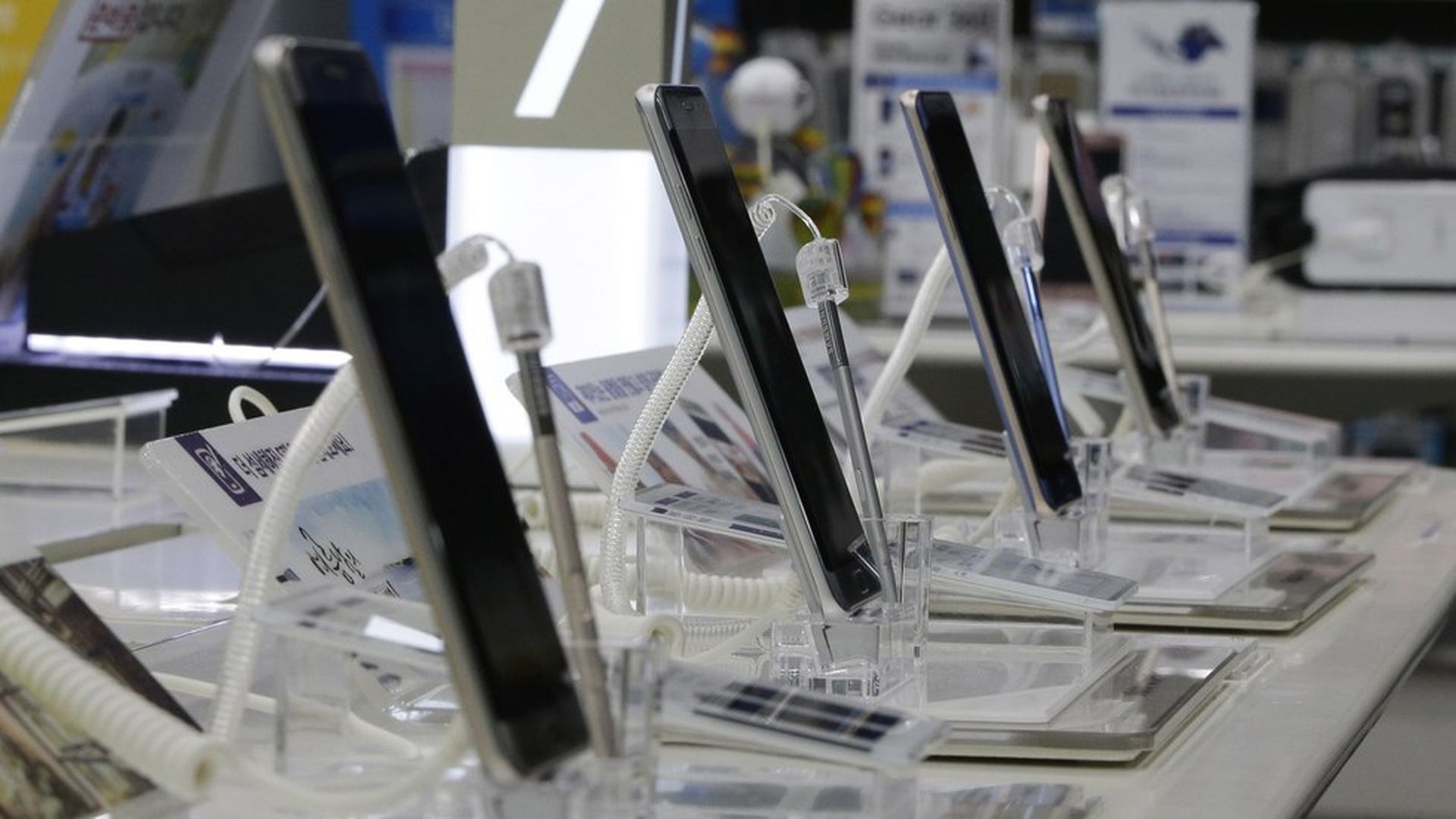
The fires that forced Samsung to recall all 2.5 million Galaxy Note 7 smartphones were caused by irregularly-sized batteries that overheated, while others had manufacturing problems, according to The WSJ.
A report of the fiasco—which will end up costing the company at least $5 billion—will be released on Monday. Here's what you can expect to find:
- Batteries in the Samsung SDI model were irregularly sized and didn't fit properly in the phone.
- Some batteries made in China, experienced manufacturing issues as a result of the quick ramp up in production of replacement phones.
- Samsung will introduce an eight-step process that includes more testing, inspections and manufacturing-quality assurances.

Hot in the Valley: Twitter's diversity struggle
Twitter employs slightly fewer white men
The social network released its latest workforce diversity report and the results are mildly positive. Now, 57% of U.S. employees are white, down from 59% the previous year, and women make up 37% of employees worldwide are women, up from 34% in 2015.

Uber will pay $20 million in lawsuit over driver pay claims
Uber has used promises of good pay and flexible hours to attract drivers to its growing ride-hail service. Now, it says it is willing to spend millions to settle a lawsuit with a federal agency over allegations it exaggerated just how much people could make by driving for the ride-hail service.
The heart of the claims: The Federal Trade Commission says Uber offered inflated hourly earning figures for potential drivers. Uber doesn't admit or deny the activities alleged in the lawsuit.

Snapchat teaming with Oracle to finally get "creepy"
Snapchat will now provide advertisers the ability to use offline data to market to its 150 million daily active users.
How? The social media giant is teaming with the Oracle Data Cloud, formerly called Datalogix, to provide advertisers data about users' offline purchasing history to hyper-target ad campaigns. According to AdWeek, STX Entertainment, Kia, Honda, and The Honest Company will all be testing the new capability.
Why? In the past, Snapchat received backlash for giving advertisers minimal ability to custom-target its users, which hindered their ability to compete with the likes of Google and Facebook in winning advertising contracts. A 2015 eMarketer report cites a 'Social Advertising Effectiveness Scorecard' where industry executives rate leading platforms in their ability to market users through advertising. Snapchat received a C- for "ad targeting effectiveness" and D+ for "ad measurement and analytics effectiveness."
Under pressure: The Oracle partnership is newsy given that 18 months ago, Snapchat founder and CEO Evan Spiegel vowed not to be "creepy" in how the tech giant utilized users' offline data to retarget them. However, that was a year and a half ago, when the company was valued $6 billion less than what it is now and before it was exploring an IPO, forcing them to demonstrate advertising appeal to investors.
Our take: Spiegel's right that overlaying offline user-data affects user experience, but Snapchat can't compete with other platforms to win over high-end ad contracts, particularly for retail campaigns, without doing so. As we noted earlier this month Snapchat users are four times less likely to use the app for e-commerce than Instagram, which recently rolled out commerce-driven ad features for their stories feature that rivals Snapchat. According to AdWeek, STX Entertainment's test campaign with Snapchat using offline purchasing data is meant to drive ticket sales specifically.
Twitter takes a step away from developer tools
Once again, Twitter shows that providing app developers with tools is not its favorite job. The company announced on Wednesday that it's selling off its Fabric suite of tools to Google.
Most of the tools in the Fabric suite are part of the deal, though it's unclear what will happen to Digits, which lets users of third-party apps log in using their phone numbers, after the transition. A Google spokesman declined to share more details.

Snap and Silicon Valley: it's complicated
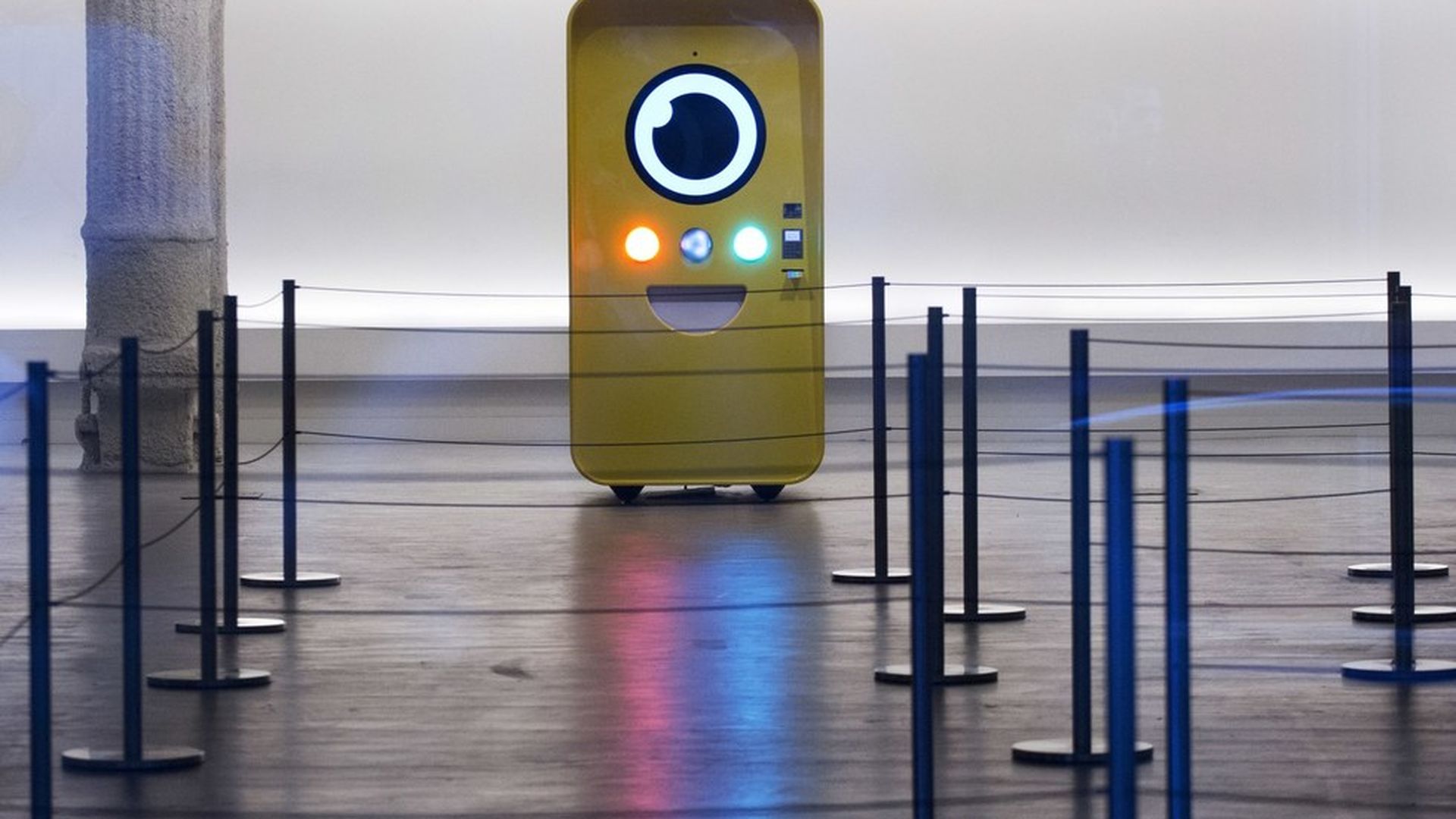
As Wall Street gets to know Snap and its CEO Evan Spiegel, Silicon Valley can't stop talking about the upcoming IPO, which The Information broke last fall. I haven't seen this level of pre-IPO buzz since the 2012 Facebook offering.

Updated CIA policy prioritizes Americans’ privacy
The new policy, per an AP report:
- Will keep Americans' information for up to five years if it hasn't been reviewed
- Pares down which employees can access this information and sets up a system to monitor who looks at information and why
Context: As the CIA uses more and more technology to gather intel, it's increasingly inadvertently collecting Americans' data. Until today, some of these policies hadn't been updated since 1982. This left the CIA to gather info in bulk without a lot of accountability.
Between the lines: CIA General Counsel Caroline Krass said the changes have been in the pipeline for years. Trump has said he hopes to enhance U.S. surveillance to knock out terrorism. These extra protections come two days before he settles into the Oval Office as POTUS.