Starship Technologies's self-driving delivery robots are coming to D.C. and Redwood City, Calif., the company said on Wednesday. Starship has partnered with delivery startups DoorDash and Postmates for these test programs, which will be available in select parts of the cities.
Company co-founder and president John Zimmer penned a blog post arguing for infrastructure that would encourage carpooling as a way of solving traffic in the U.S.
Between the lines: It's not too hard to see that Zimmer's pitch is a direct ad for Lyft Line, his company's carpooling service.
Case in point: He suggests that smart carpool lanes be free for cars with three or more passengers—exactly the minimum of people in a car when two riders are matched.
We don't know exactly when Snap plans to go public, but here's how the timeline would play out if the Los Angeles-based company pushed its pedal to the metal and there were no speed-bumps:
This week: Analyst day, which is when it meets with investment bank analysts for the first timer. They'll see the financials and give feedback that will help drive how many shares the company plans to offer, and at what price.
Next week: The company could file its public S-1 document with the Securities and Exchange Commission (it already has filed a confidential version, per the 2012 JOBS Act).
The Federal Trade Commission is suing Qualcomm, saying the company abused its dominant position as a supplier of key cell phone parts to force device makers into unfair licensing deals.
The most salacious allegation: The company forced Apple to exclusively use its chips if it wanted to get a better deal on Qualcomm's patent licenses.
Qualcomm licenses patents that are essential to building modern mobile phones and also builds chips for those devices. The federal government charges that they used their power in each business to maintain their leverage in the other.
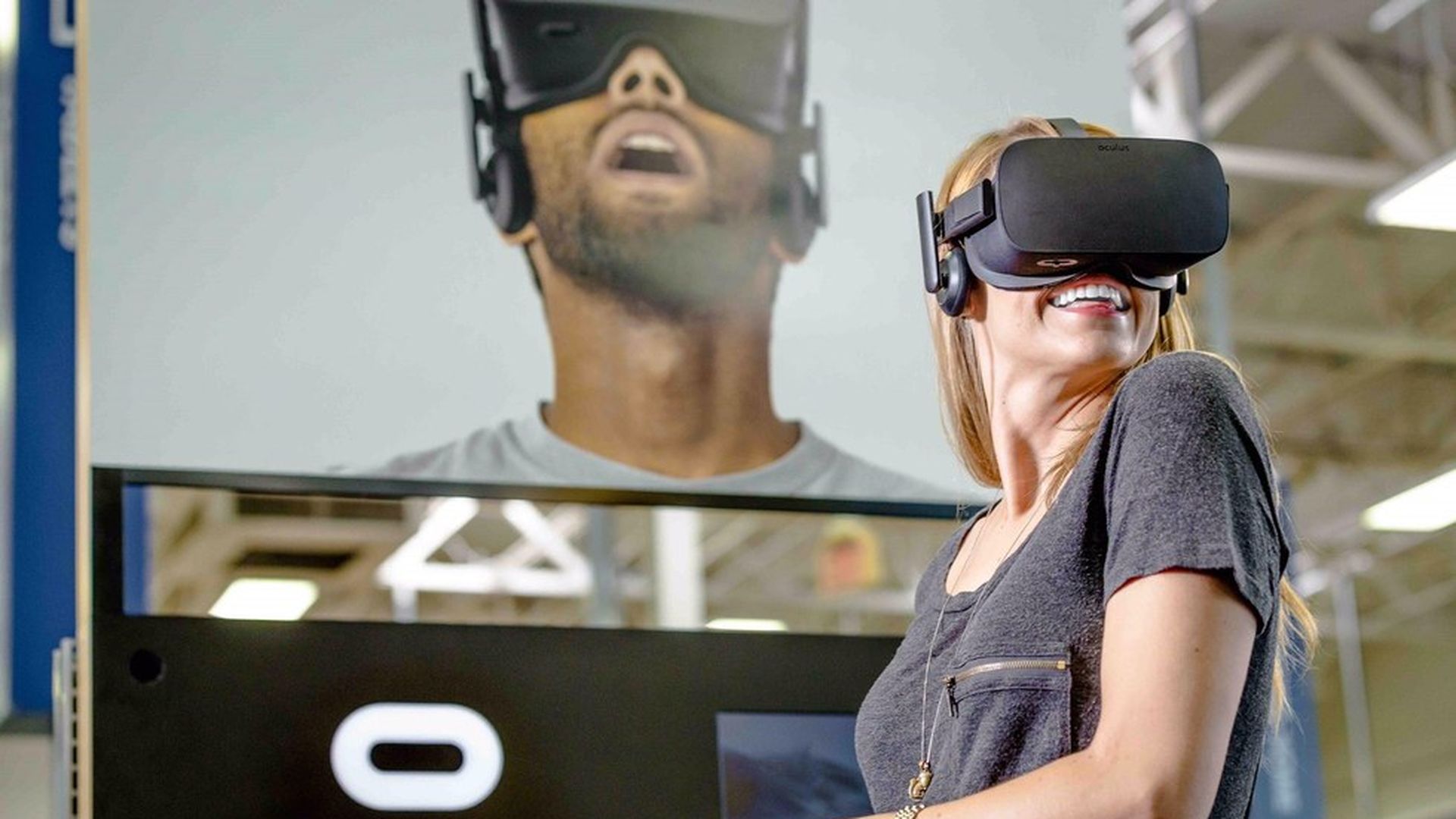
Facebook chief Mark Zuckerberg is in Dallas today to testify in a lawsuit against Oculus, the virtual reality outfit the social network bought in 2014. A company called ZeniMax Media alleges Oculus stole parts of its technology.
Snapchat is secretive. According to Bloomberg, the company's CEO Evan Spiegel is so private that he communicates with his executives primarily via Snap messages, which vanish after they're read. Some other juicy bits from the big Bloomberg takeout:
In 2015, a Bloomberg reporter called to confirm what sources had said about an executive hire. Following the call, the executive's offer was quickly rescinded.
When employees asked about a leaked report that a new product — Snapchat glasses — was hitting the market, they received an email to stop the chatter: You may have seen reports about a product that we may or may not be working on, it read. Don't talk about it. Hours later the company publicly announced its new product: Snapchat spectacles.
After Bloomberg revealed specifics about Snap's offering size, the company "scolded" the IPO's underwriters, assuming they were behind the leaks. Snap execs threatened to cut some employees fees if confidential information continued to appear in the news without the company's blessing, reported Bloomberg.
Apple is upping the prices it charges for apps in the U.K. as much as 25% after the pound's drop in value following Brexit, according to Bloomberg. A purchase that previously cost 79 pence will now sell for 99 pence.
Apple told developers the changes will be made within the week. This isn't the first time Apple's raising prices post-Brexit. The company raised the price of hardware products, including the iPhone, back in October.
Context: Earlier this morning, Britain's Prime Minister Theresa May said that Brexit is definitely happening, and that the U.K. will not "hold on to bits of membership" as they leave.
"China's Google" nabs a Microsoft vet to help run the company
Qi Lu, a former Microsoft executive who ran the Office and search groups during his tenure, is joining Baidu, China's largest search engine, as group president and COO, the company told media outlets. Lu left Microsoft last year for health reasons.
Why now: One particular area of Lu's expertise is artificial intelligence. While AI is still going through its period of massive hype in the industry, it will undoubtedly be important to future technologies and products. Baidu is already working on AI-related technologies such as self-driving cars and augmented reality.