Gene editing's next chapter will be focused on tackling cancers and more common diseases, uncovering new details about aging and other fundamental aspects of biology and editing RNA, top scientists in the field said this week.
The big picture: The potential of CRISPR gene-editing technology was realized six months ago, when the Food and Drug Administration approved the first therapy that uses the system to treat sickle-cell anemia. Now, scientists are setting their sights on more complex molecular targets.
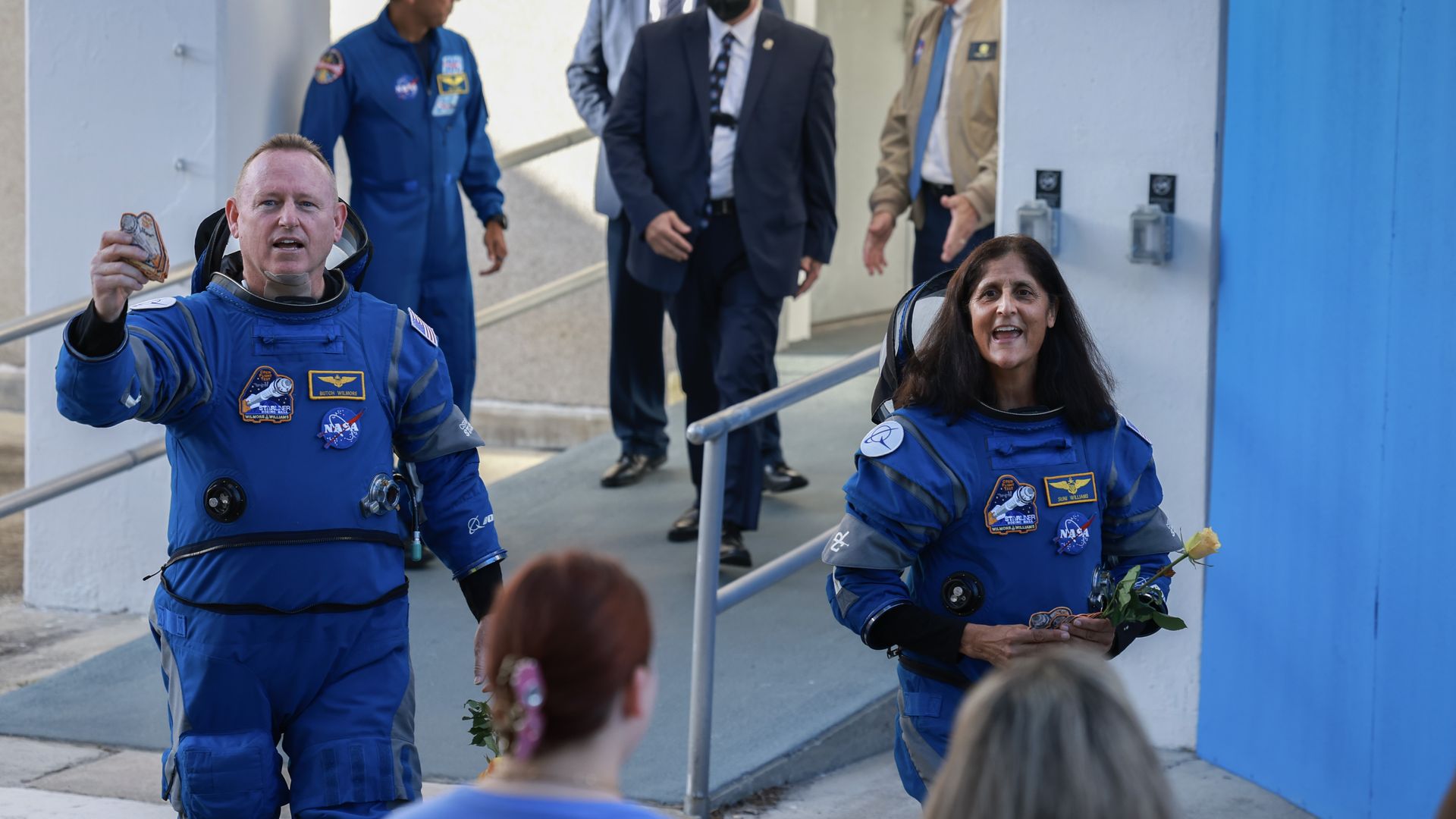
Boeing's Starliner successfully docked on Thursday with the International Space Station (ISS) during its long-awaited first crewed mission after entering Earth's orbit from a Cape Canaveral launch the day prior.
Why it matters: A successful mission is critical for Starliner to be declared an operational crew system by NASA and for Boeing to begin competing with SpaceX for additional missions to the space station.
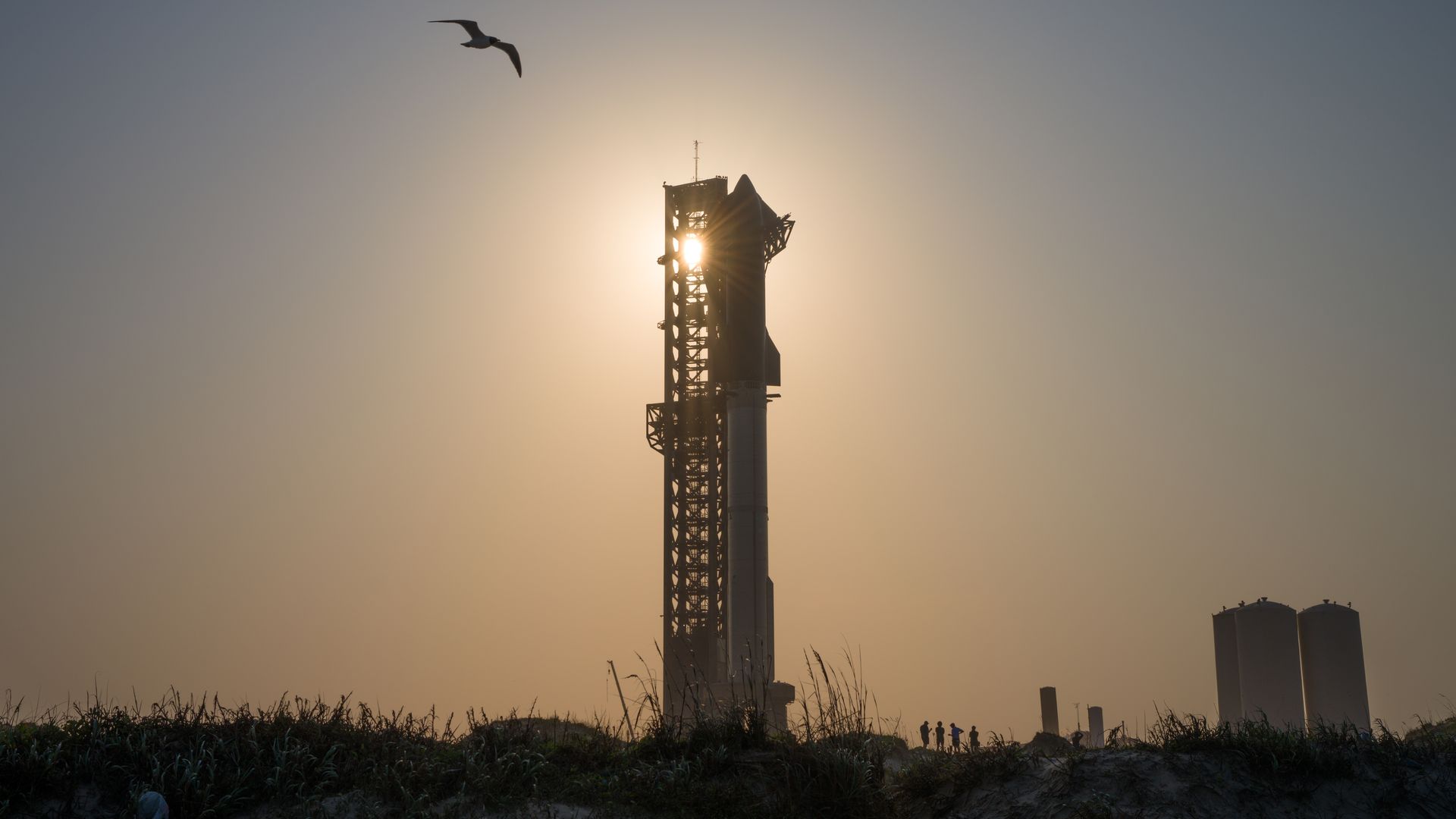
SpaceX's Starship and its massive reusable booster both successfully made their first controlled water landing during a fourth flight test on Thursday.
Why it matters: It's a significant achievement for the vehicle, which is key to NASA's Artemis program.
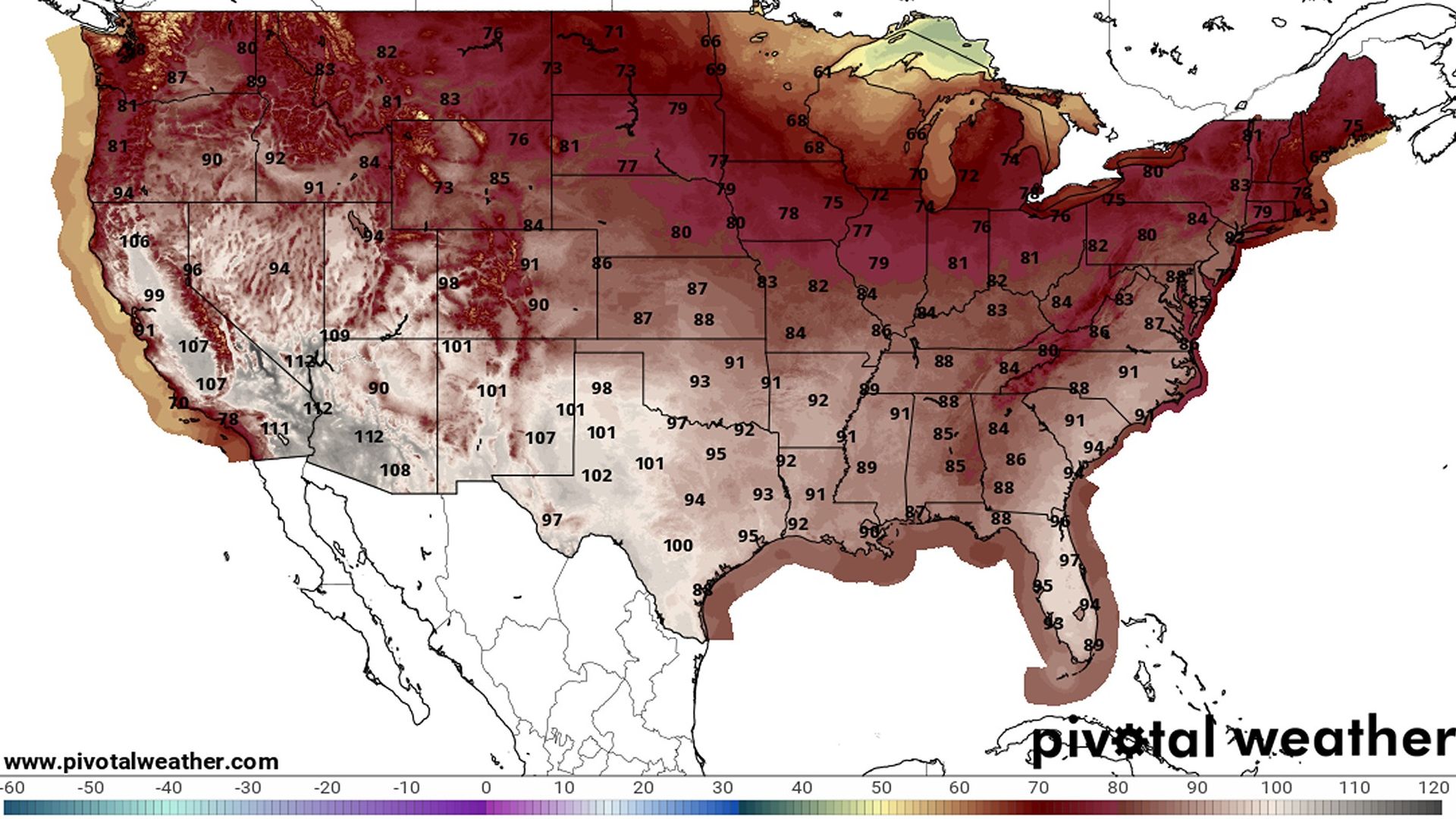
The hottest temperatures to hit the U.S. this year were sweeping across California and the Southwest into Thursday — and the "dangerous" heat's expected to bring record temperatures to much of the region before expanding eastwards this week.
The big picture: Excessive heat warnings and watches extended from the central valley down through southern California's deserts, southern Nevada and southern and western Arizona and into Utah, affectingover 29 million early Monday after the heat began building a day earlier.
Multiple tornadoes reported across the U.S. on Wednesday left a toddler dead in suburban Detroit, Michigan, and several people injured in a Maryland suburb just outside of Washington, D.C., on Wednesday.
The big picture: The storms that unleashed the tornadoes come during one of the busiest tornado seasons on record in the U.S, per the National Weather Service.
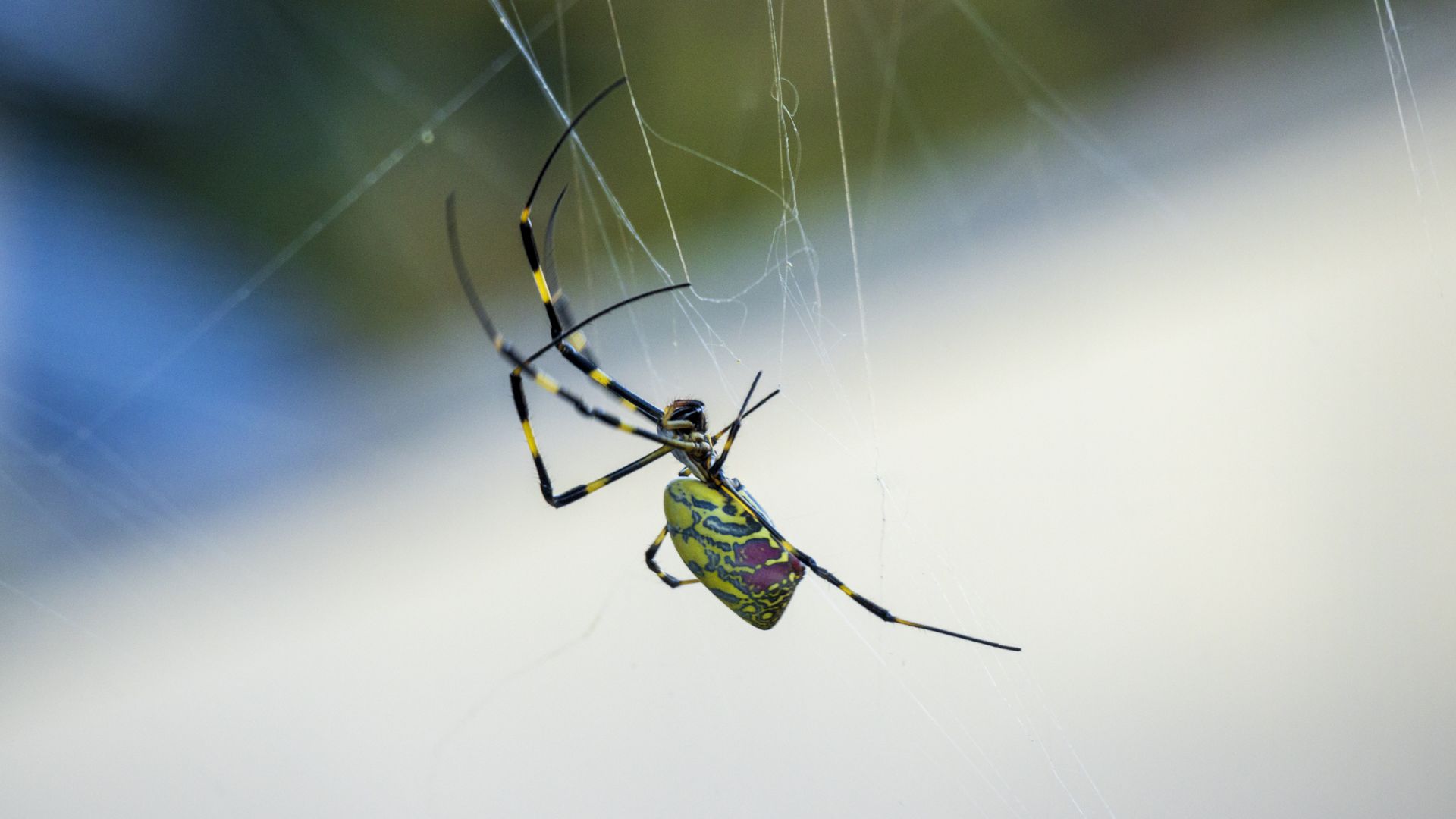
An invasive but extremely "shy" and harmless spider that can float on the breeze could arrive in new parts of the East Coast later this summer.
Why it matters: Since first appearing in the U.S. around 2013 and 2014, the Joro spider, native to Japan and other parts of Asia, has slowly expanded across the Southeast and could establish themselves across the East Coast over the coming years, researchers say.
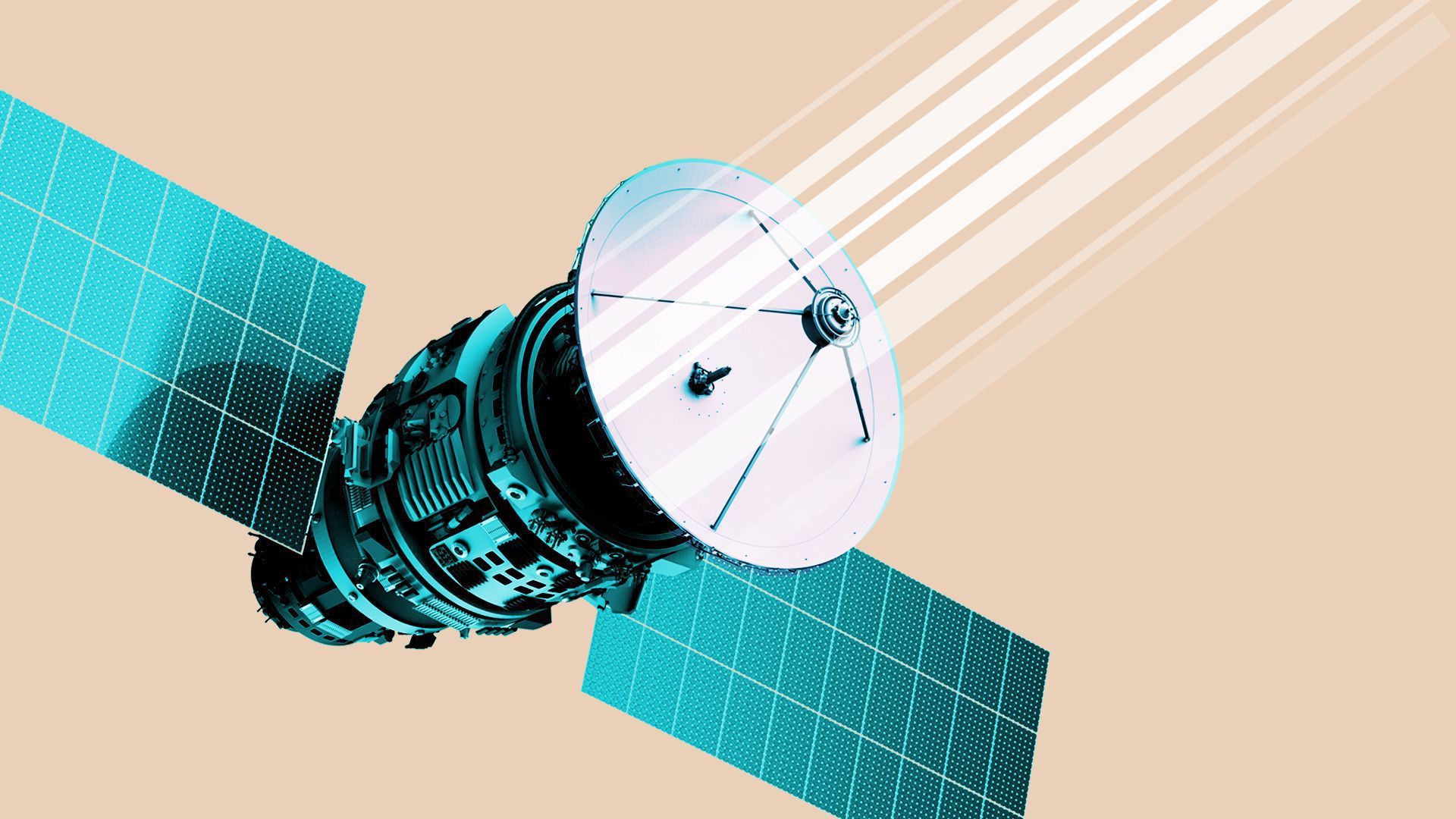
A new AI system can spot satellites acting strangely in the increasingly congested orbit around Earth and that could be malfunctioning or have more nefarious purposes.
Why it matters: Companies are announcing plans to launch large constellations in the coming years, potentially putting more than one million satellites in space. And governments are increasingly investing in space-based electronic warfare tools, anti-satellite weapons and other spacecraft for national security that could be concealed in the mix.

/2024/06/06/1717684783605.gif?w=3840)