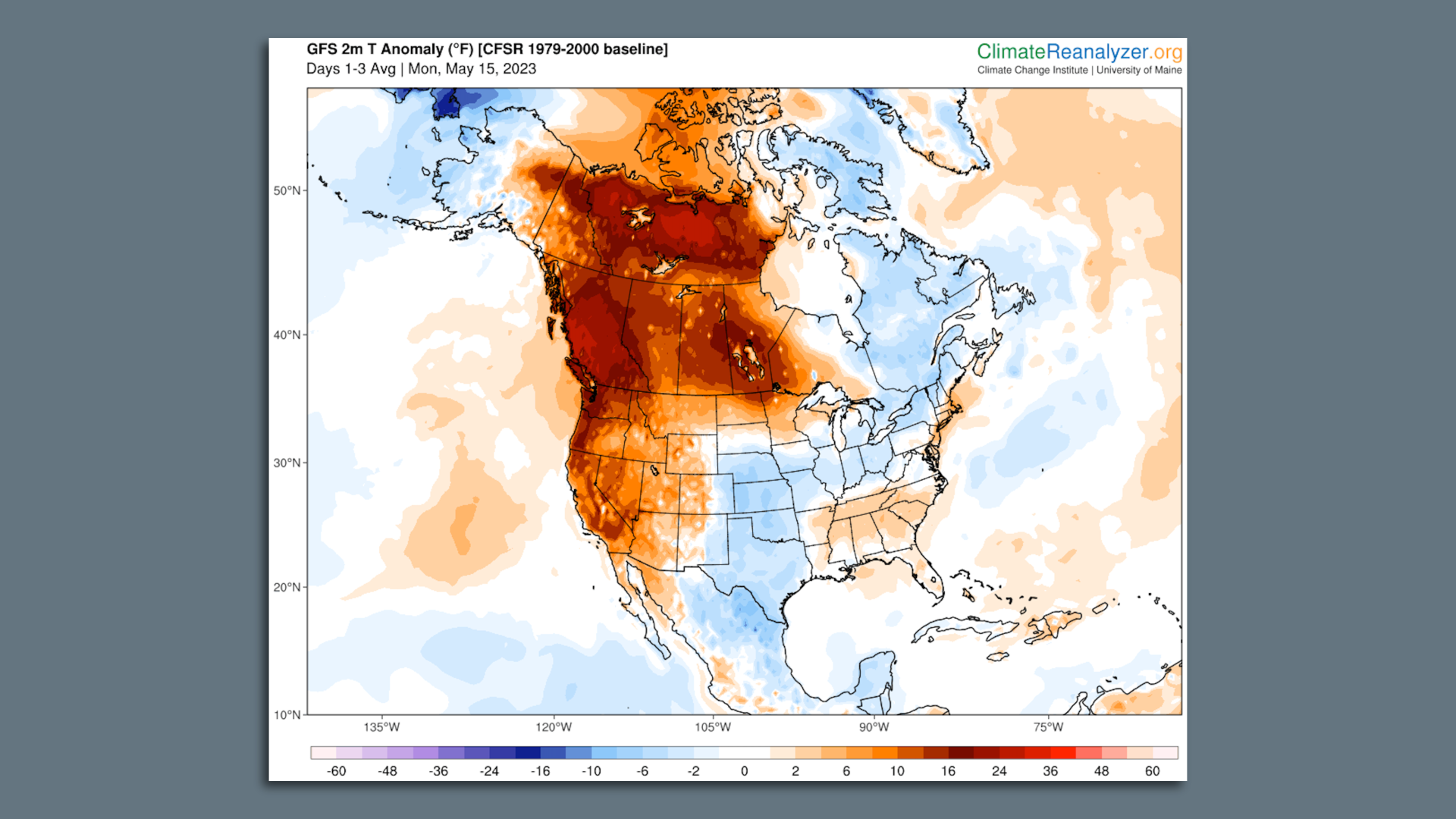
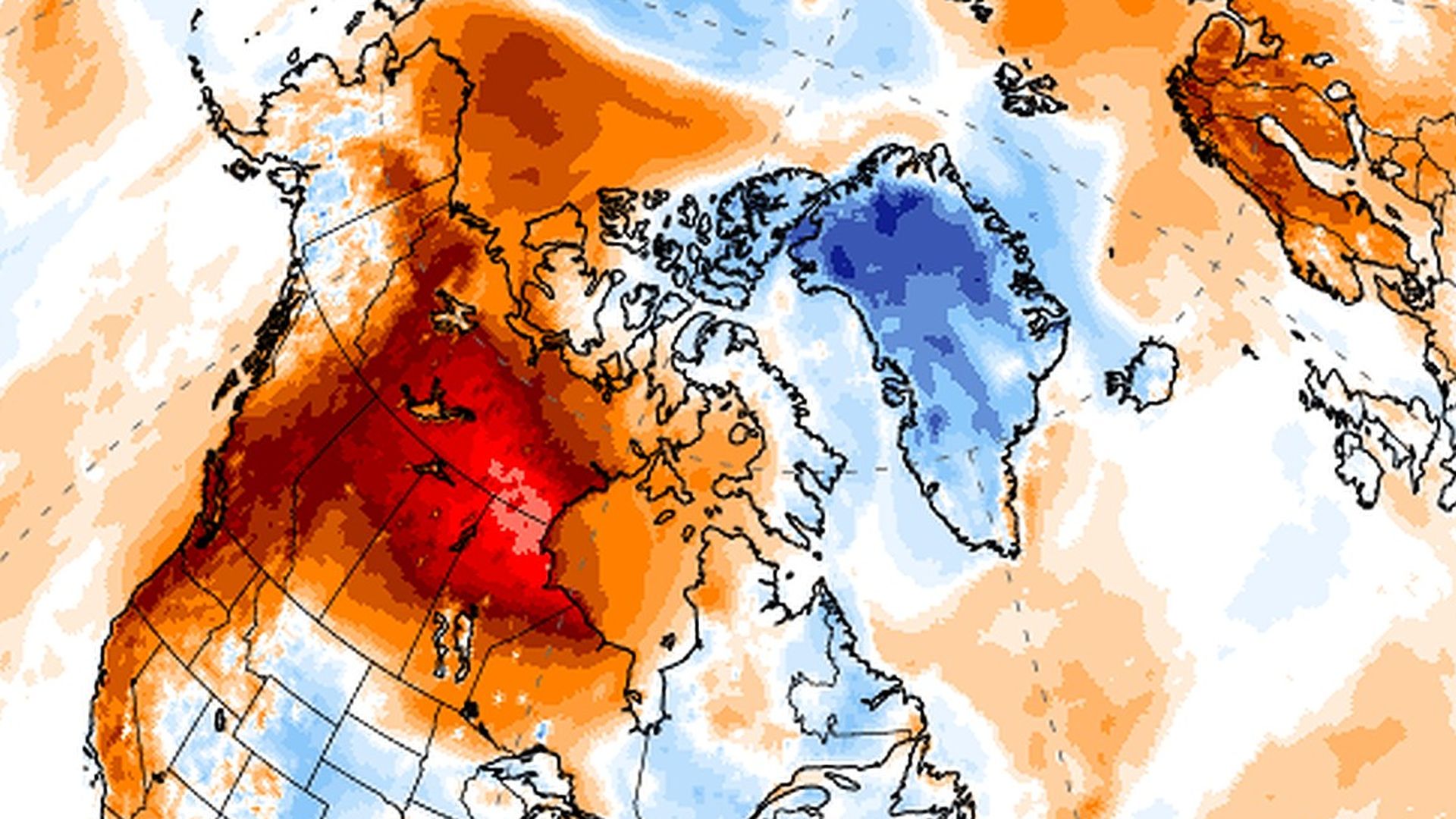
A stifling heat wave enveloping the Pacific Northwest and western Canada is expected to expand this week, threatening more temperature records.
The big picture: The weather map looks "strongly reminiscent" of late June 2021, which produced a deadly excessive heat event in the Pacific Northwest, experts say.
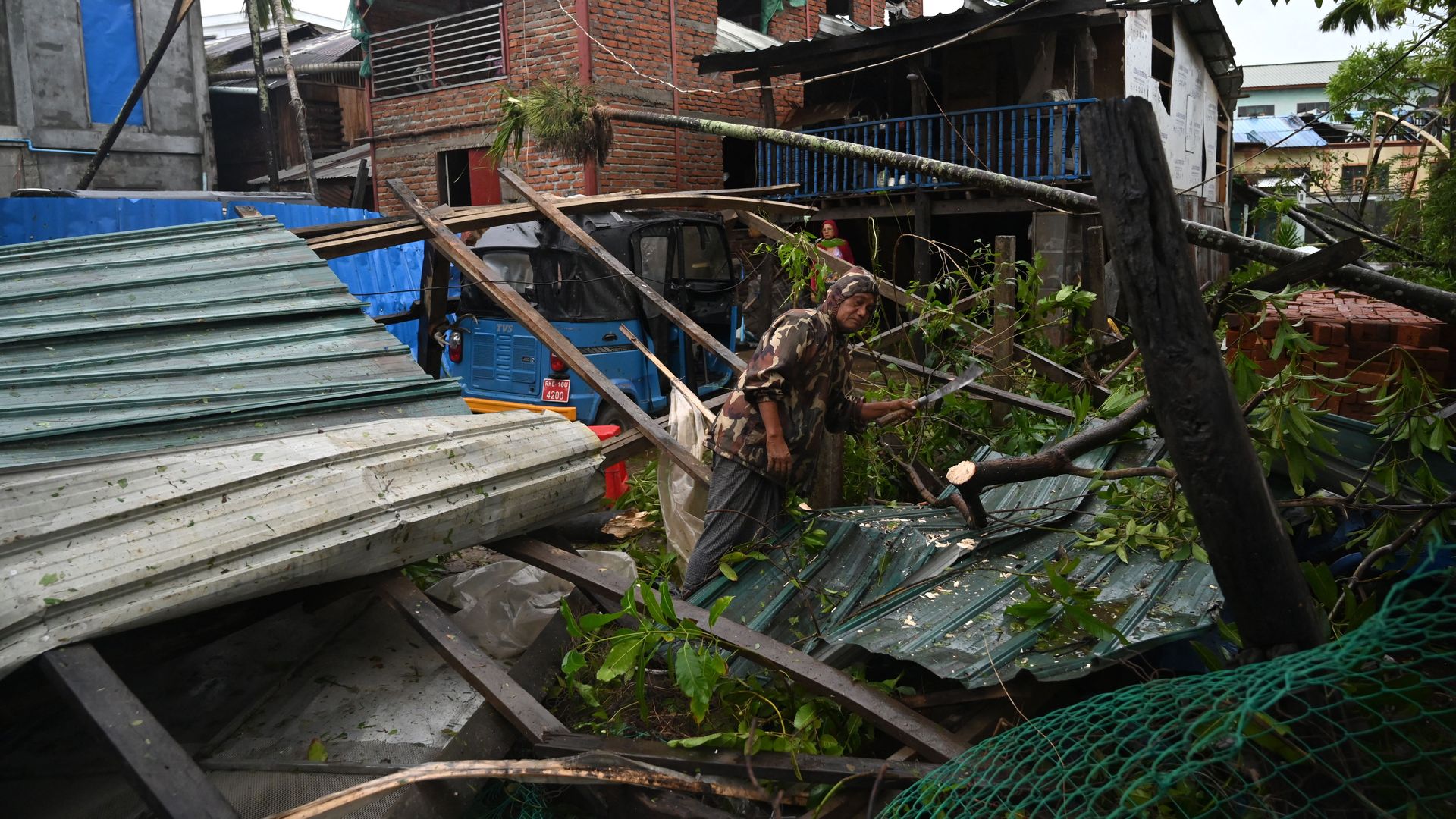
Cyclone Mocha lashed Myanmar's Rakhine state on Sunday with devastating winds and heavy rain, killing at least six people and causing extensive damage, the UN and local media reported.
The big picture: The storm, which packed maximum sustained winds of 155 mph as it moved ashore just north of the port city of Sittwe, disrupted telecommunication networks, making it hard to know the extent of the destruction. But there were early reports of "significant damage," OCHA said late Sunday local time.
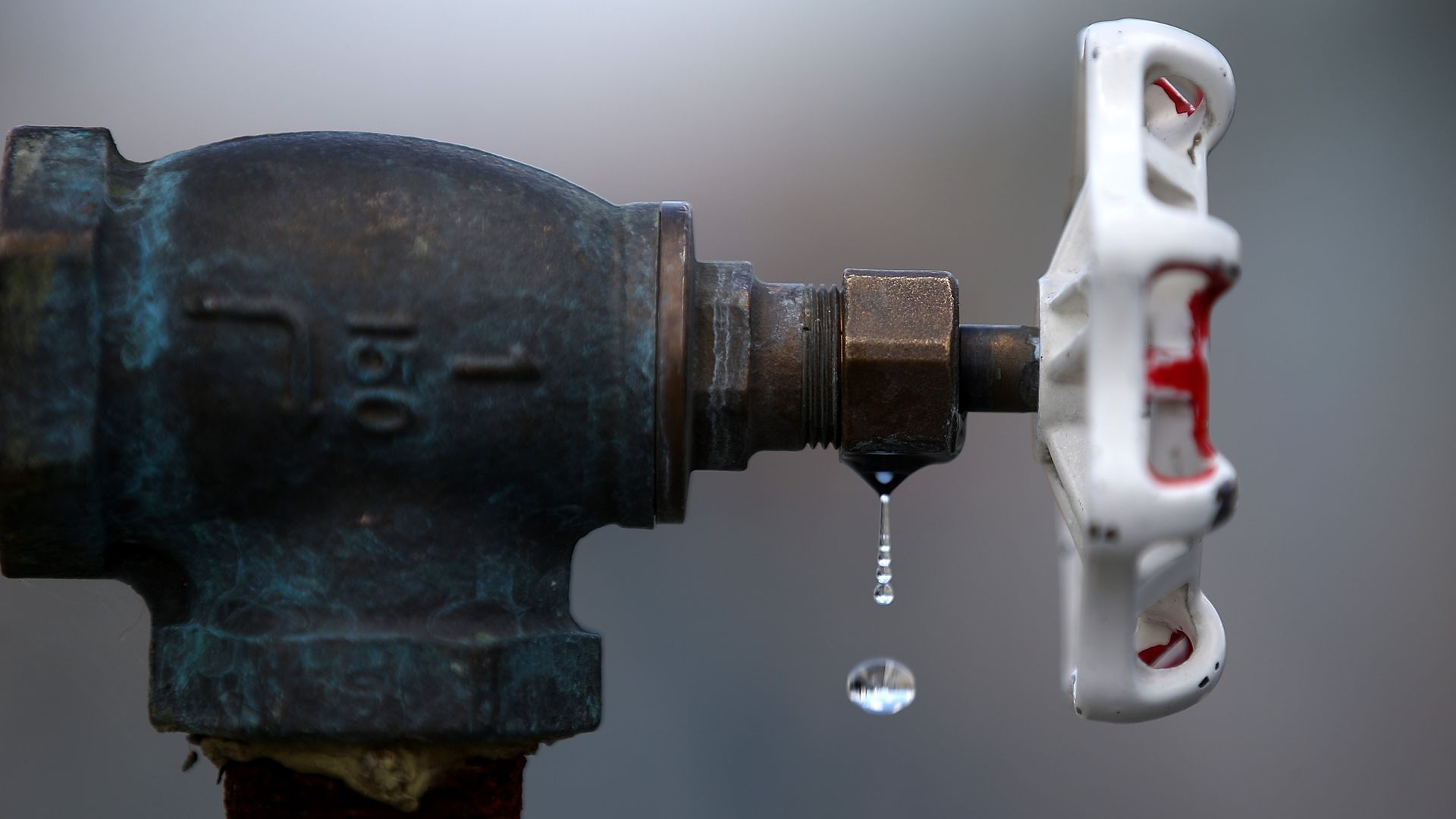
People living in Hispanic and Black communities in the U.S. are disproportionately exposed to toxic "forever chemicals" pollution in drinking water systems, according to a new public study published in the journal Environmental Science & Technology on Monday.
Why it matters: The study contributes to previous research showing that people of color and low-income communities are excessively affected by other forms of pollution, too, including fine air particulate, lead and other drinking water contaminants.
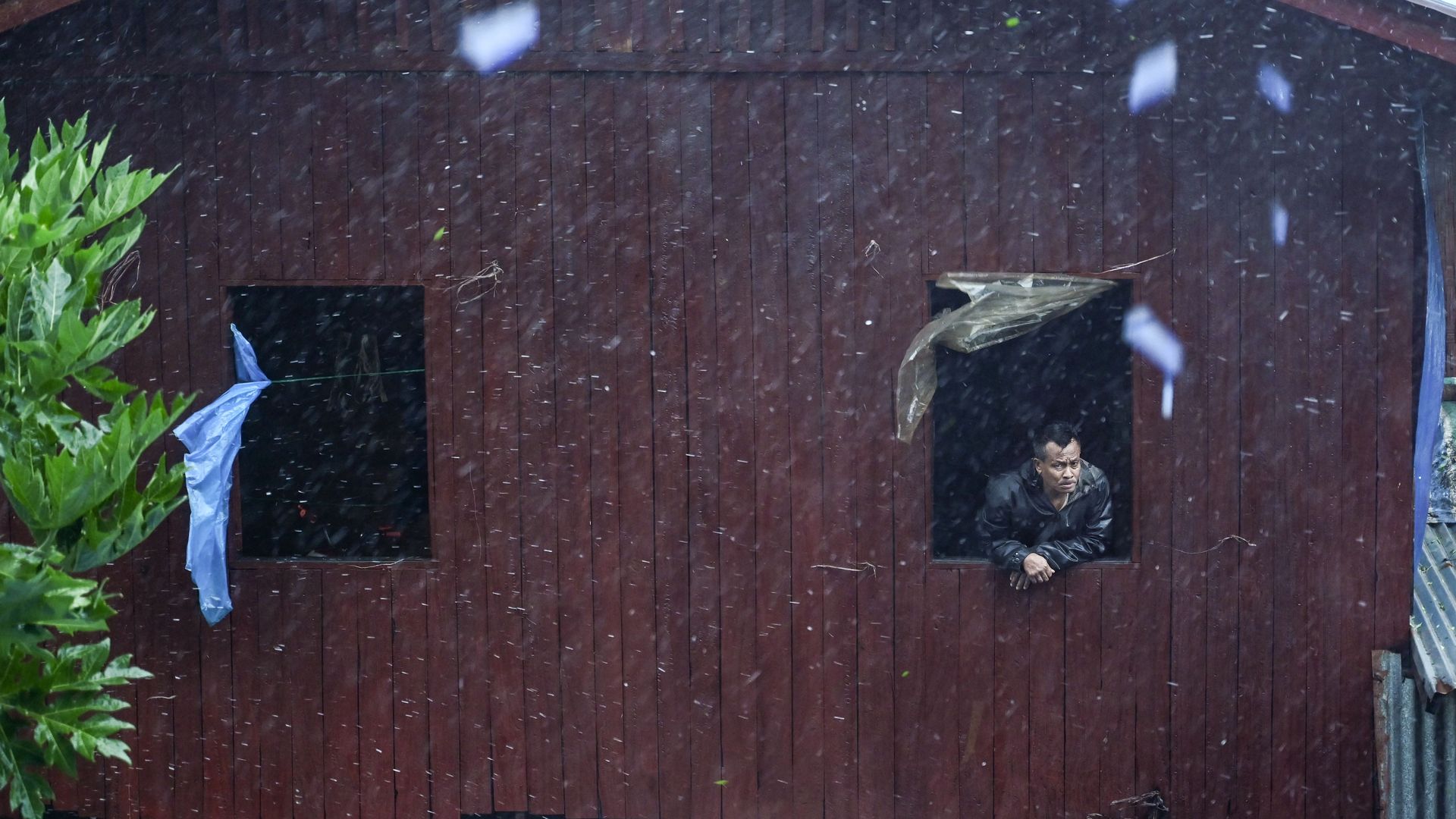
Tropical Cyclone Mocha, which struck Myanmar and Bangladesh as a high-end Category 4 storm on Sunday, is a catastrophic example of a rapidly strengthening storm — one that leaps multiple intensity categories.
Why it matters: Rapid intensification, along with higher rainfall rates, are key ways that climate change is influencing nature's strongest storms.
Nearly 11 million people in the Pacific Northwest were under heat advisories — as forecasters warned cities including Seattle and Portland could see more temperature records set Monday from the intense heat wave.