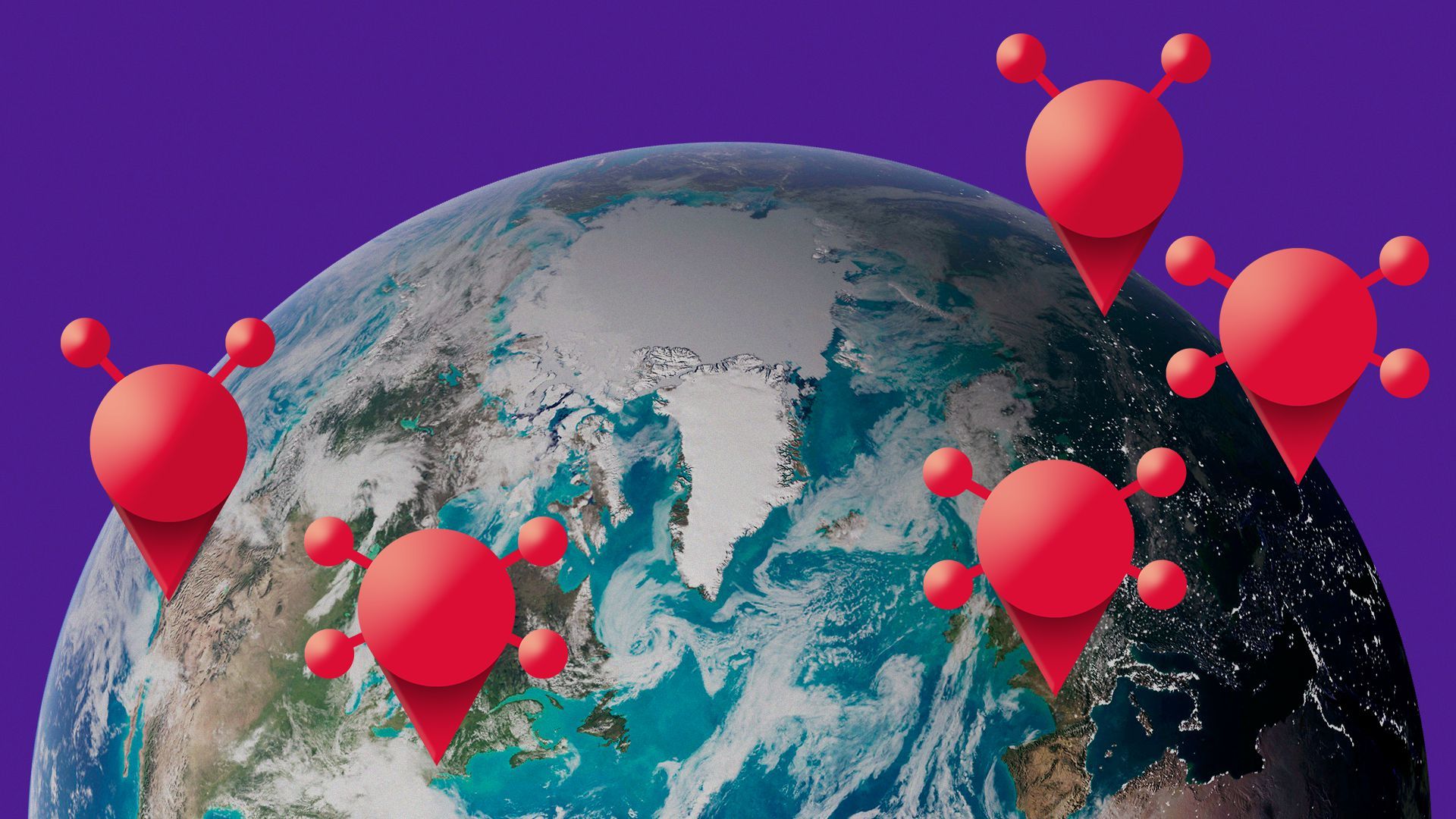
Satellites orbiting Earth are providing data to precisely point scientists, companies and governments to sources of methane — a strong greenhouse gas.
Why it matters: Cutting methane emissions could help to slow global warming in the next few decades. But efforts to reduce methane hinge on knowing where and how much of the gas is being emitted — and whether companies and governments are responding.
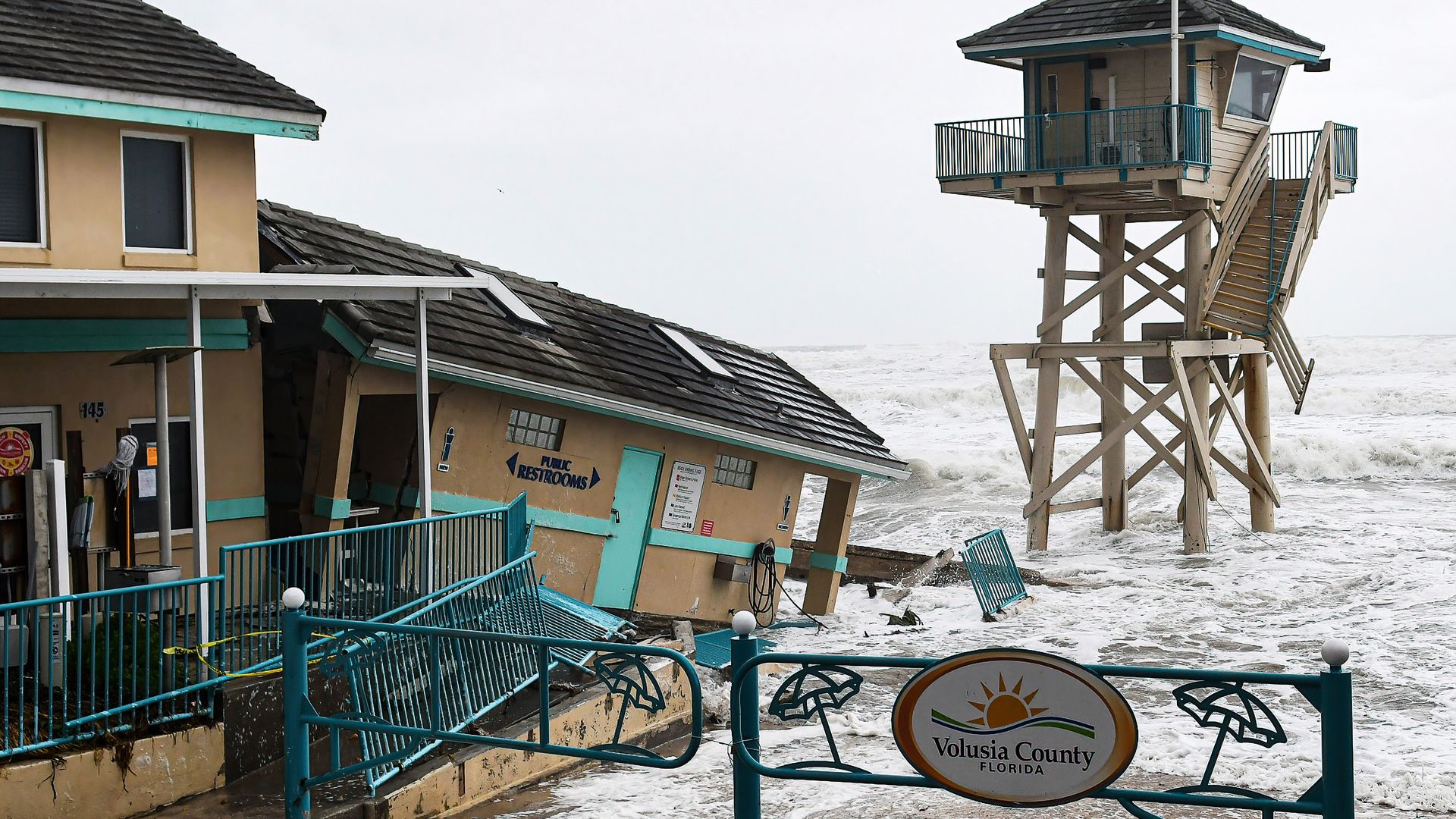
Nicole made landfall as a Category 1 hurricane on the east coast of the Florida peninsula, just south of Vero Beach, packing maximum sustained winds of 75 mph about 3am Thursday — leaving thousands without power.
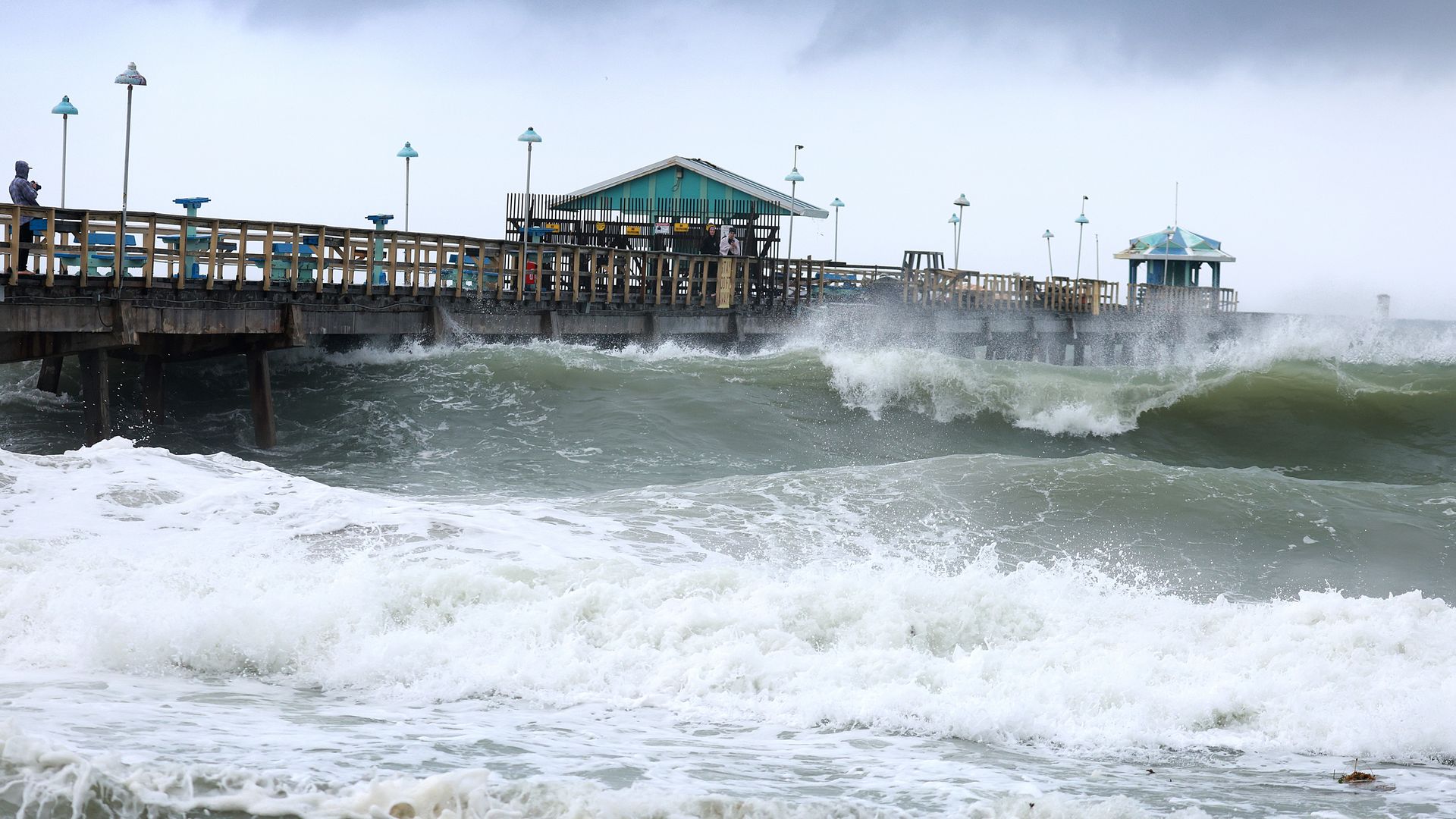
The latest: About an hour later, Nicole weakened to a still-dangerous tropical storm with maximum sustained winds of 70 mph as it moved over east-central Florida — bringing with it strong winds, powerful storm surge and waves as it dumped heavy rains across a large area, per the National Hurricane Center.
Hurricane Nicole knocked out power to thousands of customers in eastern Florida early Thursday, as the National Hurricane Center warned it would make landfall in the state "in the next couple of hours."
Threat level: The storm was bringing damaging storm surge flooding along the east coast of Florida, north to Georgia and South Carolina, along with heavy rain and damaging winds. Flooding was reported early Thursday in Port Orange and Palm Beach Shores, where a carpark was inundated with floodwaters.
A magnitude 5.6 earthquake struck Nepal's western district of Doti, triggering tremors as far away as India's capital, New Delhi, on Wednesday morning, according to the U.S. Geological Survey.
The big picture: Authorities said the quake killed four children and two adults in Doti, as rescuers dug through the rubble to search for survivors in the Himalayan nation, per Reuters.
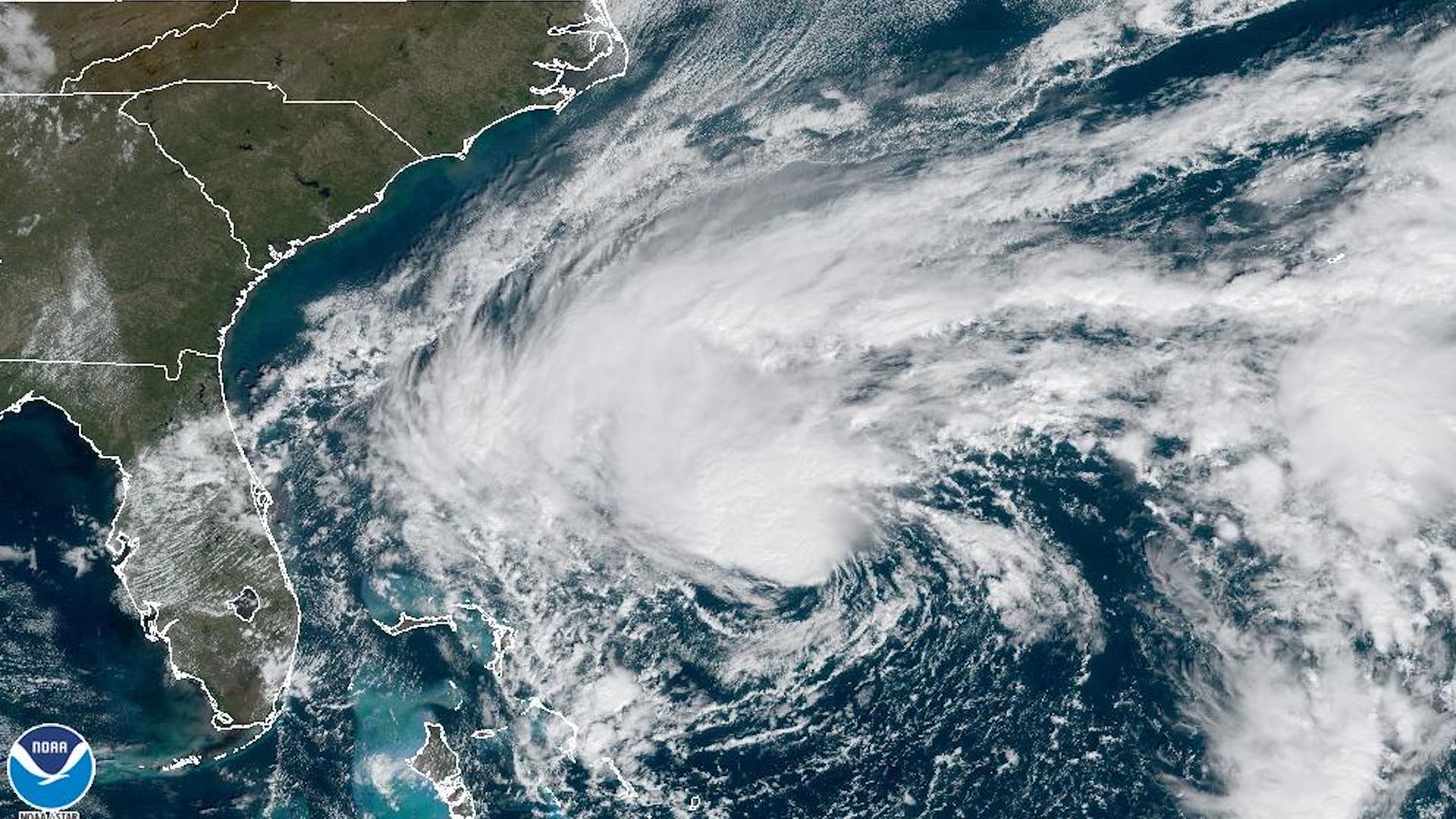
Tropical Storm Nicole, currently spinning northeast of the Bahamas, is intensifying and is forecast to strike Florida as a hurricane late Wednesday.
Why it matters: The storm's large size, combined with an area of high pressure to its north, is likely to make it a far-reaching, high-impact event with damaging coastal flooding, dangerous winds and heavy rainfall across a broad region.
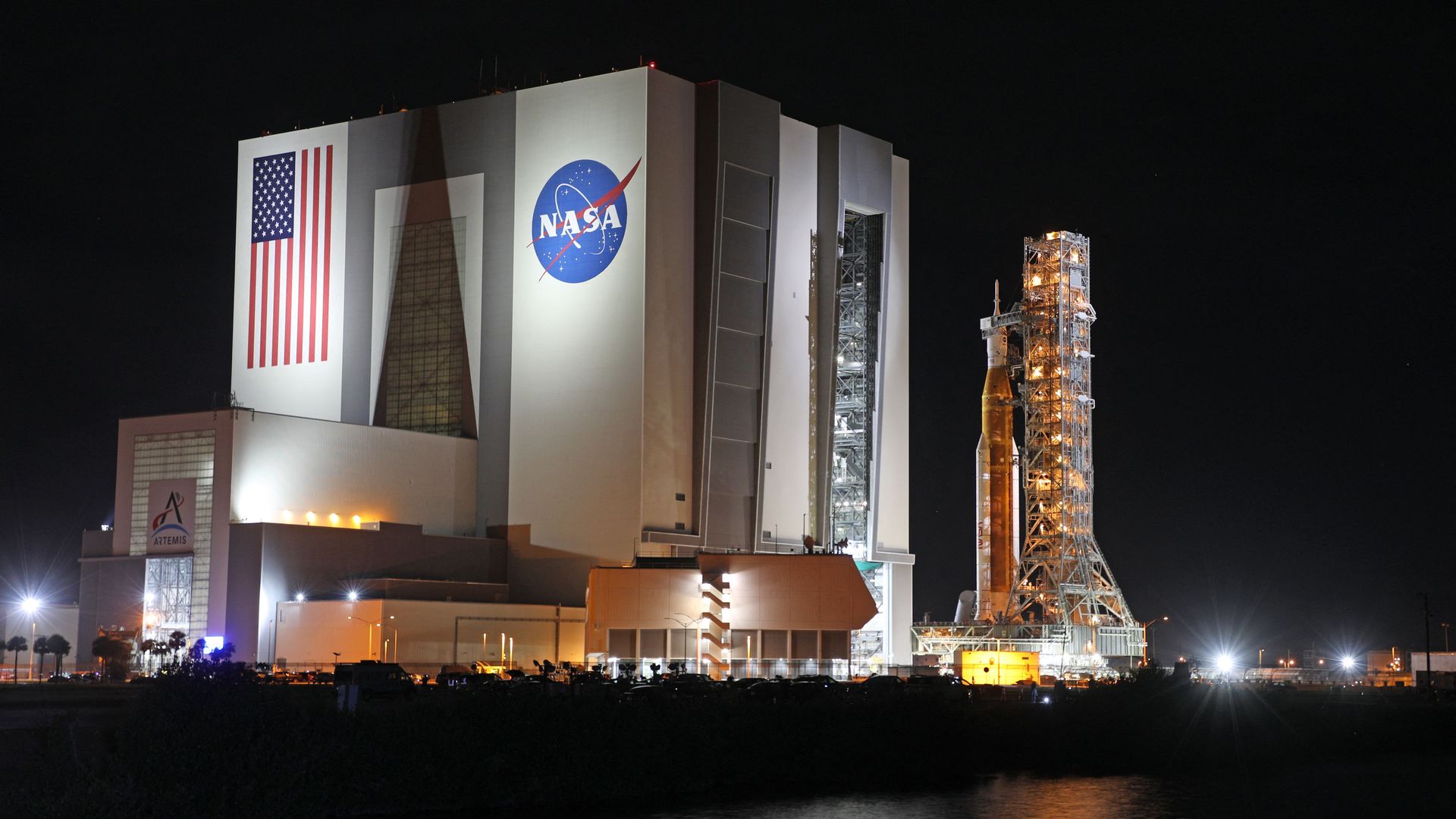
Driving the news: NASA had aimed to launch the rocket on Nov. 14, but moved that date to Nov. 16, "pending safe conditions for employees to return to work, as well as inspections after the storm has passed," per a statement from the space agency.