Ancient trees contain unique information about Earth's past — the planet's climate, the ebb and flow of civilizations, and the biology of a species' survival — that can be valuable for modeling the planet's future.
As these trees are threatened by people, pests and fire, scientists and historians are increasing calls for their protection.
Why it matters: Ancient trees and the records they carry can't be restored.
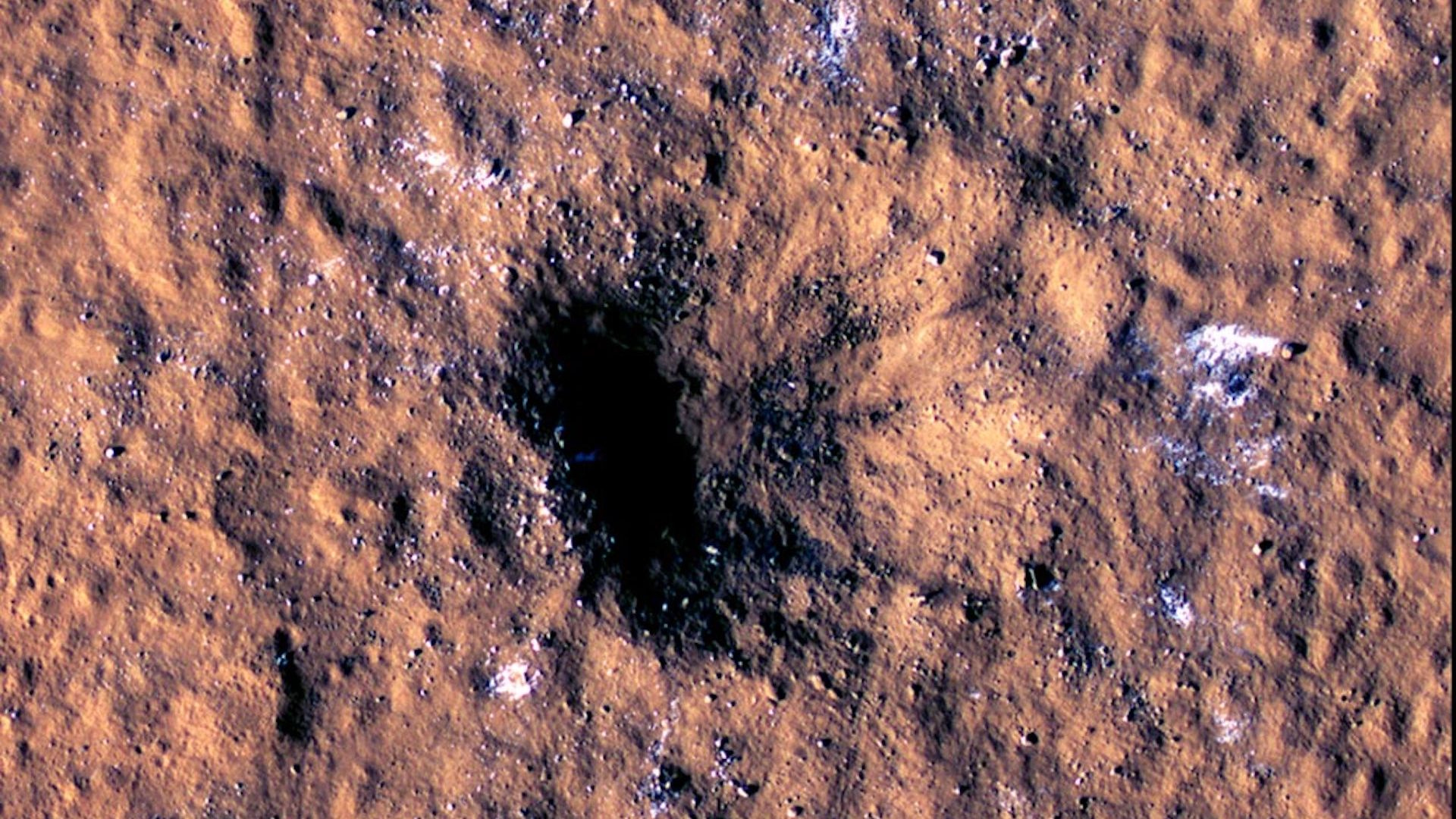
A NASA lander on Mars felt the shockwaves from a major meteor strike on the Red Planet, according to new studies published Thursday.
Why it matters: The InSight lander's observations are allowing scientists to understand and map the interior and crust of Mars with great detail, potentially revealing more about how the world and even its atmosphere may have formed.
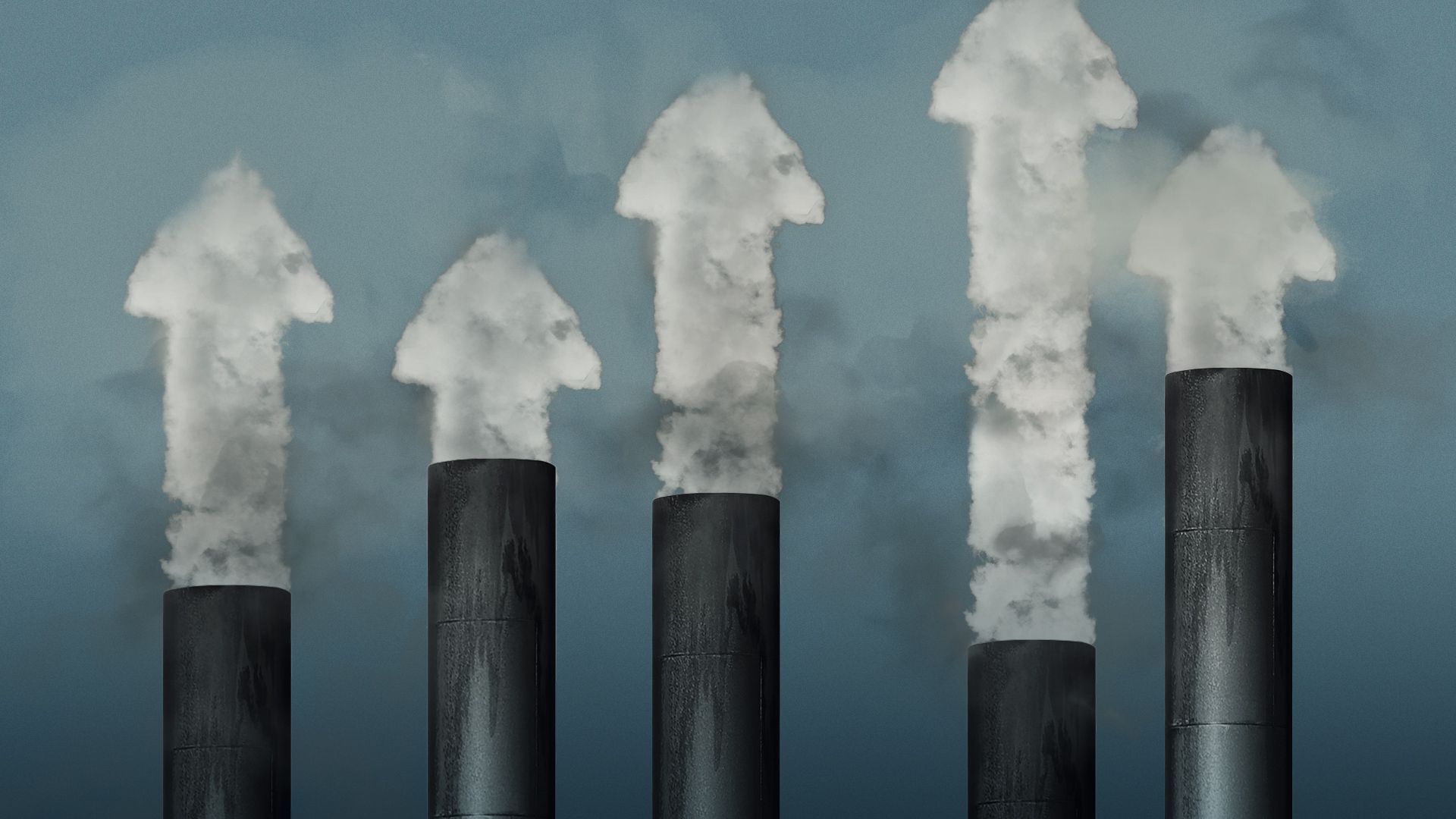
The world is hurtling toward between 2.6 and 2.8°C (5.04°F) of warming above preindustrial levels by 2100 barring major new steps, a UN analysis warns.
Why it matters: That's way beyond the 1.5°C target the Paris climate agreement set to avoid the most disastrous impacts of climate change.
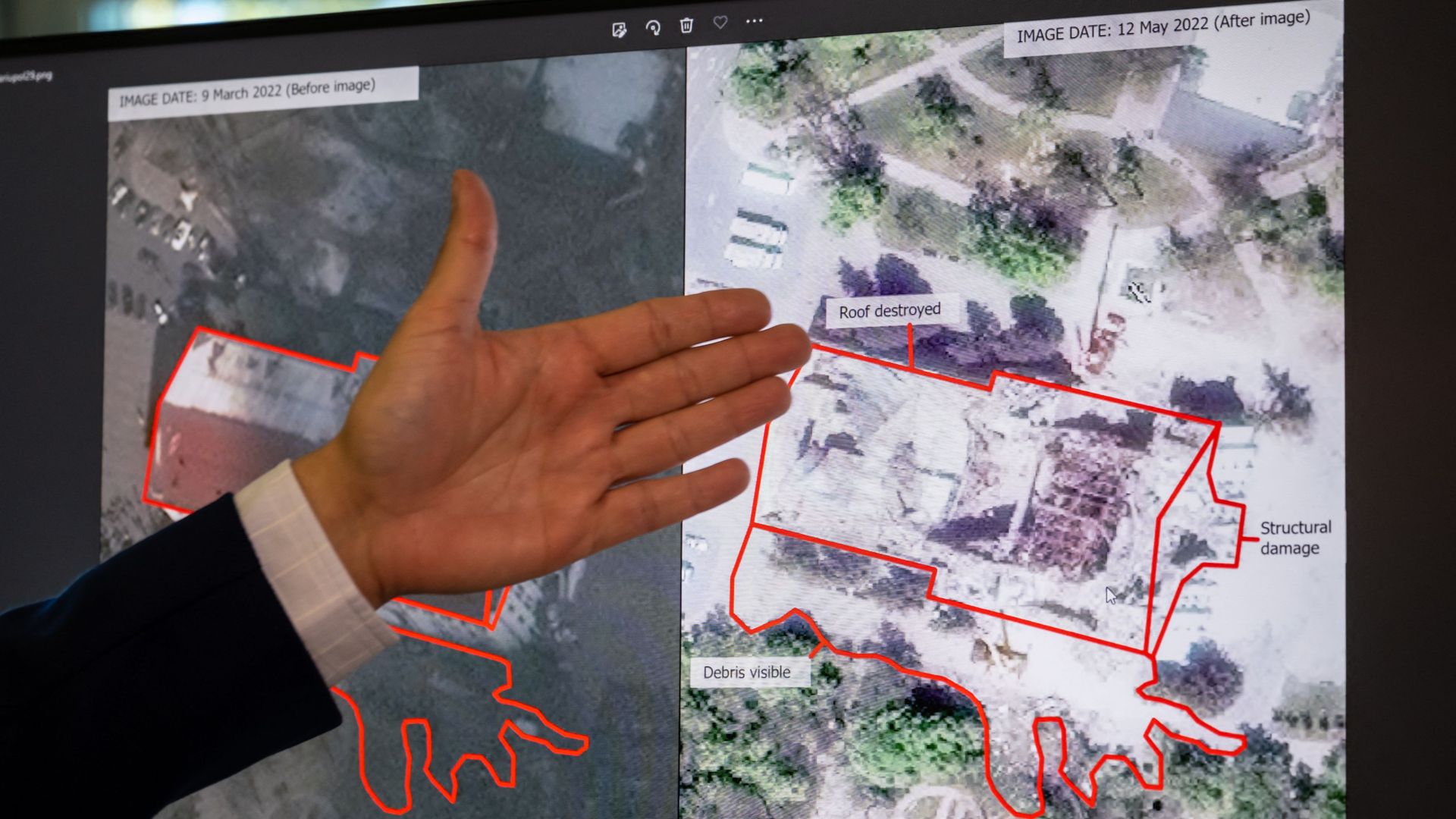
United Nations agencies are analyzing satellite imagery to document the destruction of Ukraine heritage sites since Russian forces launched their invasion last February.
By the numbers: The UN Satellite Center and UNESCO have verified damage to 207 sites, per an initial list published ahead of the release of a public tracking platform showing before-and-after satellite images of damaged Ukrainian cultural sites.
Lowercase Capital and Lowercarbon Capital founder Chris Sacca is souring on hydrogen startups and direct air capture, instead leaning toward startups that accelerate natural forms of carbon capture, he said at the Axios BFD event Wednesday.
Why it matters: Lowercarbon is one of the most active investors in climate tech and can help accelerate investment from other groups when it stakes its claims.
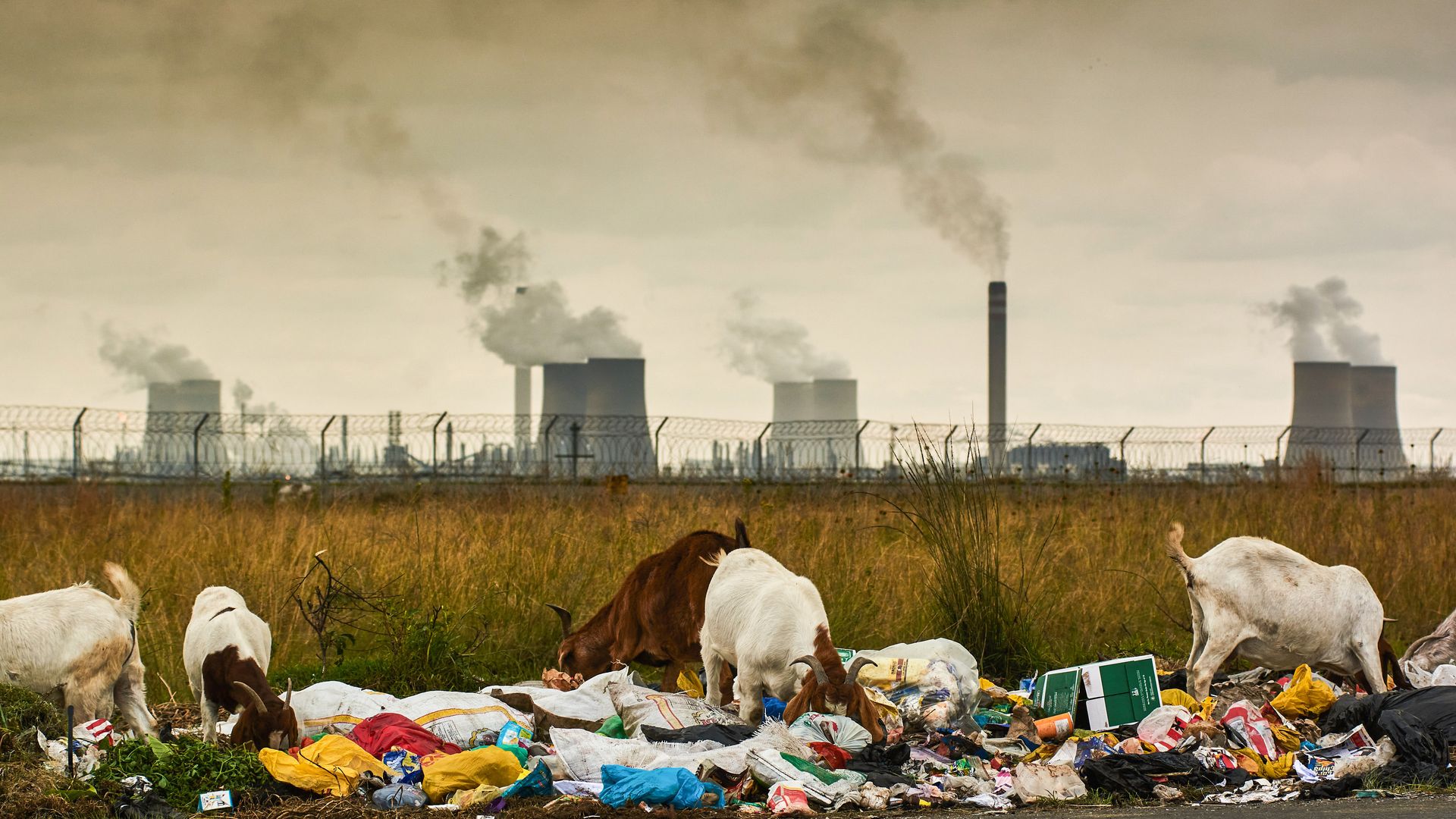
Fossil fuel "addiction" is rapidly worsening climate change as the related effects of extreme weather leave 98 million people facing severe food insecurity and heat-related deaths surge, a new report warns.
The big picture: The burning of fossil fuels including coal, oil and natural gas that cause toxic air pollution kills some 11,800 Americans and about 1.2 million people globally every year, according to the report, published in the medical journal The Lancet Tuesday ahead of next month's UN Cop27 climate summit in Egypt.