Scientists say it's time to take the threats posed by asteroids seriously and prepare for the possibility that one could be found on a collision course with Earth.
Why it matters: Asteroid strikes are rare, but the danger posed by even a relatively small one impacting Earth over a populated area could be serious, and it might be harder to spot these hazardous space rocks in the future.
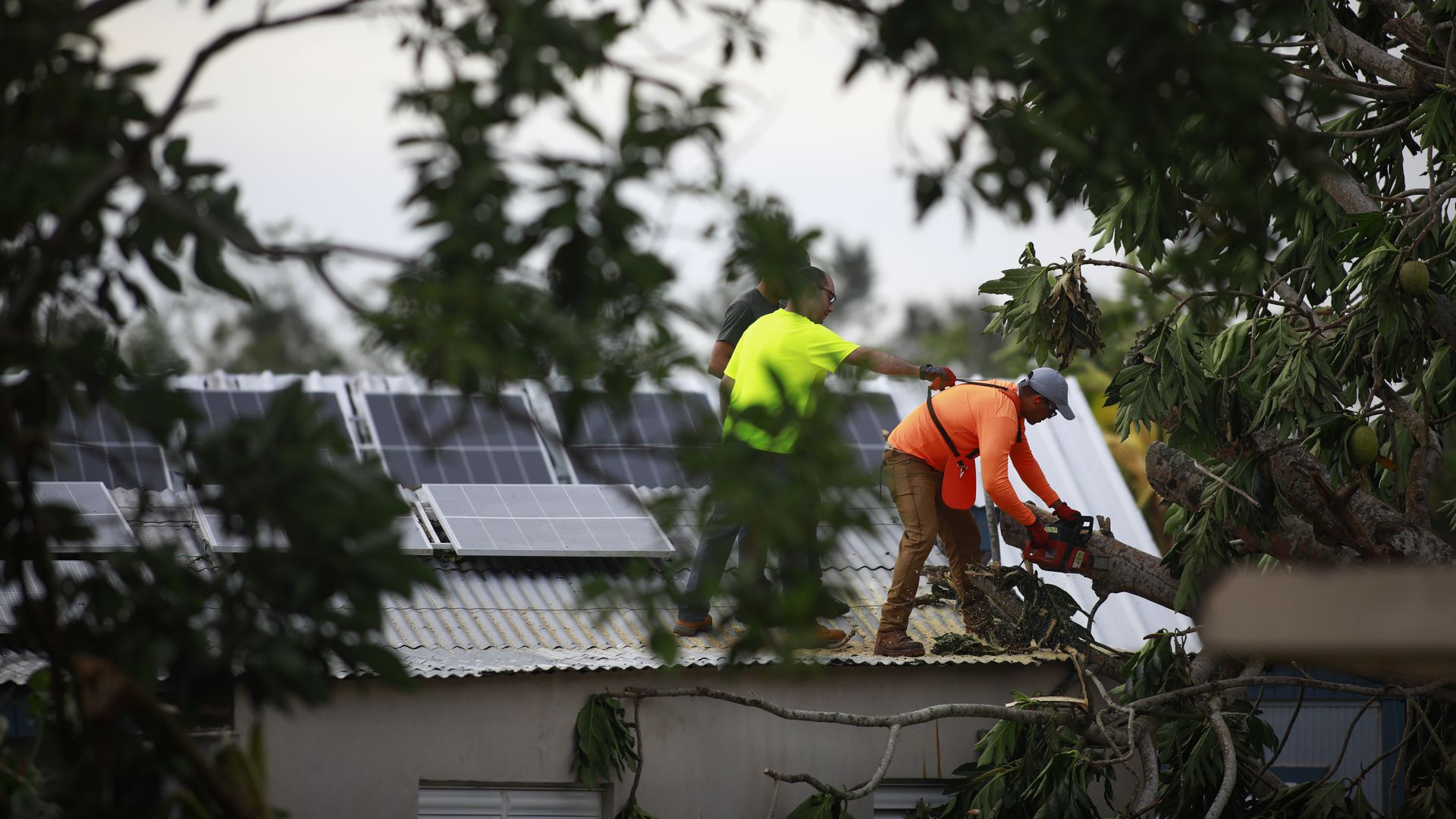
Puerto Ricans are scrambling to figure out how — or whether — to rebuild after yet another major disaster.
State of play: About 33%of homes and businesses were still without power Tuesday morning — more than a week after Hurricane Fiona hit, according to Luma Energy, the island's grid operator. Thousands still don’t have running water.
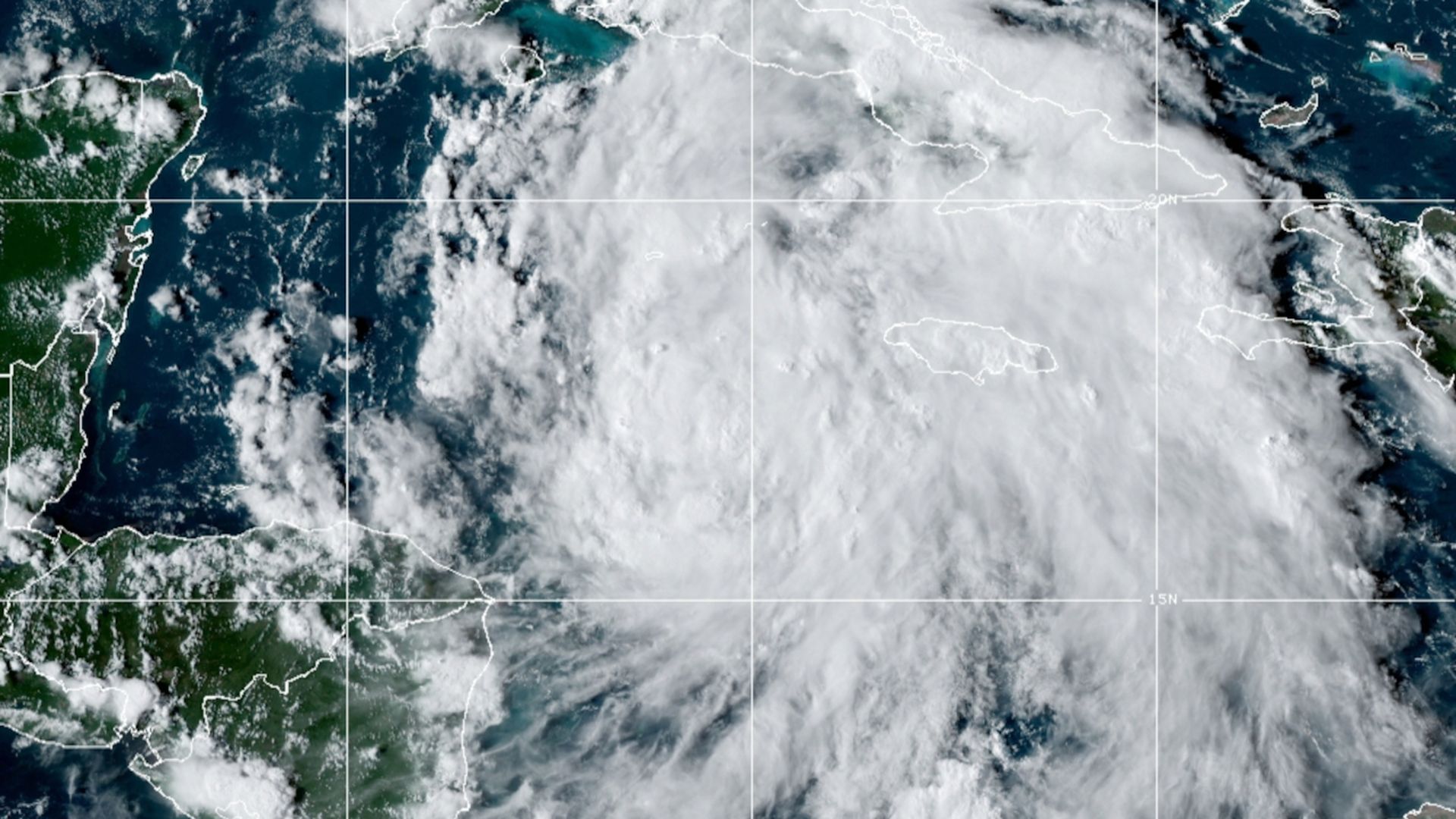
Ian strengthened into a Category 3 major hurricane just before making landfall over western Cuba on Tuesday morning, according to the National Hurricane Center.
State of play: The now-major hurricane continued to strengthen after making landfall in Cuba with maximum sustained winds of 125 mph, the NHC said in a 4:30am tweet. The storm's outer rain band began on Monday night lashing coastal areas of Florida, where it could hit as a Category 4 hurricane as early as Wednesday.
The eyewall Hurricane Ian was nearing Cuba early Tuesday as Florida was lashed with the outer bands of the Category 2 storm — which the National Hurricane Center warns could rapidly intensify into a Category 4 by midweek.
State of play: Ian was packing maximum sustained winds of 110 mph some 85 miles east of the western tip of Cuba at 2am Tuesday — just 1 mph off being classified as a major hurricane. There's a "danger of life-threatening storm surge" along much of the Florida west coast," the NHC said.
Hurricane Ian triggered evacuation orders across much of Florida’s Gulf Coast as the storm's outer bands unleashed heavy rains across the region on Monday night ahead of expected "life-threatening" storm and flooding by midweek.
Why it matters: Ian's expected to intensify further as it passes near or over western Cuba Tuesday while tracking toward Florida.
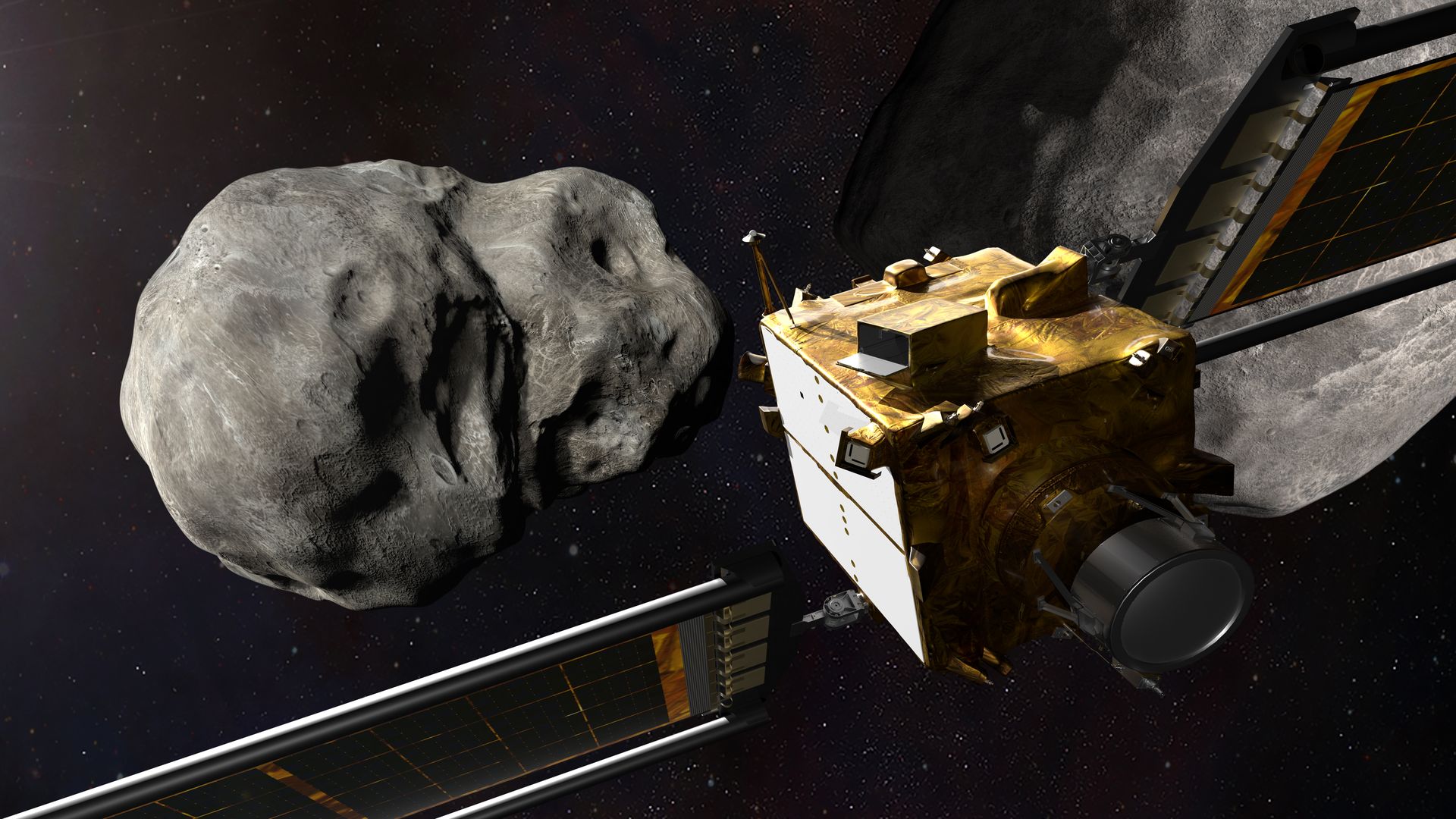
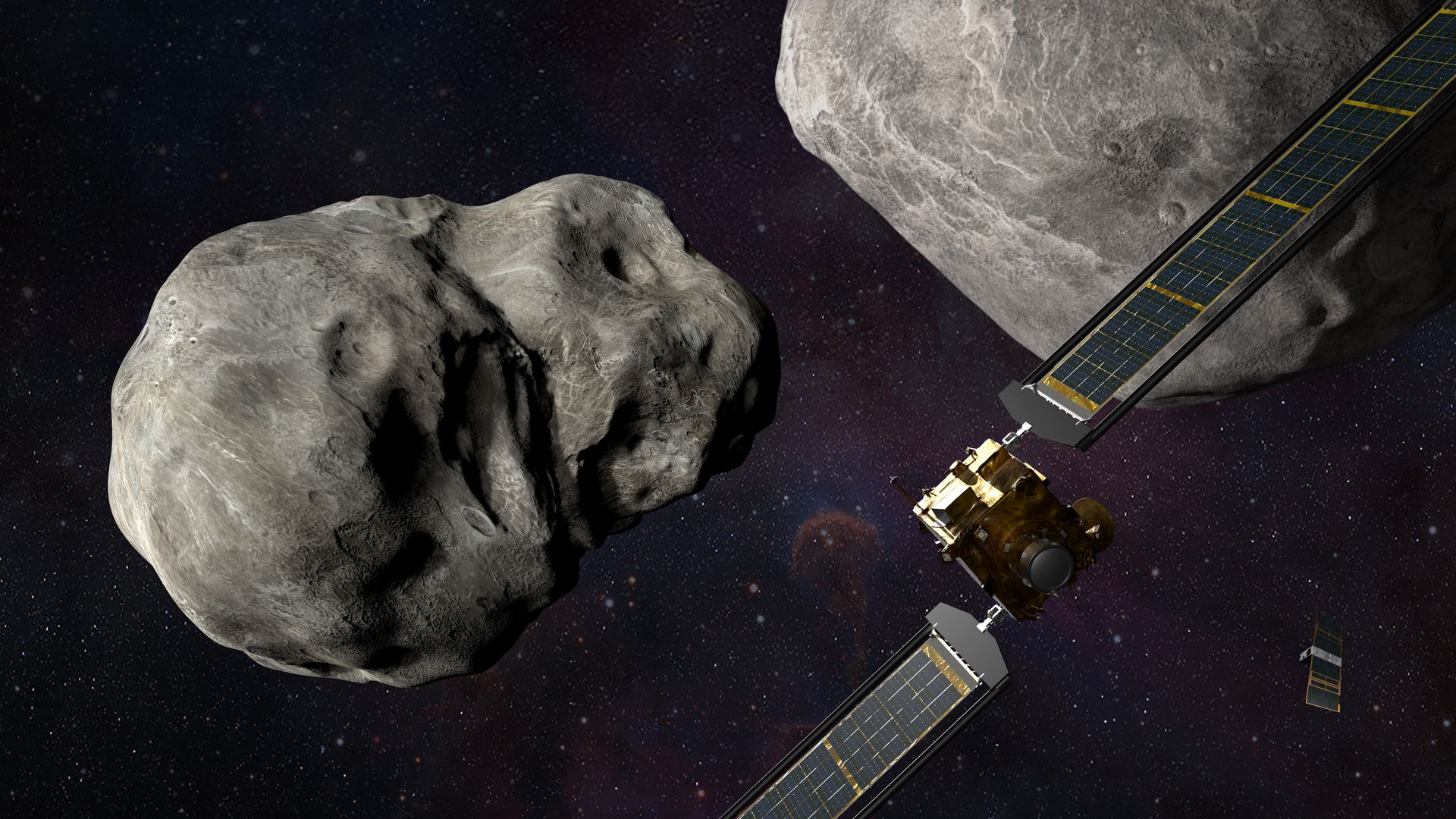
NASA deliberately crashed a spacecraft into a small, nonthreatening asteroid on Monday in an experiment to change the space object's orbit around a larger space rock.
Why it matters: The first-of-its-kind mission — called the Double Asteroid Redirection Test (DART) — was designed to determine whether the technology could one day be used to defend Earth from hazardous asteroids or comets by deflecting them off their collision course with the planet.
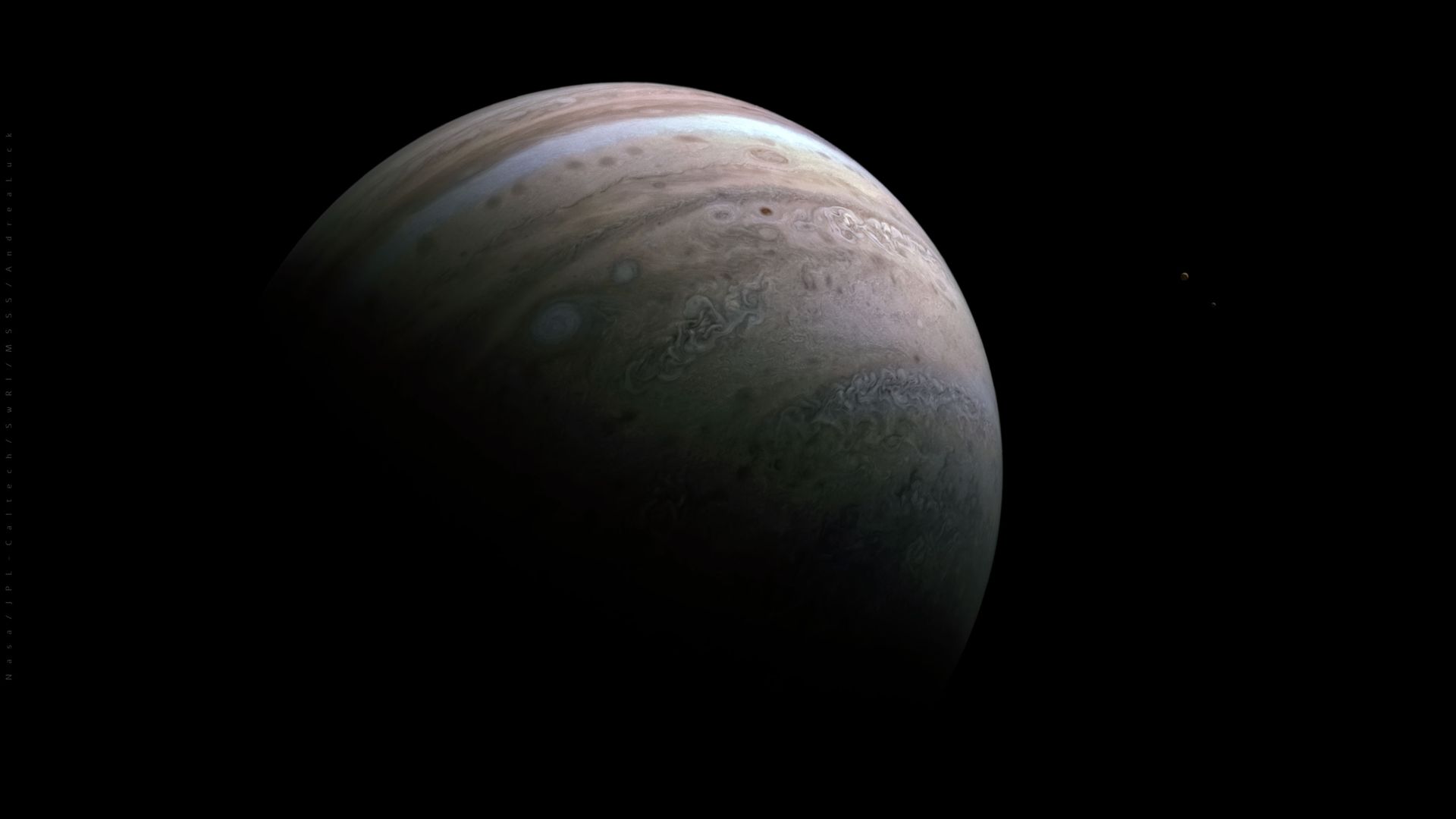
Jupiter will make its closest approach to Earth since 1963 on Monday, coming about 367 million miles from our planet, according to NASA.
Why it matters: The event will coincide with the gas giant's "opposition," when it orbits to the opposite side of Earth from the Sun. It will appear larger and brighter than any other time of year.
NASA is set to slam a spacecraft into a little asteroid on Monday evening in an attempt to redirect it.
Why it matters: The first-of-it-kindmission — called DART — marks the first true test of whether or not NASA will one day be able to push a potentially dangerous asteroid off a collision course with Earth if the need should ever arise.