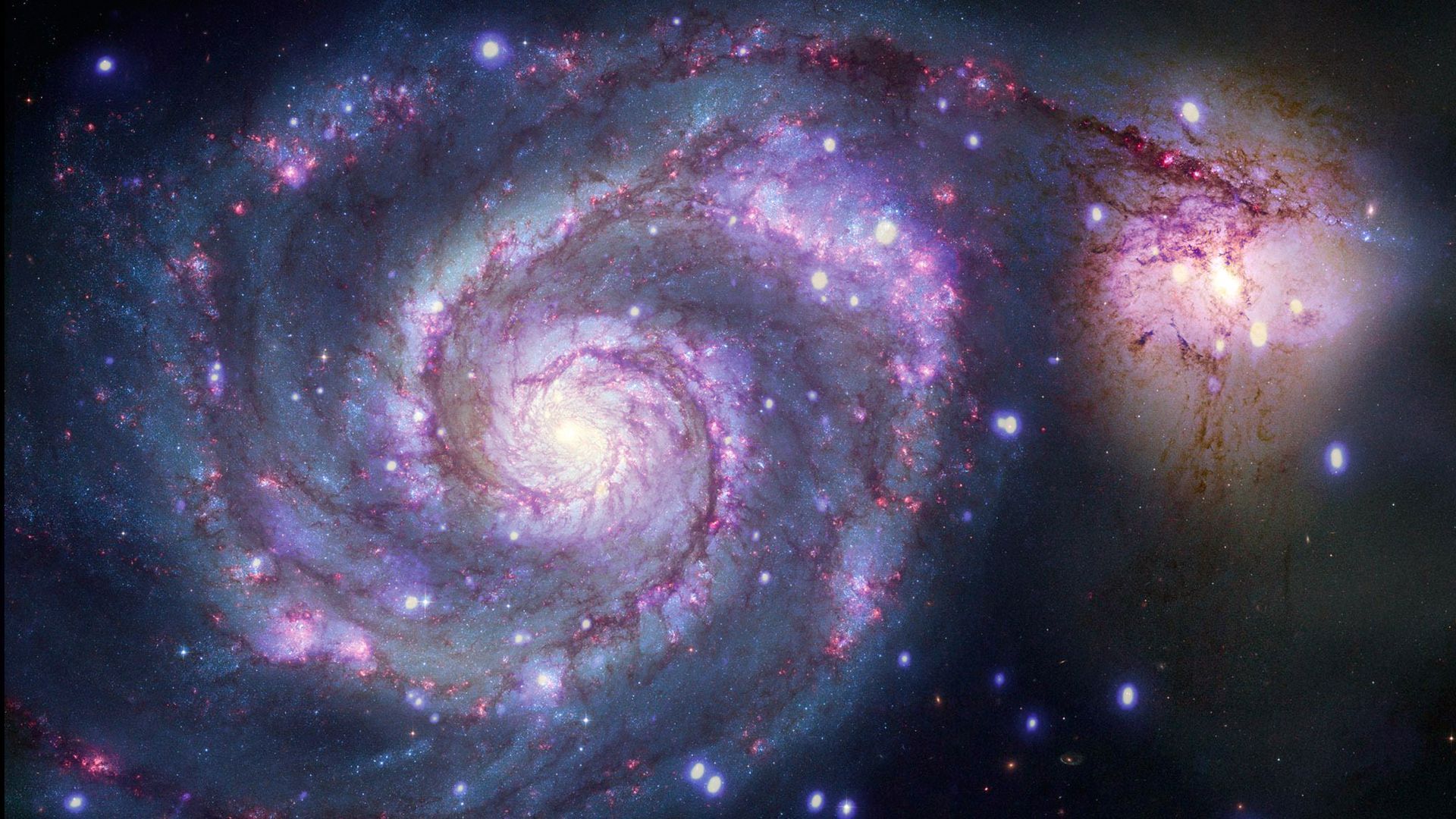
A debate is raging about whether a revolutionary telescope should be named for a former NASA administrator accused of being involved in the ousting of members of LGBTQ+ communities from their federal jobs during the 1950s and 1960s.
Why it matters: Astronomy has been reckoning with a history of discrimination and harassment for years. The naming of the field's soon-to-be-launched flagship telescope — which will bring generations of astronomers new data — also helps set the tone for the next era of space science.
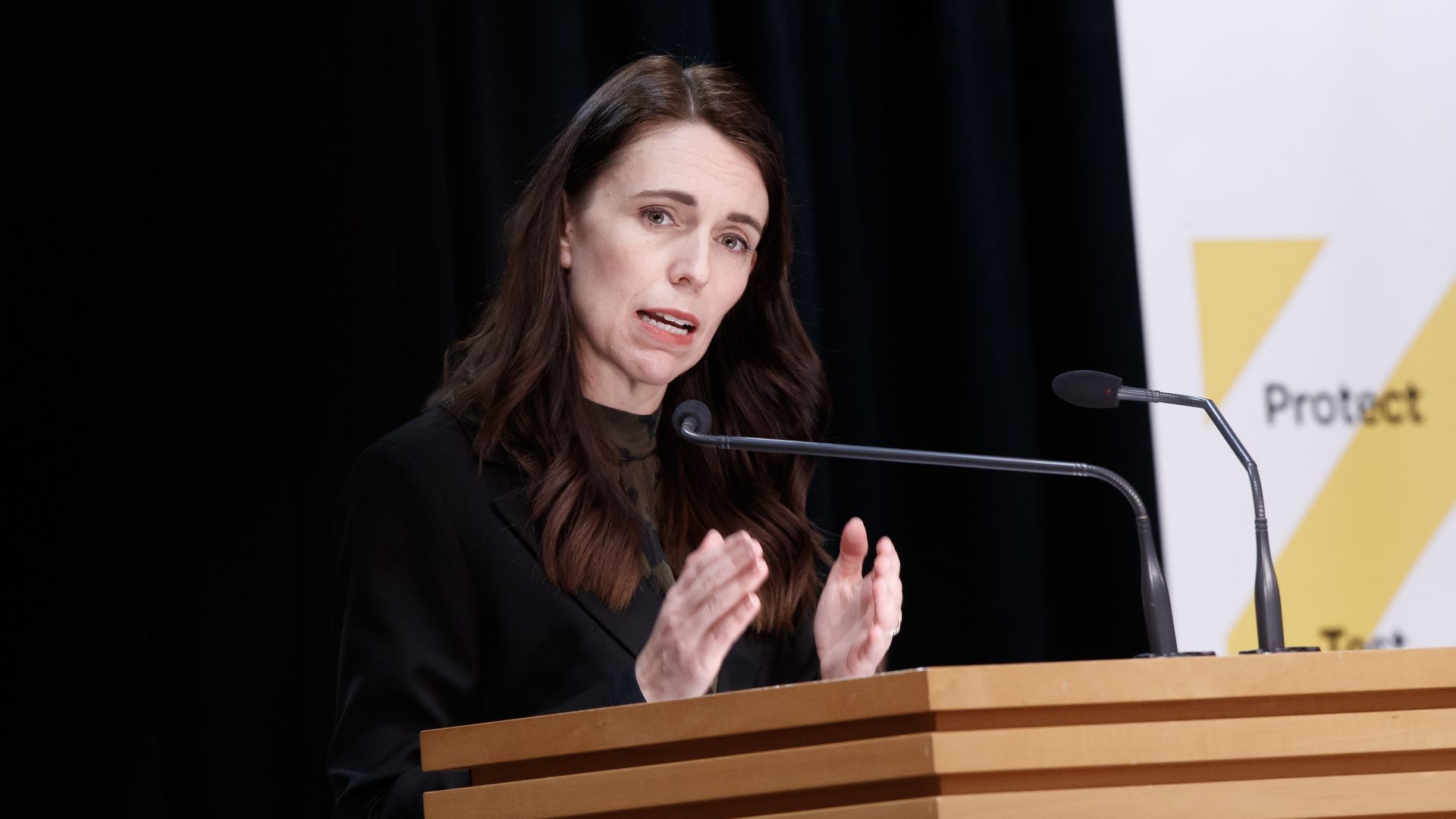
New Zealand Prime Minister Jacinda Ardern on Tuesday announced a COVID-19 vaccine mandate for businesses, as the government pushes to reach a nationwide 90% vaccination target.
Why it matters: Under the new COVID-19 Protection Framework, businesses must require vaccine certificates from customers if they're in close contact with them. Ardern said at a briefing Tuesday that such venues wishing to operate, including hair salons, bars, restaurants and gyms, must ensure staff is vaccinated.
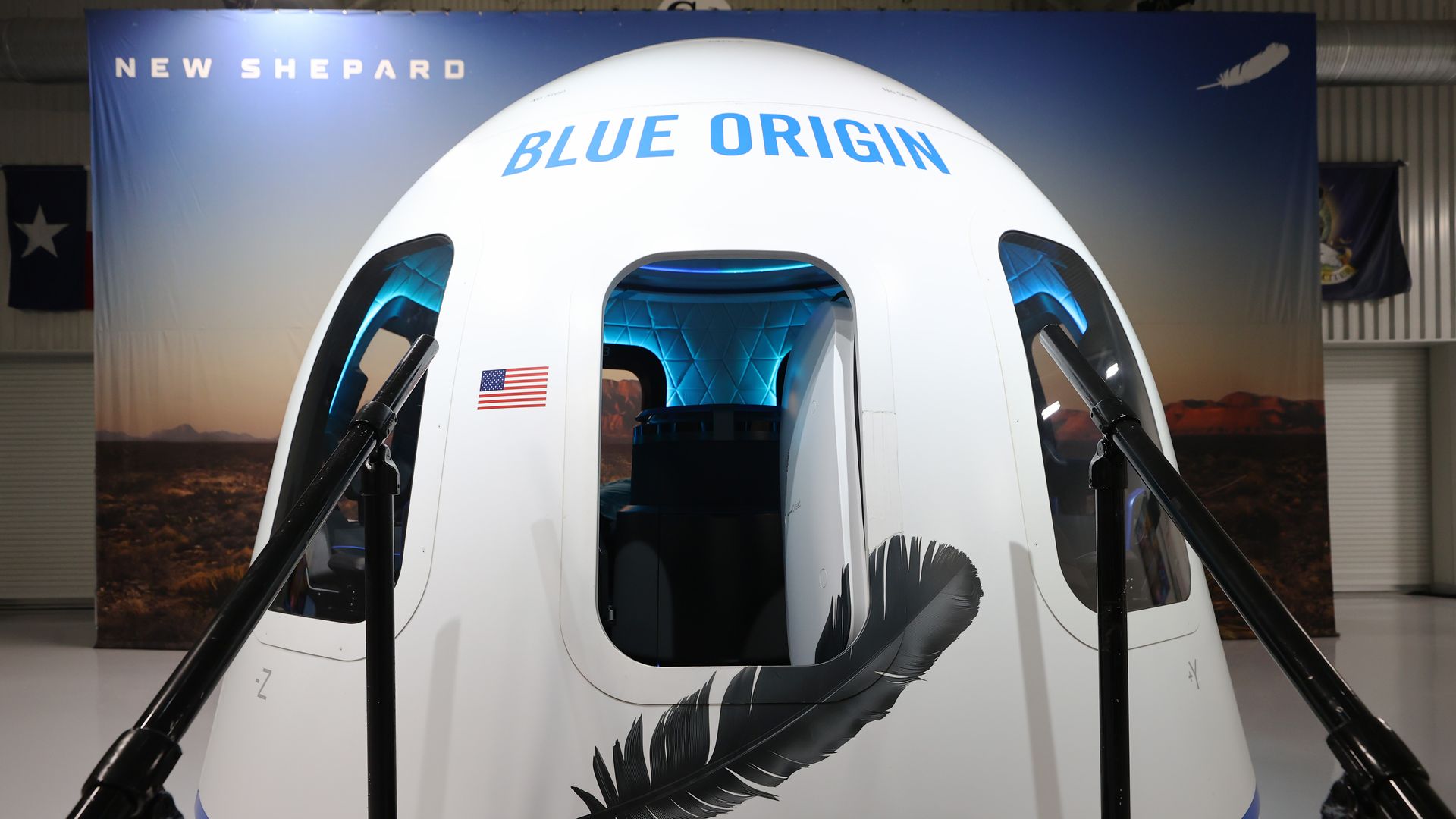
Jeff Bezos' Blue Origin on Monday unveiled plans to develop a commercial space station called "Orbital Reef."
Why it matters: The private space station, which will be nearly as large as the International Space Station, would be the first of its kind and comes amid growing interest in the private space industry.
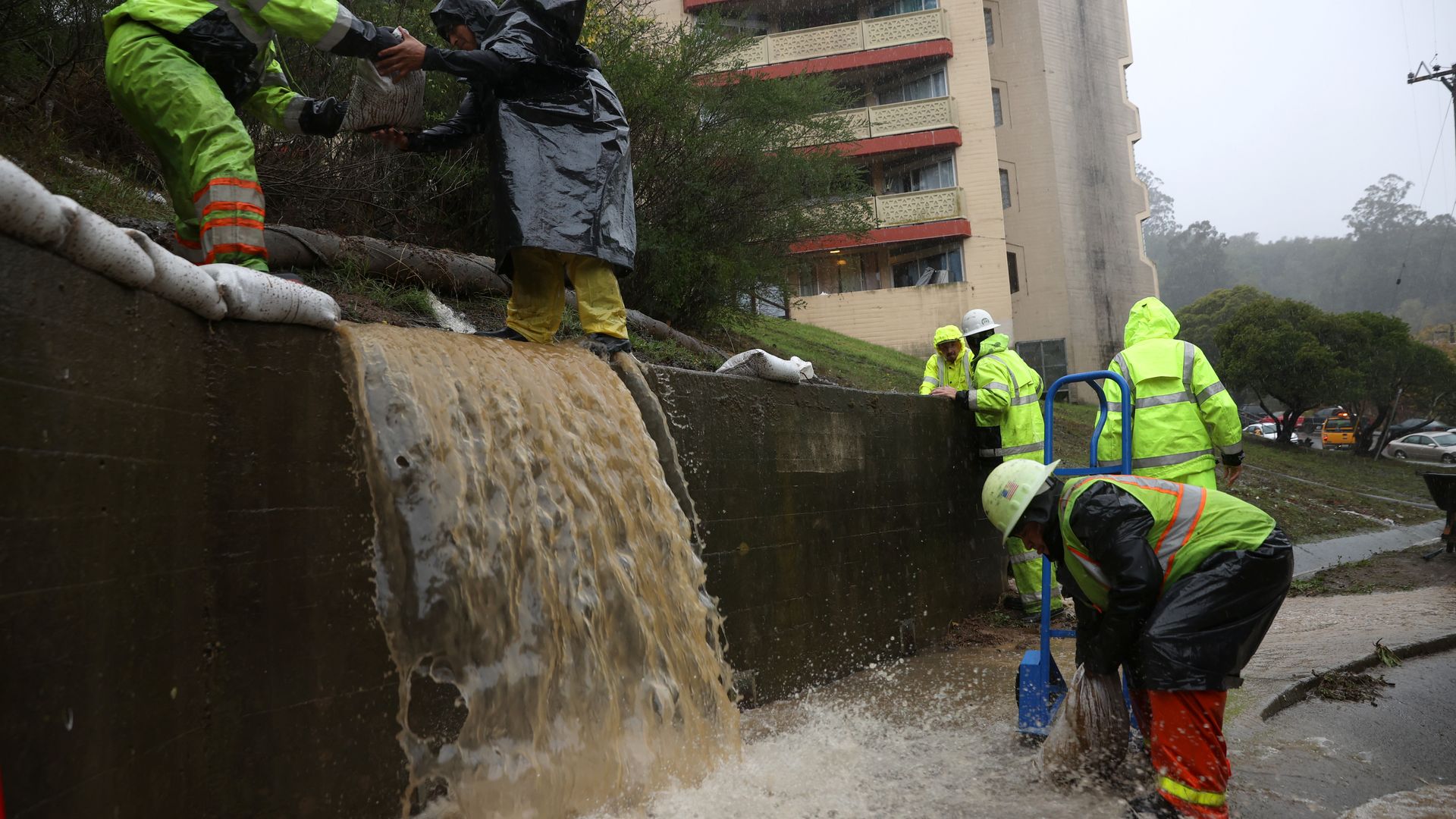
The extreme atmospheric river pummeling parts of Northern California — attached to a record strong bomb cyclone, no less — may be a poor indicator of how this winter will treat the West.
Why it matters: With much of the West locked in the first climate change-related megadrought, with an especially pronounced dry period since 2020, hopes are pinned on the rain and mountain snow that could fall during the wet season.
The big picture: The "atmospheric river" storms, associated with a record-strong "bomb cyclone" offshore from the Pacific Northwest, have brought flooding and mudslides to parts of California that were razed by recent wildfires and in severe drought. It's also caused widespread power outages in California and Washington state.
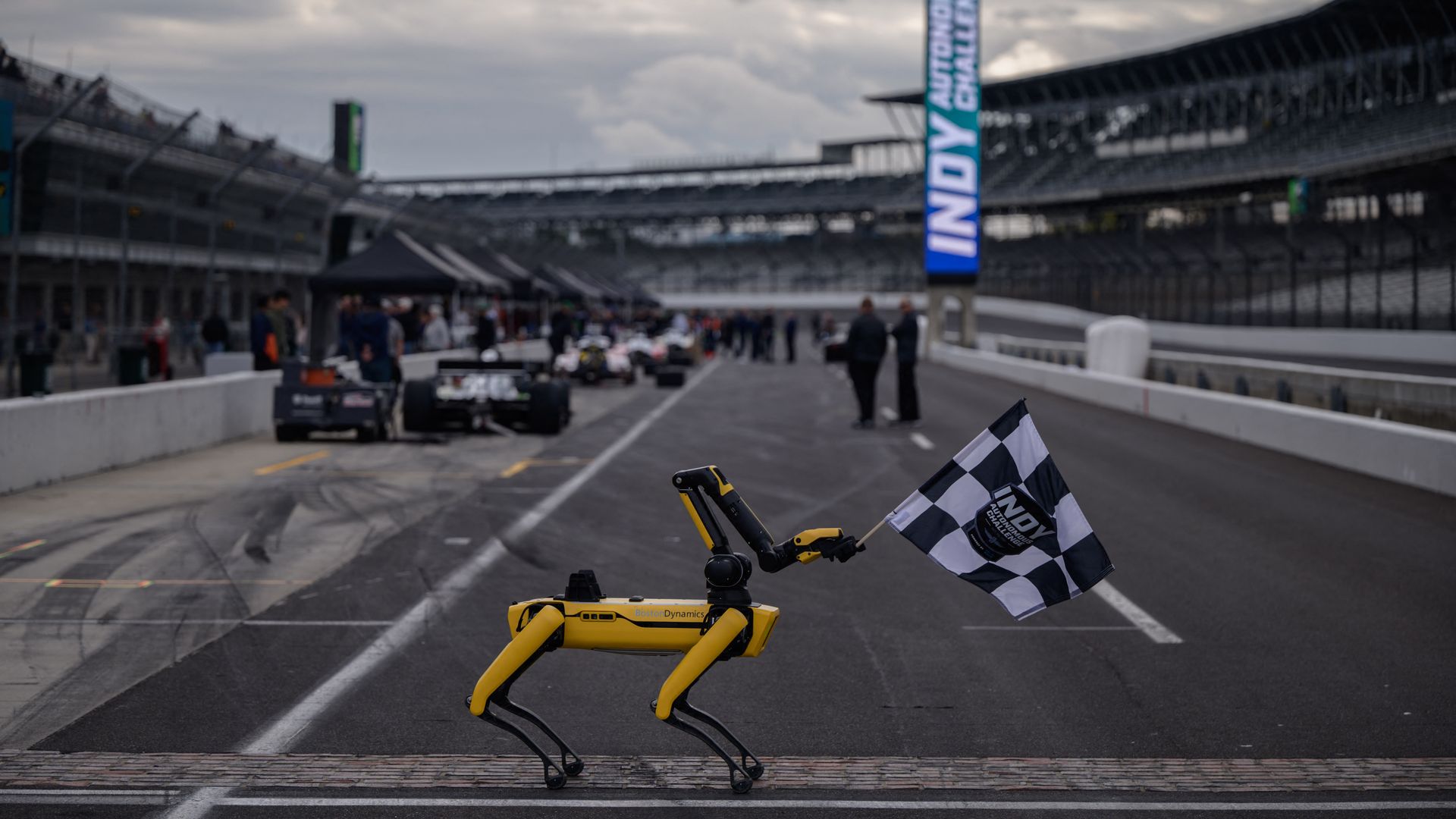
The Indianapolis Motor Speedway helped autonomous vehicle researchers reach a new milestone over the weekend by hosting its inaugural driverless car race.
Driving the news: Nine teams from 21 universities competed to win the $1 million grand prize — with Technical University of Munich (TUM) recording the fastest two-lap average speed of 135.944 mph on the Indianapolis Motor Speedway Oval, per an Indy Autonomous Challenge statement.