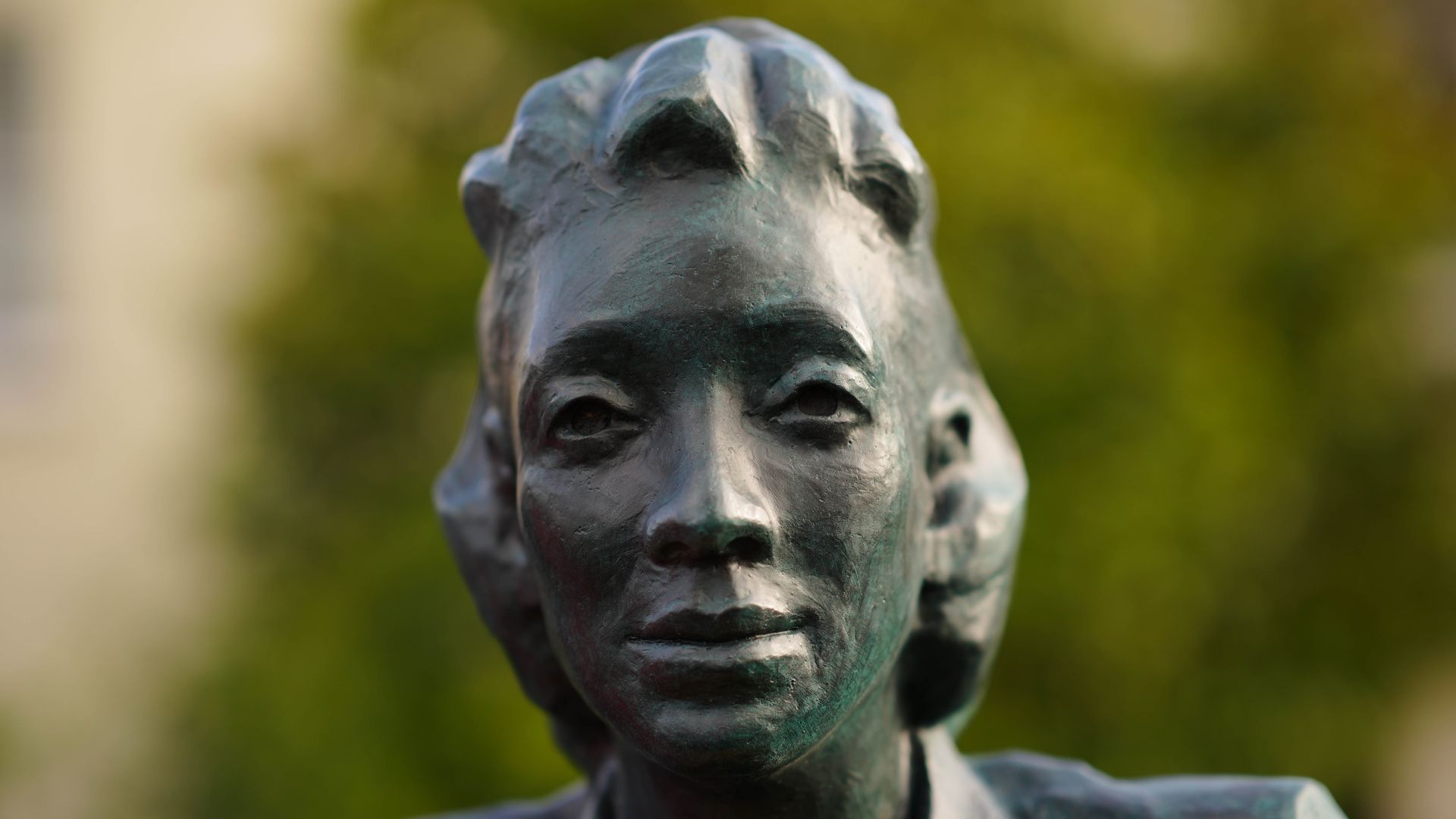
The chief of the World Health Organization on Wednesday awarded the Director-General’s Award to the late Henrietta Lacks, whose cancer cells were unknowingly taken from her in the 1950s and used for scientific research, AP reports.
The big picture: The recognition comes more than 10 years after the publication of "The Immortal Life of Henrietta Lacks," Rebecca Skloot’s book that details the discrimination that Black Americans face in health care and the scientific breakthroughs that were discovered because of Lacks' cells.
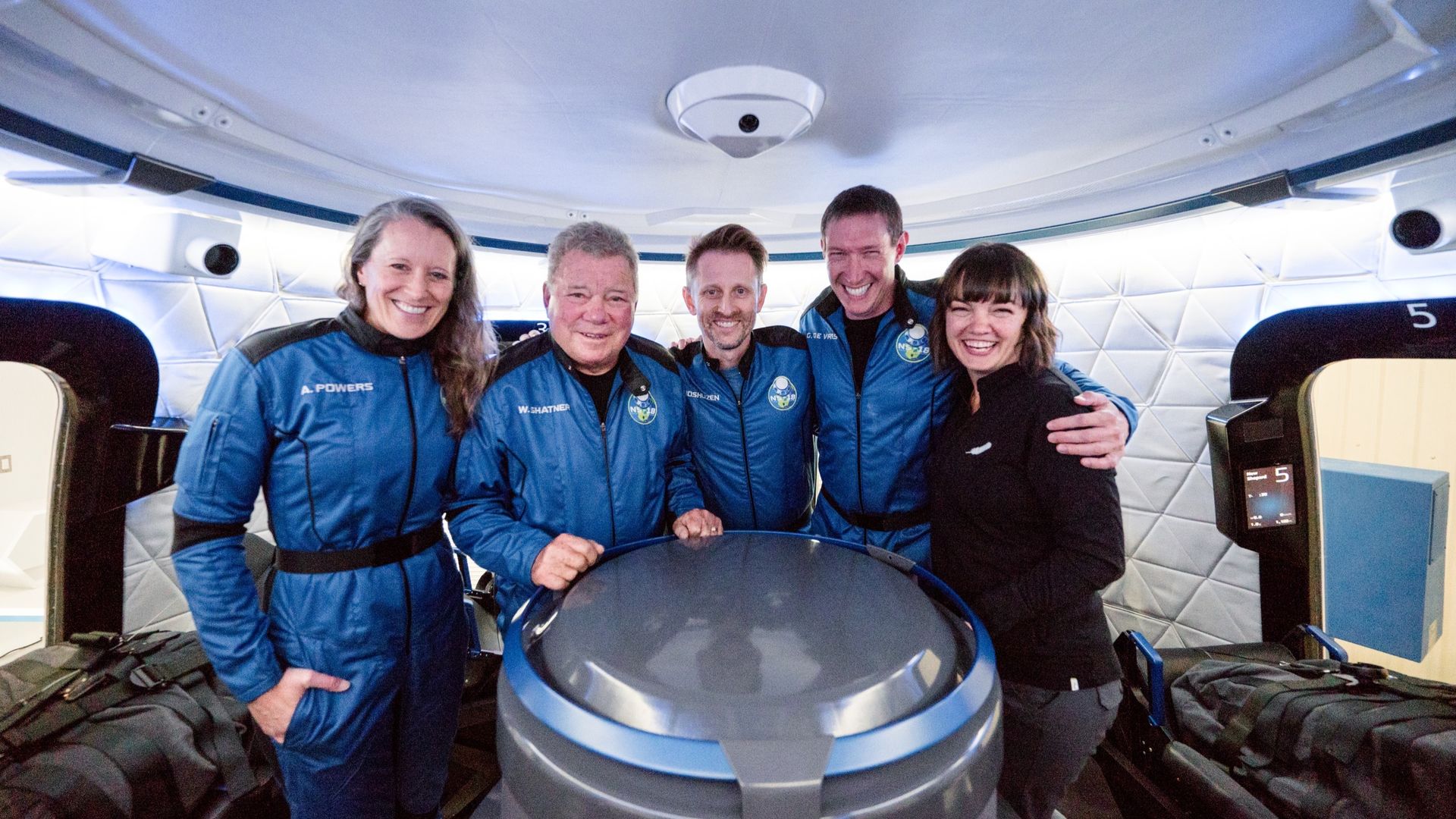
Jeff Bezos' Blue Originsuccessfully flew William Shatner — Captain Kirk himself from "Star Trek" — and three other astronauts to space for its second human mission on Wednesday.
Why it matters: The launch was another step toward proving the company can safely launch people to suborbital space and bring them back to Earth.
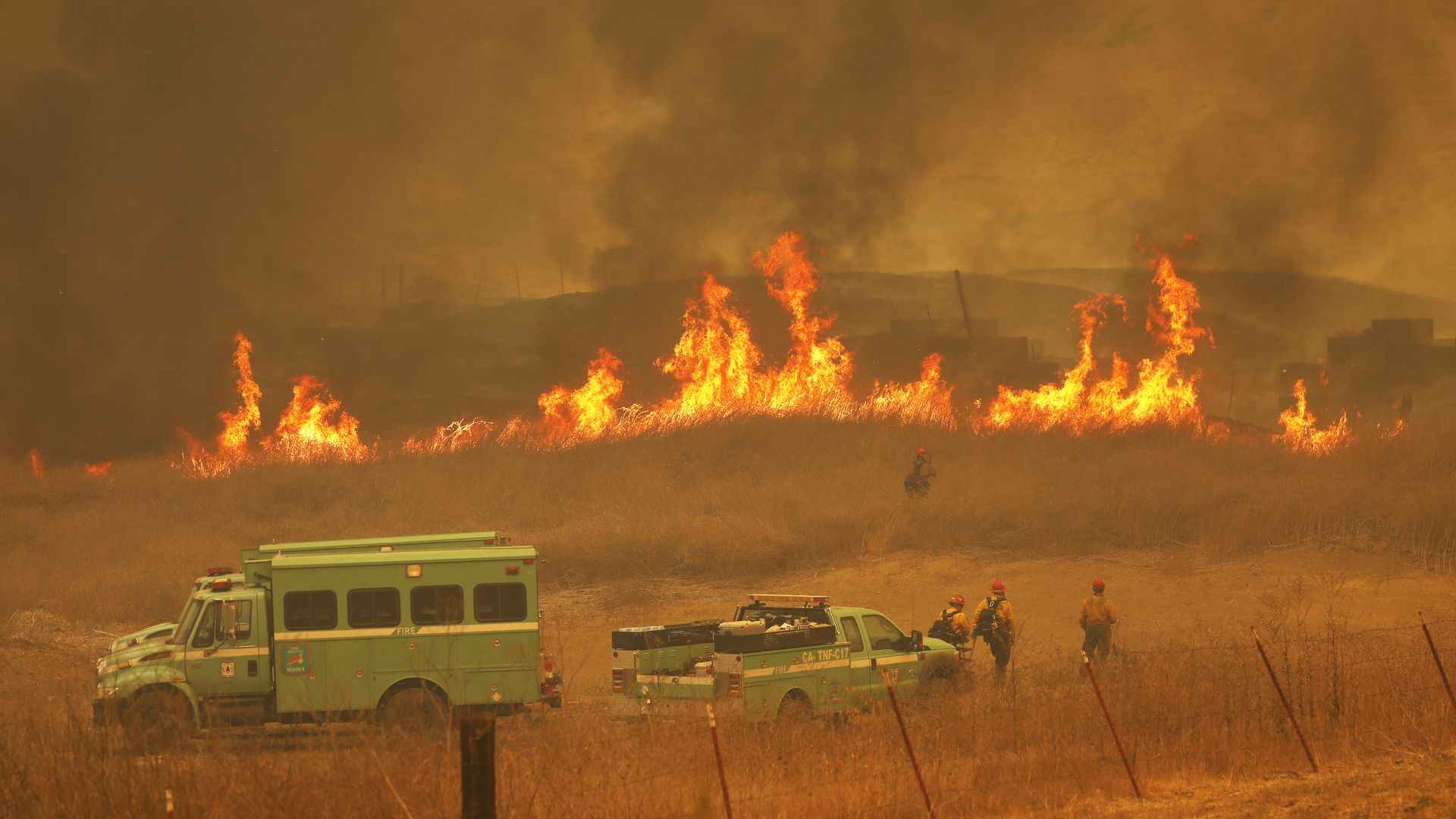
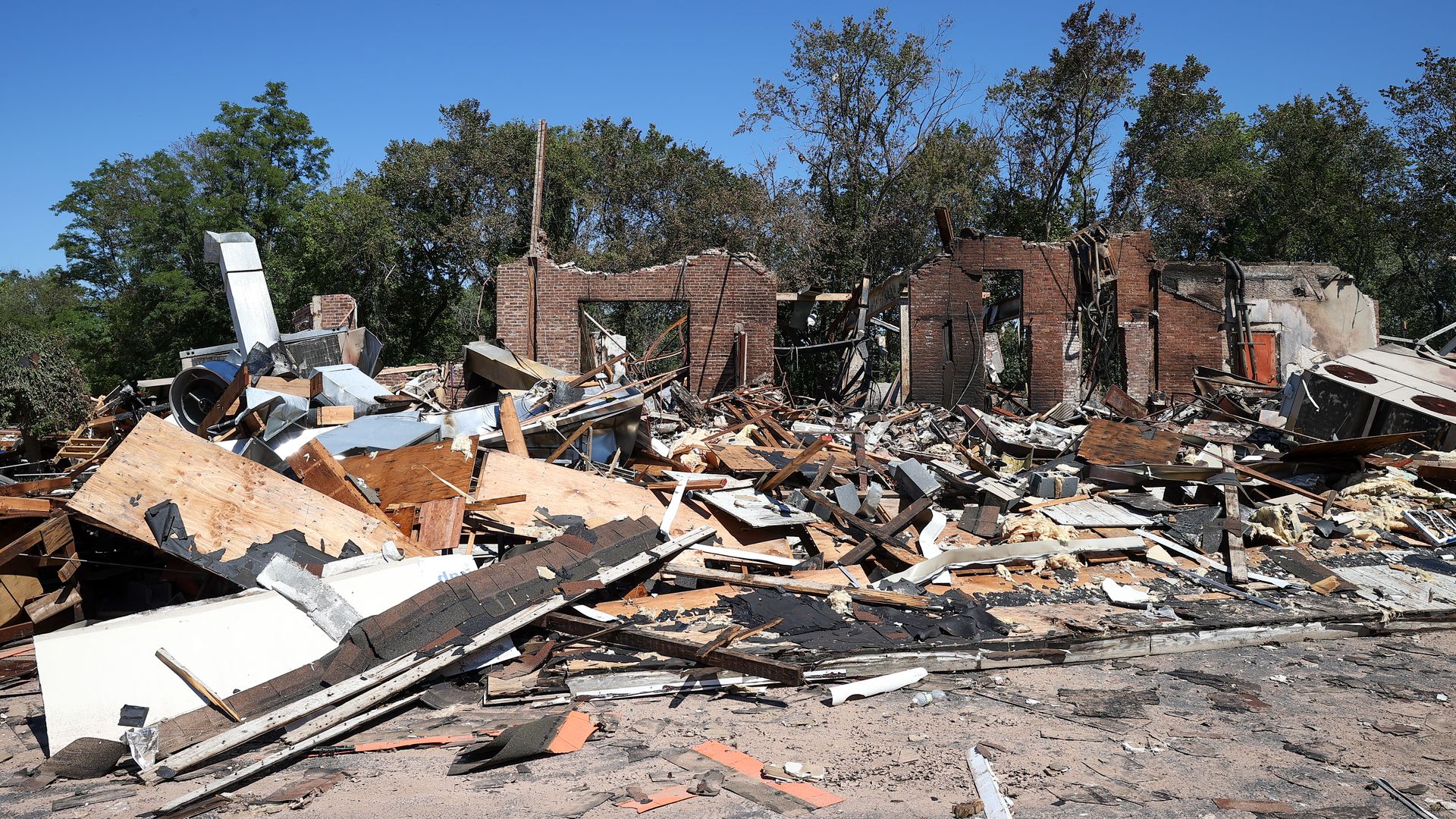
About 100 Central California properties and a shuttered oil refinery were under threat overnight from a rapidly growing wildfire that forced the closure of a major highway near Santa Barbara, per the Los Angeles Times.
The big picture: The Alisal Fire that ignited near the Alisal Reservoir on Monday has grown to 13,400 acres with 5% containment, officials said. Nearly 800 firefighters are now battling the wind-driven blaze that caused thousands of people to evacuate.
The Biden administration on Tuesday revamped its main climate science website, climate.gov, and launched a push into developing new tools that can provide people with information about the climate risks they face.
Why it matters: The push into what the administration defines as "climate services" comes in response to a mandate from President Biden to put more actionable climate intelligence into the hands of local leaders and everyday Americans.
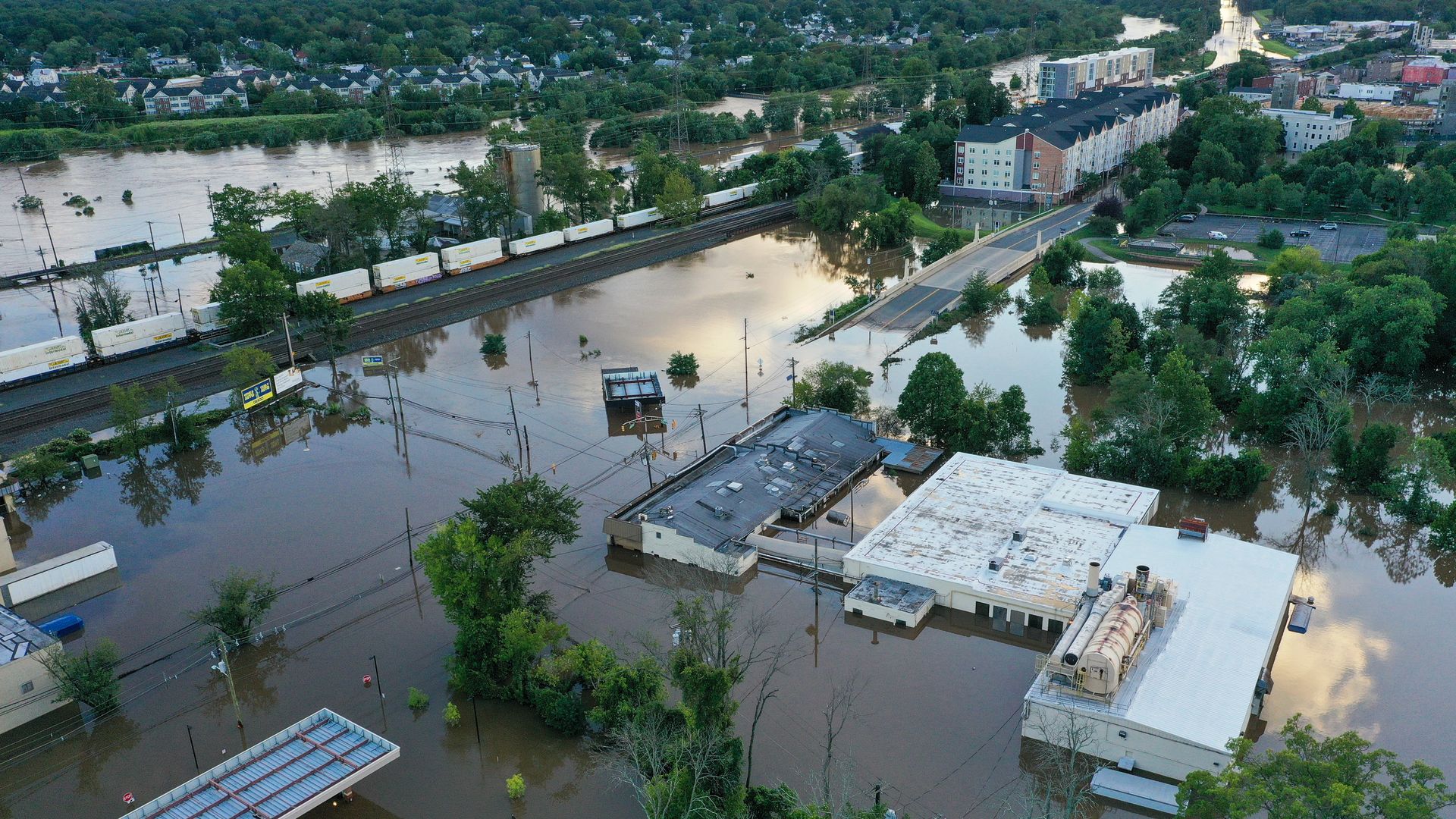
Weather and climate disasters in 2021 have killed 538 people in the U.S. and cost over $100 billion, according to a report from the National Oceanic and Atmospheric Administration.
Why it matters: The first nine months of 2021 saw the largest number of billion-dollar disasters in a calendar year so far, with 2021 on pace for second behind 2020, per the report.
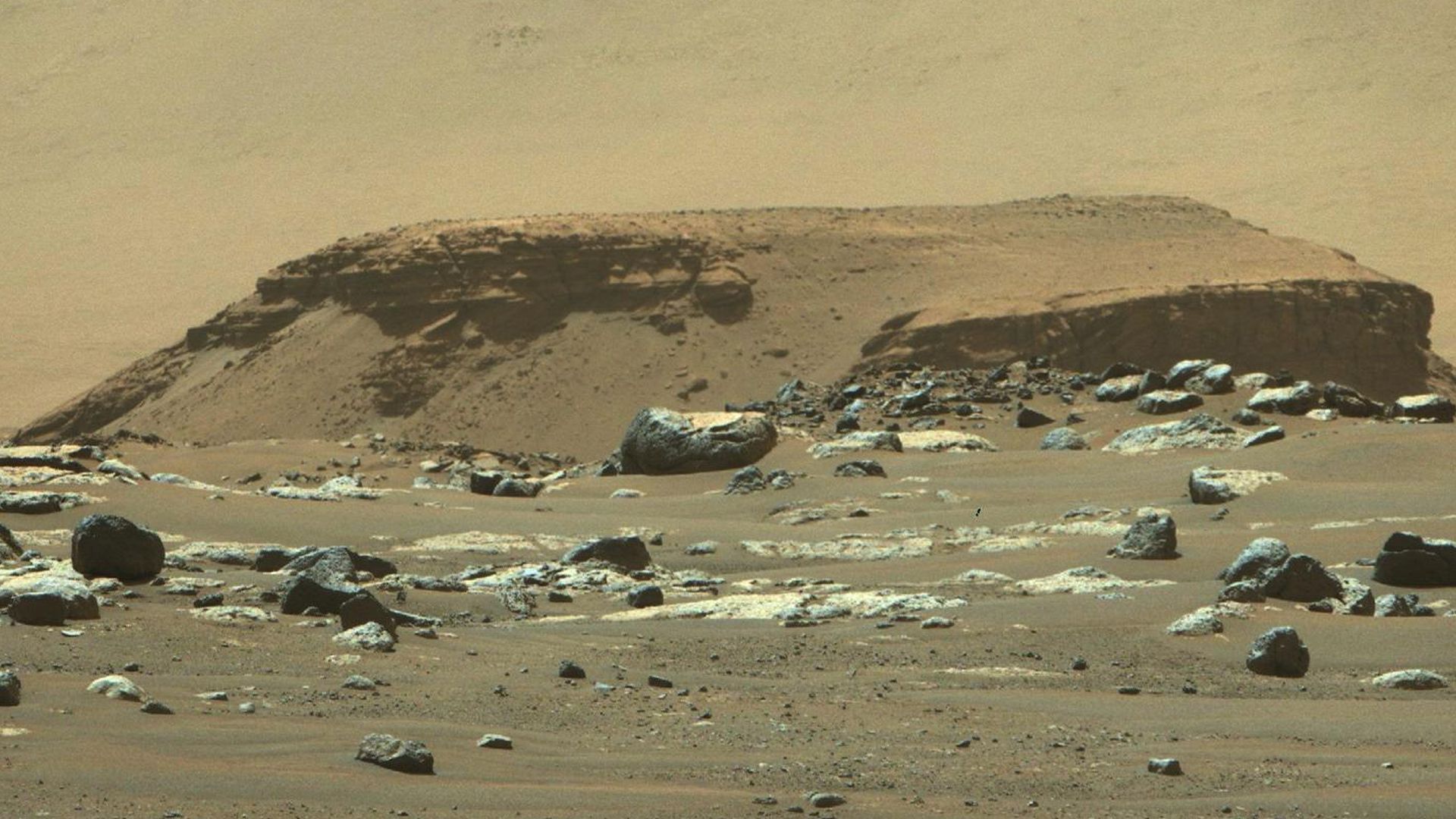
NASA's Perseverance rover has only been on Mars for a relatively short amount of time, but the spacecraft is already revealing the watery secrets of the Red Planet's ancient past.
Why it matters: Scientists have known at least some part of Mars was habitable billions of years ago, but this new data from Perseverance is allowing them to piece together more of the world's complex history.
Astronomers are awaiting the release of a series of proposals and recommendations that will guide the field for the next decade.
Why it matters: Astronomy is at a transitional moment. Large ground and space-based telescopes are nearing completion, and the field is reckoning with sexism, racism and harassment — all issues that shape the science at least as much as new technologies and missions.