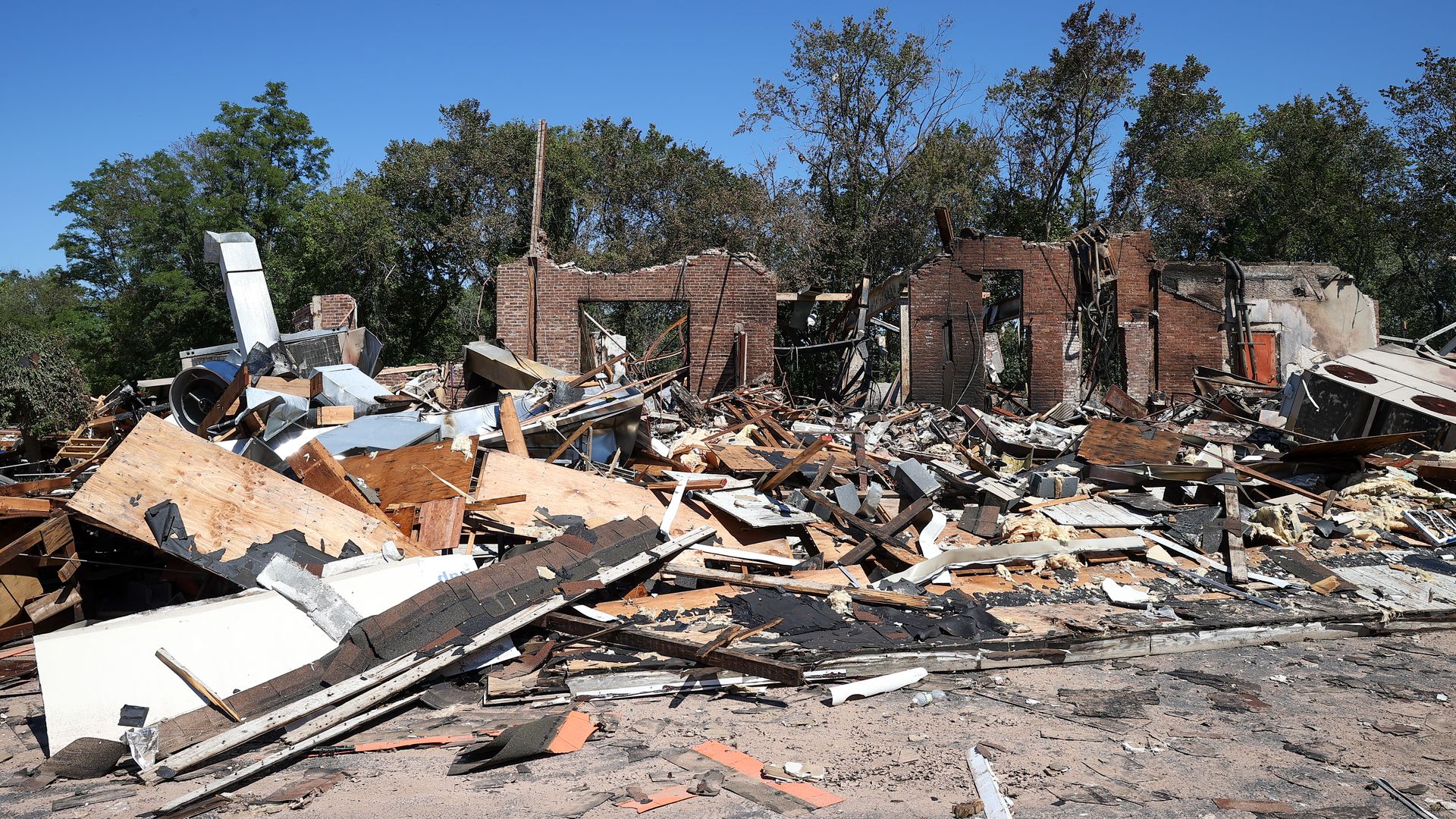
Weather and climate disasters in 2021 have killed 538 people in the U.S. and cost over $100 billion, according to a report from the National Oceanic and Atmospheric Administration.
Why it matters: The first nine months of 2021 saw the largest number of billion-dollar disasters in a calendar year so far, with 2021 on pace for second behind 2020, per the report.
NASA's Perseverance rover has only been on Mars for a relatively short amount of time, but the spacecraft is already revealing the watery secrets of the Red Planet's ancient past.
Why it matters: Scientists have known at least some part of Mars was habitable billions of years ago, but this new data from Perseverance is allowing them to piece together more of the world's complex history.
Astronomers are awaiting the release of a series of proposals and recommendations that will guide the field for the next decade.
Why it matters: Astronomy is at a transitional moment. Large ground and space-based telescopes are nearing completion, and the field is reckoning with sexism, racism and harassment — all issues that shape the science at least as much as new technologies and missions.
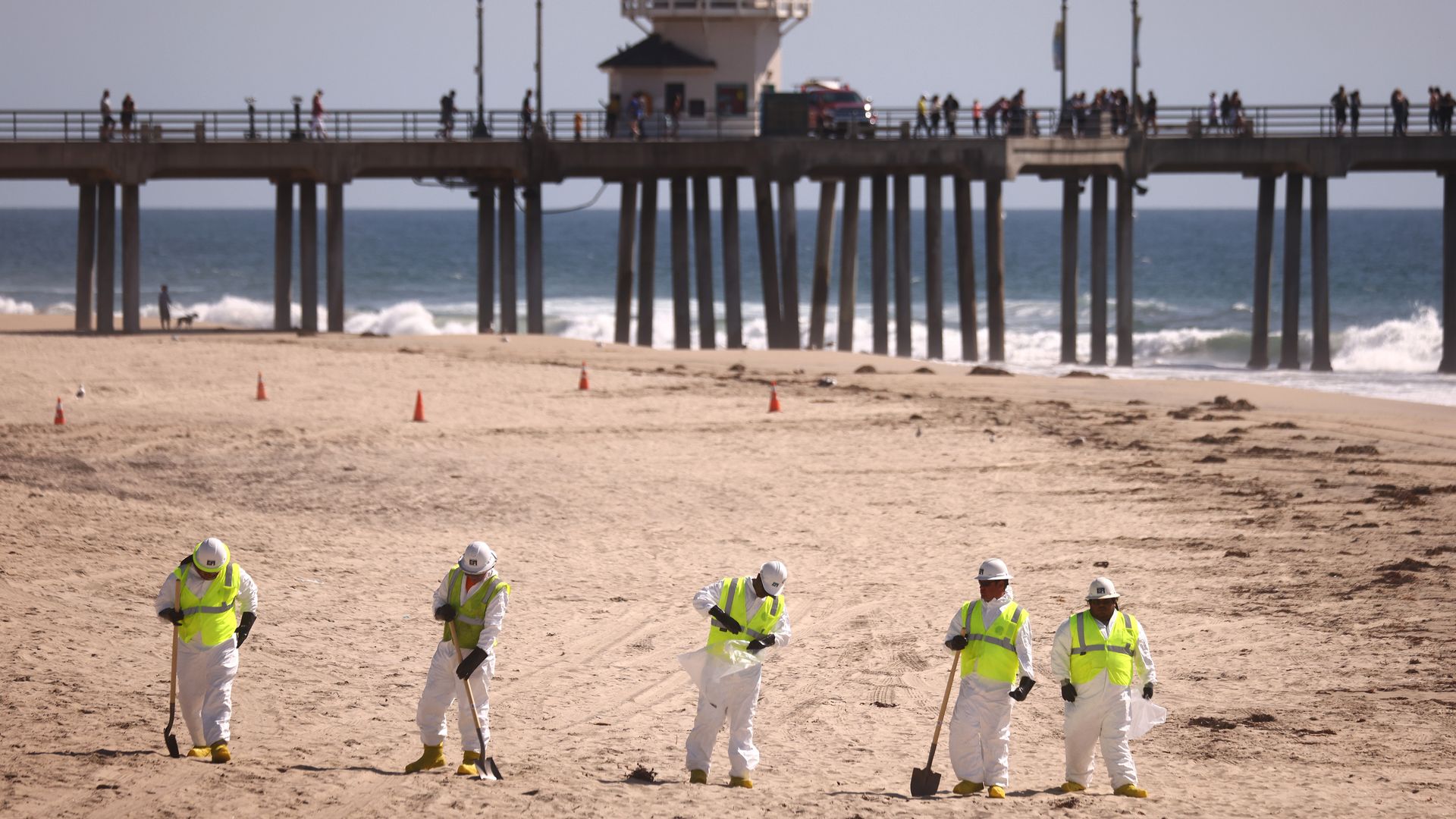
A Southern California coastal area closed since one of the largest oil spills in the state's recent history struck over a week ago reopened Monday, as cleanup efforts continue.
The latest: Huntington Beach's reopening Monday came sooner than many expected, after water quality tests came back with no detectable levels of oil associated toxins in the ocean water, AP reports.
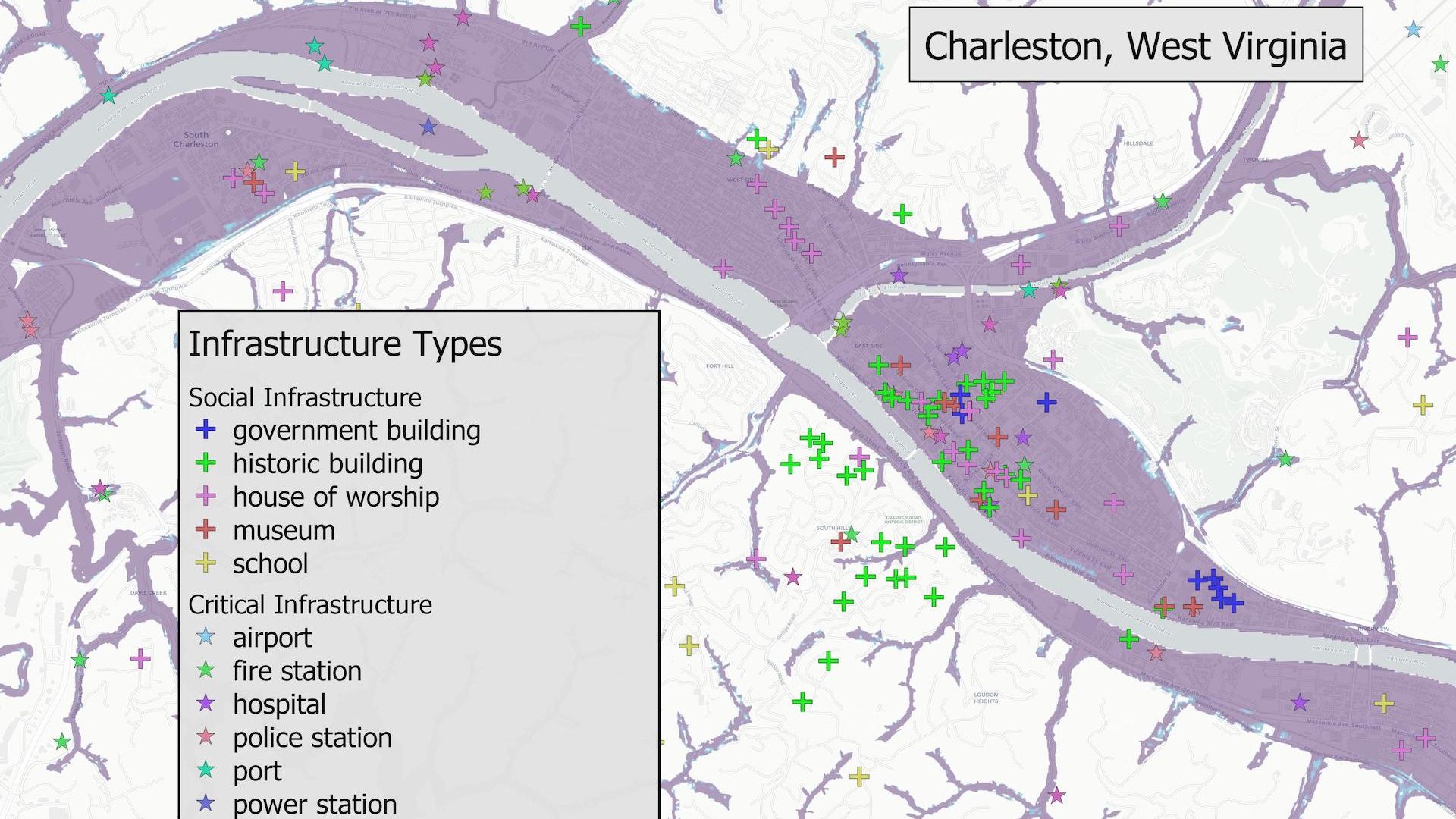
About 25%, or 1 in 4 units of critical infrastructure, such as police stations, airports and hospitals, are at risk of being rendered inoperable due to flooding, a comprehensive new report finds. The report points to climate change for heightening risks.
Why it matters: The new national inventory of flood risk during the next thirty years, which takes into account climate change-driven increases in sea levels and heavy precipitation events, is the first of its kind.
A growing part of the U.S. will face an increased risk of critical infrastructure, like emergency services and hospitals, being rendered inoperable due to severe flooding linked to climate change over the next 30 years, a report out Monday from the First Street Foundation shows.
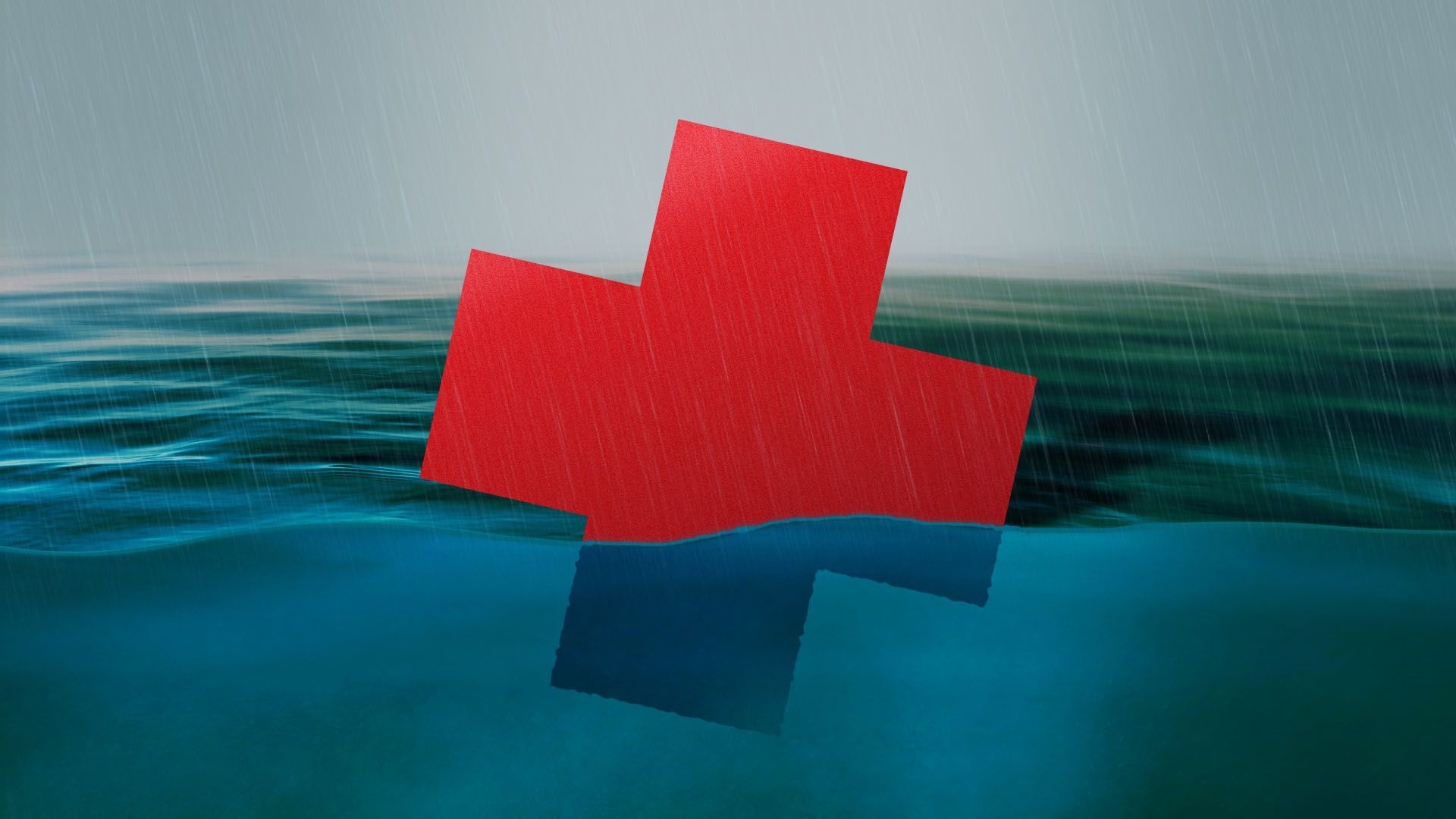
The big picture: Hospital systems are increasingly being disrupted due to climate-fueled weather disasters like more intense hurricanes, flooding, heatwaves and, in some cases, cold snaps, and have to harden their infrastructure.