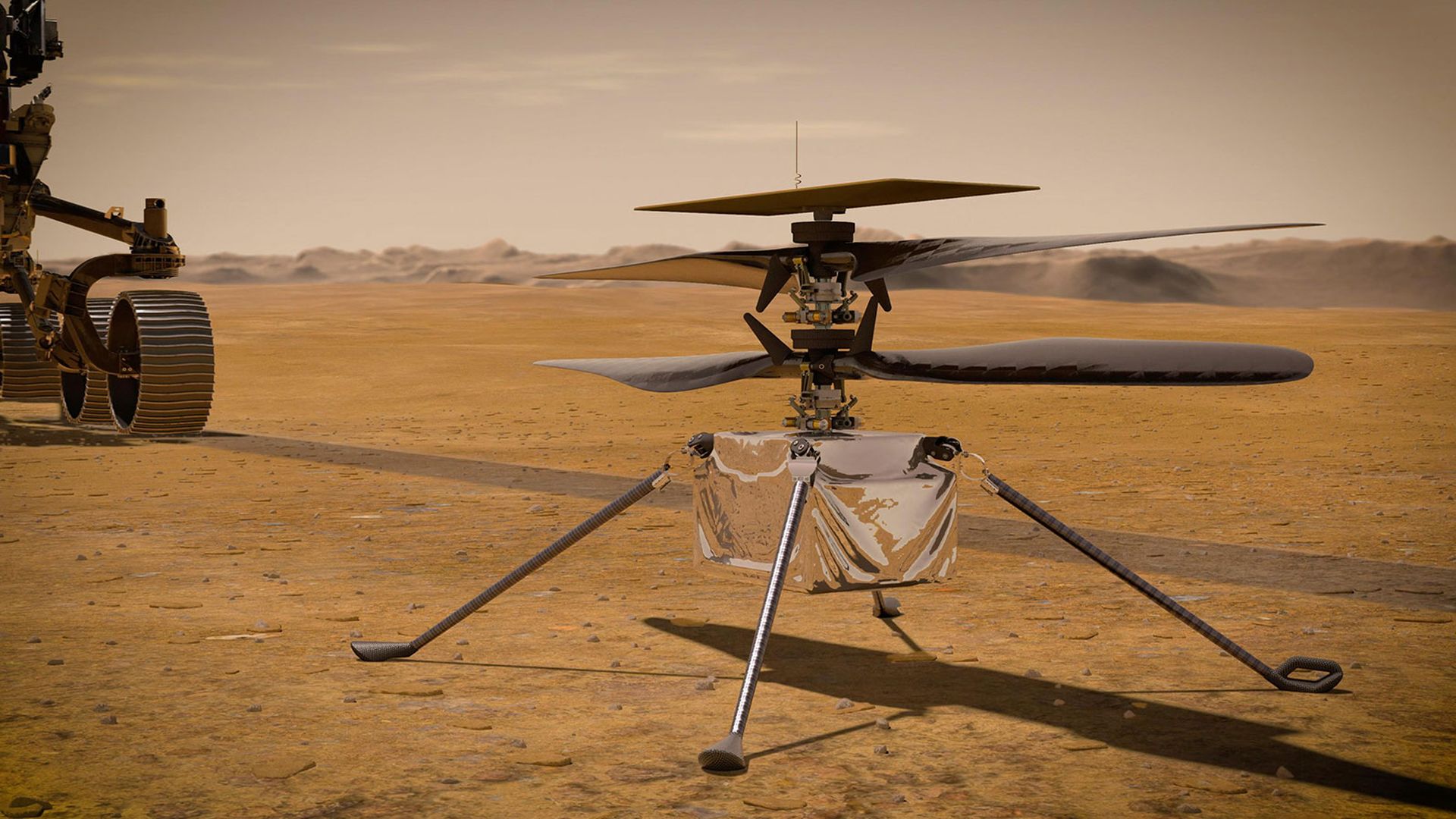
NASA's Mars helicopter Ingenuity, which hitched a ride to the Martian surface on the Perseverance rover, may attempt its first test flight in early April, NASA announced Tuesday.
Why it matters: If the test is successful, Ingenuity will be the first helicopter to fly on another planet, possibly opening up a new way to robotically explore space.
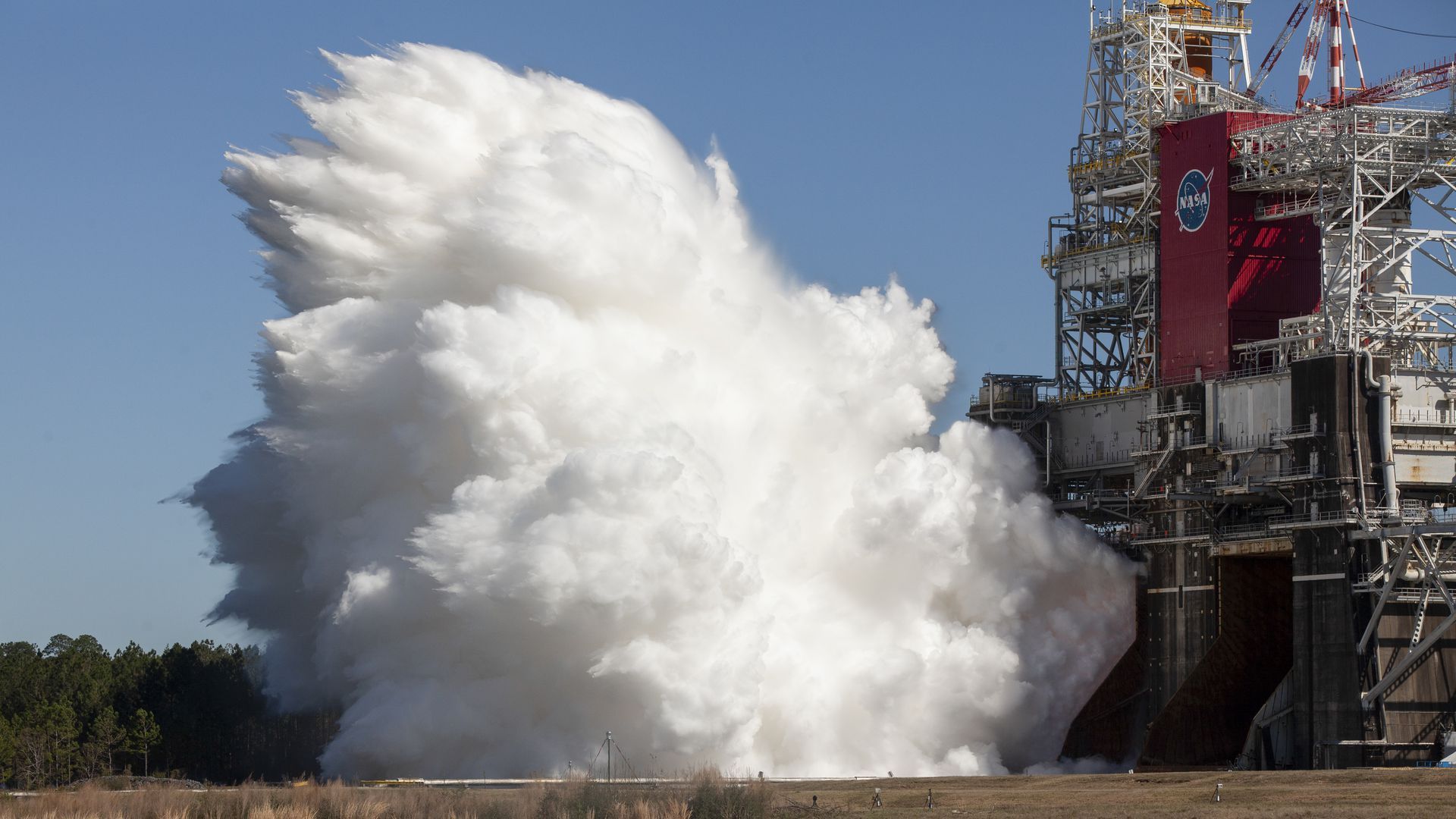
NASA has cleared its final major hurdle before its next huge rocket can make its inaugural flight to space.
Why it matters: The rocket — known as the Space Launch System — is billions of dollars over budget and years behind schedule, and it's considered key to NASA's plans to send missions to the moon and beyond.
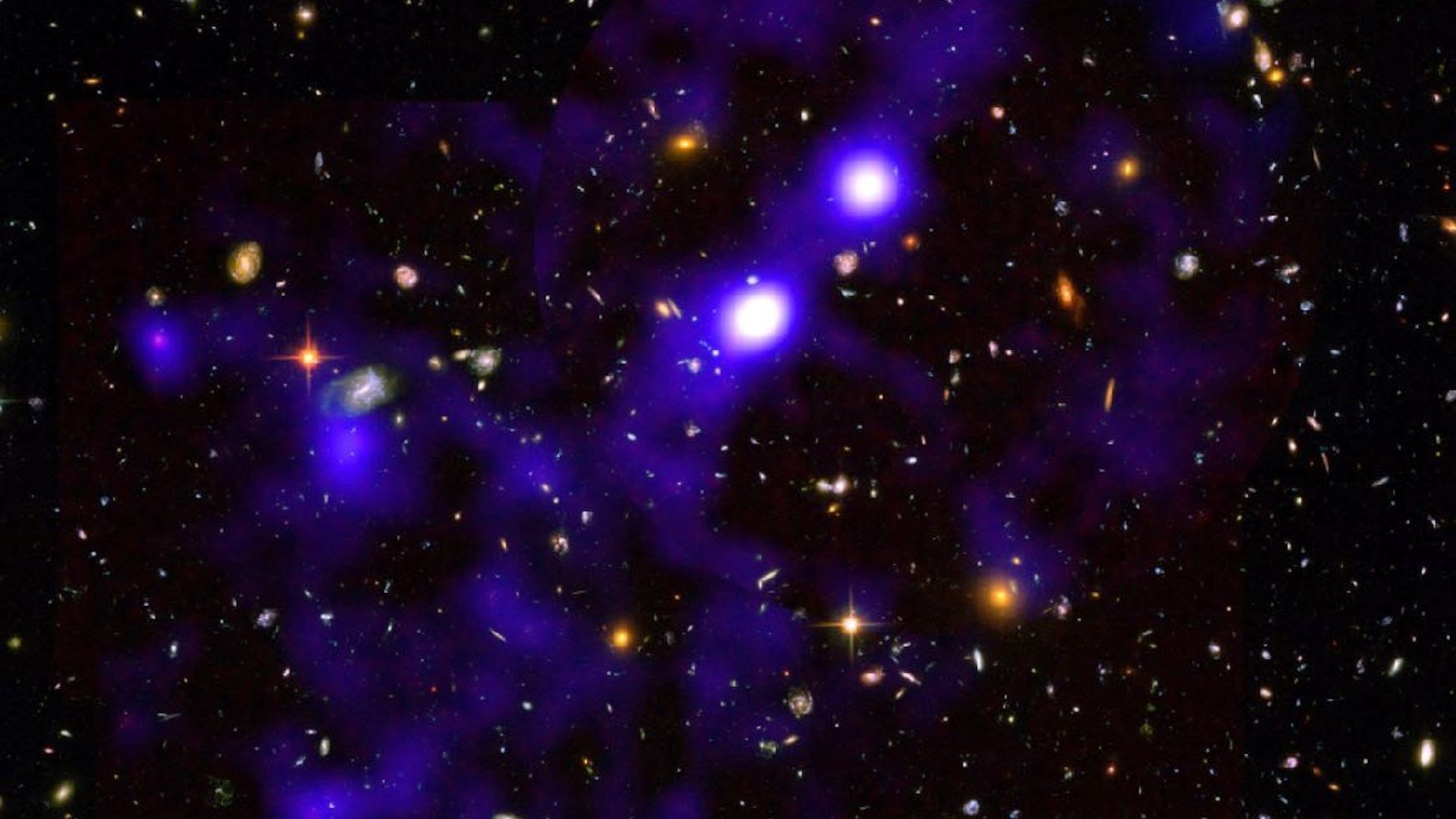
For the first time, scientists have mapped a part of the cosmic web connecting galaxies without using the light of bright galaxies known as quasars.
Why it matters: The method paves the way for future experiments that may allow scientists to unmask other darker parts of the cosmos and piece together what the early universe may have looked like.
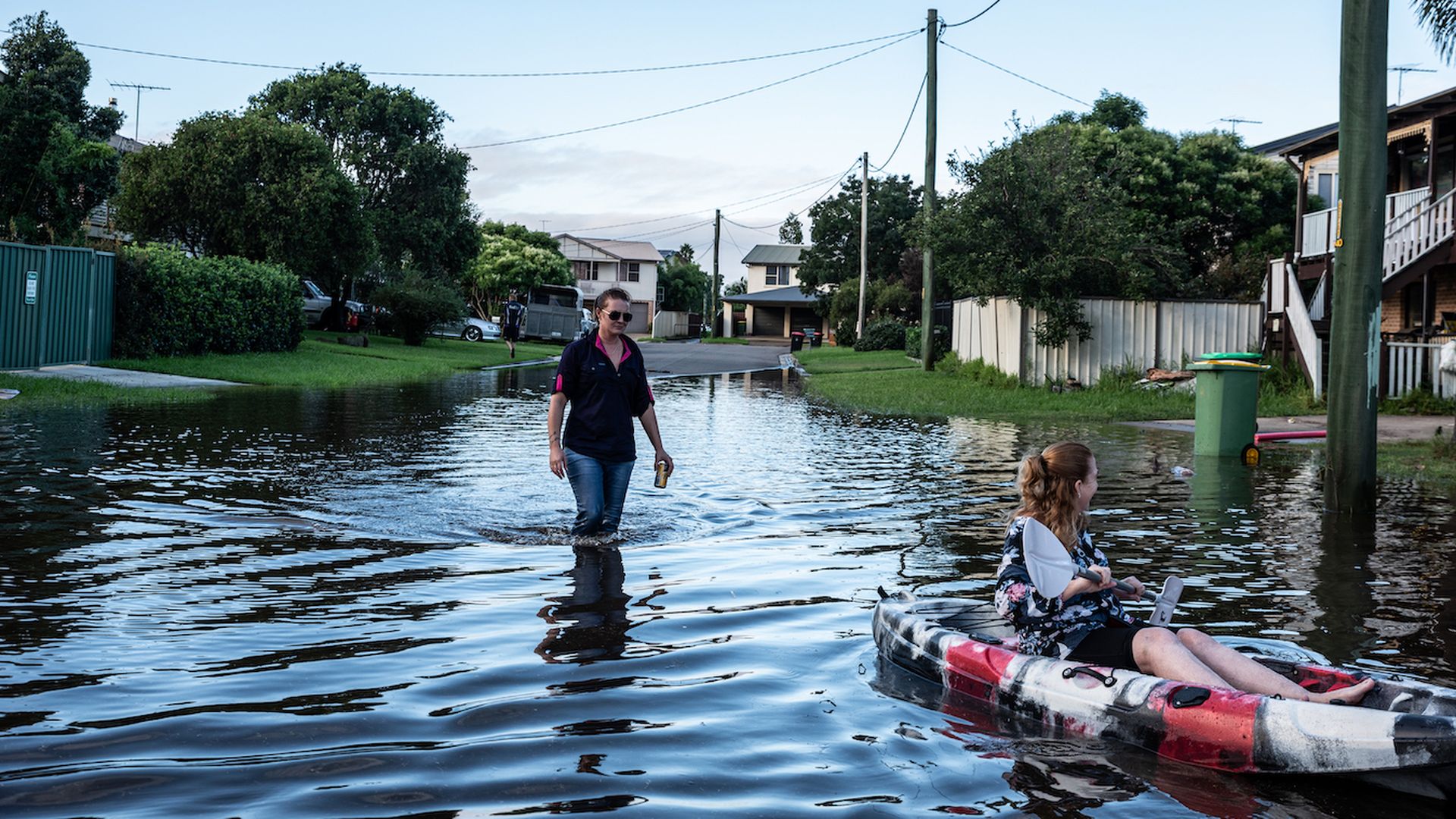
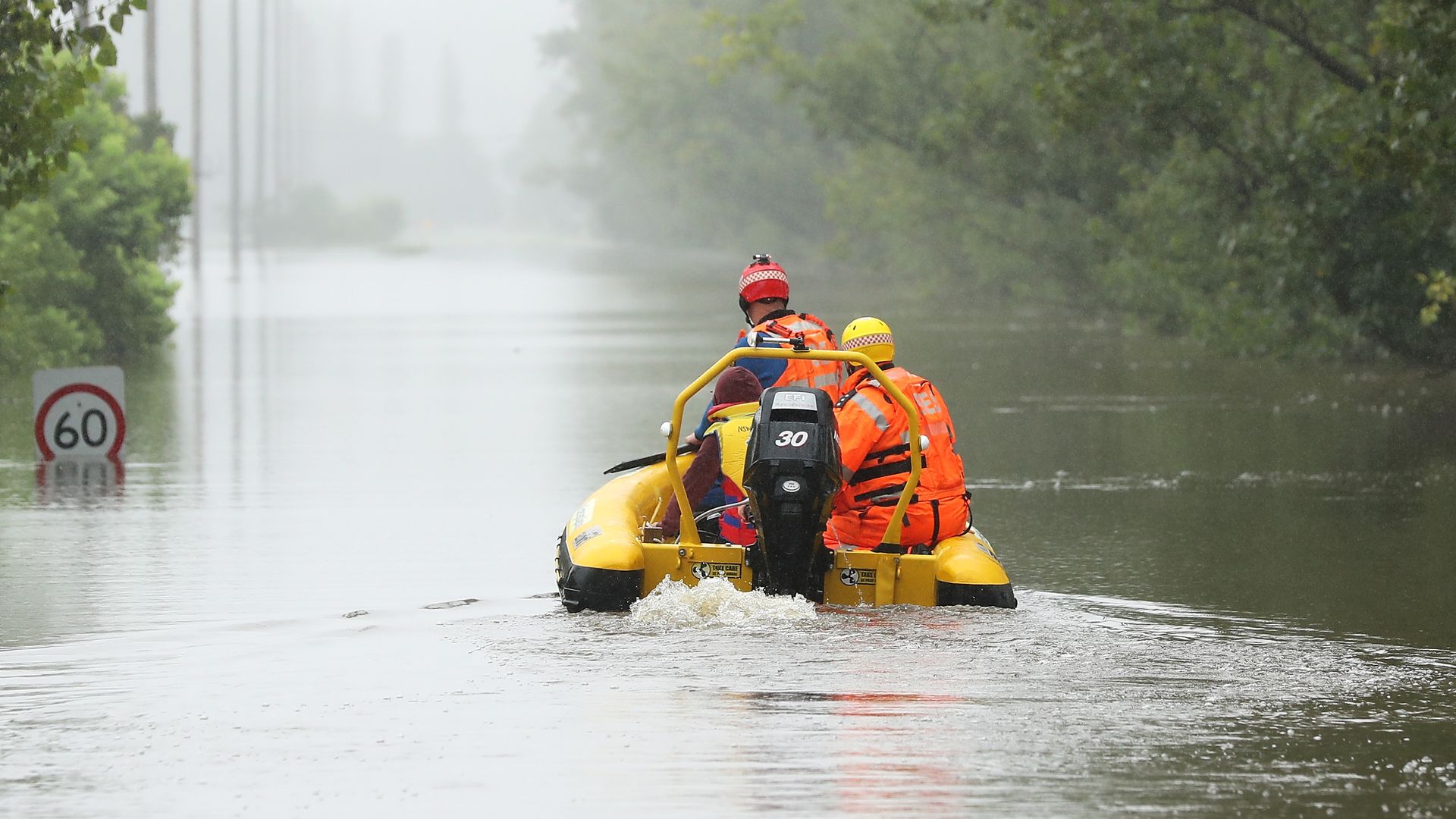
Rainfall is easing in some parts of Australia Tuesday, but many rivers continue to rise in the wake of nearly a year's worth of rainfall that fell in just six days in New South Wales and Queensland.
Why it matters: The flooding is the latest in a string of extreme weather disasters that have struck Australia in the past year. The country has careened from drought and devastating wildfires to unusually heavy rains and flooding not seen in decades.
Scientists have produced the first consensus criteria to diagnose chronic traumatic encephalopathy (CTE) in living people.
The state of play: As of now, CTE can only be diagnosed after death. But a new paper, written by over 20 scientists, is a step toward a "biomarker" that could definitively say whether a living person has the disease.
Having a politician in the top spot at NASA signals the agency will be a priority for the Biden administration, some space industry experts tell Axios.
Why it matters: Bill Nelson, a former senator with President Biden's ear, is the administration's nominee to lead the space agency and could help make NASA a priority for the president if he's confirmed.
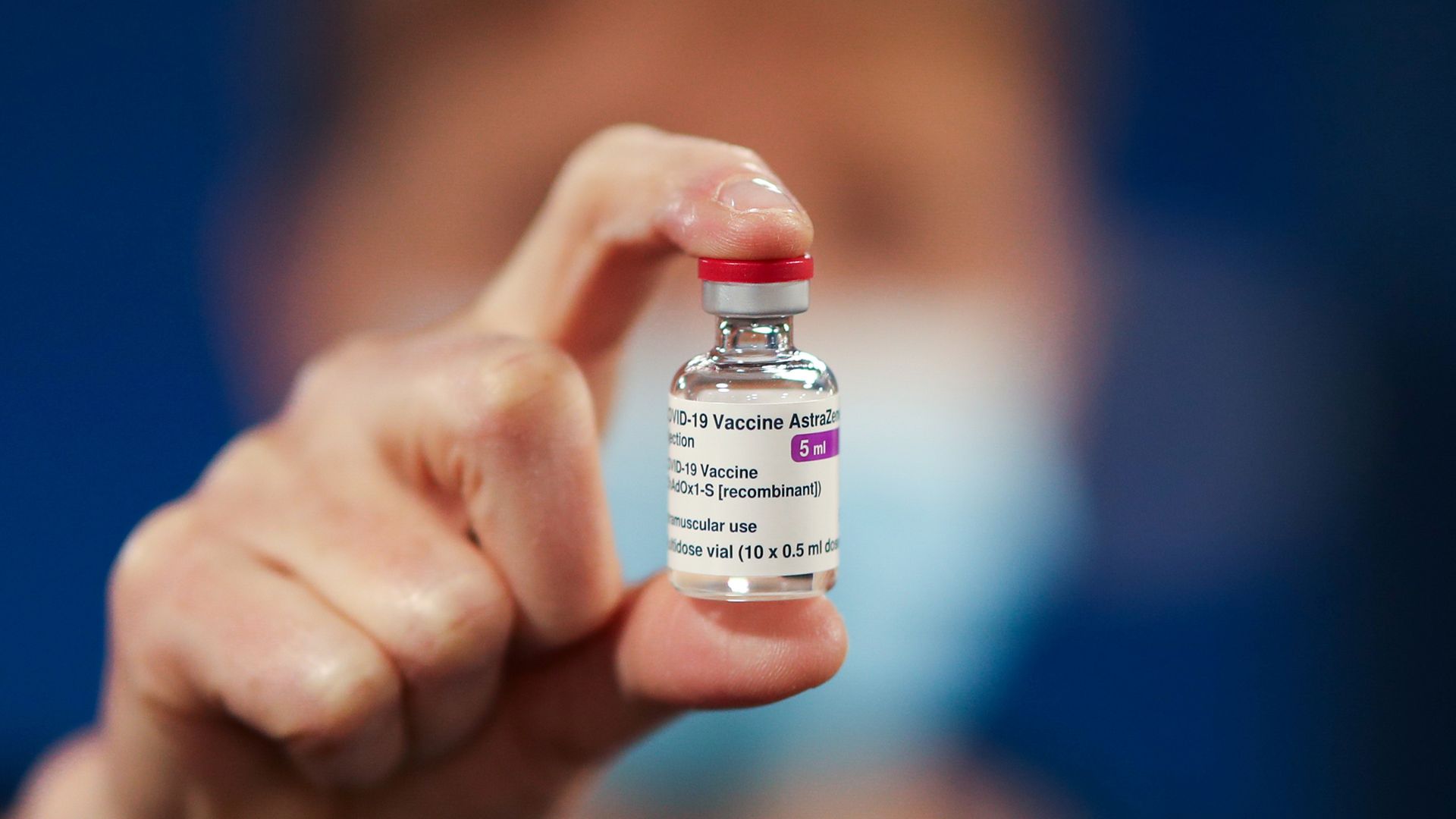
NIAID said early Tuesday it's "concerned" that AstraZeneca "may have included outdated information" from a trial of its COVID-19 vaccine that "may have provided an incomplete view of the efficacy data."
Why it matters: The statement comes after the company announced the vaccine it developed with the University of Oxford was found to be 79% effective at preventing symptomatic COVID-19 and 100% effective against severe disease and hospitalization in a Phase III trial.
Heavy rains and flooding pummeling Australia's east coast that have forced thousands to evacuate are set to continue for at least another day, forecasters warn.
The big picture: Rains have lashed New South Wales and southeast Queensland since last Thursday. Prime Minister Scott Morrison told reporters 18,000 people were under evacuation orders and the situation remained "dynamic," with western Sydney the area of "greatest concern." A natural disaster was declared in 16 areas.
Chancellor Angela Merkel announced Tuesday Germany's COVID-19 restrictions are being extended for another month, and the country will endure an "even stricter lockdown" in April to combat spiking cases, per DW.com.
Driving the news: Merkel said the spread of coronavirus variants put Germany in a "very serious situation" as they're "significantly more deadly" and more infectious, so Germany needs an "emergency brake."