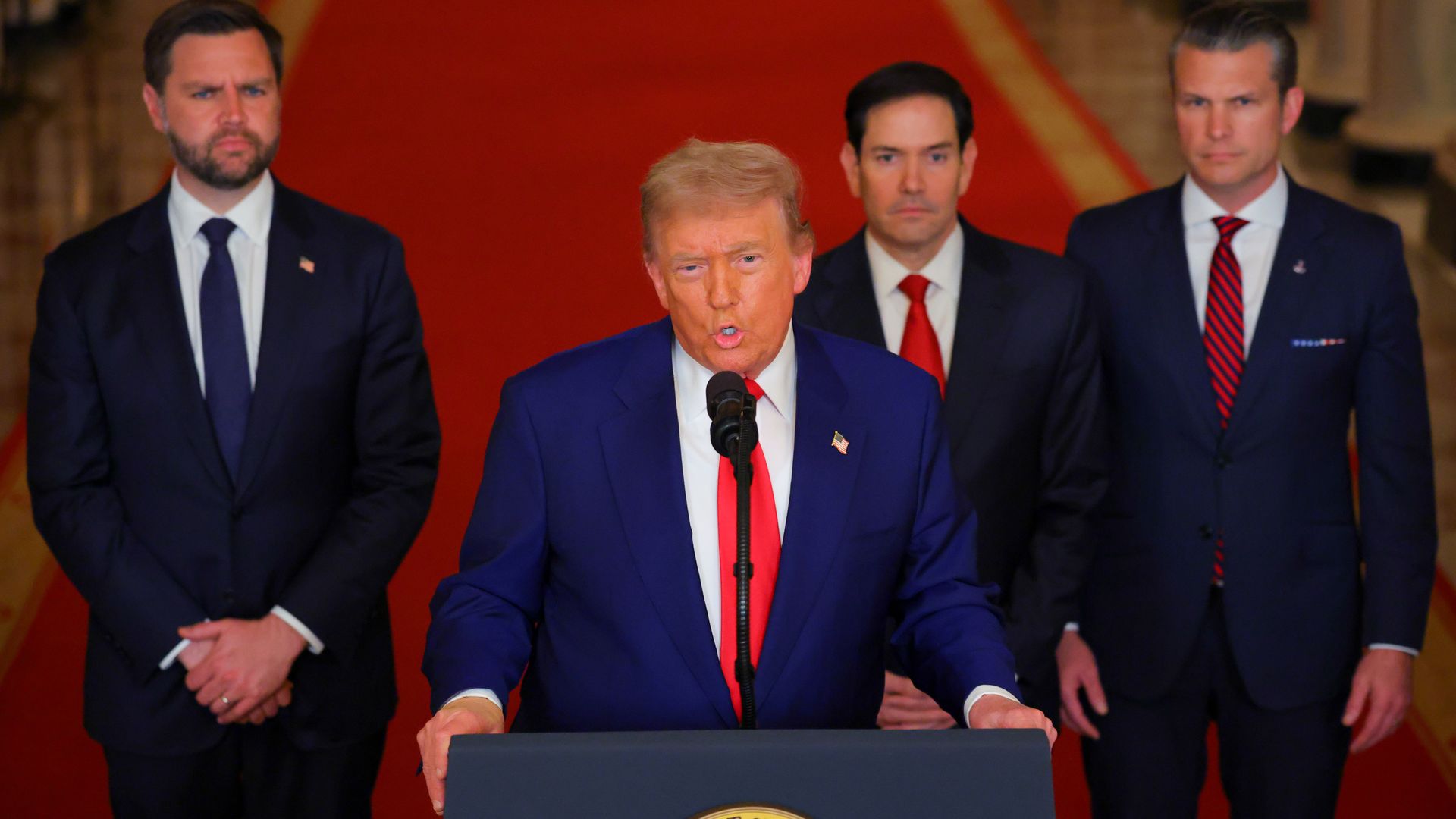
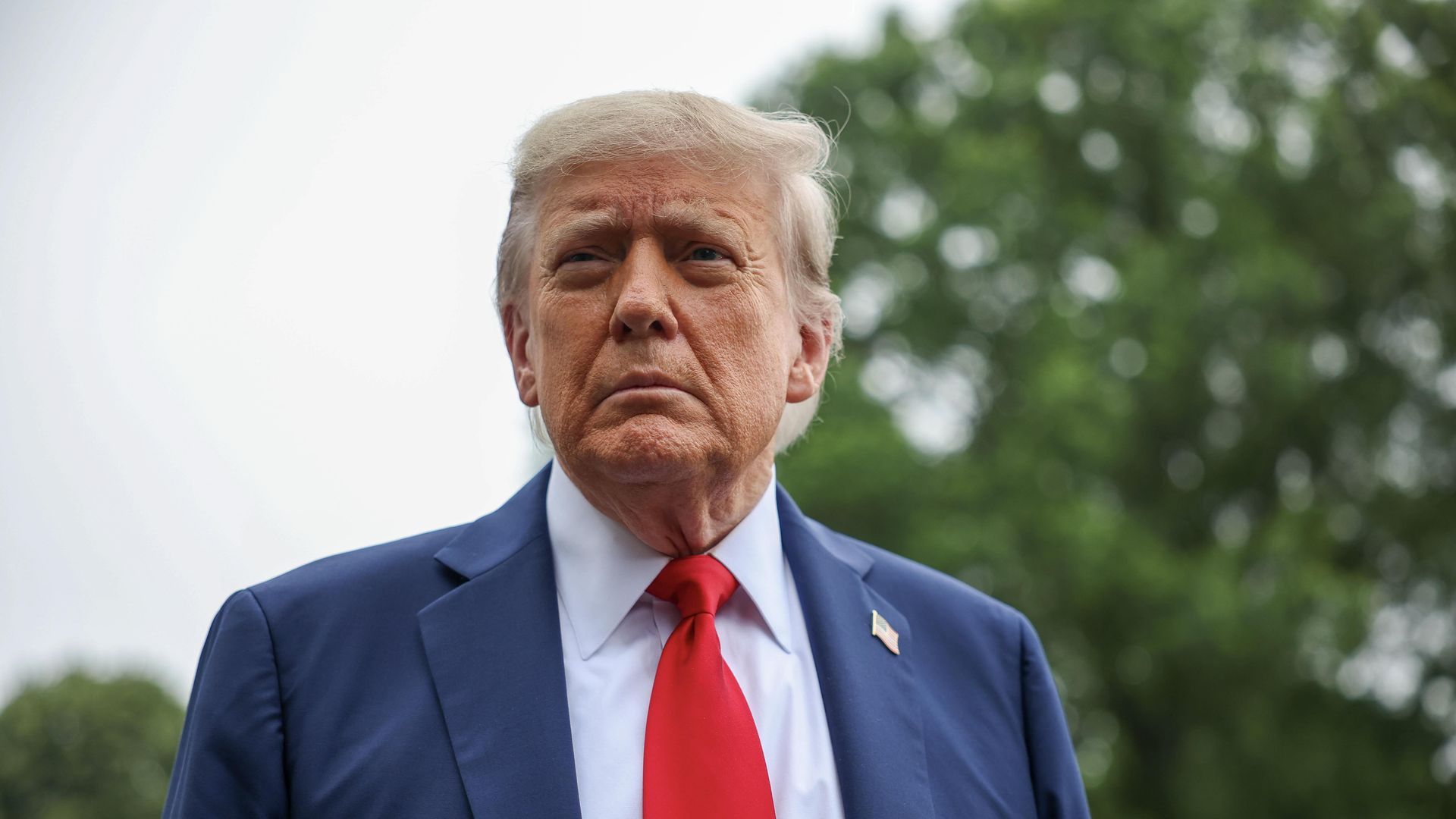
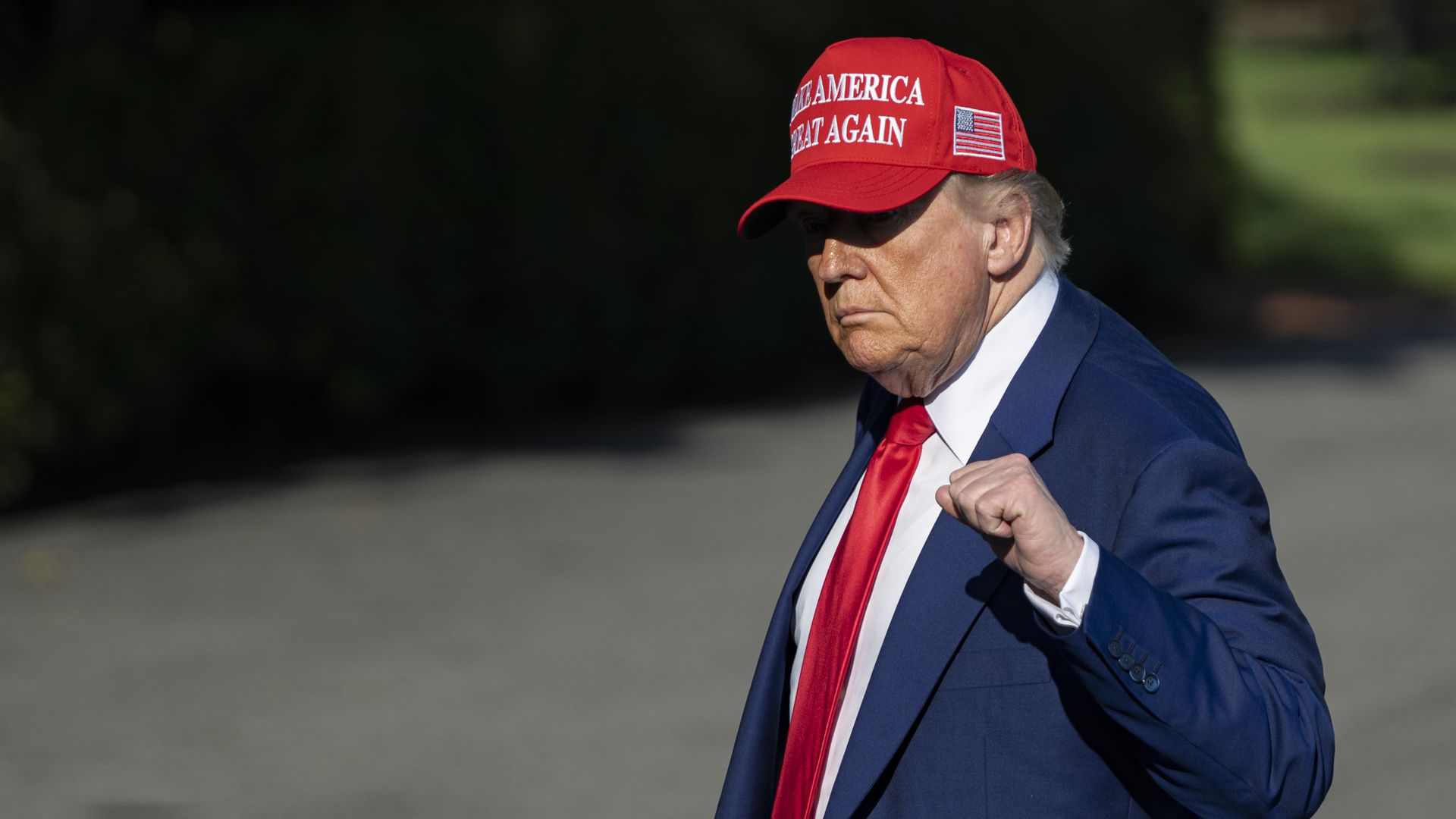
President Trump floated the possibility of "regime change" in Iran on Sunday in a post to his Truth Social account.
"It's not politically correct to use the term, 'Regime Change' but if the current Iranian Regime is unable to MAKE IRAN GREAT AGAIN, why wouldn't there be a Regime change??? MIGA!!" the president wrote.
Why it matters: This is the first time Trump has raised the possibility of regime change in Iran since Israel launched its war ten days ago — and the U.S. joined with airstrikes targeting Iran's nuclear sites on Saturday.
48 hours later, B-2 stealth bombers were whizzing through Iranian airspace — undetected — on a mission to cripple the Islamic Republic's nuclear program.
Why it matters: Trump remained open to aborting the mission if a diplomatic window emerged. But his public countdown doubled as a smokescreen — concealing a strike plan that was already in motion, according to multiple officials.
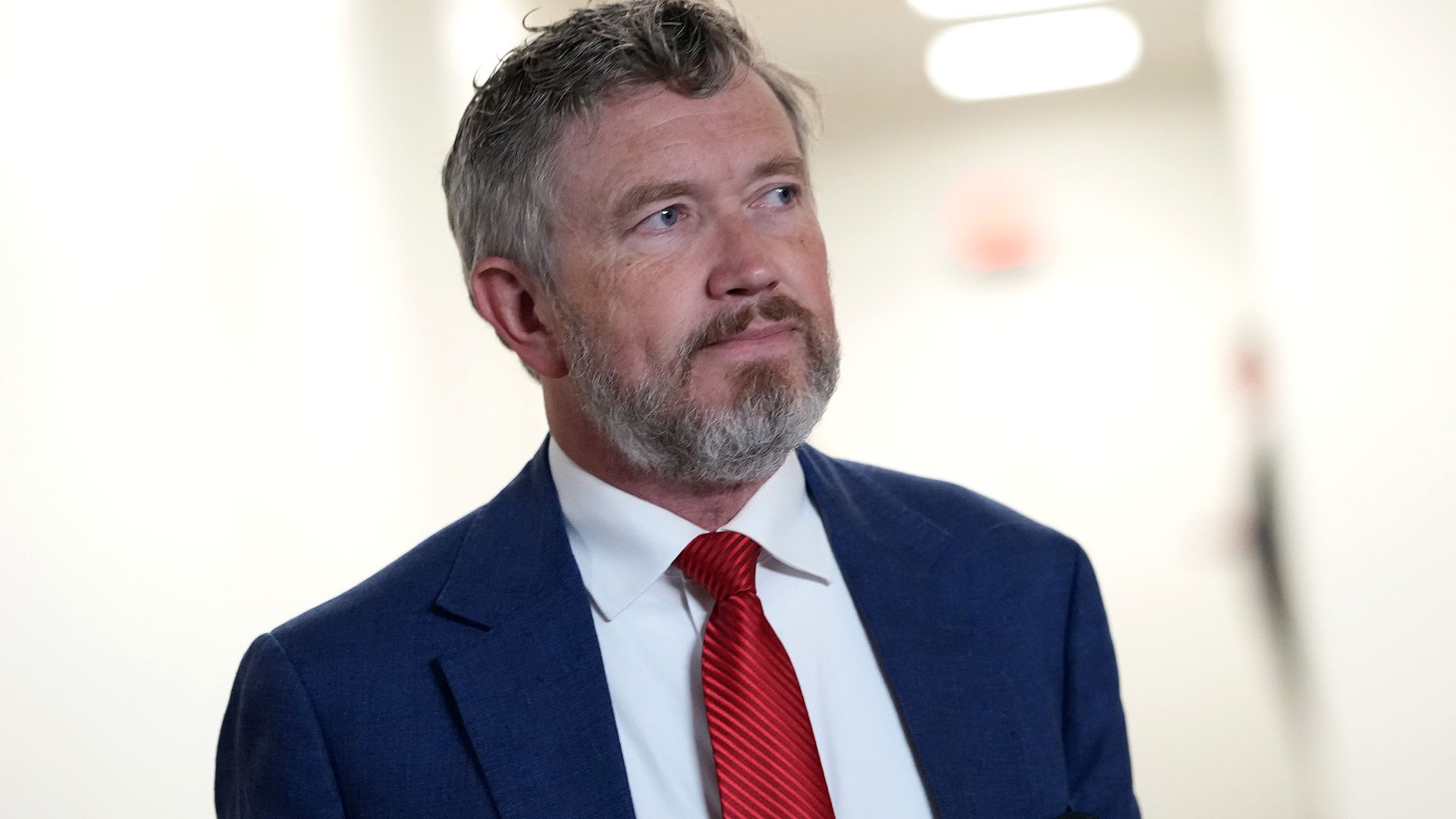
President Trump's political operation has launched an aggressive effort to unseat Kentucky Rep. Thomas Massie, its first such effort to defeat a sitting Republican incumbent, Axios has learned.
Why it matters: By going after Massie, Trump's team is looking to put wayward Republicans on notice that they're ready to play hardball.
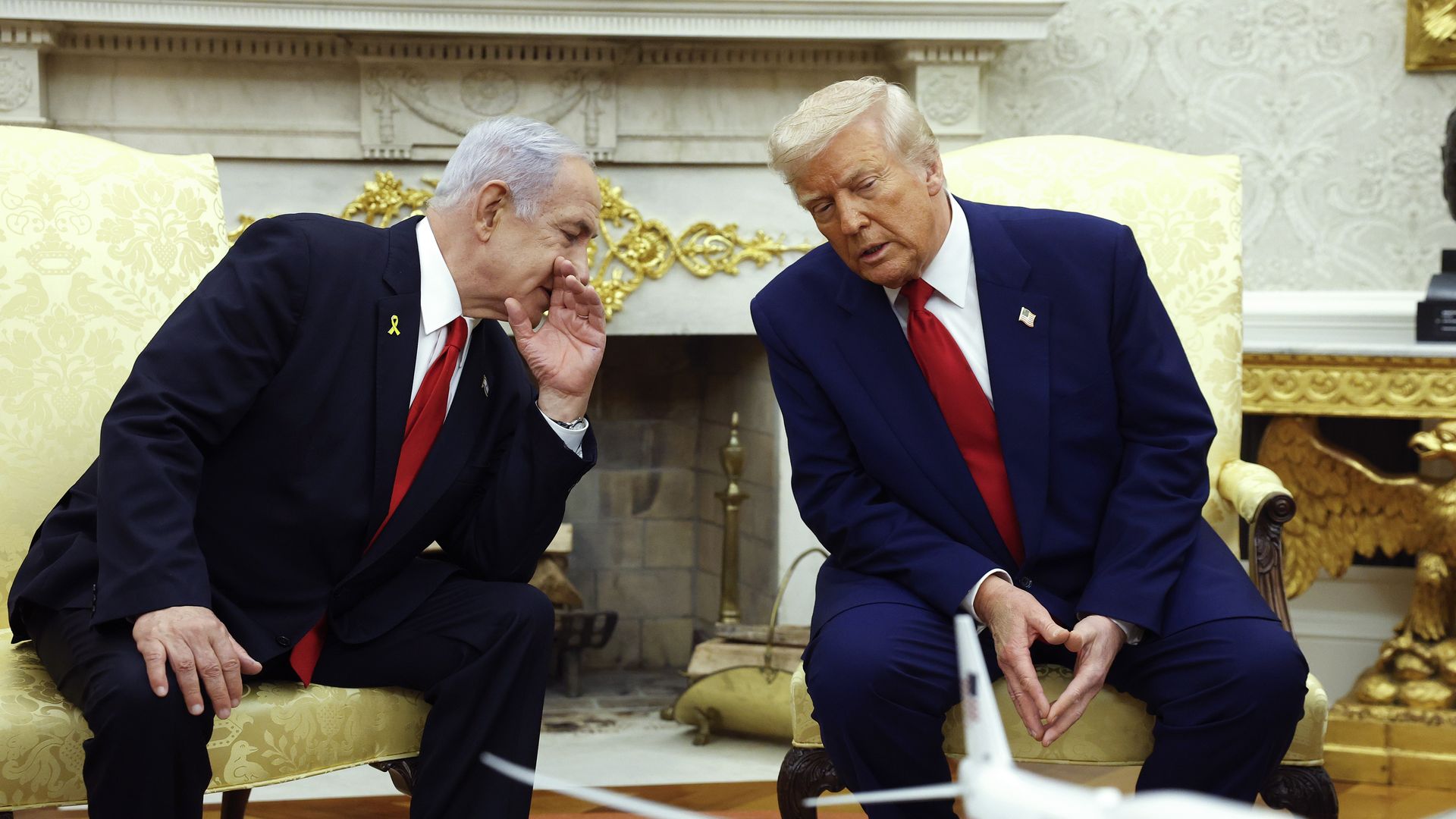
At the request of the Trump administration, the Israeli Air Force took out multiple Iranian air defense systems in the 48 hours leading up to the U.S. strike on Iran's Fordow nuclear facility, three U.S. and Israeli officials told Axios.
Why it matters: Trump's historic decision to join Israel's war against Iran marked the culmination of months of intense — and at times strained — U.S.-Israeli coordination over Tehran's nuclear program.
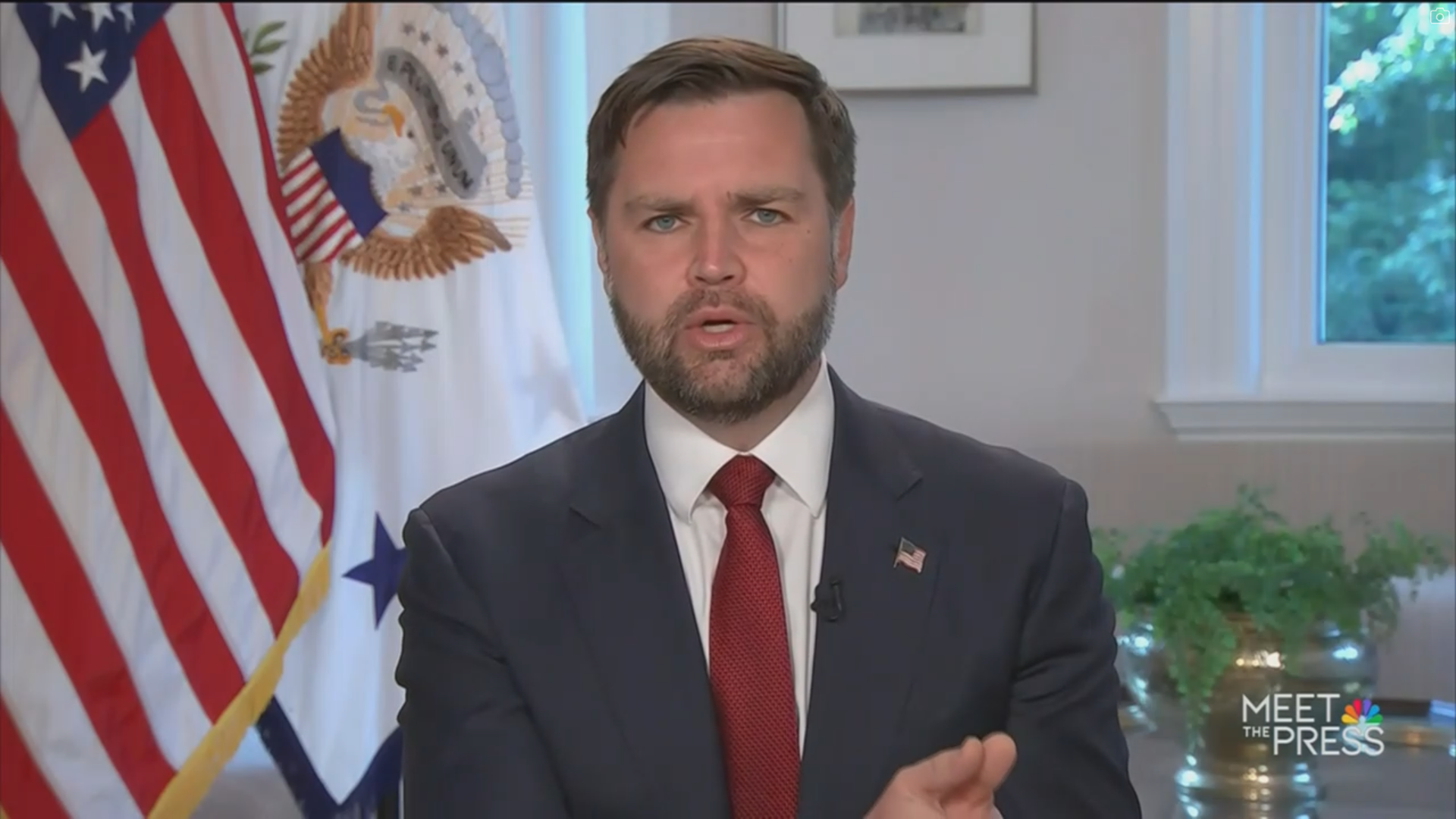
Vice President Vance said Sunday that the United States doesn't plan to send ground troops into Iran and there is "no interest" in engaging in a "protracted conflict" with the nation.
The big picture: Vance and other Trump administration officials appeared on Sunday shows to praise President Trump's decision to carry out a series of airstrikes against three Iranian nuclear sites, while reassuring Americans that the mission — dubbed Operation Midnight Hammer — isn't the launching point for a wider conflict.
Iran's parliament has endorsed closing the Strait of Hormuz, a vital oil transit point off its coast, but analysts are skeptical about the threat from a body without authority to close the strait.
Why it matters: Impeding the strait would likely bring a massive spike in oil prices that would flow through to U.S. consumers.
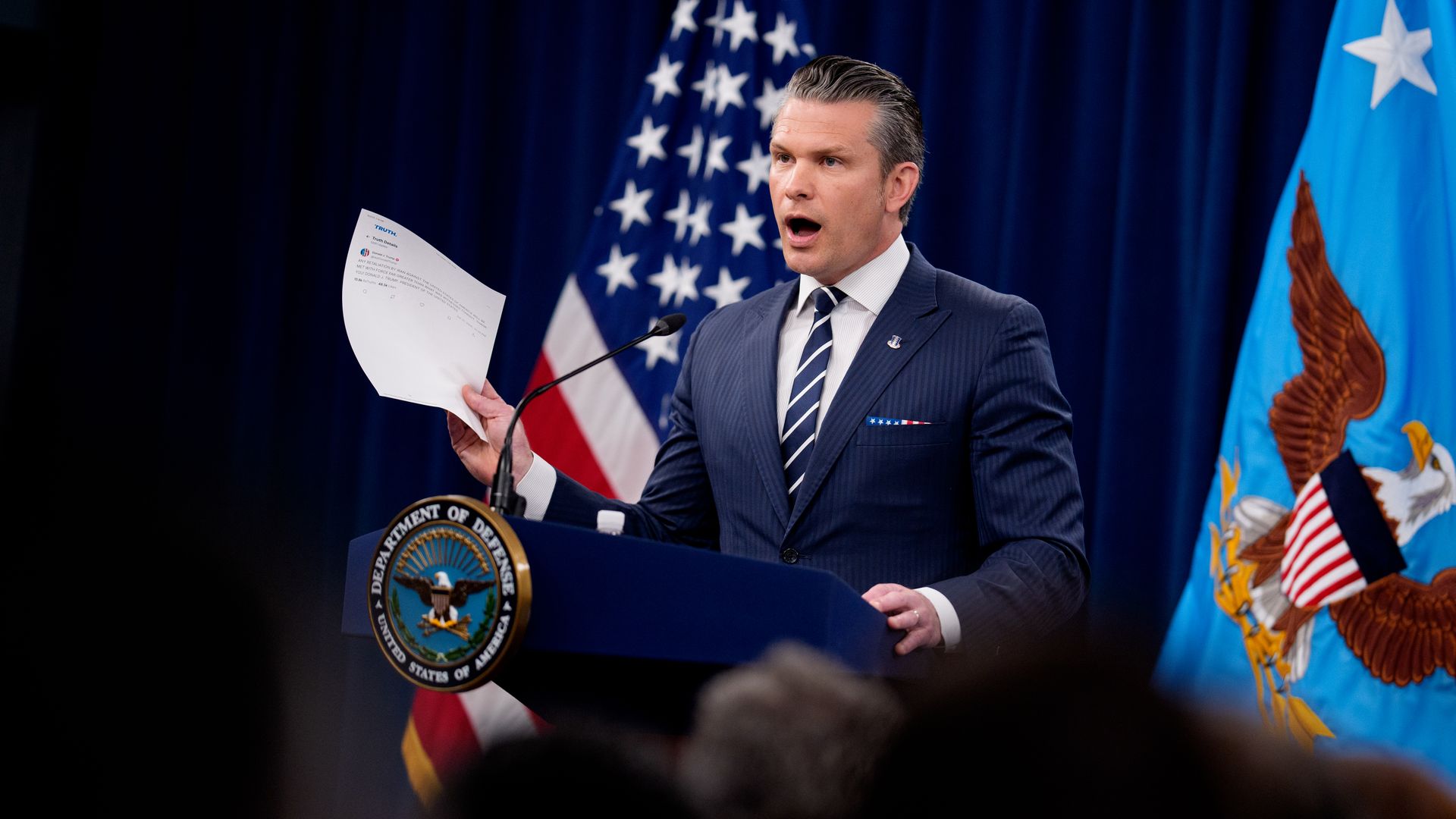
Defense Secretary Pete Hegseth told reporters the U.S. war against Iran is "not open-ended" and is "not about regime change," stressing that Saturday's U.S. military strikes were strictly targeted at Iran's nuclear program.
Vice President Vance flatly denied that the U.S. is at war with Iran, telling NBC's "Meet the Press" instead: "We're at war with Iran's nuclear program."
Why it matters: President Trump and his top aides, including Hegseth and Joint Chiefs of Staff Chairman Gen. Dan Caine, have hailed the U.S. bombing of three Iranian nuclear sites as a "spectacular success."
The U.S. military conducted airstrikes on Iran's nuclear facilities in Fordow, Natanz and Isfahan onSunday morning local time.
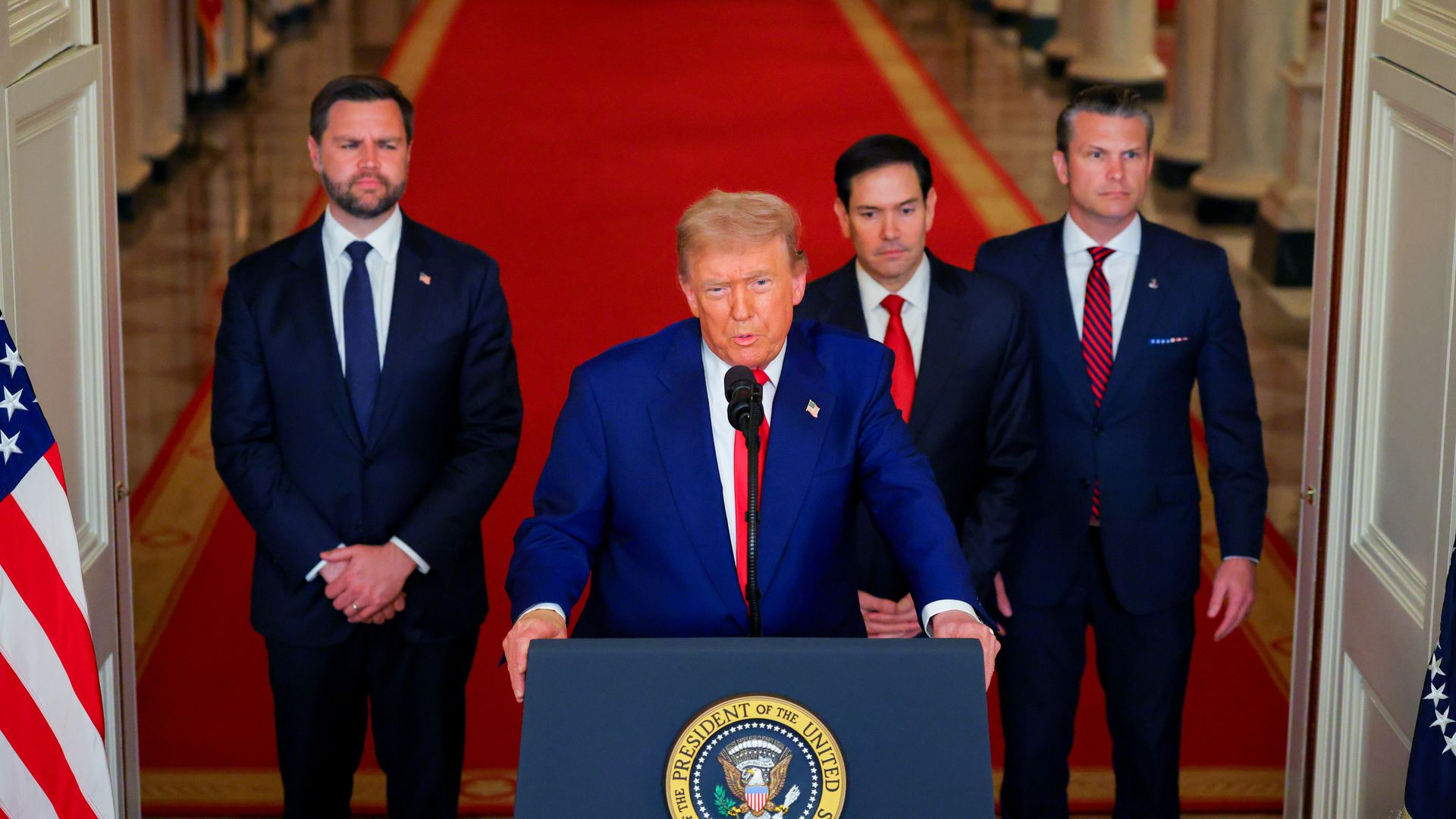
The big picture: In a historic address from the White House, President Trump called the operation a "spectacular military success" and claimed Iran's key uranium enrichment sites "have been completely and totally obliterated."
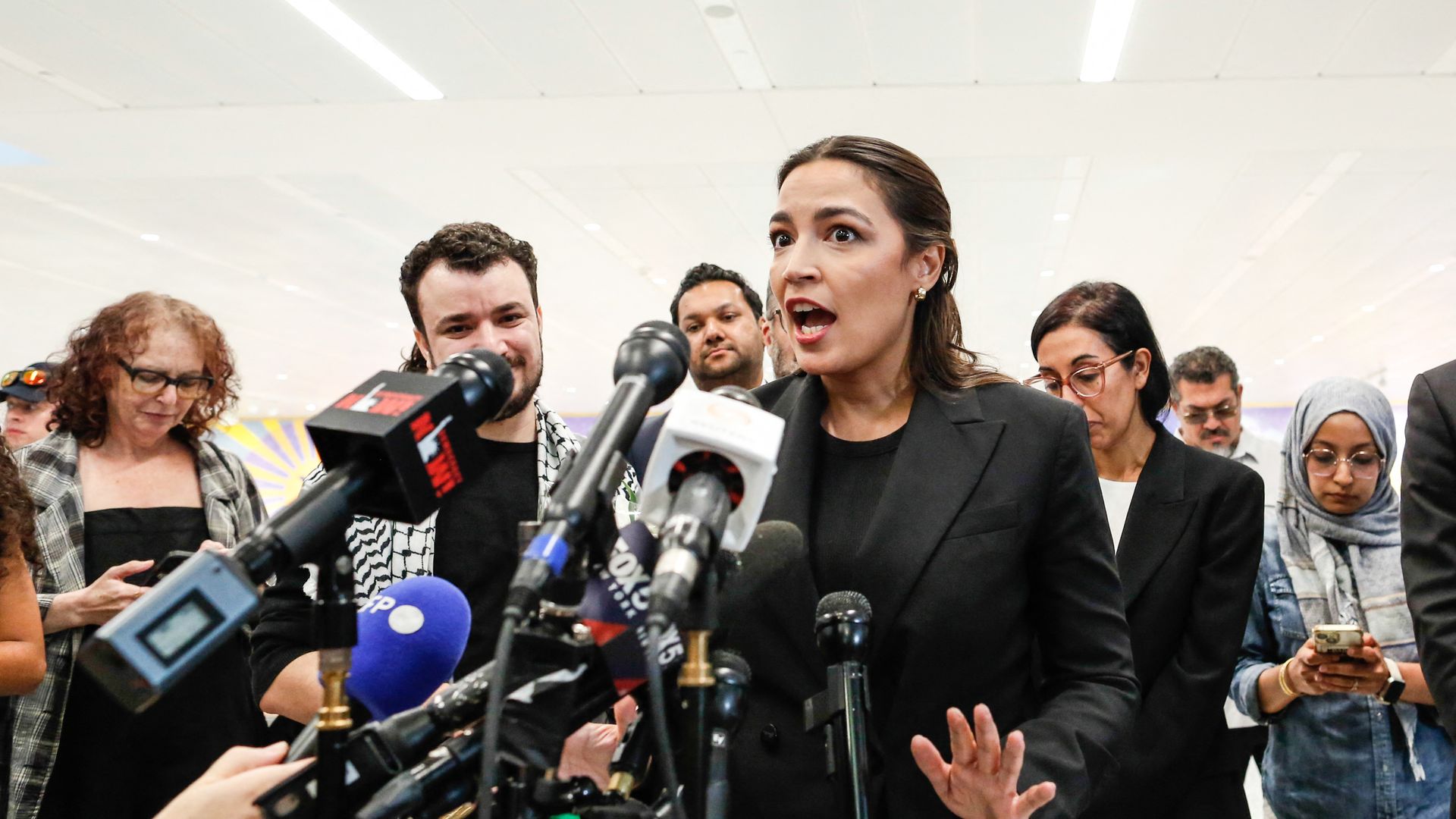
Why it matters: It's a shocking declaration by one of House Democrats' most high-profile progressives at a time when most in the party are instinctively rejecting the mere mention of impeachment.
President Trump's MAGA movement appeared to largely coalesce late Saturday in supporting his decision to strike Iranian nuclear sites, despite its bitter infighting recently over the prospect of the U.S. intervening in the Israel-Iran war.
Why it matters: Skepticism of foreign entanglements is a foundational pillar of Trump's "America First" credo — but so is support for the president.
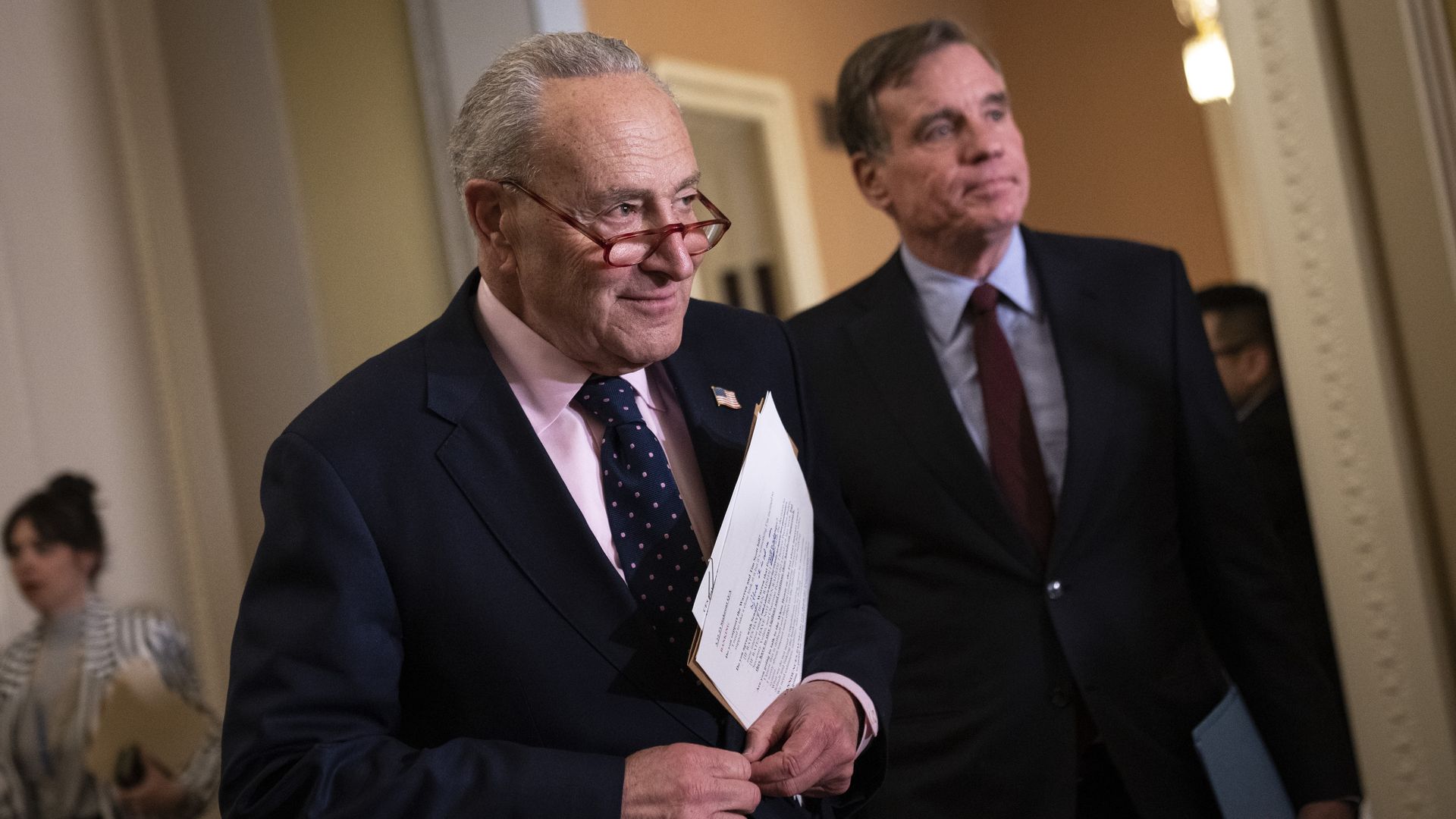
Top Democrats on Capitol Hill say they weren't briefed in advance of the U.S. attackon Iran on Saturday, multiple sources familiar with the discussions told Axios.
Why it matters: Democrats left Capitol Hill for the Juneteenth holiday recess without answers to what they said were basic questions about a potential strike against Iran.
While most congressional Republicans and some pro-Israel Democrats are praising President Trump's strikes on Iranian nuclear facilities, pockets of opposition are already emerging in both parties.
Why it matters: The objections center on the argument that Trump needed congressional authorization for such a provocative use of military force, with one House Democrat pushing for a vote to restrict further unilateral action.