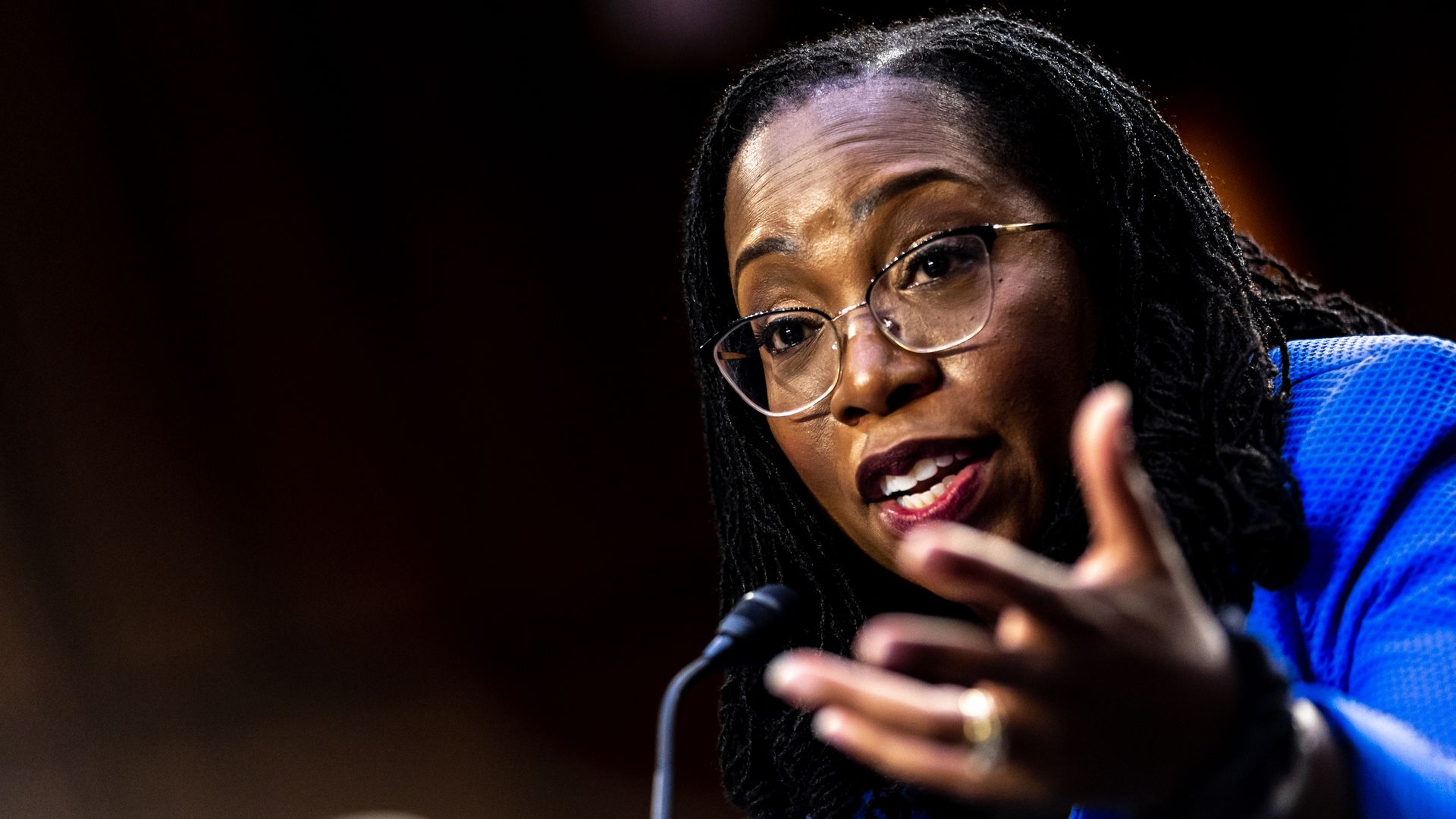
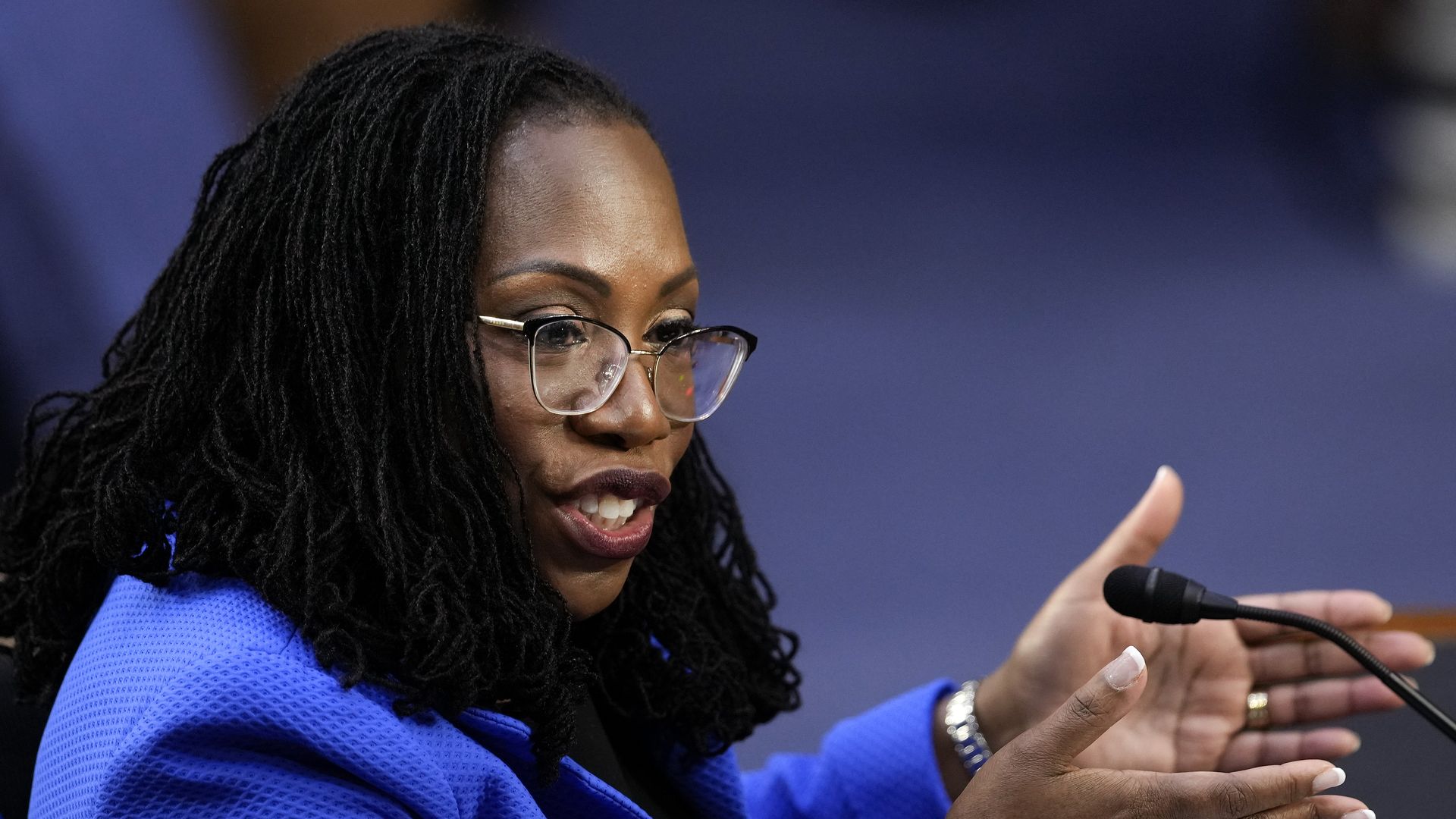
The historical significance of Ketanji Brown Jackson's nomination to the U.S. Supreme Court was on full display on Wednesday as Sen. Cory Booker (D-N.J.) spoke of its ripple effect on the third day of confirmation hearings.
Why it matters: Booker, the only Black senator on the Senate Judiciary Committee, made clear both the personal and national implications of her nomination between Republican attempts to paint her as soft on child pornography. If confirmed, Jackson would be the first Black woman to serve as a Supreme Court justice.
Sen. Ben Sasse (R-Neb.) argued against the presence of cameras in the Supreme Court while pointing to the "jacka--ery" seen in Congress, after several of his colleagues aggressively questioned Supreme Court nominee Ketanji Brown Jackson on Wednesday.
What they're saying: "Transparency is a virtue. Transparency is a good thing," Sasse said, while also cautioning that "cameras change human behavior."
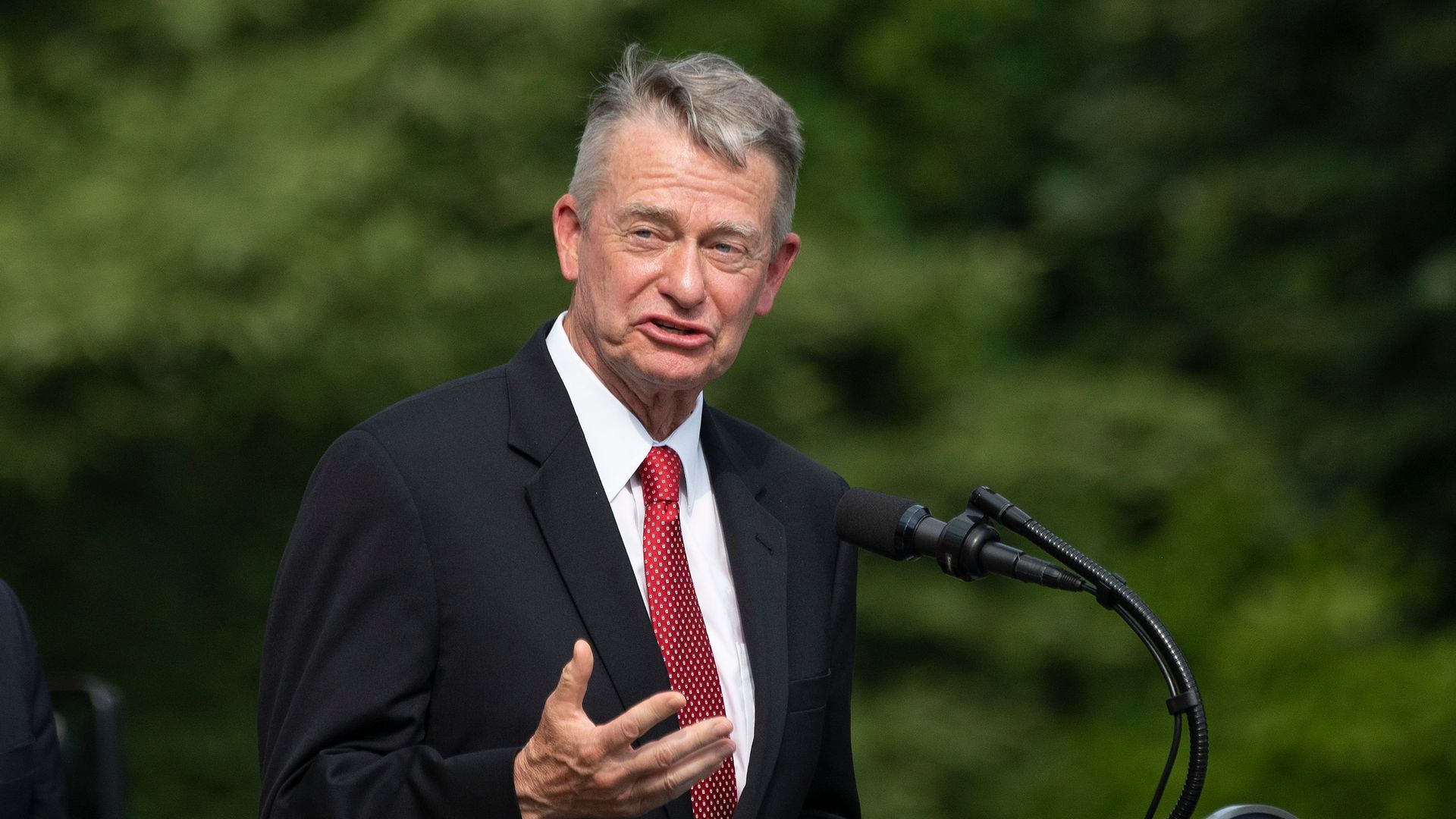
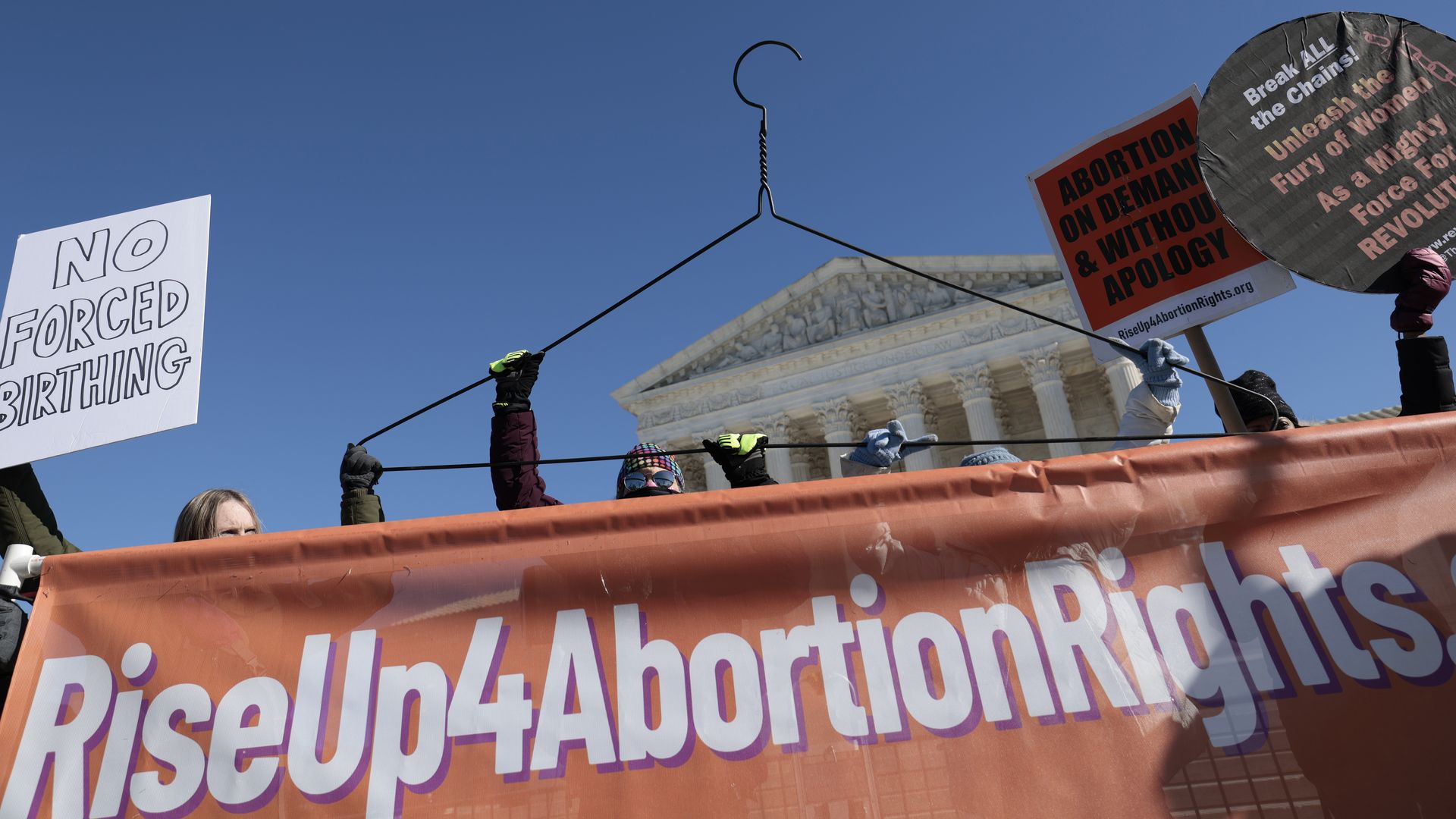
Idaho Gov. Brad Little (R) on Wednesday signed into law a bill that outlaws abortions after six weeks of pregnancy, before many people know they are pregnant, per AP.
Why it matters: Idaho is the first state to model a law after Texas' six-week abortion ban, which encourages private citizens to sue any health professional who has provided an abortion.
Supreme Court nominee Ketanji Brown Jackson said Wednesday that she plans to recuse herself from a case that alleges that Harvard University's admissions process discriminates against Asian American applicants if she is confirmed.
Driving the news: On the third day of Jackson's confirmation hearings, Sen. Ted Cruz (R-Texas) asked if she planned to step aside from the lawsuit since she is part of Harvard's Board of Overseers. "That is my plan," Jackson answered.
President Biden has called Vladimir Putin a "war criminal," and allegations of war crimes by Russia in Ukraine are mounting,including in the city of Bucha.
The big picture: War crimes have been historically hard to investigate, and often they're even more challenging to prosecute. But cases have delivered justice to victims worldwide, and experts say the evidence against Russia in Ukraine could amount to formal war crime charges in the near future.
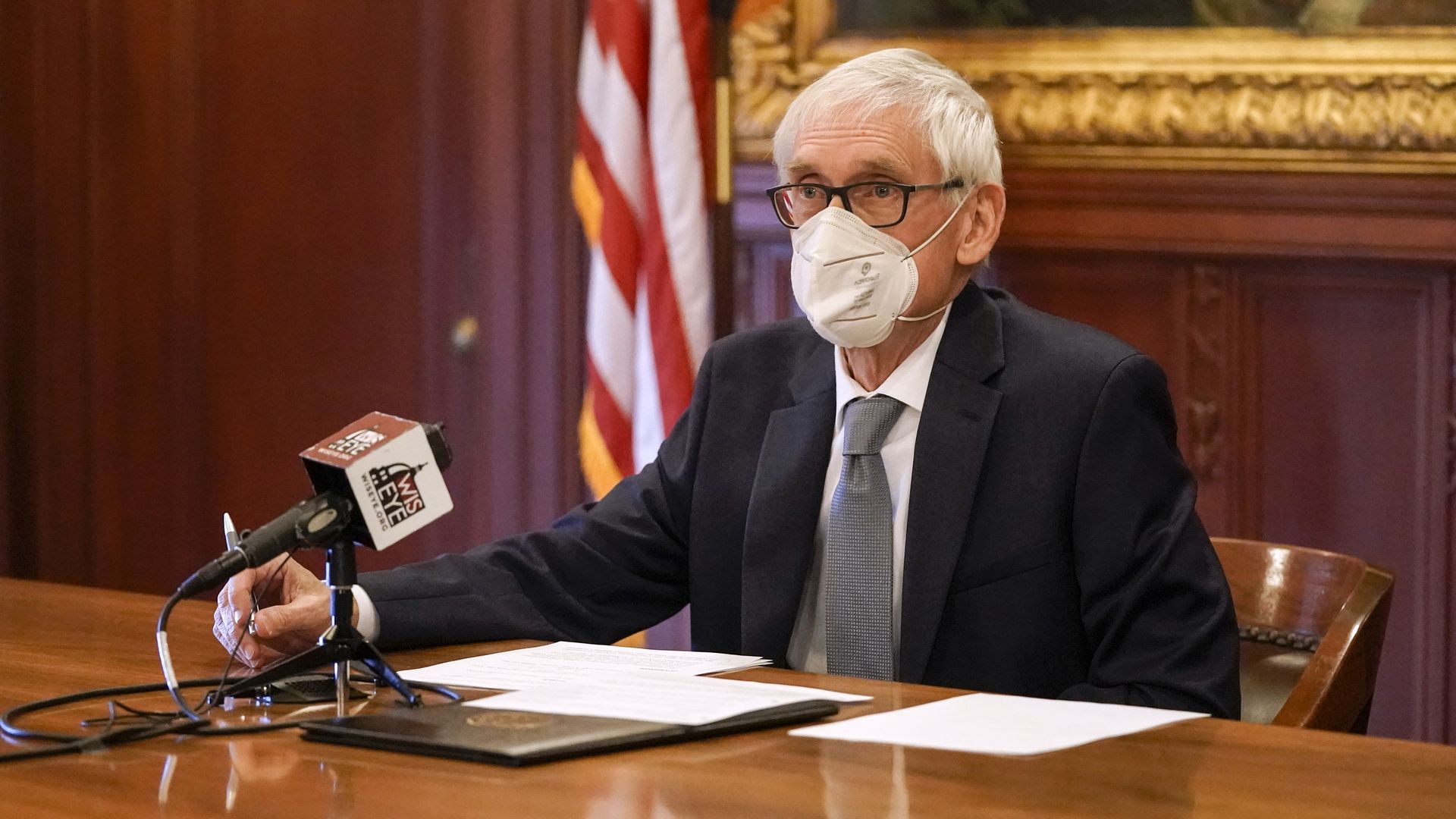
The Supreme Court on Wednesday sided with Wisconsin's Republican-led legislature and struck down the state's redistricting plans drawn up by Democratic Gov. Tony Evers.
Driving the news: In the unsigned order, the justices reversed an opinion by the Wisconsin Supreme Court, which it noted is "free to take additional evidence if it prefers to reconsider the Governor’s maps rather than choose from among the other submissions."
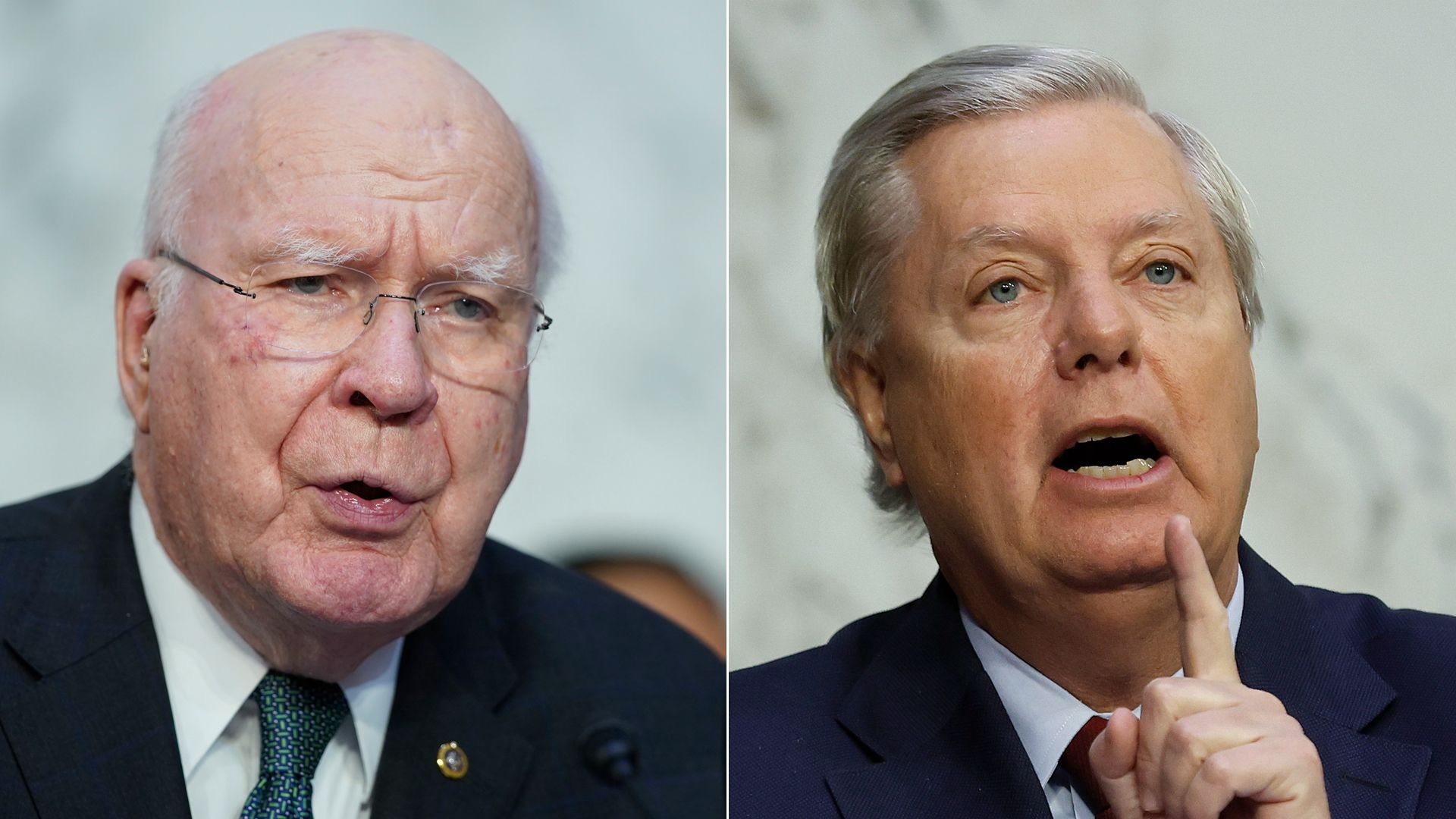
Sen. Patrick Leahy (D-Vt.) told reporters on Wednesday that Sen. Lindsey Graham's (R-S.C.) line of questioning for Supreme Court nominee Ketanji Brown Jackson was "outrageous," adding, "I've never seen anything like it."
Driving the news: During the third day of Jackson's Senate confirmation hearings, Graham asked the judge about sentences she's given to people convicted of child sexual abuse images and her opinion of Justice Brett Kavanaugh's hearings, but interrupted when she attempted to answer any of his questions.
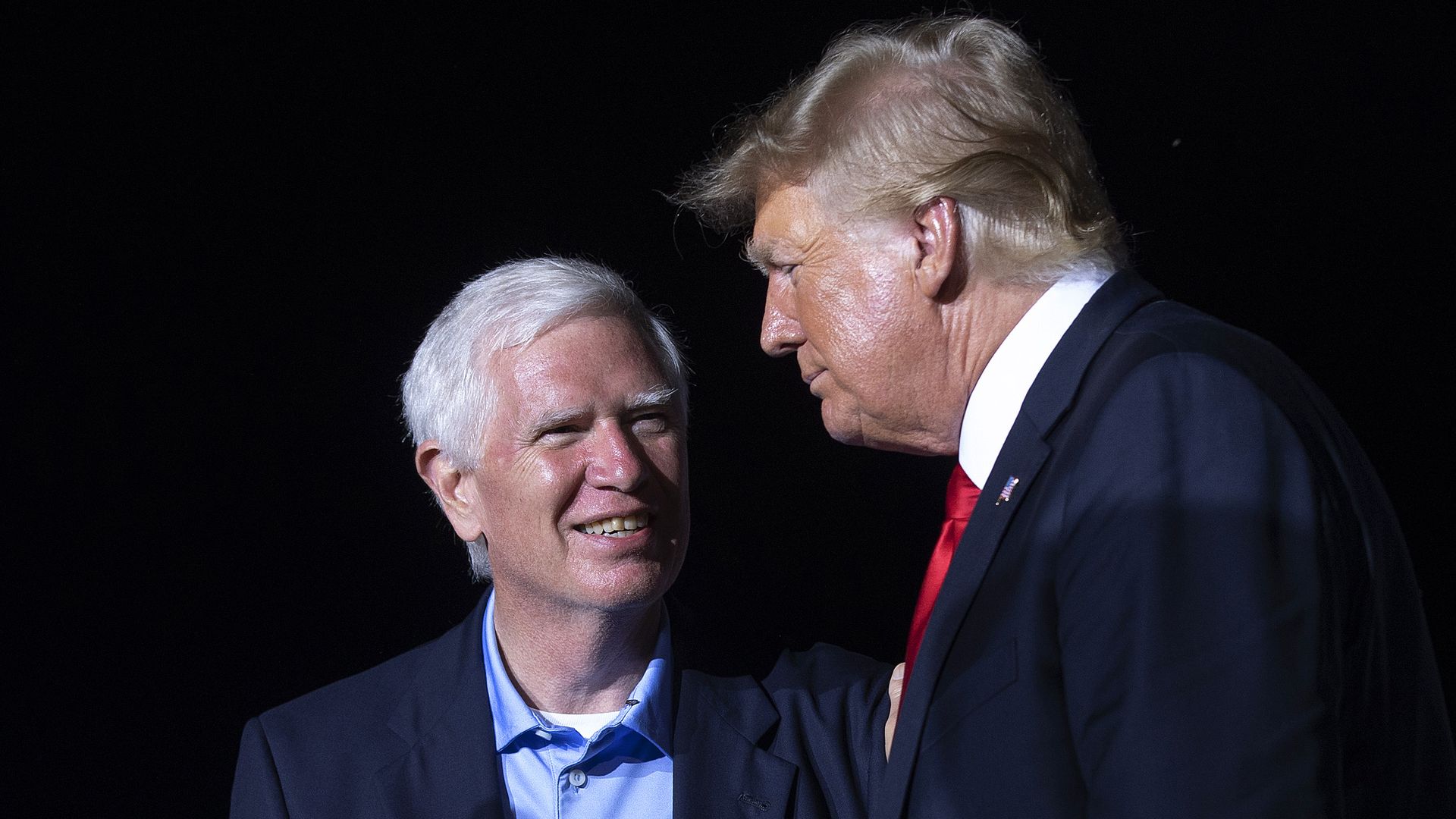
Alabama Senate candidate Mo Brooks (R) said Wednesday that former President Trump asked him to "remove Joe Biden from the White House."
Driving the news: "President Trump asked me to rescind the 2020 elections, immediately remove Joe Biden from the White House, immediately put President Trump back in the White House, and hold a new special election for the presidency," Brooks said in a statement.
Secretary of State Tony Blinken is expected to travel to the Middle East next week after he joins President Biden’s trip to Brussels and Poland, four U.S. and Israeli officials tell me.
Why it matters: Blinken is set to arrive at a time when U.S. relations with many of its partners and allies in the region are tense. His original itinerary included stops in Saudi Arabia and the UAE, but as the dates of the trip shifted back and forth several times, those visits were dropped.
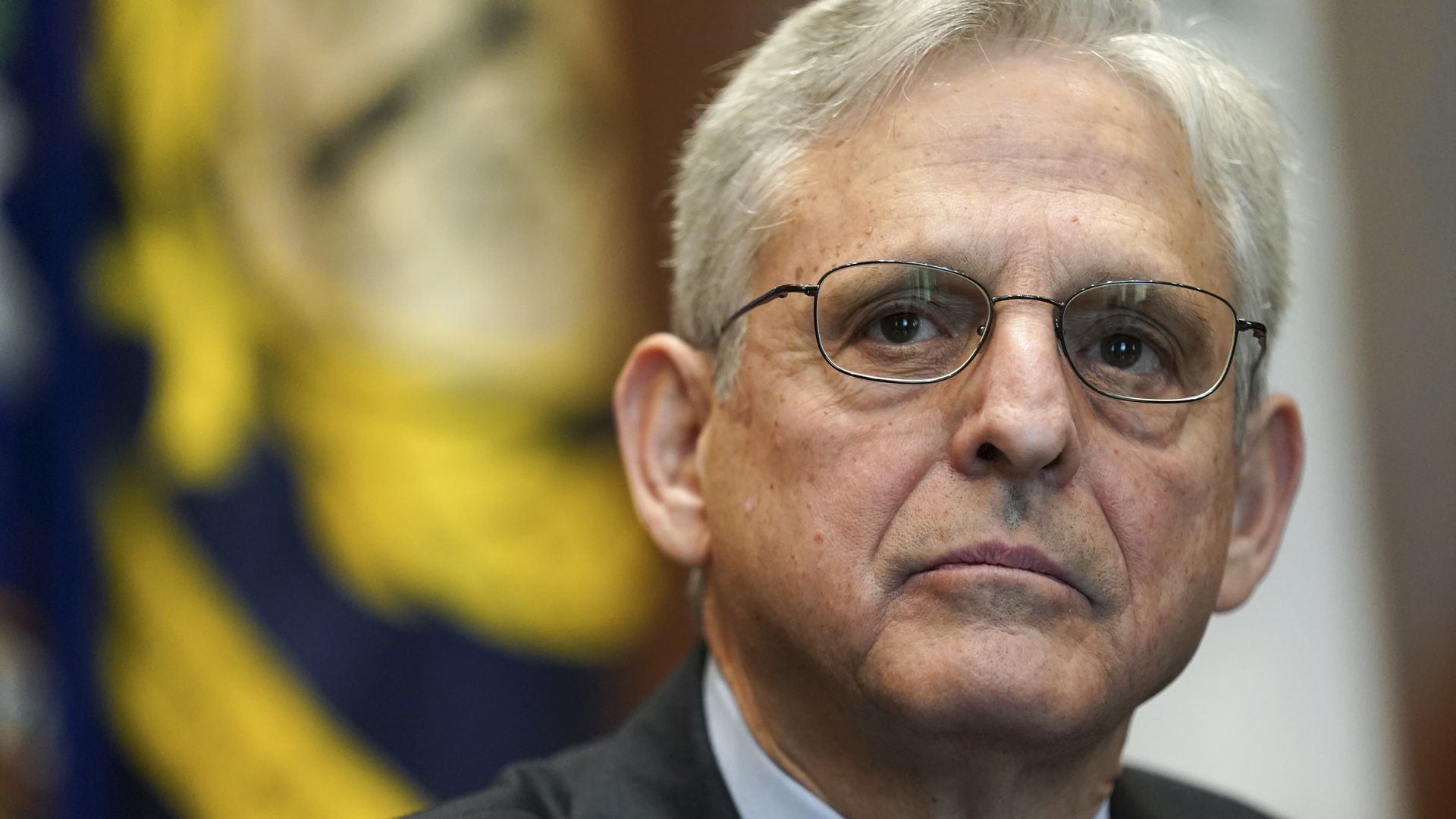
Ketanji Brown Jackson said Wednesday that if the Senate confirms her to serve as Supreme Court justice, she would rule from "a position of neutrality."
What she's saying: "In my capacity as a justice, I would do what I've done for the past decade, which is to rule from a position of neutrality to look carefully at the facts and the circumstances of every case, without any agendas, without any attempt to push the law in one direction or the other," Jackson said during the third day of her Senate confirmation hearings.
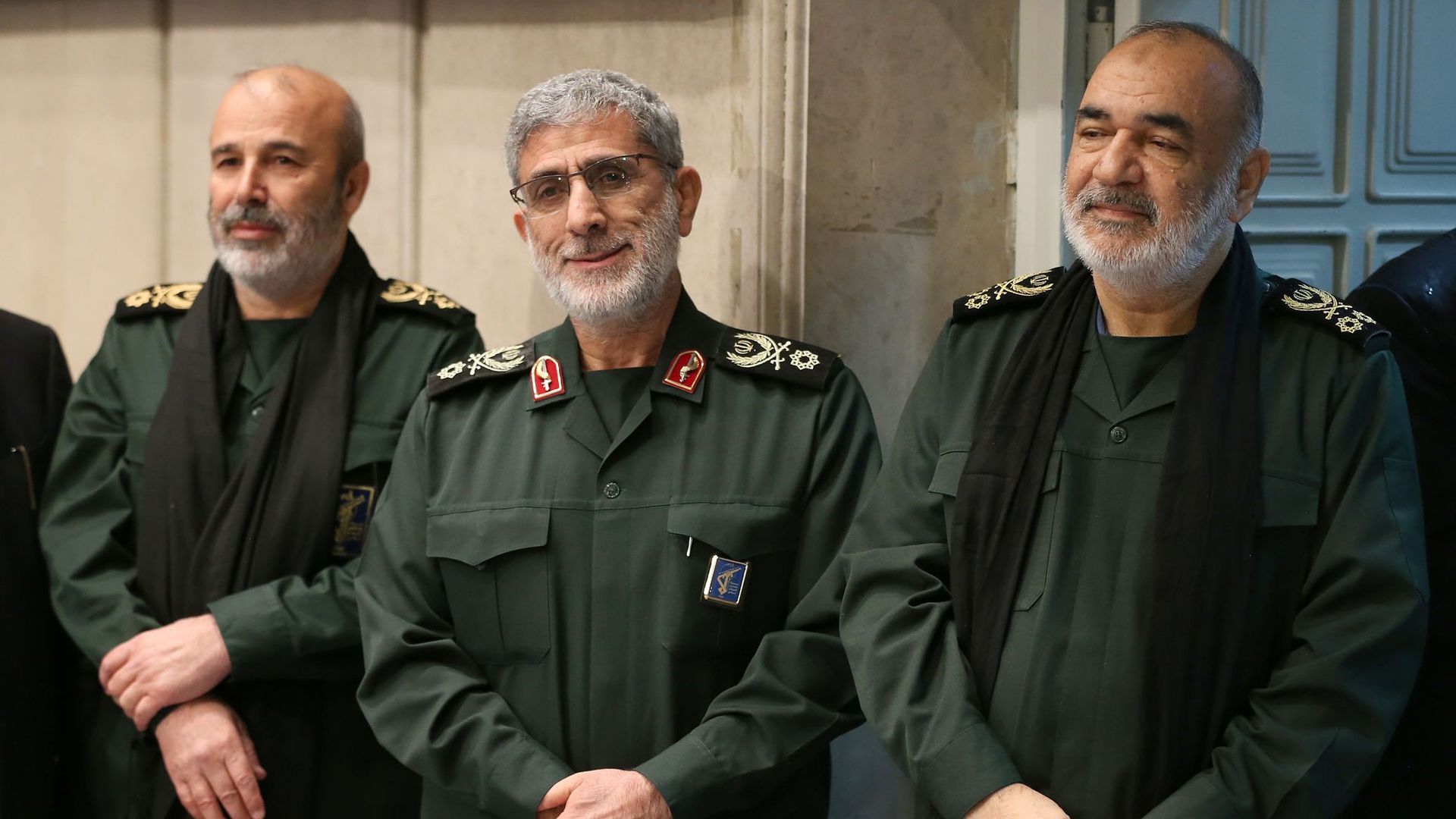
Iranian officials have not agreed to publicly commit to de-escalation in the region — a U.S. condition for removing the country's Islamic Revolutionary Guard Corps (IRGC) from a terror list, two U.S. sources with direct knowledge of the issue and one Israeli official told me.
Why it matters: An agreement to restore the 2015 nuclear deal is nearly complete, but Iran's demand that President Biden reverse former President Trump's decision to designate the IRGC as a Foreign Terrorist Organization is one of the last remaining sticking points.
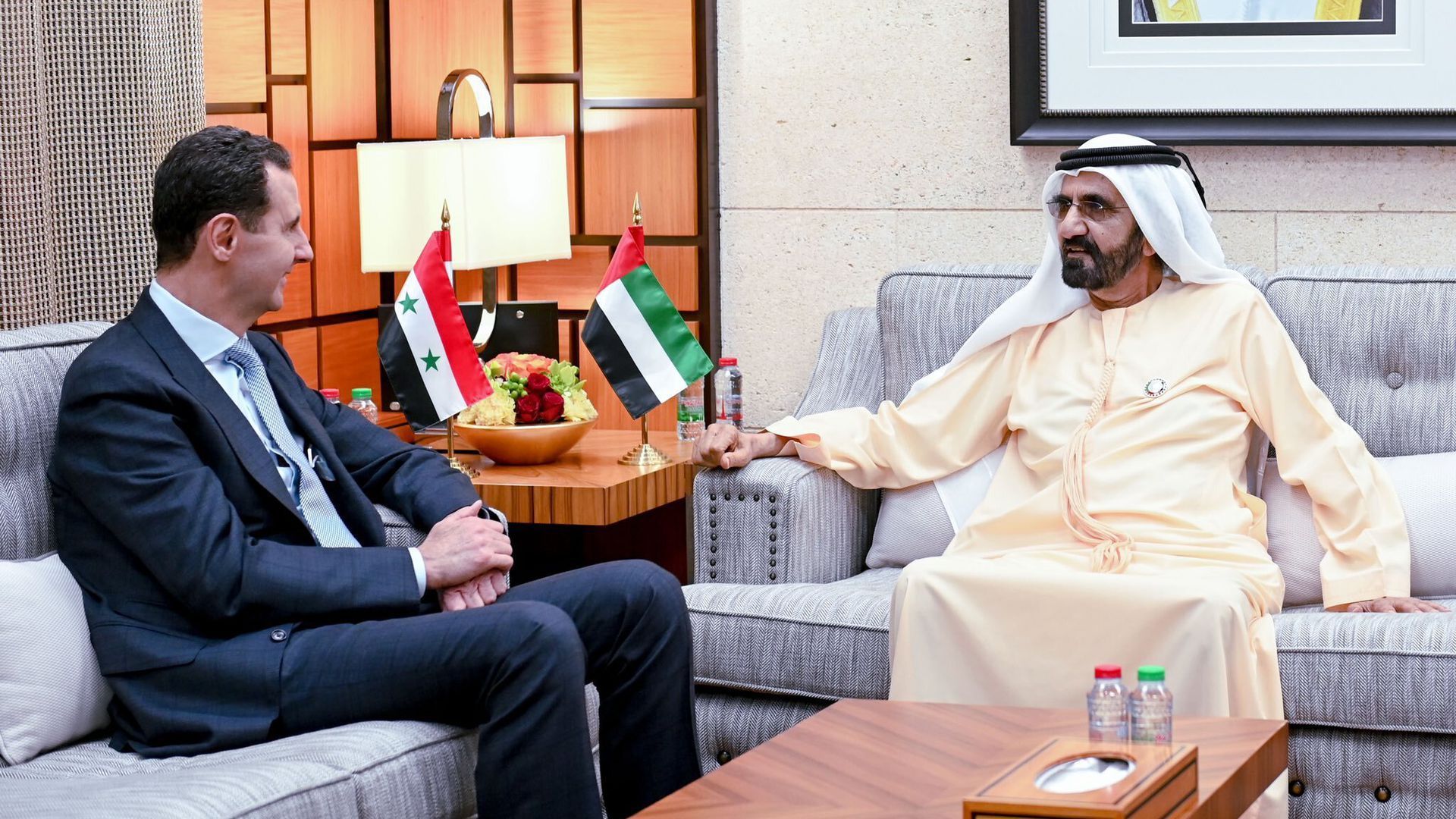
The Biden administration was caught off guard last Friday when Syrian President Bashar al-Assad visited the United Arab Emirates, two sources with direct knowledge of the issue told me.
Why it matters: Assad's visit, which was his first to an Arab country since the Syrian war erupted 11 years ago, added more tension to the already strained relations between the U.S. and the UAE.
Democratic Reps. Ted Lieu and Eric Swalwell of California in a letter Wednesday asked U.S. Attorney General Merrick Garland to investigate whether Russia has committed war crimes by deliberately targeting civilians during its invasion of Ukraine.
The latest: Secretary of State Antony Blinken said Wednesday that the U.S. assessed that Russian forces are committing war crimes in Ukraine.
Former President Trump announced Wednesday that he is withdrawing his endorsement of Alabama Senate hopeful Mo Brooks (R), calling him "woke" for saying it was time to move on from the 2020 election.
Catch up fast: Back in August, Rep. Brooks told a Trump rally crowd to stop focusing on disputing the 2020 election results and "put that behind you" and "look forward" to 2022, resulting in boos from the audience.
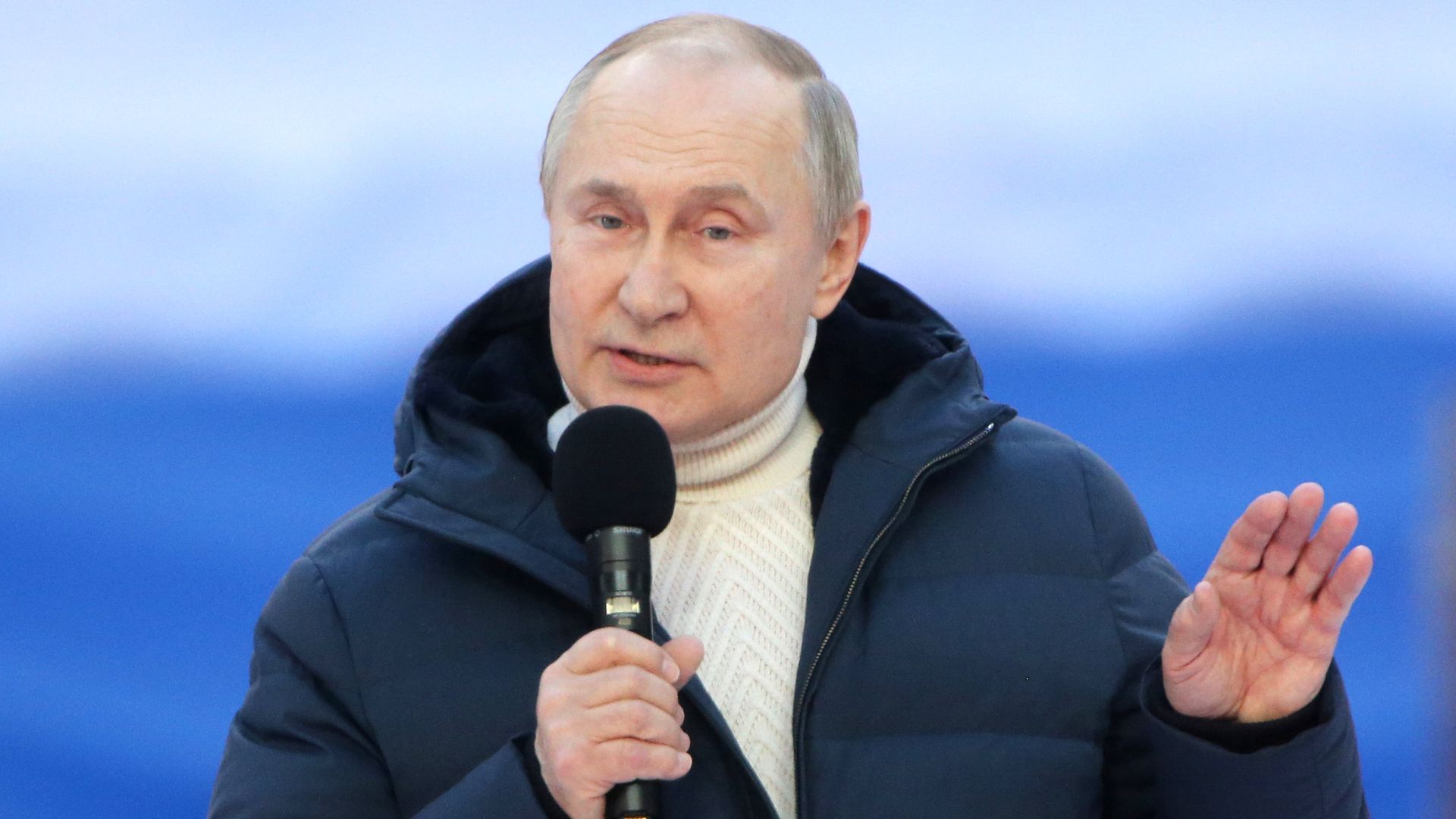
Russian President Vladimir Putin plans to attend this year's G20 summit in Bali, Indonesia, Russia's ambassador in Jakarta said Wednesday, per Reuters.
Driving the news: White House National security adviser Jake Sullivan told reporters on Tuesday that the U.S. would consult with allies about whether Russia should remain a member of the Group of 20 major economies after the invasion of Ukraine.
The Oklahoma House voted 78-19 Tuesday to ban all abortions unless it's necessary for saving a pregnant person's life.
Why it matters: The bill, which would incentivize private citizens to sue anyone suspected of helping a person get an abortion, would surpass Texas' six-week abortion ban to become the most restrictive in the nation.
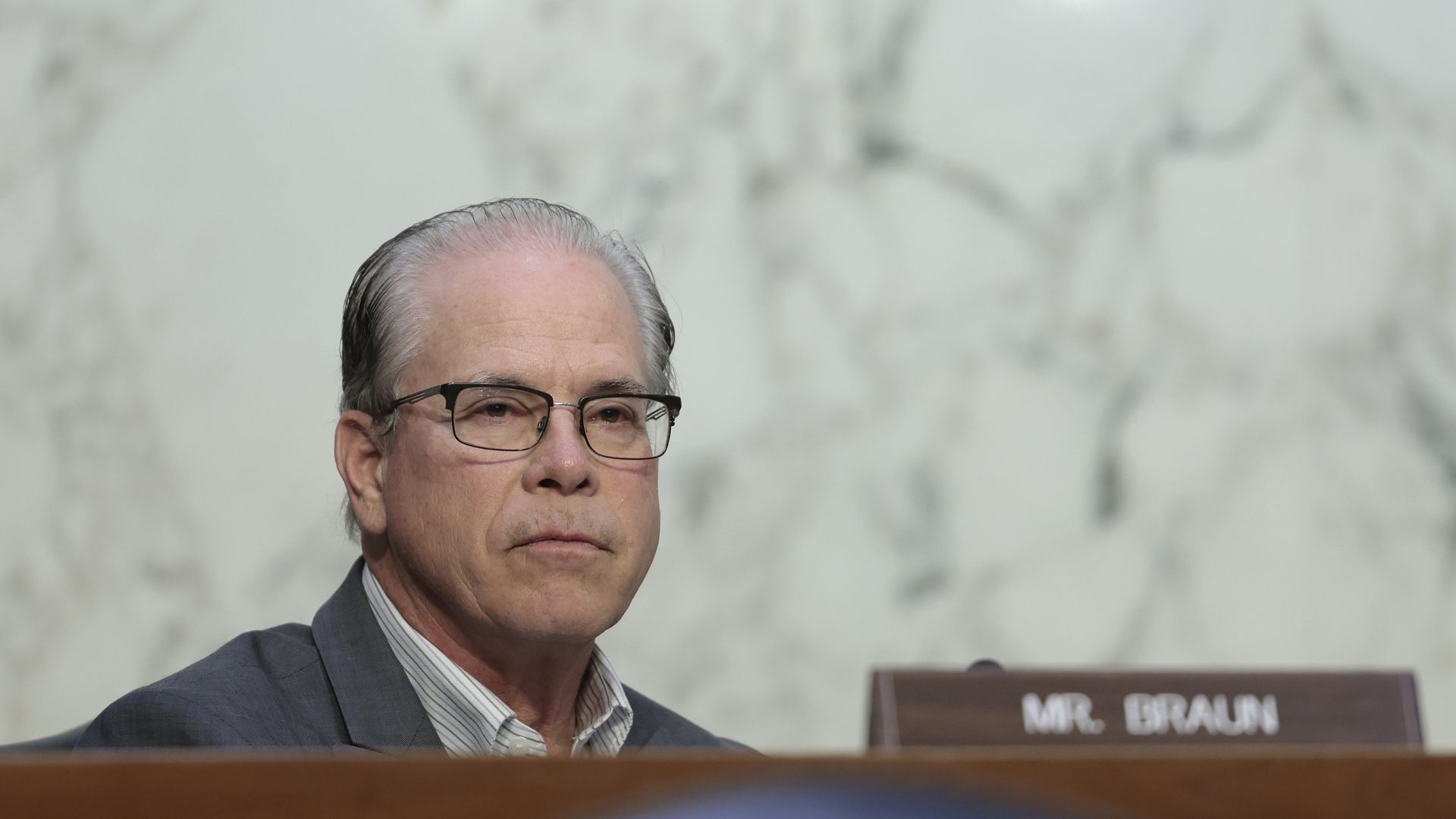
Sen. Mike Braun (R-Ind.) suggested Tuesday that the Supreme Court should have left it to states to decide on interracial marriage law instead of legalizing it nationally in 1967. He later clarified he "misunderstood the question."
Driving the news: Braun indicated he was open to rescinding the ruling and others made by justices on the bench over the past 70 years in favor of state legislatures while discussing with reporters Judge Ketanji Brown Jackson's nomination to the Supreme Court.
A bipartisan group of senators is working with the Treasury Department to try to lock down Russia's roughly $132 billion in gold reserves after its invasion of Ukraine.
Why it matters: The collaborative approach is a departure from congressional efforts to shame and blame the Biden administration to shape moves on Russian oil imports, or the SWIFT banking system. If successful, it could drive more work across the aisle and along both ends of Pennsylvania Avenue, as the president balances diplomatic pressures abroad with political pressures at home.
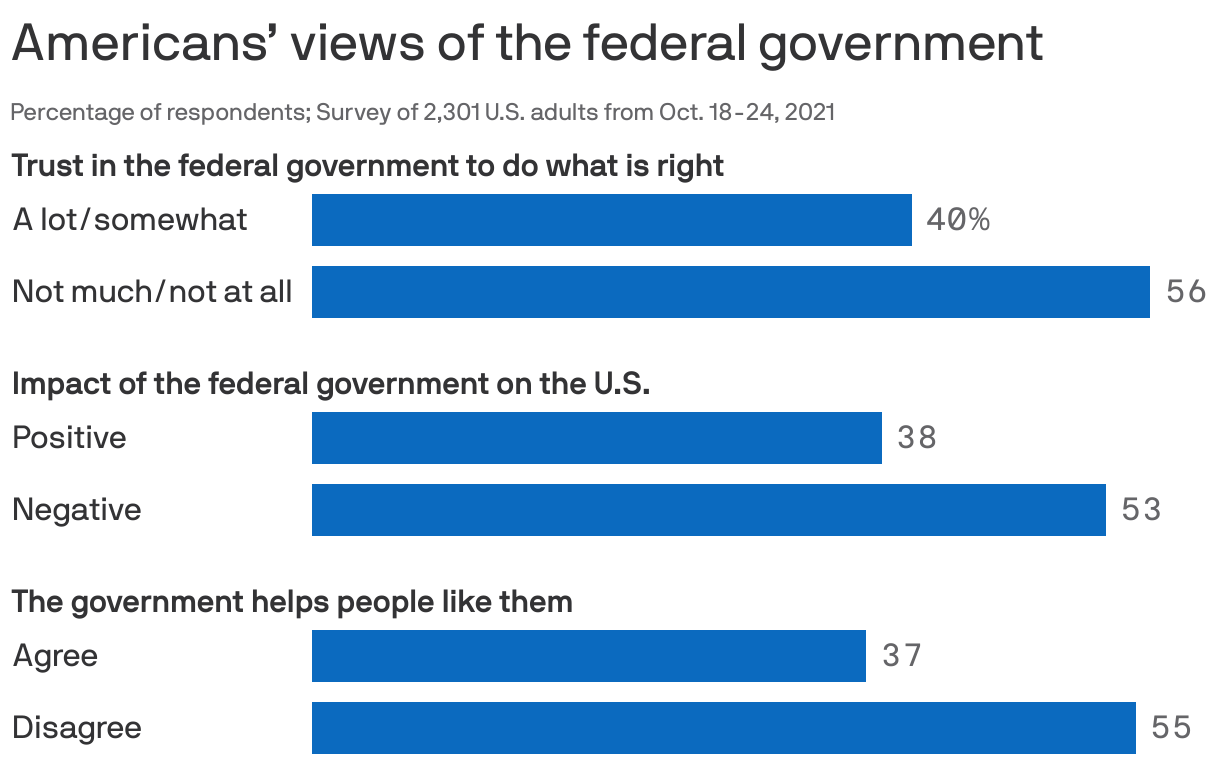
Data: Partnership for Public Service and Freedman Consulting; Chart: Kavya Beheraj/Axios
More than half of Americans do not trust the federal government and don't think it helps people like them, according to a new survey by Partnership for Public Service and Freedman Consulting.
Between the lines: Distrust in institutions is widespread, but there are also stark partisan differences. Three out of five Democrats say they trust the government to do the right thing, compared to fewer than three in 10 Republicans.