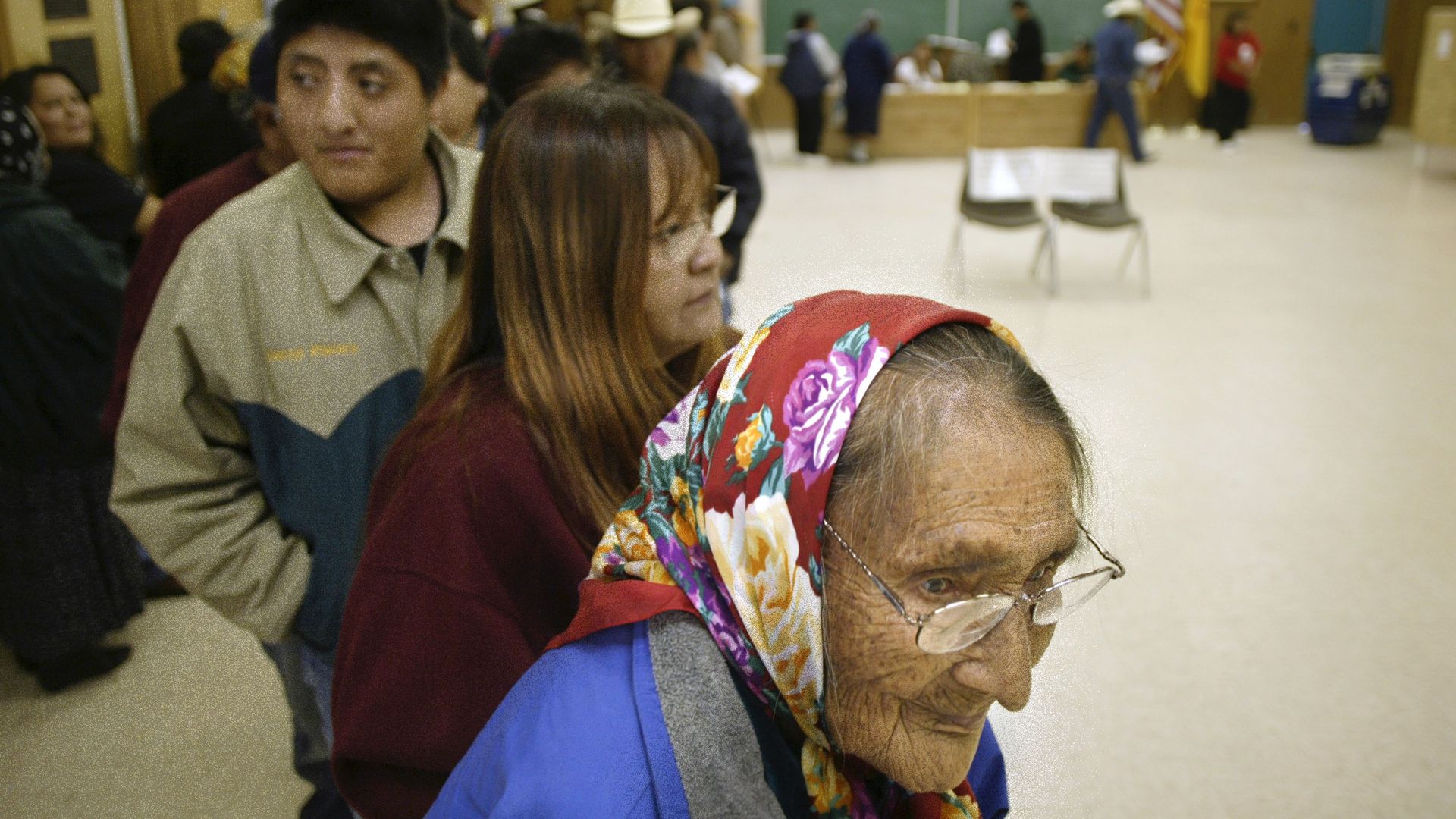
Native American voters face heightened discrimination at the ballot box like Black Americans and Latino voters, but they're often left out of the conversation about election reform despite their ability to swing crucial races.
Why it matters: Voting rights is quickly becoming a litmus test for Democratic candidates to succeed nationwide, and a top priority for the Biden administration. Some Democrats are looking to carve out specific legislation helping to preserve Indigenous voters' access.
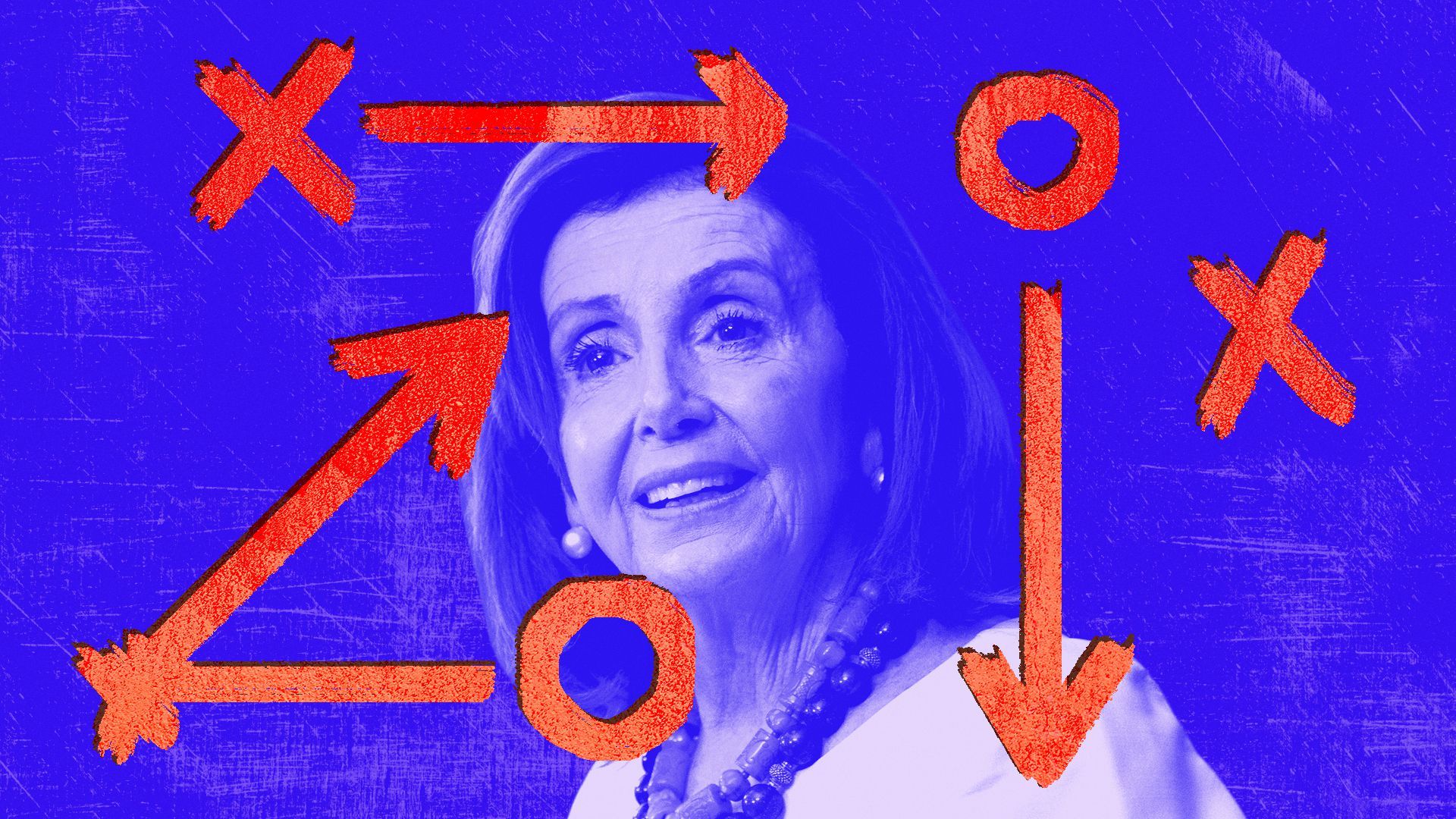
Nancy Pelosi's decision to seek an 18th full term has added a new angle to Republican efforts to win back the House: tying swing-state Democrats to an even bigger Democratic bogeywoman than President Biden.
Why it matters: This may be the GOP's last opportunity to capitalize on the presence of Pelosi, a classic California liberal who conservatives love to hate. The speaker struck a deal in 2018 to step down from leadership after two terms, but that may not be soon enough for candidates struggling to explain the policies she's pushed.
New data from the New York Times on so-called dark money in U.S. politics shows how both the left and right have centralized and streamlined the distribution of massive amounts of donations in ways that obscure their origins.
Why it matters: The hundreds of millions funneled to politically active nonprofits on both sides rival the war chests of national political parties themselves. But the groups operate independently, often run by people whose roles are opaque or unknown entirely and with sources of financing that will likely never be revealed.
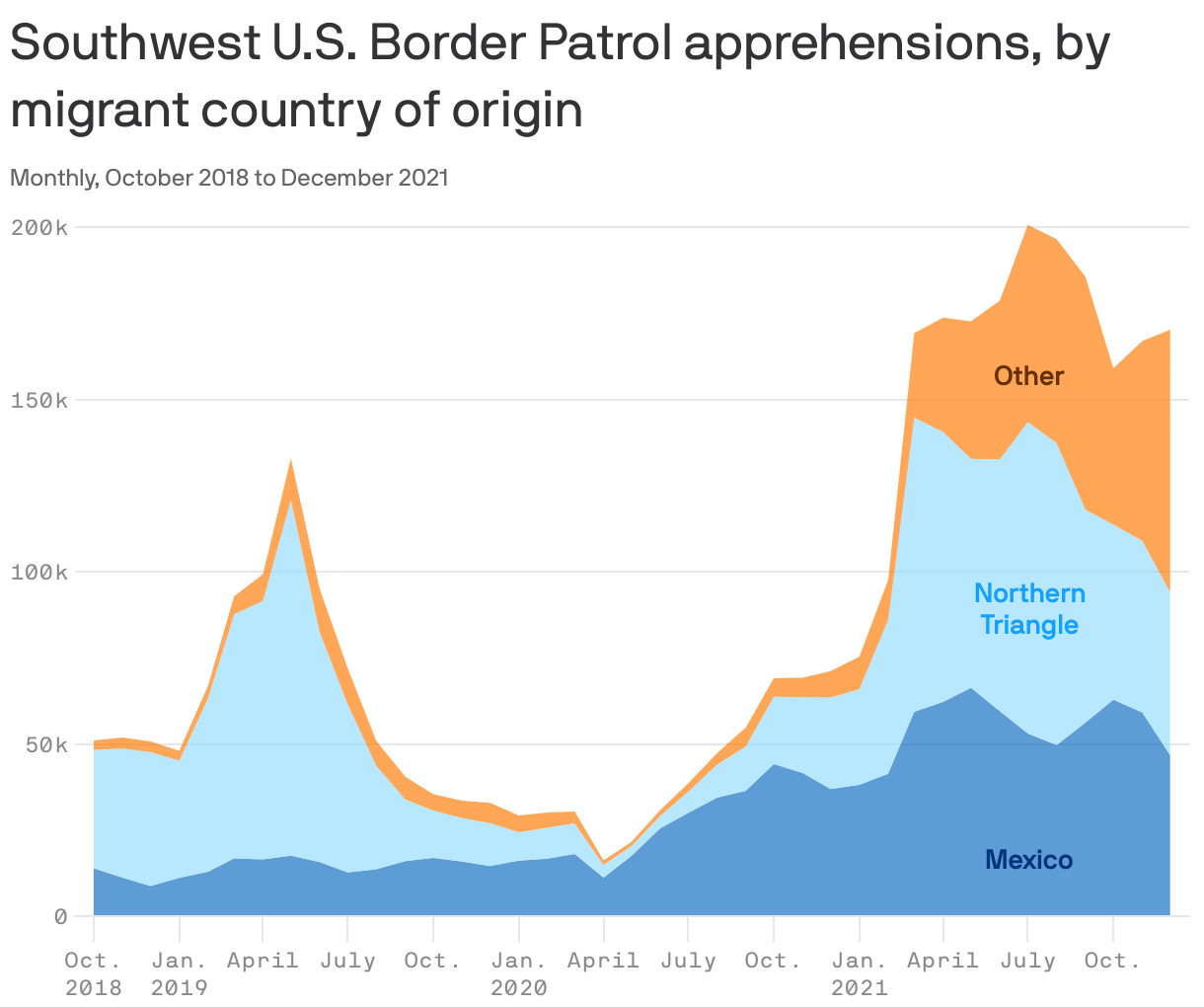
Data: U.S. Customs and Border Protection; Note: "Northern Triangle" refers to Guatemala, Honduras and El Salvador; Chart: Kavya Beheraj/Axios
Migrants from South American countries, Cuba and Haiti — as well as more distant nations like Russia, Ukraine, Turkey and India — drove an uptick in traffic at the U.S.-Mexico border last month.
Why it matters: For years, most migrants attempting to cross the U.S.-Mexico border have come from Mexico or the Northern Triangle countries of Guatemala, Honduras and El Salvador. But last month, they were outnumbered by those making an even longer and more complicated trek to the United States.
The United Nations Security Council will be "unified" on Monday "in calling for the Russians to explain themselves," U.S. Ambassador to the United Nations Linda Thomas-Greenfield told ABC's "This Week."
Why it matters: The meeting, called by the United States and which is expected to be broadcast live on Monday, will be "one more opportunity to find a diplomatic way out for the Russians," the ambassador said.
Sen. Lindsey Graham (R-S.C.) rejected the suggestion by some in his party that nominating a Black woman to the Supreme Court would be "affirmative action," while heaping praise on one of the likely frontrunners for the high court seat.
Why it matters: Graham's remarks are in stark contrast to those of Sen. Roger Wicker (R-Miss.) and some of his other Republican colleagues.
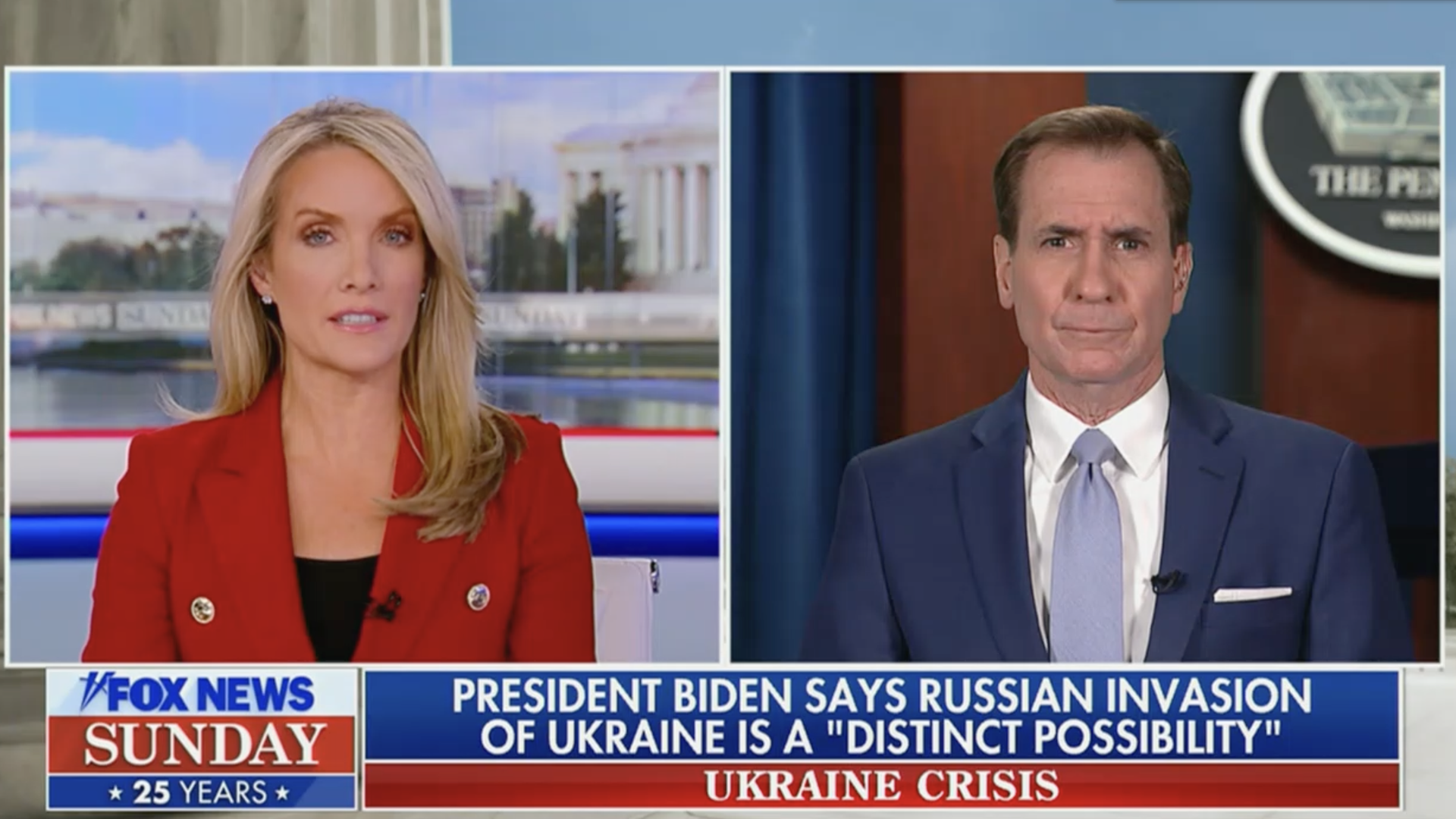
If Russia invades Ukraine, the Biden administration will consider sanctions and other economic consequences "the likes of which we have not looked at before," Pentagon spokesperson John Kirby said on Sunday.
Why it matters: Kirby's comments come as the leading Democratic and Republican lawmakers on the Senate Foreign Relations Committee announced progress on a major congressional sanctions package.
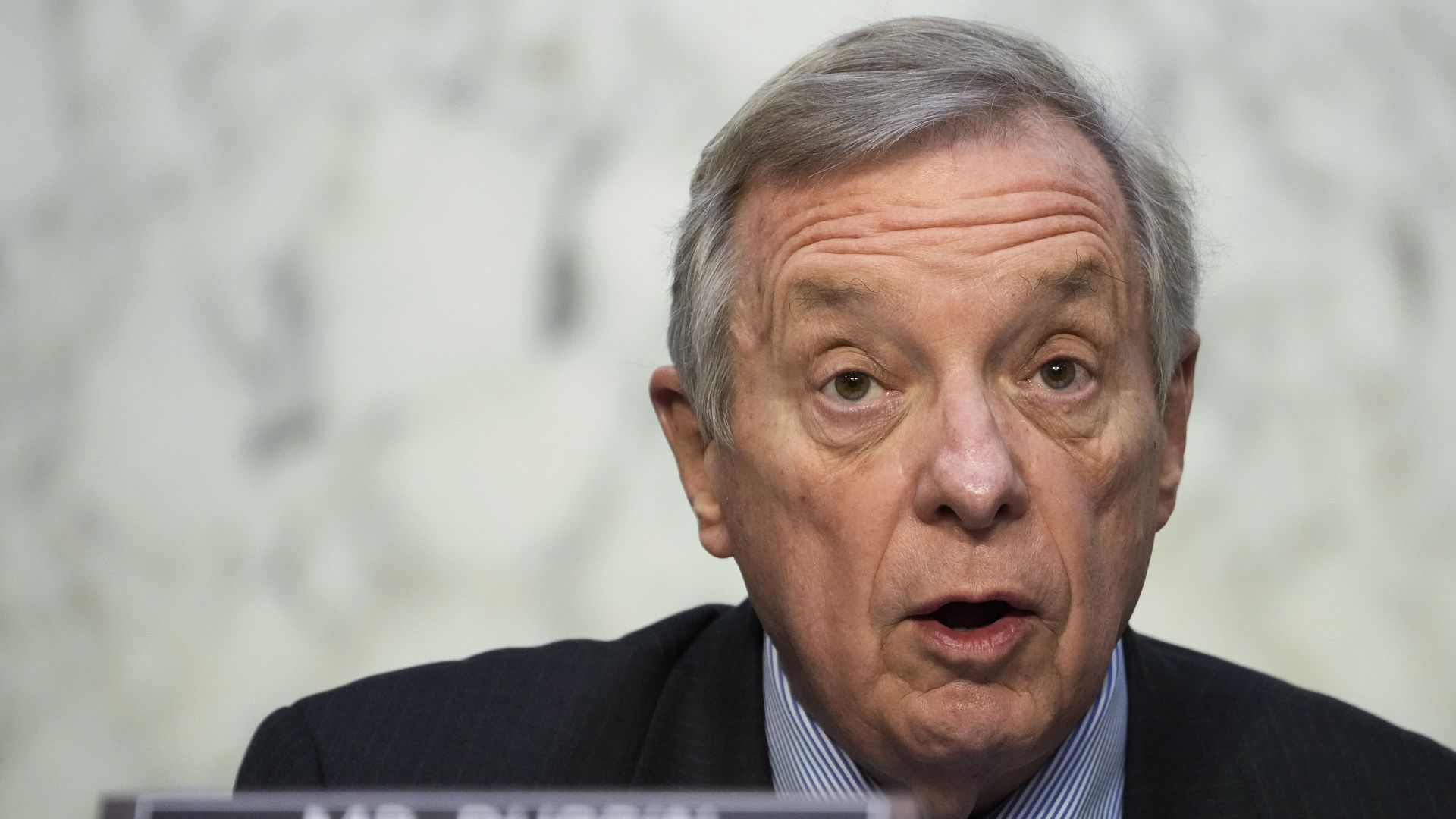
Senate Judiciary Committee Chairman Sen. Dick Durbin (D-Ill.) told NBC's "Meet the Press" Sunday that President Biden's Supreme Court nominee will have a "timely" confirmation hearing, though the time between nomination and confirmation will depend on how recently the person was before the committee.
Why it matters: Biden said last week he would nominate a Black woman to replace retiring Justice Stephen Breyer and that he would have a name by the end of February.
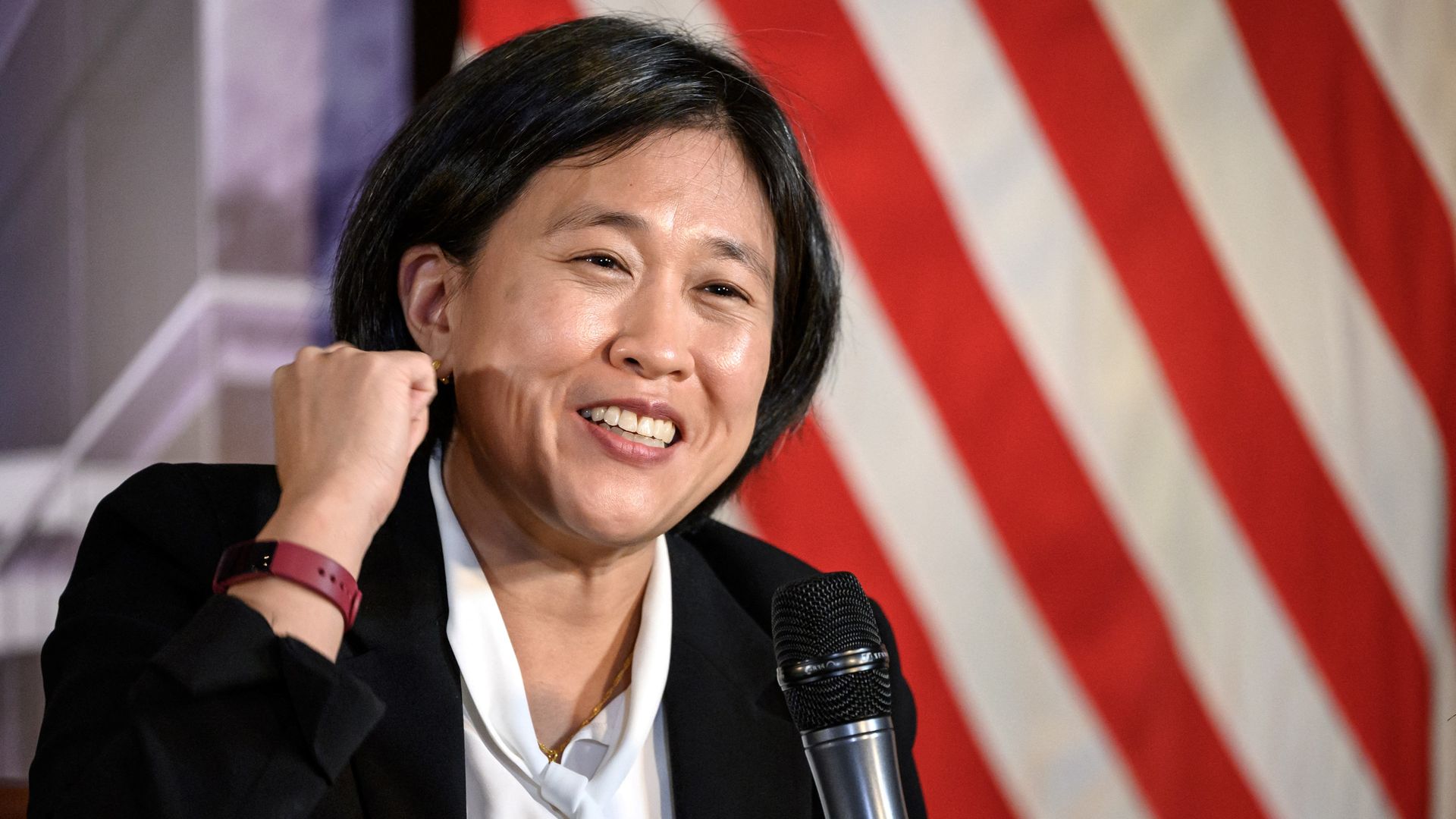
U.S. Trade Representative Katherine Tai is working to repair her relationship with national security adviser Jake Sullivan after a Situation Room confrontation in which she accused him — in front of colleagues — of undermining her in the press, people familiar with the matter tell Axios.
Why it matters: The rare window on personal clashes inside the Biden White House also illuminates the tension between the president's trade and national security advisers about how and when to execute aspects of their China strategy.