Monday's politics & policy stories

Georgia election official counters Trump's fraud claims: "Do not self-suppress your own vote"

Gabriel Sterling, Georgia's voting implementation manager, urged voters on Monday to participate in the state's high-stakes Senate runoff elections as President Trump continues to push unsubstantiated voter fraud claims that some Republicans fear will suppress turnout in the state.
Driving the news: Trump pressed Georgia's Republican secretary of state, Brad Raffensperger, this weekend to "find 11,780 votes" — enough to overturn President-elect Joe Biden's win in the state. Trump argued that "a lot of people aren't going out to vote" in the runoffs, and "a lot of Republicans are going to vote negative, because they hate what you did to the president."

Business leaders urge Republicans to drop Electoral College challenge
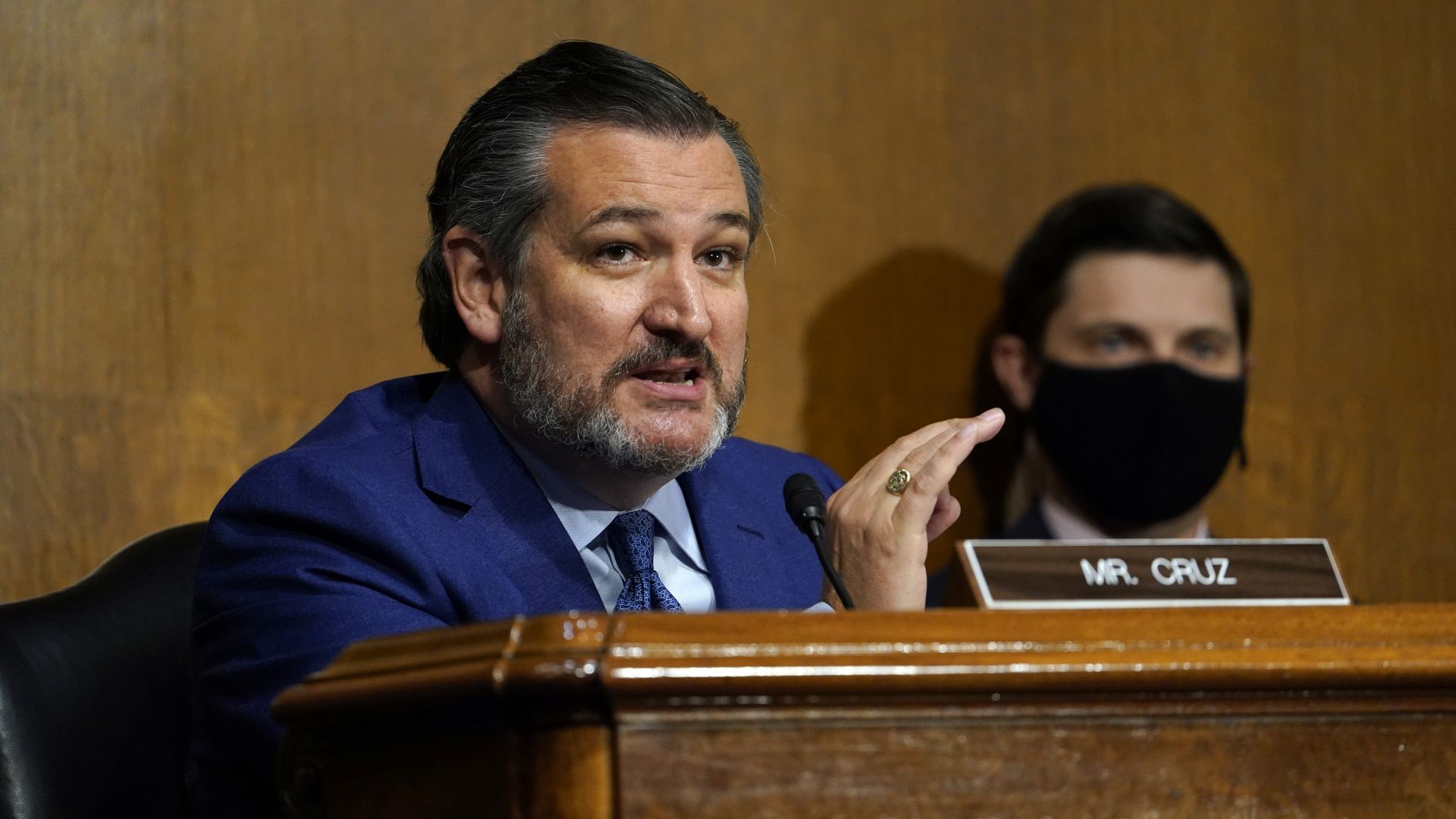
U.S. business leaders are urging Republicans to drop their plans to object to certifying the 2020 election results, saying such efforts "run counter to the essential tenets of our democracy."
Driving the news: Several Republican senators, led by Ted Cruz (R-Texas), as well as a group of House members say they will oppose certifying Joe Biden's win, despite the fact that nearly all lawsuits brought by President Trump, his allies and his legal team to challenge the election results have been dismissed.

New Republican poll shows statistical tie in Georgia
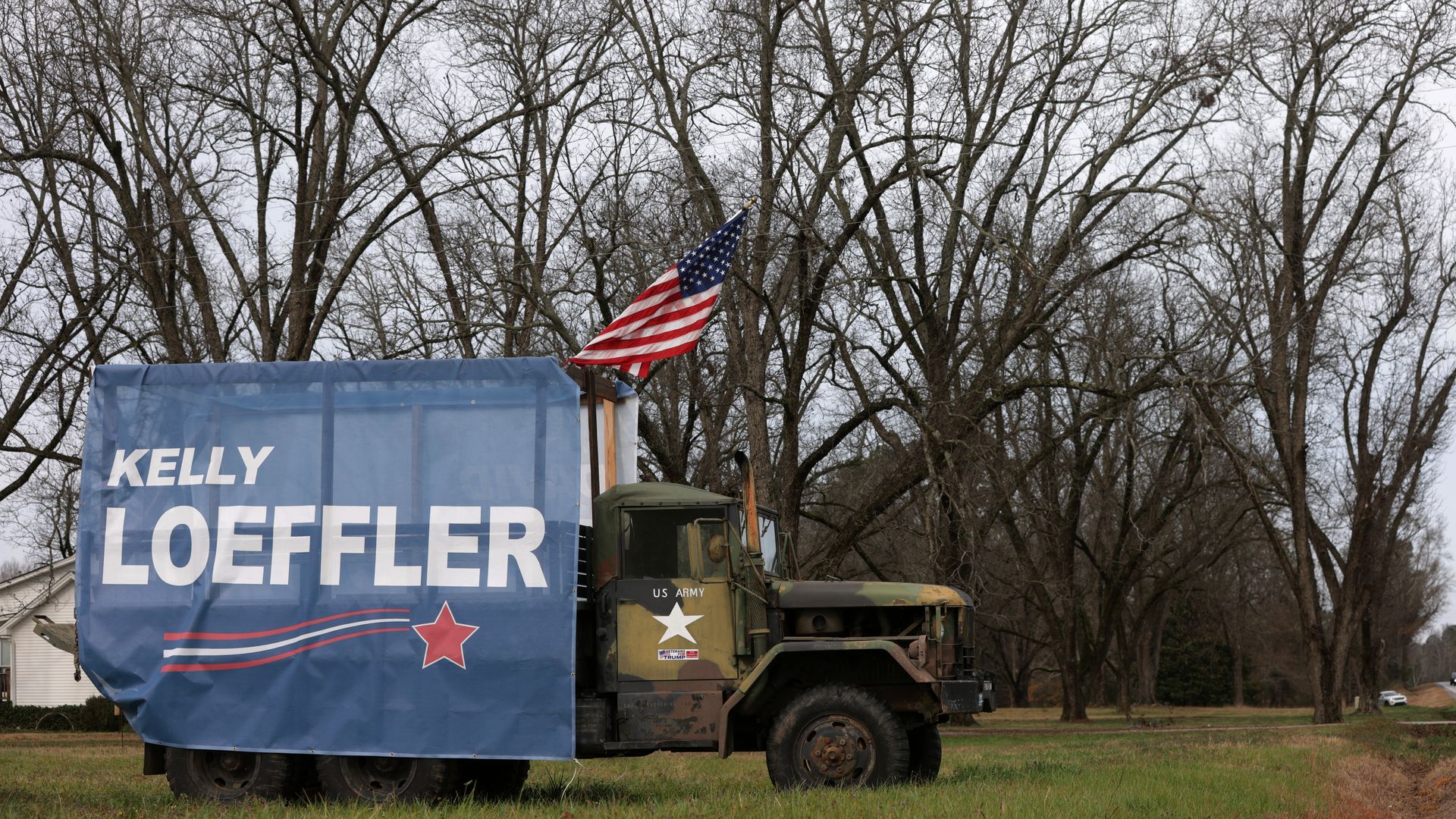
The Democratic and Republican Senate candidates in Georgia are in a statistical tie heading into Tuesday's pair of runoff elections, according to a new poll conducted for a Republican super PAC.
Why it matters: In both elections, Democrats pulled ahead in early voting, putting pressure on Republicans to increase their turnout on Election Day to catch up. The tie poll suggests a jump ball in the races between Republicans David Perdue and Kelly Loeffler and Democrats Jon Ossoff and Raphael Warnock.

Dominion plans to sue Sidney Powell, doesn't rule out Trump
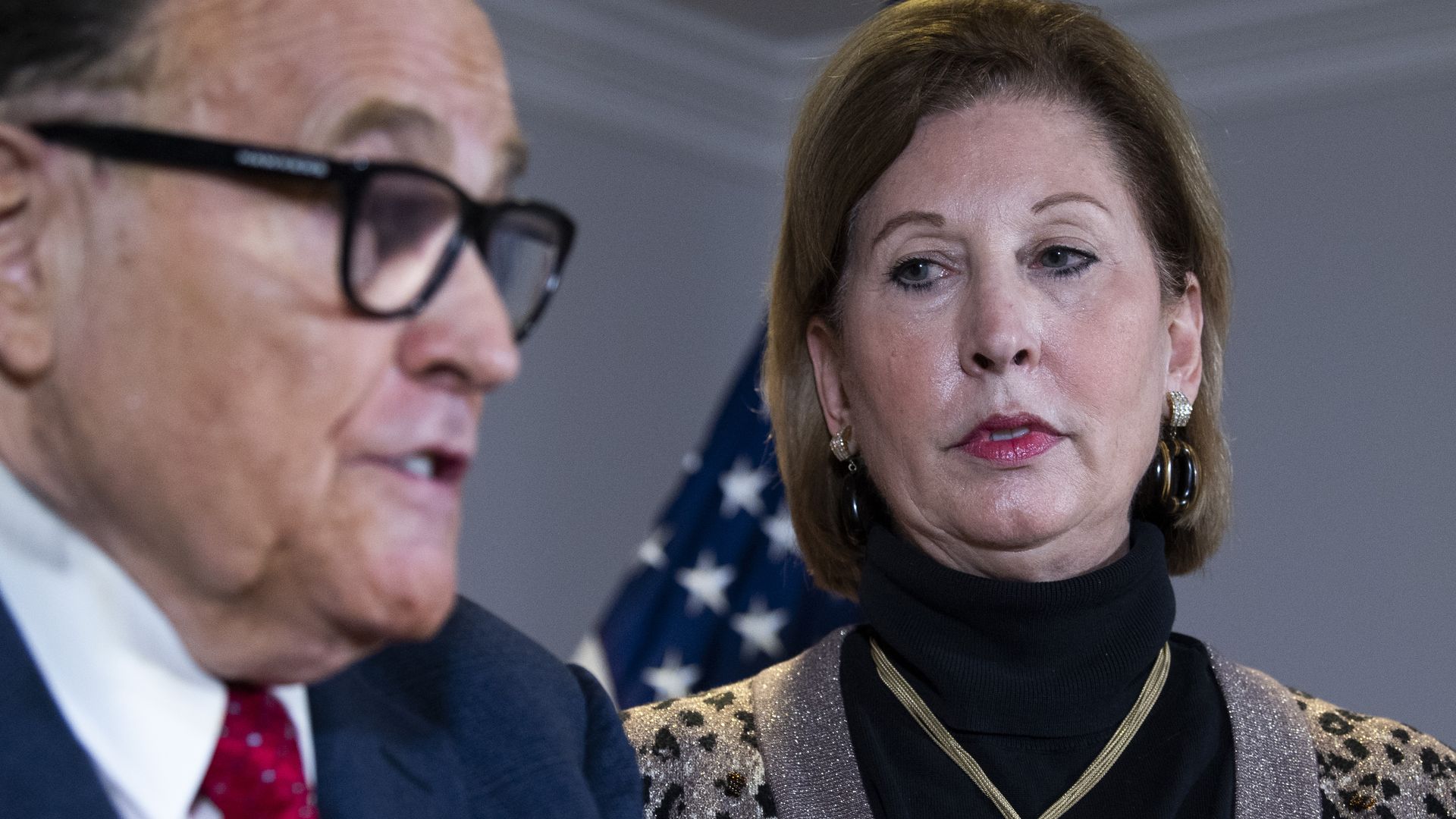
Dominion Voting Systems plans to sue attorney Sidney Powell "imminently" for defamation, and it's continuing to explore similar suits against President Trump and others, company founder and CEO John Poulos told the Axios Re:Cap podcast on Monday.
Between the lines: Dominion, which makes the voting machines used in Georgia and elsewhere, has been the subject of baseless accusations of malfeasance during last November's elections.
Dominion Voting Systems CEO John Poulos talks elections, death threats and lawsuits
President Trump and his allies have continued to baselessly rail against Dominion Voting Systems, whose machines will be used tomorrow in the Georgia runoff elections that will determine which party controls the U.S. Senate.
Axios Re:Cap speaks with Dominion founder and CEO John Poulos about the controversies, the death threats and the "imminent" lawsuit his company plans to file.
Full transcript
Dan Primack: We're joined now by John Poulos, the founder and CEO of Dominion Voting Systems. So John, take me back a little bit. What was the moment when you realized that Dominion was going from a vendor in the election to a flashpoint, a public flashpoint in the election?
John Poulos: Well there, I think that there were a couple events, but it really hit the flash — the flashpoint was that press conference in Washington, D.C., at the White House, where Sidney Powell and others went in front of the national media and made some crazy false allegations directly about Dominion.
DP: When that happened, what was your internal monologue while you're either watching this or somebody is telling you that it happened.
JP: It was completely surreal. So I was watching it live. I had seen it being advertised. And I just couldn't believe what I was hearing. There were things being said about me personally, about the company I founded, that is so demonstrably false. And you know, there's 18 years of records of where Dominion was founded, why it was founded. And the level of falsity was — just reached the level that I had not previously thought would ever be possible.
DP: You know as CEO, you've got the public facing, which is what you're doing with me. But you also obviously have a lot of employees. Did you start getting questions internally from people saying, “Hey, is some of this stuff, right?” Or was there any kind of internal dialogue like that from the people who work for you?
JP: Well, there's certainly a lot of dialogue internally, and we were having company-wide conference calls very regularly. So, the first question: No. I mean, all of our employees know exactly where we came from and know all of our history and know everything about all of the checks and balances that exist in the U.S. election system, frankly, that was created after the fallout of the 2000 presidential election. The system has come such a long way. Really, the employee questions were all around what are we going to do about it and when are we going to start standing up for ourselves and rebutting a lot of these claims.
DP: Can you, for the layperson, just explain a little bit: Are all Dominion Systems the same? In other words, if I vote in Georgia, am I using the same sort of system as if I'm, say, in Michigan in a county where you guys work, or are they really county-specific kind of customized hardware and software?
JP: There are different flavors of variations of how different states choose to deploy our systems, but the fundamental tabulation technology is the same across states. So if you look at the case of Georgia, it's a good example. So we have two pieces of technology. One is all based around helping voters create a paper ballot. There's a lot of reasons why they do this. Some states do it by just a traditional pen and hand marked. Other states want a universal paper ballot that can be created regardless of a voter's ability, both language ability or physical ability. But the end of that process is a paper ballot that the voter is holding and touching and can look at the candidates that are written on that piece of paper.
The second piece of technology that we provide is all around the tabulation of those paper ballots. So it's a scanning technology that tabulates all of the contests and candidates that the voters vote for.
DP: One of the things you guys have said in some of your rebuttals is that while these are kind of technologically advanced machines, they are, to a certain extent, what we would consider dumb machines, right? In the sense of they're not connected to the web.
JP: Yeah, absolutely. And there's a good reason for that. So if you look at the last 20 years of evolution of elections in the United States, we had gone from a system where there were mechanical systems for a [unclear] with electronic voting where fundamentally the transaction between the voter and the cast record — what we call the cast record — was electronic and there was no piece of paper as the fundamental transaction.
There were a lot of issues that stemmed from the 2000 election on that and the lack of transparency. So the end result of that was a creation of a bipartisan federal commission that worked to create the definitive standards for national voting systems and election technologies.
That has been updated and continually is updated. It's several thousand pages with very strict instructions and requirements of what an election system must do and be capable of producing. That process also led to the creation of third-party accredited test labs. Professional test labs are able to test third-party tabulation equipment like from Dominion and do a complete and exhaustive test. These tests the first time through can easily take a vendor, uh, years to go through.
Once that independent test lab creates a thorough report, which by the way is publicly available on the EAC website, the EAC moves or does not move to certify, and the system becomes certified. Most states, it's a bit different in every state, have a similar certification process by which after that federal exhaustive federal certification process, certain states then will repeat and do variants of their own testing.
DP: Going back a little bit, you talked about the Sidney Powell press conference. And last month, you guys, Dominion, sent cease and desist letters to, among others, Fox News, OANN, to Powell. Are you planning to file actual lawsuits for defamation?
JP: Yes.
DP: Against who?
JP: Our focus right now is on Sidney Powell. And there's a very good reason for that. She is by far, in our opinion, the most egregious and prolific purveyor of the falsities against Dominion. Her statements have caused real damage. They're demonstrably false. Um, in our opinion, it's extremely easy to verify that we were not created in Venezuela.
That's just one of the many of the crazy allegations made against us. And we were originally quiet and we sat back as a company because our hope was that all of these claims would be filed in a process in court where procedure and evidence is important. And it's become clear to us that there is absolutely no interest to reveal this evidence.
And because we know it doesn't exist and there's no effort to actually put it in front of a court proceeding so that these allegations and all of the evidence can follow a proper process and be litigated right to the end. And because of that, that's why we're filing.
DP: When do you expect to actually file?
JP: It's imminent. So we're going to file when the lawyers are ready. But it's imminent.
DP: Why not also file against, for example, Fox News. OAN Newsmax. I know they all published or aired rather that little kind of two-minute fact check, but why not file against them as well?
JP: Well, let me be clear. The damage has been done. And in some cases, some media outlets are continuing to promote this damaging type of false narrative. I also want to be clear that we're looking at everybody, that not just every actor that has made these types of false allegations about us and also the news media outlets that have allowed these allegations to be amplified unfettered and unchecked. And we've got a pretty substantial legal team looking at that. And as I said, our priority is Sidney Powell, but, uh, the legal team is going to be thorough and exhaustive.
DP: Do you find yourself a little bit on this between a rock and a hard place in the sense of just hypothetically, if you, for example, wanted to sue President Trump, who has said stuff about Dominion, including at the call that got leaked yesterday, that because of what you guys do and because of who your clients are, and that you have to, you know, pitch to states that are controlled by Republicans and controlled by Democrats, secretary of states, etc., that if you're viewed as, for example, suing Donald Trump, it could make it much harder for Dominion in the future to get business from a so-called red state?
JP: Absolutely. So we do business in red states and blue states. Our customers are from both sides of the aisle and in many cases bipartisan. The sanctity of the electoral process and the concerns that come and that arise in every election to us is a very important part of the process.
This is not the first time that losing candidates have asked questions around what happened with an election in terms of process and how tabulation worked. And we feel that's a very important part of the process. This is something different, however. This is spreading false information that's knowingly false with malicious intent. This is not asking how do I know all the ballots were counted. We have recounts for that. We have audits for that. These questions have been answered over and over and over. In a normal election protest, these claims are filed in an appropriate court of law where process and procedure is followed so that concerns can be heard and prosecuted properly. This is something completely different.
DP: You said you're looking at everybody. Is a lawsuit against President Trump still possible?
JP: Look at the end of the day, it's our legal team that's taking the lead on in terms of where and who.
DP: They are, but you're the one who's going to have to make the, you'd have to make the call on whether that goes through or not.
JP: Of course. We will have to make a call before we make any filing. Right now, the only thing that I can commit to is a complaint that we will file against Sidney Powell.
DP: John, why do you think that, as you said, losing candidates have complained about elections and election processes for years, because that's kind of what losing candidates do. Why do you think, though, kind of these rampant conspiracy theories, you know, the Hugo Chavez piece of this, why do you think that has taken root with the American public or at least a significant portion of the American public?
JP: Certainly, I have to think that it's taken root because they have been repeated over and over and over on various news networks by most prominently by Sidney Powell. And stated with, with complete certainty with claims that something, to the effect of, you know, we have the evidence and we will be releasing it tomorrow. That evidence wasn't released because it doesn't exist. We were not founded in Venezuela. We had nothing to do with Venezuela. We've never run an election in Venezuela.
We are a U.S. company. Prior to that, we were a Canadian company. I founded the company in Canada. These allegations that votes were somehow taken outside the county are nonsensical, let alone outside the country. The votes that voters cast are on paper ballots in Michigan, in Georgia, in Pennsylvania, Wisconsin. And, as always, those machines that count the balance and the actual paper balance that were created by voters that were cast by voters are in the possession and the custody of local election officials in front of bipartisan poll watchers.
DP: So when President Trump yesterday makes the comment, or two days ago, technically, makes the comment that Dominion employees came in and “took inner parts of the machine out and replace them,” you say, what?
JP: Yeah, it's completely false. The equipment has been in the custody of officials in Georgia since they were, since it was delivered in sometime in 2019. And not to mention that a lot of this equipment is actually being used right now in the runoff election. So we have the president being given information by people like Sidney Powell that is 100% false.
DP: Final question for you, John. The company has talked about you, certain employees receiving death threats. Can you talk a little bit about how this has impacted your life, your employees' lives? And if those sorts of threats have persisted?
JP: It's affected us all, and it's something that we're very angry about. It was completely unnecessary. Certainly we're not, it's not limited to us. Our customers are also experiencing the same thing. And for this to happen when our only job is to help people vote and to provide a very transparent tally that can be verified through hand count and recounts as has been done hundreds of times across the country, including three times in Georgia, is completely unnecessary.
In the most extreme case, we have an employee that hasn't been able to return to his house since before the November election. He still has people driving in front of his house, and his life has been completely uprooted.
DP: John, thank you so much for taking the time today.
JP: Thank you very much.
D.C. mayor urges residents to avoid downtown during "March for Trump"
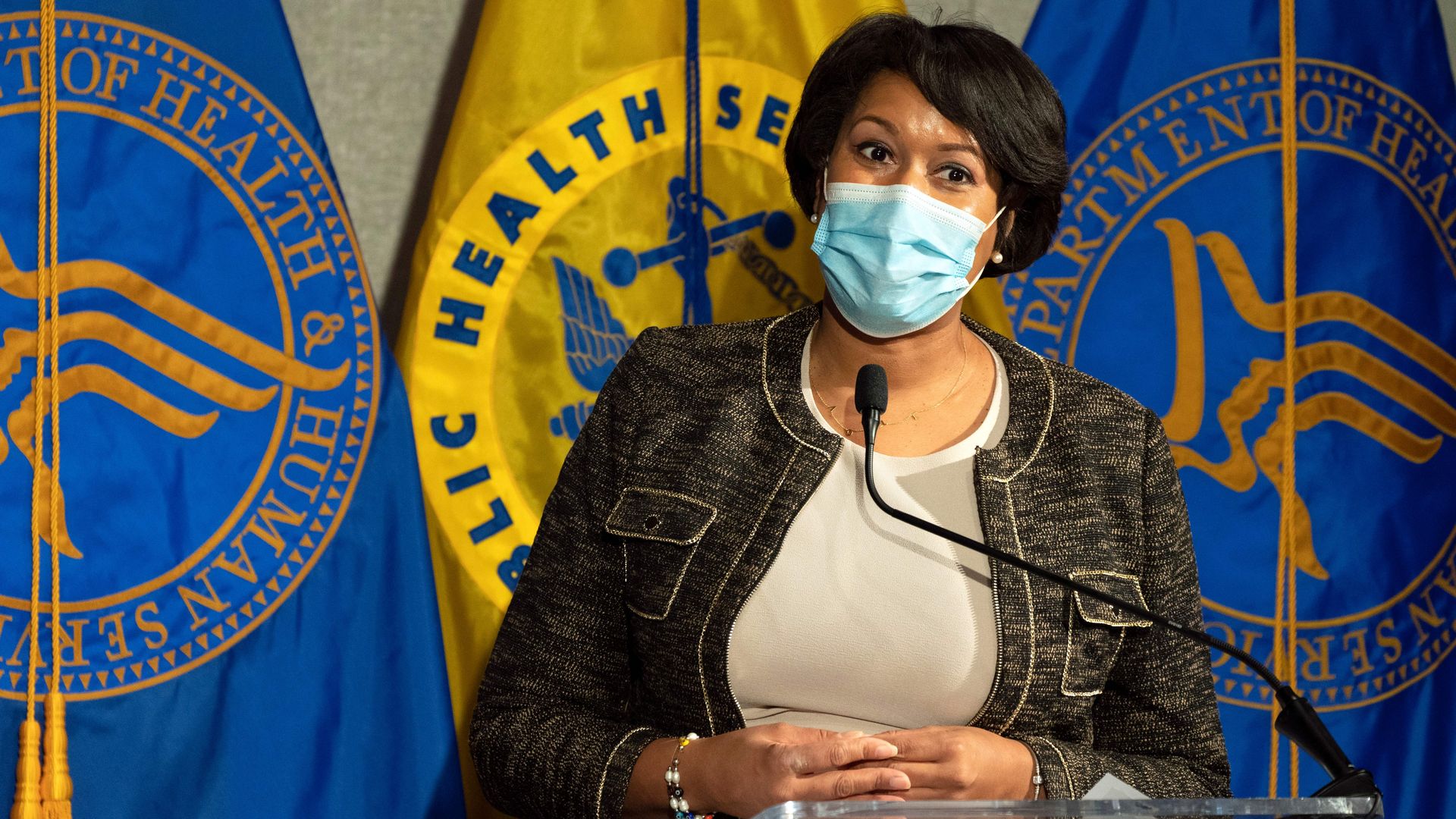
Washington, D.C., Mayor Muriel Bowser urged city residents to avoid travel downtown on Tuesday and Wednesday, and she's activated the National Guard in response to planned mass demonstrations by Trump supporters this week as Congress is set to certify Joe Biden's win.
The big picture: Trump has pushed his supporters through tweets to show up and protest his false and unsubstantiated claims of Democrats interfering with election results on Wednesday. D.C. was the scene of violence following a pro-Trump event in mid-December where several people were stabbed.

Georgia secretary of state says Trump could face probe over taped election call
Georgia Secretary of State Brad Raffensperger told ABC’s “Good Morning America” that an Atlanta-area district attorney's office could investigate a phone call Saturday during which President Trump asked Raffensperger to "find 11,780 votes" to overturn President-elect Biden's victory in the state.
The big picture: Raffensperger said his own office is not likely to investigate the matter because Trump has also recently spoken with the office’s chief investigator, which may present a conflict of interest.

House Democrats tweak deepfake rule to court GOP

House Democrats today presented a rules package giving the Ethics Committee a year to recommend how it will deal with members who disseminate false and unverified content on social media.
Why it matters: The Democrat-led Rules Committee changed its rules package after Republicans claimed an original proposal to make it an ethics violation for disseminating so-called deepfakes would infringe on their First Amendment rights. The package was being voted on today.
Rhode Island governor emerges as leading candidate for Commerce Department
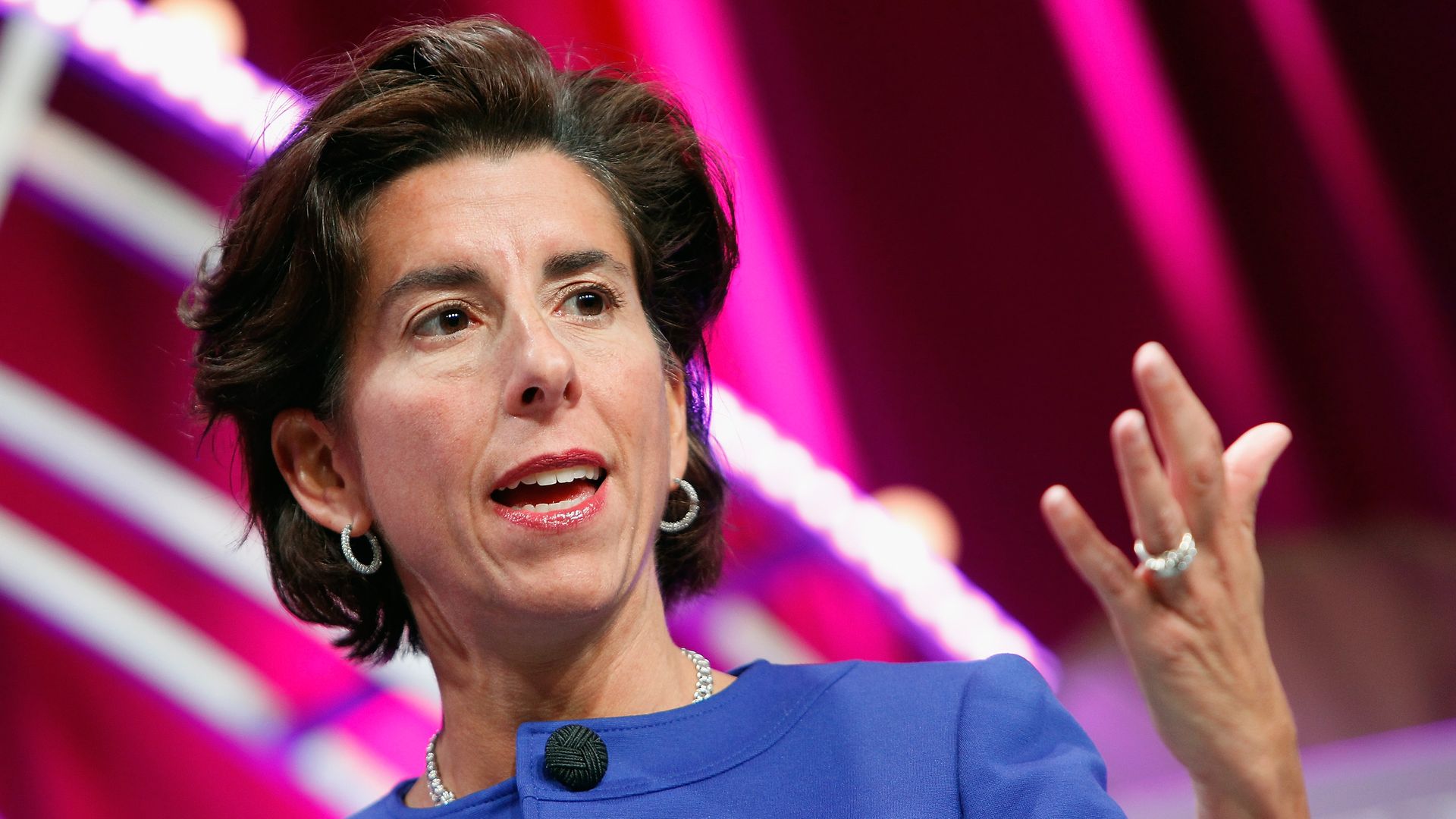
Rhode Island Gov. Gina Raimondo has emerged as a leading candidate to be President-elect Joe Biden's commerce secretary, according to people familiar with the matter.
Why it matters: Raimondo, a Rhodes scholar who co-founded a venture capital firm in Rhode Island earlier in her career, has prioritized good relationships with the business community, the target audience of commerce.
Trump attacks Tom Cotton for declining to object to Electoral College certification
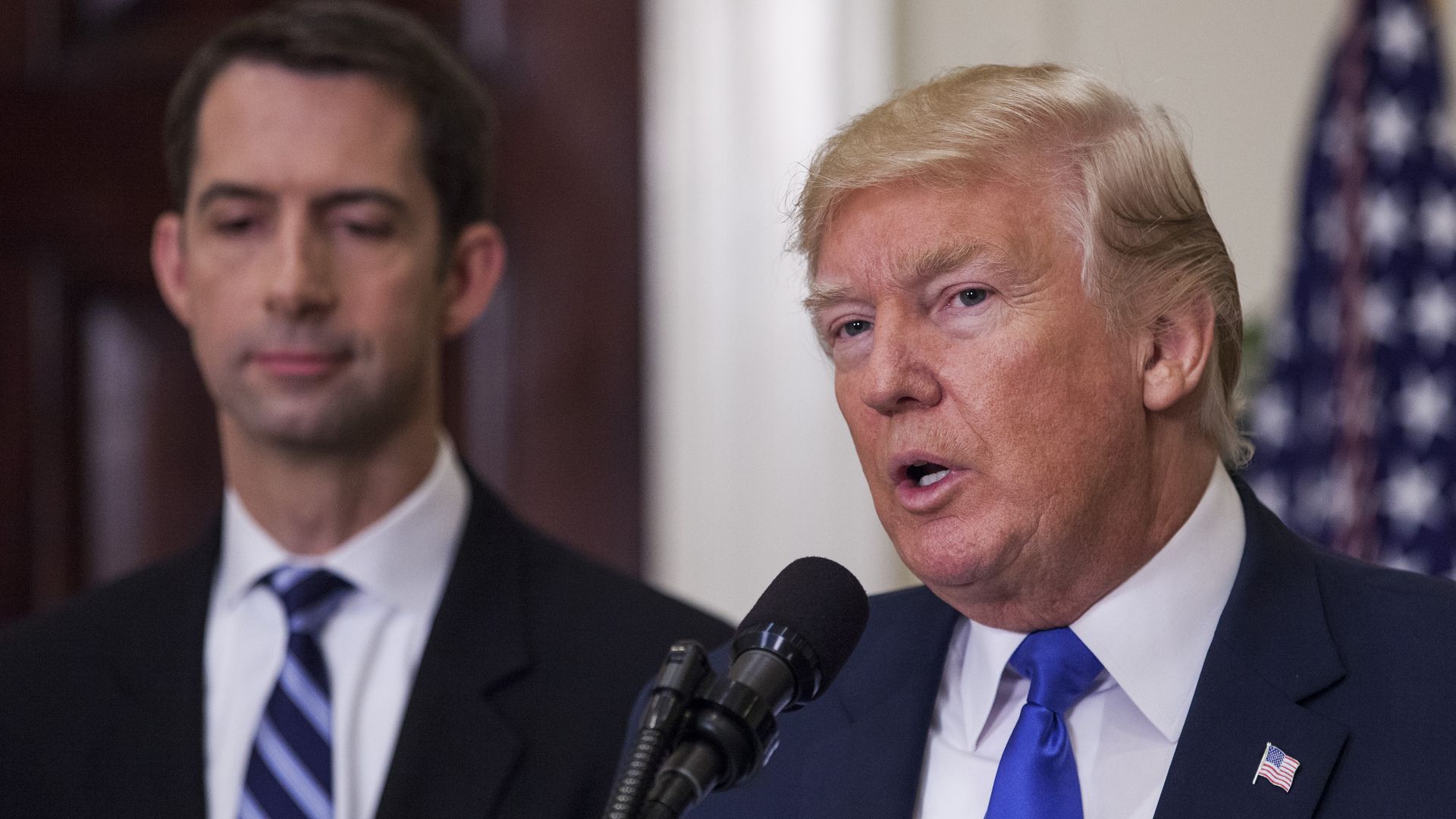
President Trump turned on Sen. Tom Cotton (R-Ark.) on Monday after the Republican senator warned that the GOP effort to oppose certifying Joe Biden's victory could "establish unwise precedents" and "take away the power to choose the president from the people."
Why it matters: Cotton, a close ally of Trump's who praised the president at the Republican National Convention, is one of a growing number of Republicans who have denounced plans by colleagues to object to certifying Biden's Electoral College win.

U.K. judge rules Julian Assange should not be extradited to the U.S.
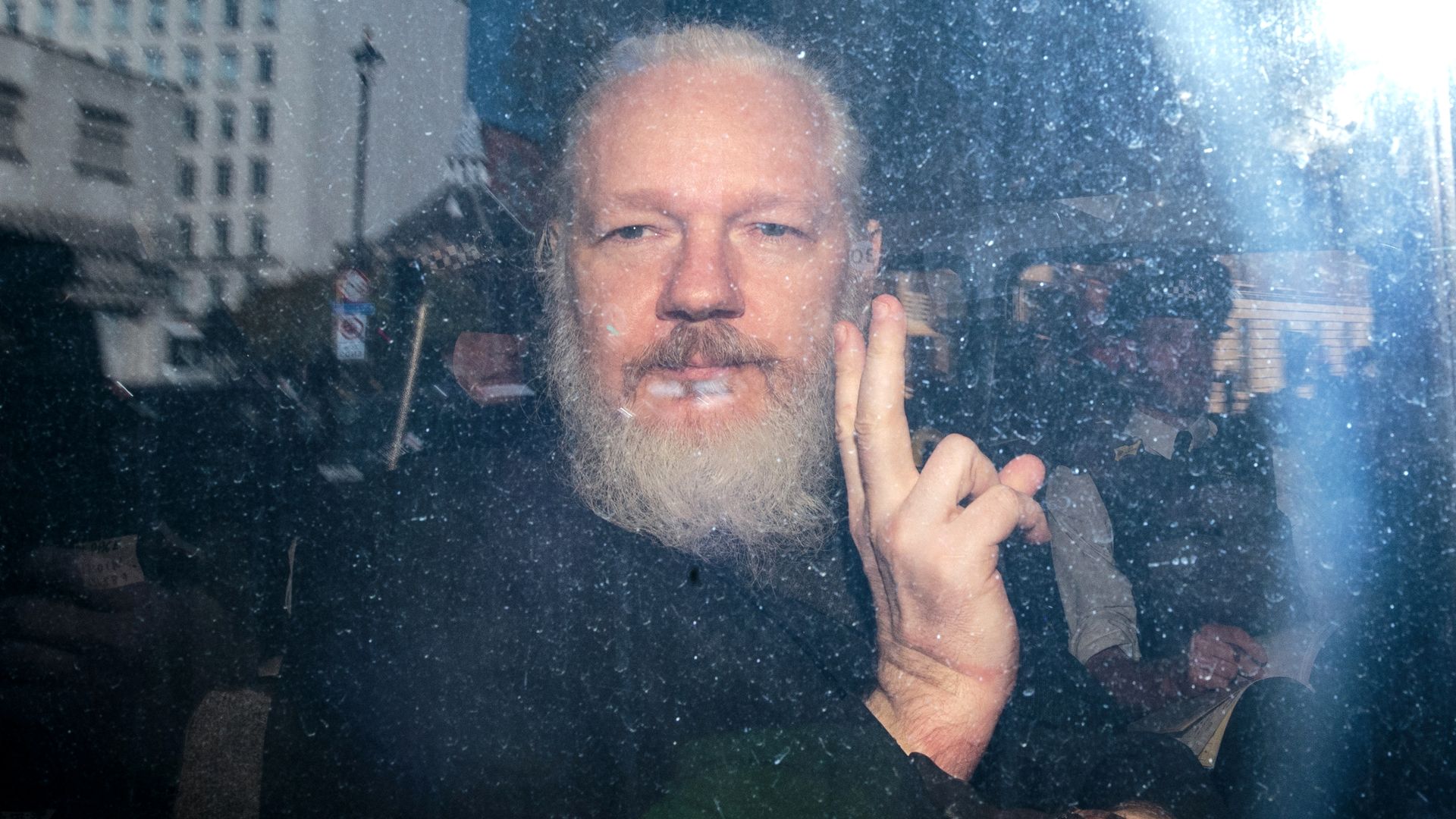
WikiLeaks founder Julian Assange must not be extradited to the U.S., where he's wanted on charges of violating the Espionage Act and hacking government computers, because of the high risk of suicide in U.S. custody, a British judge in London ruled Monday.
Why it matters: The ruling, which will be appealed by the U.S., is a huge win for Assange after a years-long battle. The case has raised significant questions about First Amendment protections for publishers of classified information, as Assange argues he was acting as a journalist when he published leaked documents on Iraq and Afghanistan.

McConnell Party vs. Trump Party
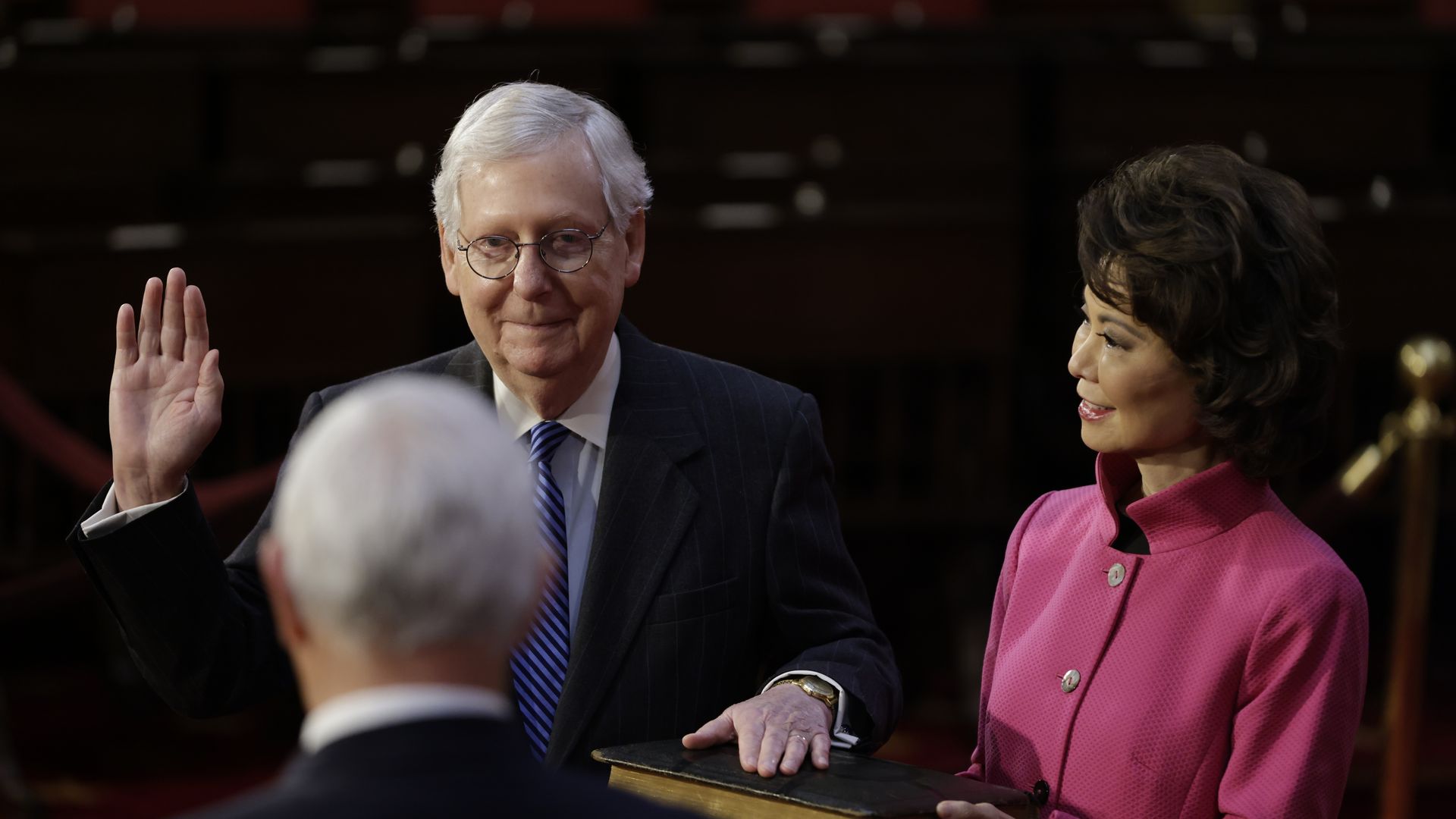
The Republican battle lines being formed in President Trump's final days — his loyalists vs. Senate Majority Leader Mitch McConnell's establishment — will shape American politics for the next four years.
Why it matters: This power struggle will help define everything from the future of conservatism and right-wing media to President-elect Biden’s ability to win Republican cooperation in office. More broadly and more importantly, the outcome will determine if Trumpism — and its norm-smashing tactics — come to permanently define one of America's two major political parties.
More Republicans denounce GOP plans to challenge election results
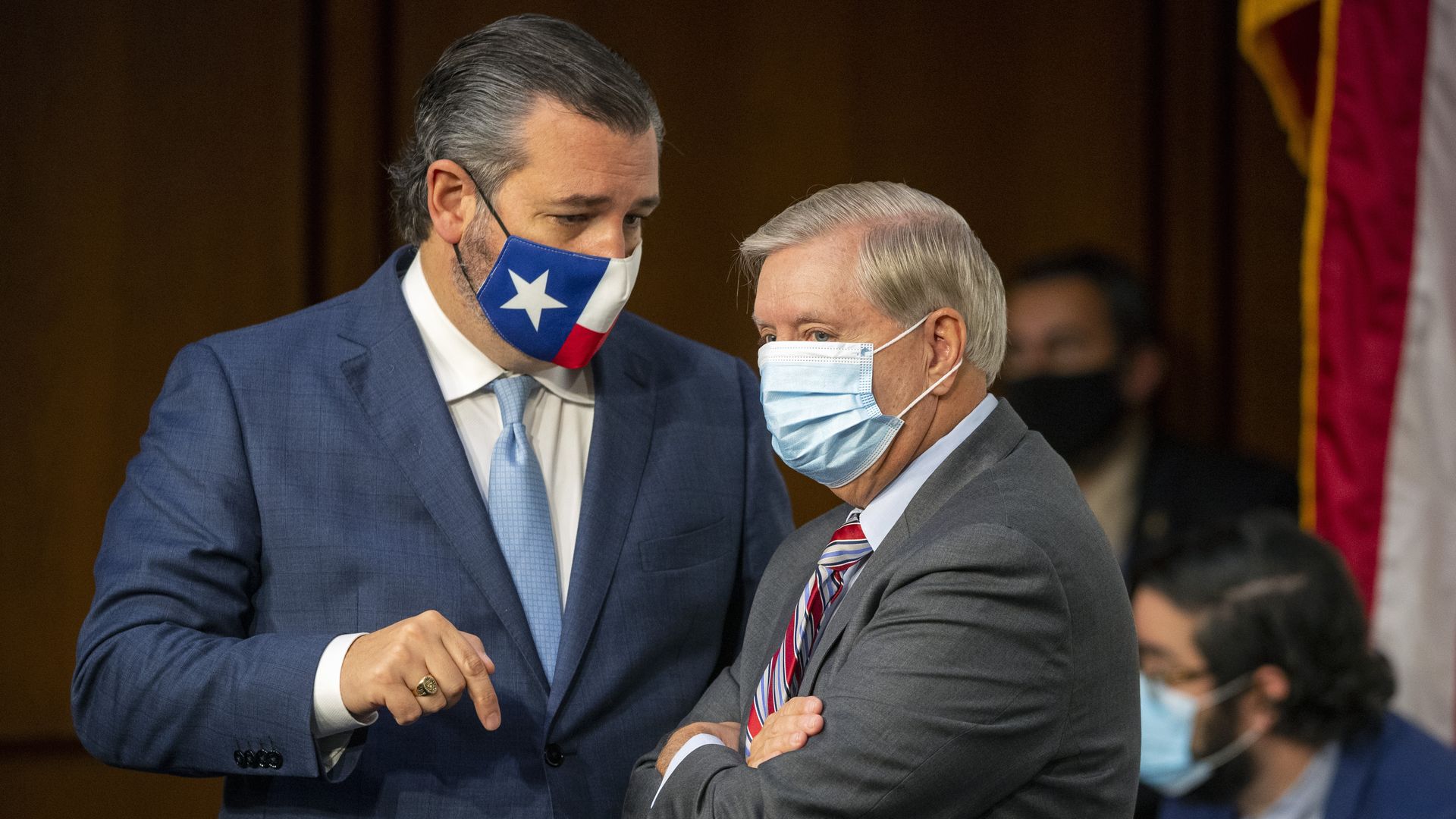
More than a dozen House and Senate Republicans over the weekend attacked plans by colleagues to object to certifying 2020 election results, calling the effort ineffective, dangerous or lacking in evidence.
Why it matters: Although nearly all lawsuits brought by President Trump, his allies and his legal team to challenge election results have been dismissed, a group of Republican senators led by Ted Cruz says they will oppose certifying Joe Biden's win.
"Impeachable offense": Democrats react to Trump's Georgia call
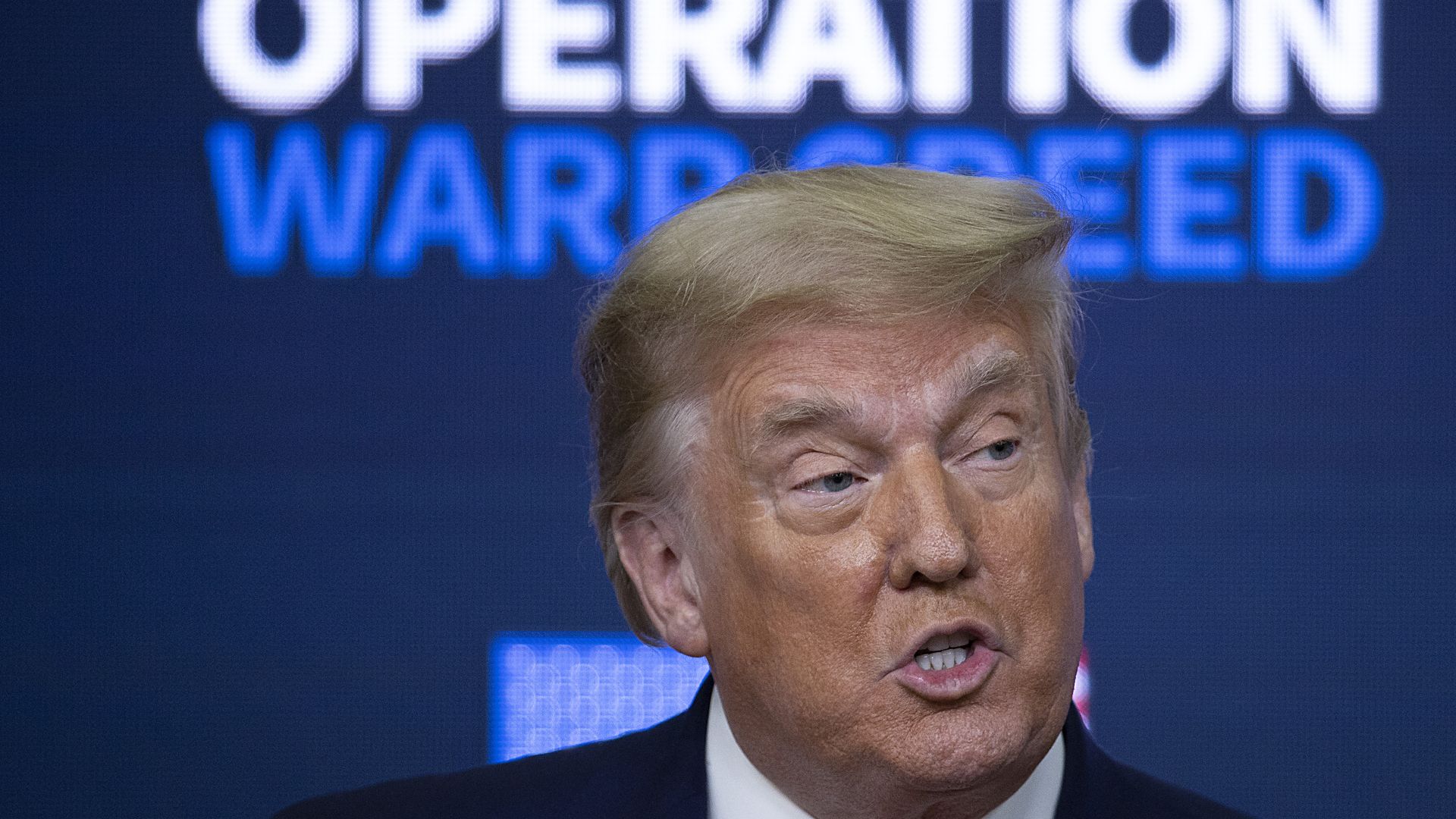
Leading Democrats accused President Trump Sunday of corruption, "abuse of power" and committing an "impeachable offense" for urging Georgia's Republican Secretary of State in a phone call to overturn Joe Biden's election win.
Why it matters: Trump was impeached by House Democrats in December 2019 for abuse of power and obstruction of Congress for pressing Ukraine to investigate Biden and his son Hunter Biden, before being acquitted in the GOP-controlled Senate.
GOP congressman denounces Trump for "threats made" in Georgia call
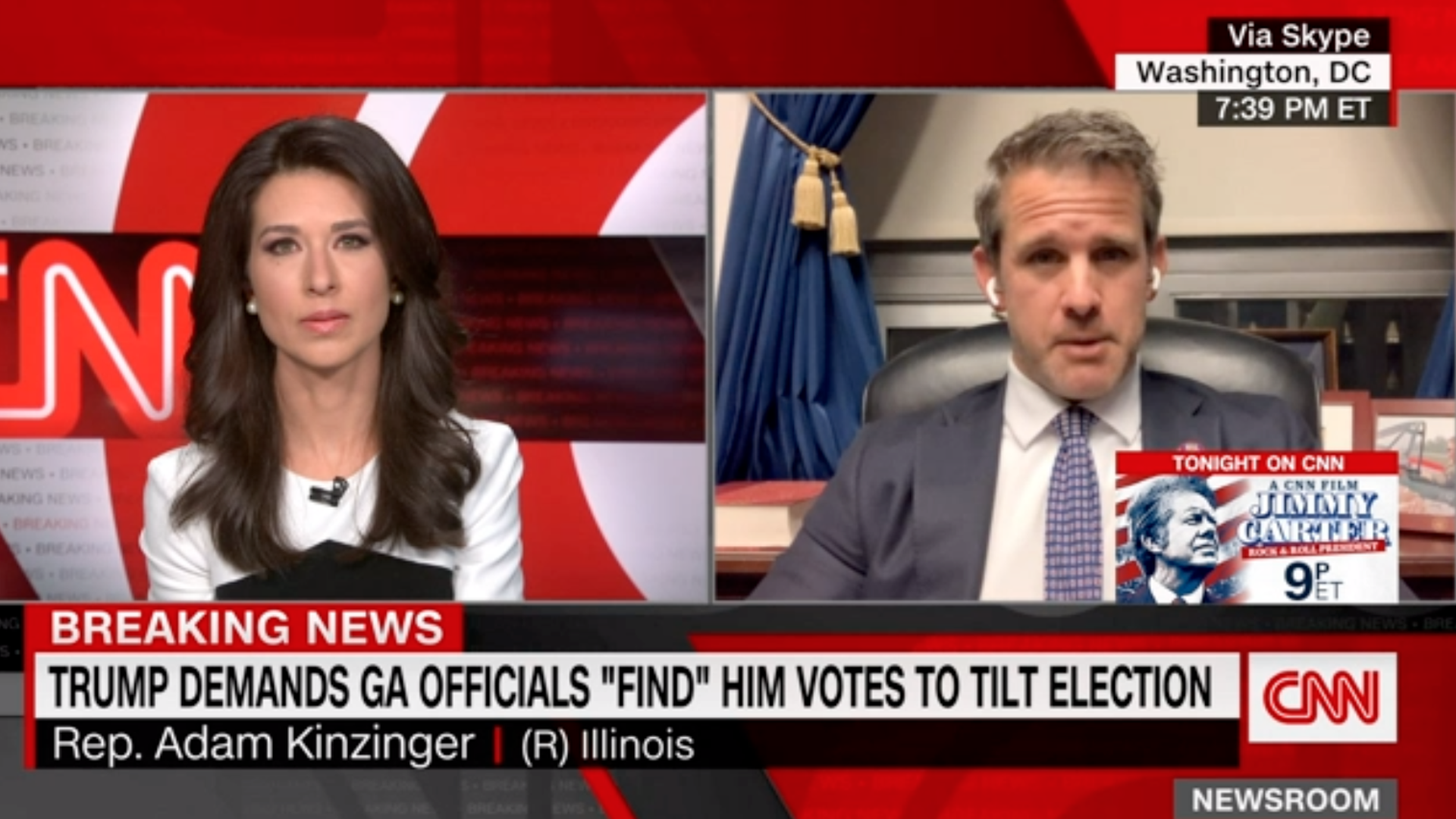
Rep. Adam Kinzinger (R-Ill.) is urging other Republicans to "speak out" after he denounced on CNN Sunday President Trump for his leaked phone call pressing Georgia's Republican Secretary of State to overturn Joe Biden's election win.
What they're saying: Kinzinger said he read the transcript of the call to Brad Raffensperger obtained by the Washington Post. "You see threats made, threatening in essence a crime. ... and then again just saying 'we want people to find the votes for us,' it's disgusting." Of the group of Republicans planning to oppose certifying state Electoral College votes Wednesday, he said no lawmaker could object with a "clean conscience."
- The White House did not immediately respond to Axios' request for comment.
Biden inauguration to feature "virtual parade across America"
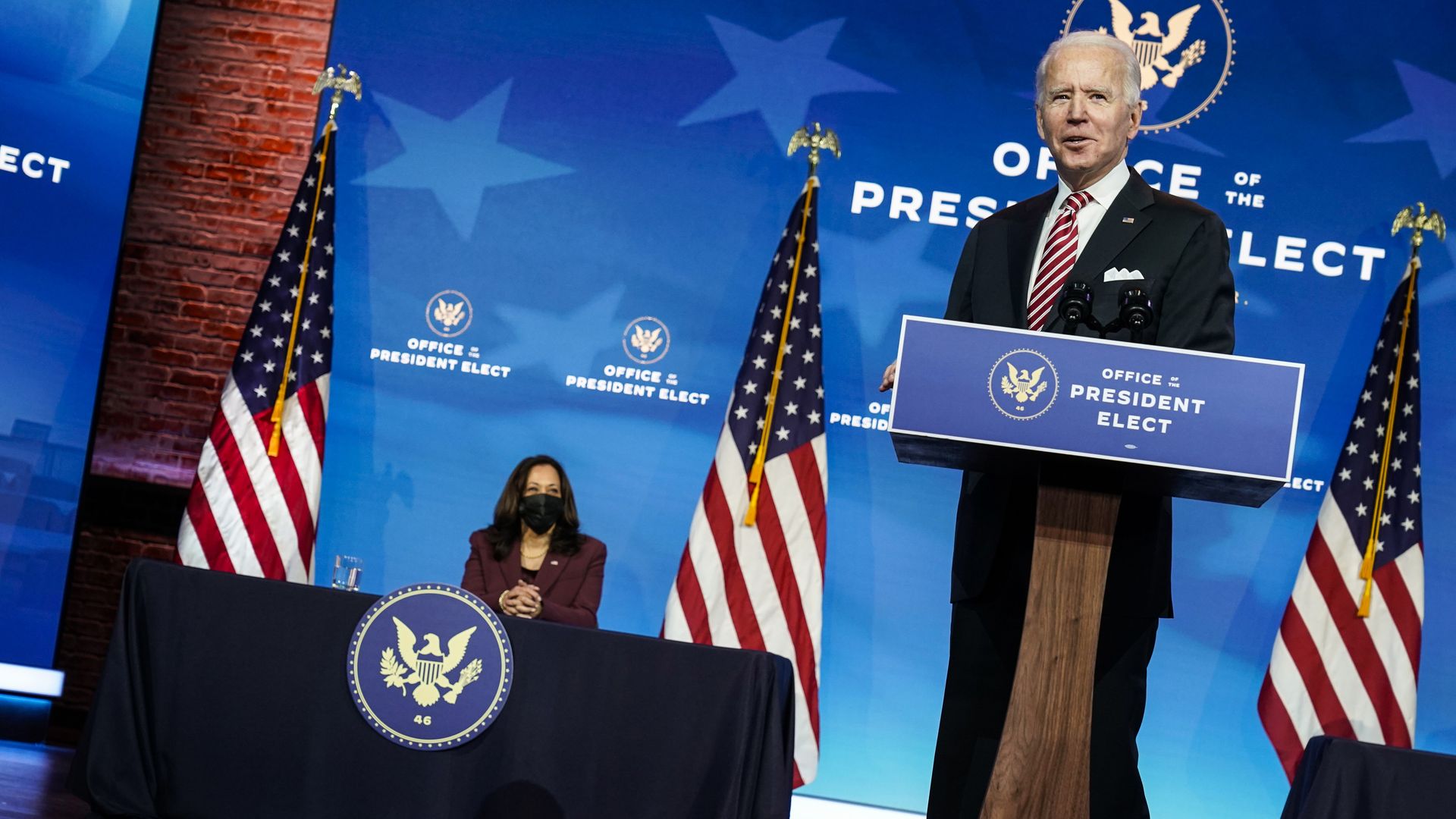
President-elect Joe Biden will have a shortened military escort to the White House on Inauguration Day and there'll be a "virtual parade across America" to avoid attracting crowds during the pandemic, the Presidential Inaugural Committee announced Sunday.
Driving the news: The committee has asked people to stay away during inaugural festivities on Jan. 20 and take part from home instead to curb the spread of COVID-19 amid spiking U.S. cases.

Georgia runoffs: 3 things to watch
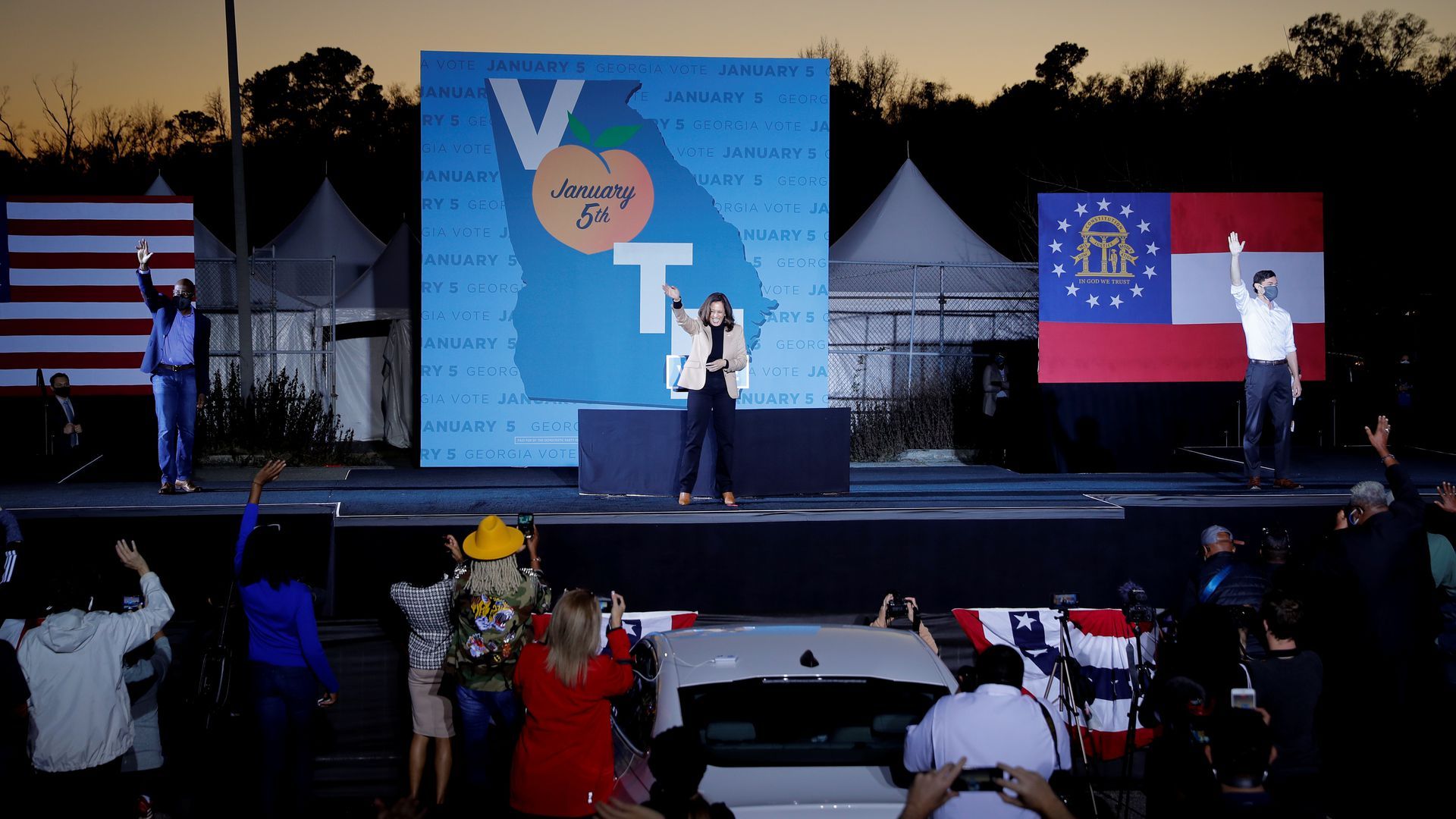
Attention is turning to Tuesday's twin runoffs in Georgia to decide control of the U.S. Senate.
- These are three things to watch, from a conversation I had with Patricia Murphy of the Atlanta Journal-Constitution, who's covering the race...

Trump to give Reps. Jim Jordan and Devin Nunes Presidential Medal of Freedom
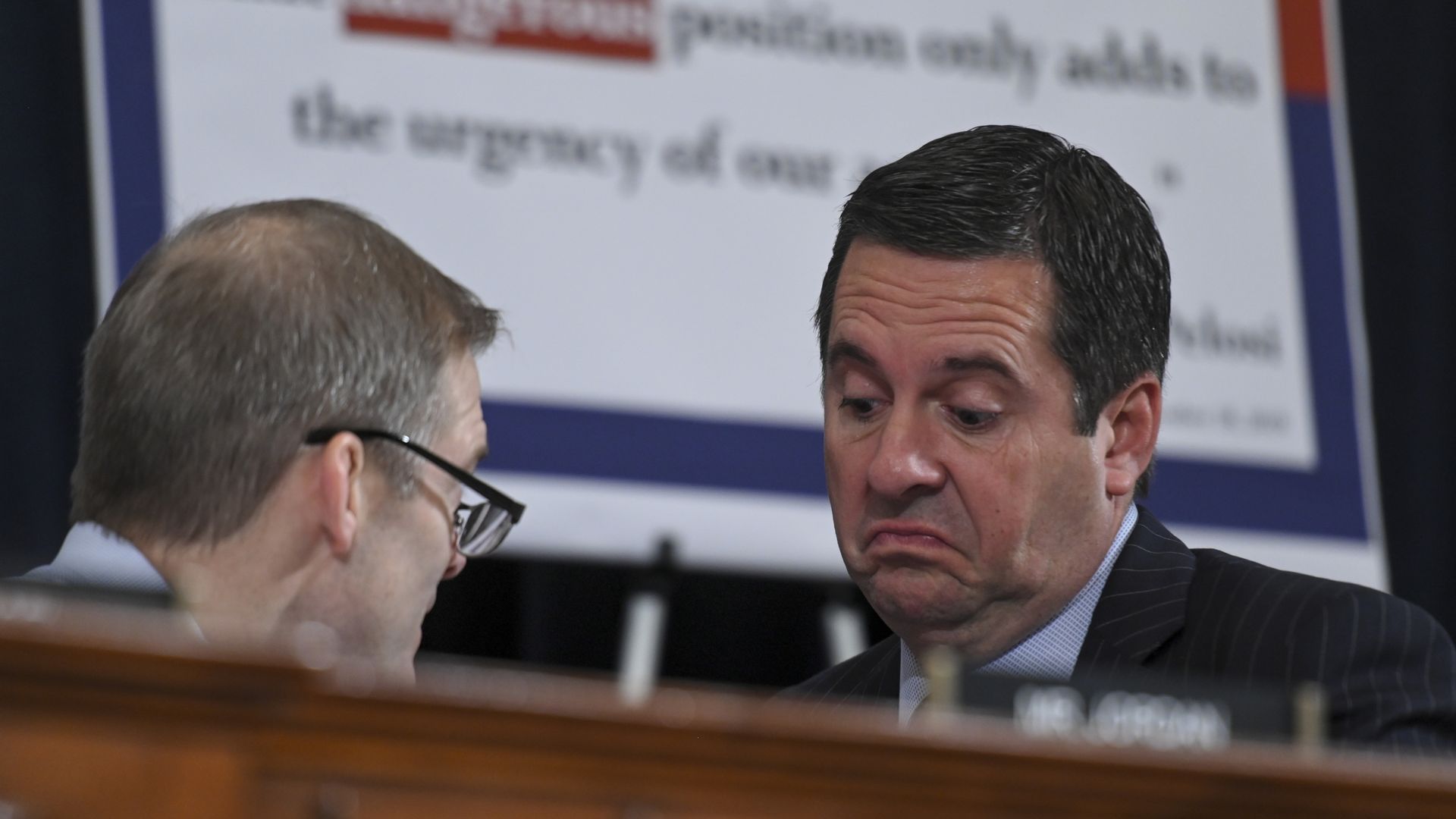
President Trump is expected to give Reps. Jim Jordan (R-Ohio) and Devin Nunes (R-Calif.) the Presidential Medal of Freedom, three sources familiar with the plans tell Axios.
Why it matters: These key Trump allies both played crucial roles during Trump's impeachment hearings. Nunes, who's expected to get his medal Monday, launched a fierce attack on Democrats at Trump's impeachment hearing that helped set the stage for the GOP argument that it was partisan and unfair and an extension of the 2016 Russia investigation.