Primary election runoffs in races that failed to produce a winner in March are under way in Alabama and Texas on Tuesday, while Maine voters are finally heading to the polls after coronavirus forced the state to delay its primary.
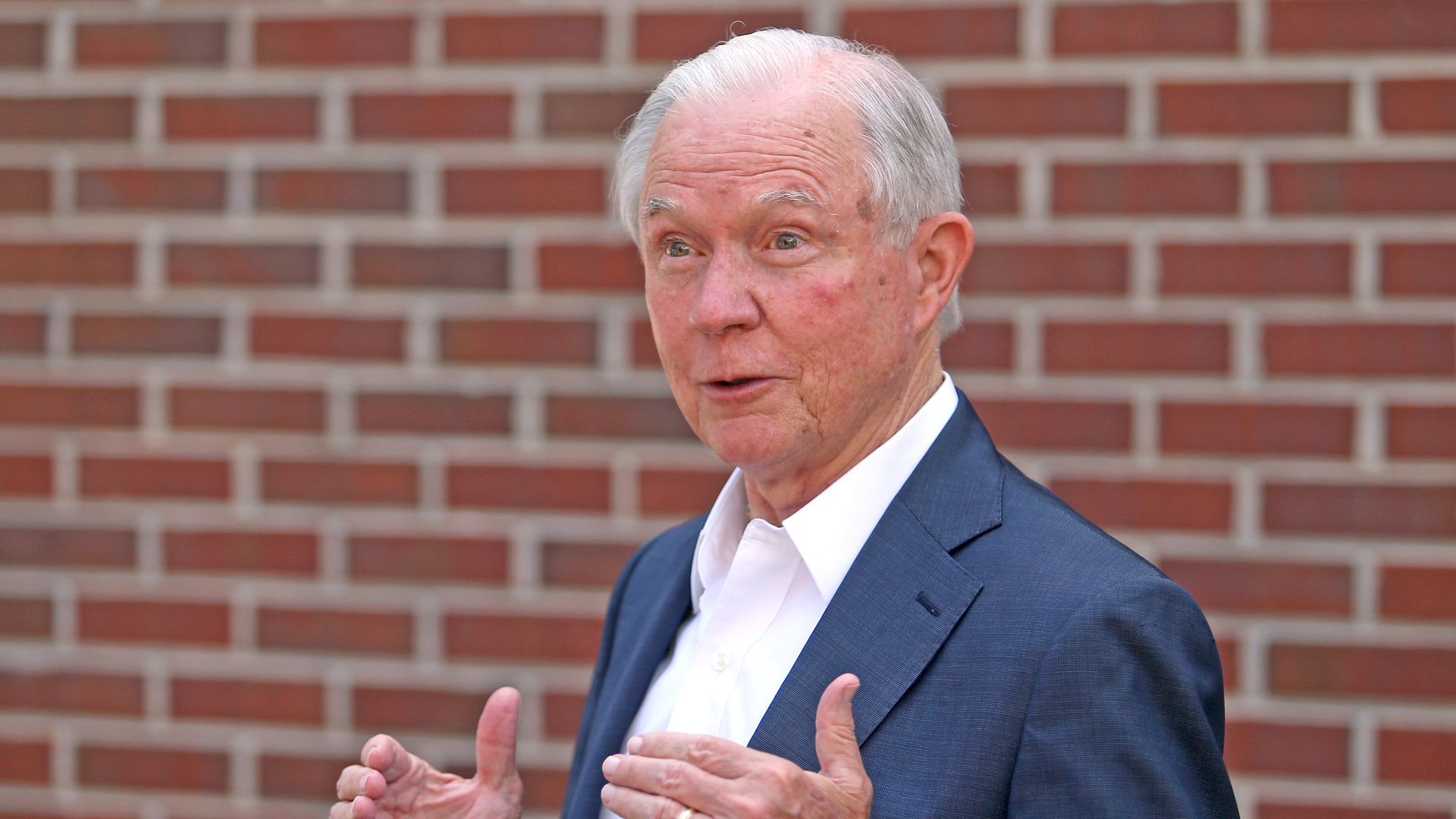
The big picture: Former Attorney General Jeff Sessions is fighting to return to the Senate in a GOP primary runoff against former Auburn football coach Tommy Tuberville. Meanwhile, Sen. Susan Collins (R-Maine) and Sen. John Cornyn (R-Texas) will find out who will be their Democratic challengers in November.
President Trump is reportedly planning to announce an overhaul to a law on Wednesday that could prevent low-income and minority communities from voicing concerns about projects that could pollute their neighborhoods, The Washington Post writes.
Why it matters: Trump is expected to argue that the National Environmental Policy Act, signed into law by President Nixon in 1970, would create jobs by making it easier for his administration to build infrastructure including highways, pipelines and chemical plants. The Post notes that such projects pose major environmental threats.
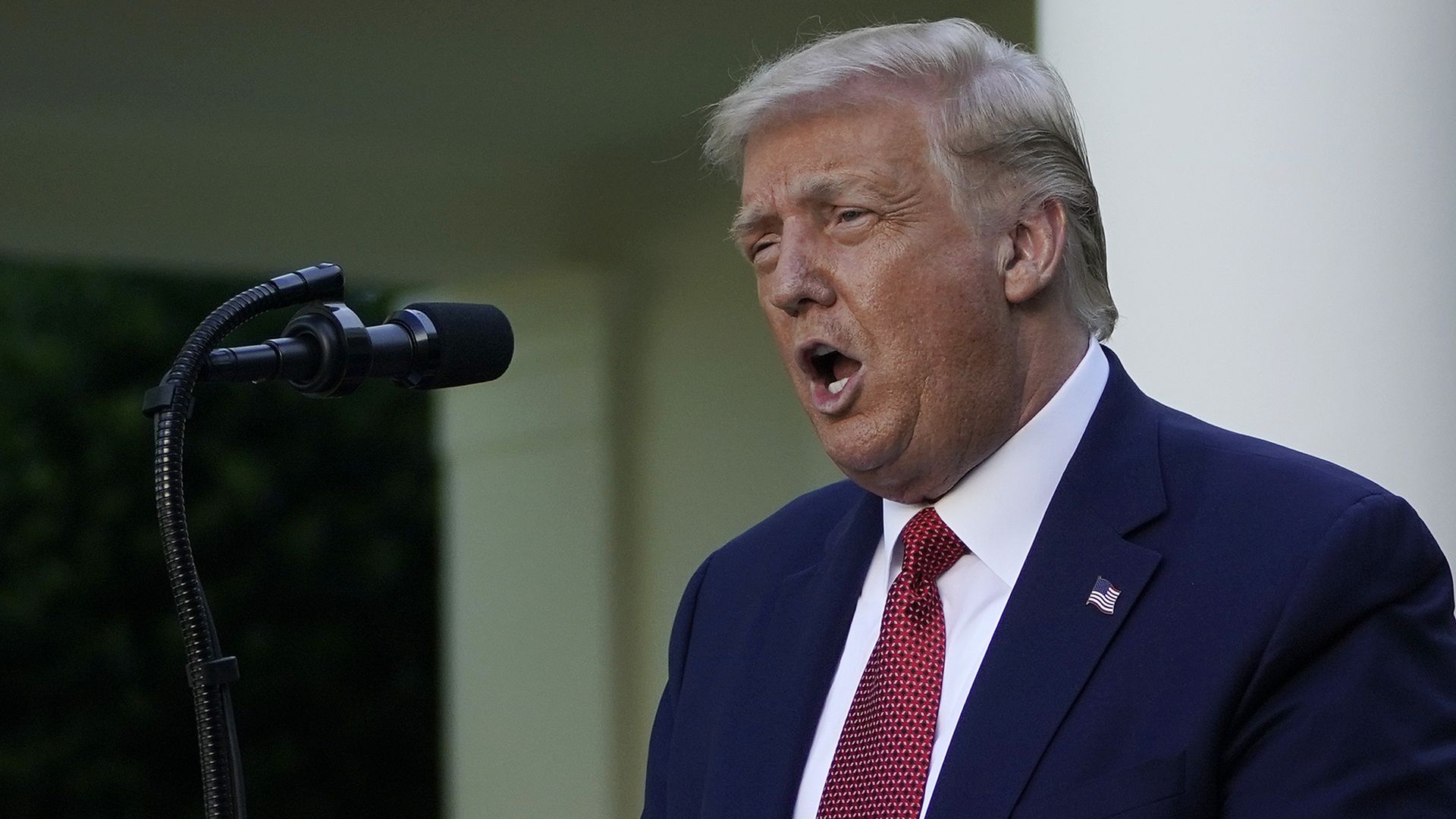
Asked by CBS News' Catherine Herridge on Tuesday why Black Americans are still dying at the hands of police, President Trump responded: "And so are white people. So are white people. What a terrible question to ask."
Why it matters: A 2018 study found that Black men are about 3.5 times more likely to be killed by law enforcement than their white counterparts.
The Trump administration is rescinding new guidance from Immigrations and Customs Enforcement that would have forced some international students to transfer schools or leave the U.S. if their classes were held completely online in the fall.
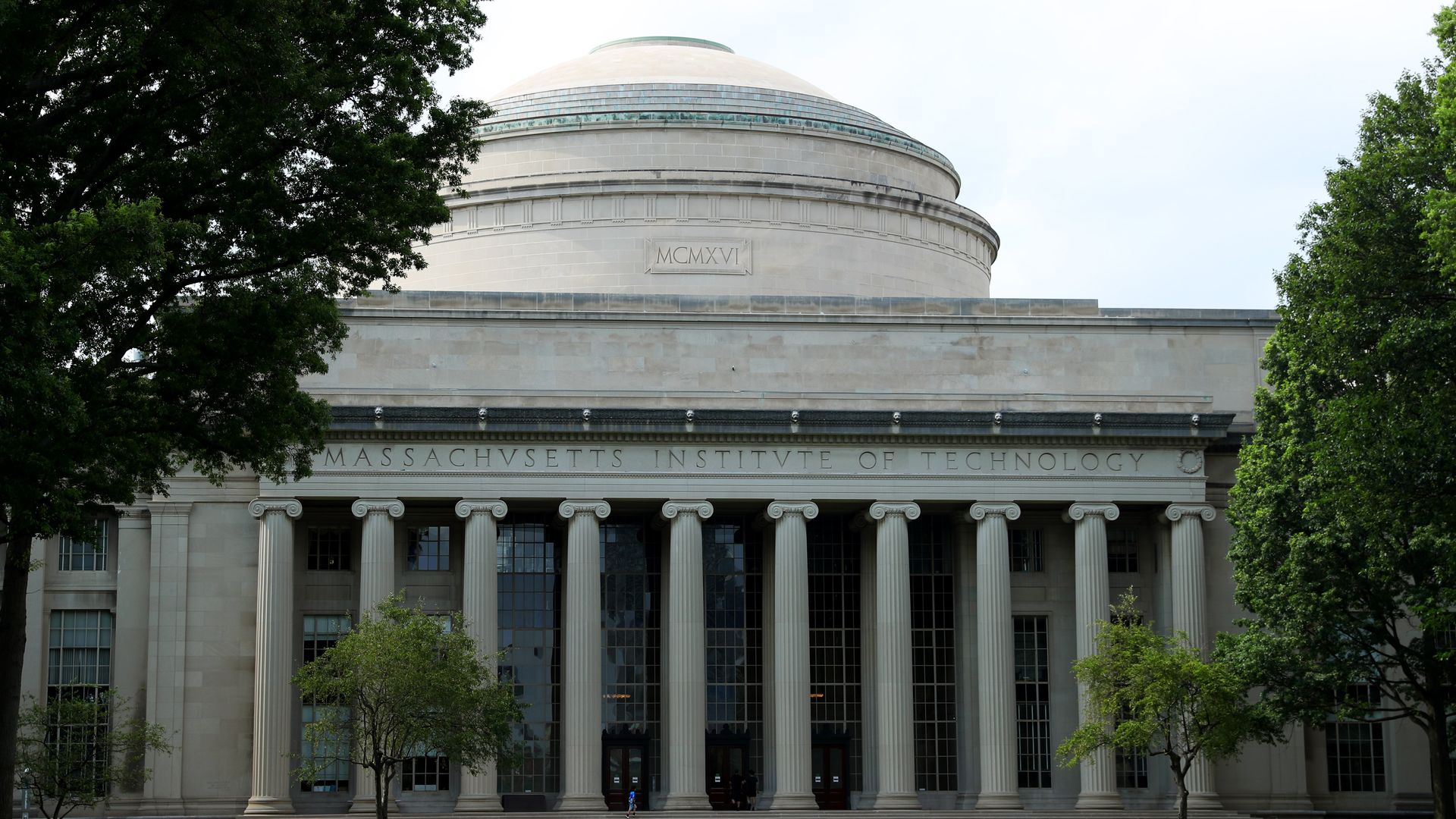
Why it matters: The guidance was immediately met with broad backlash and lawsuits backed by more than 200 universities and 18 states. The decision to rescind the guidance and return to the policy in place since March was announced in a Tuesday hearing for the lawsuit brought by Harvard and MIT.
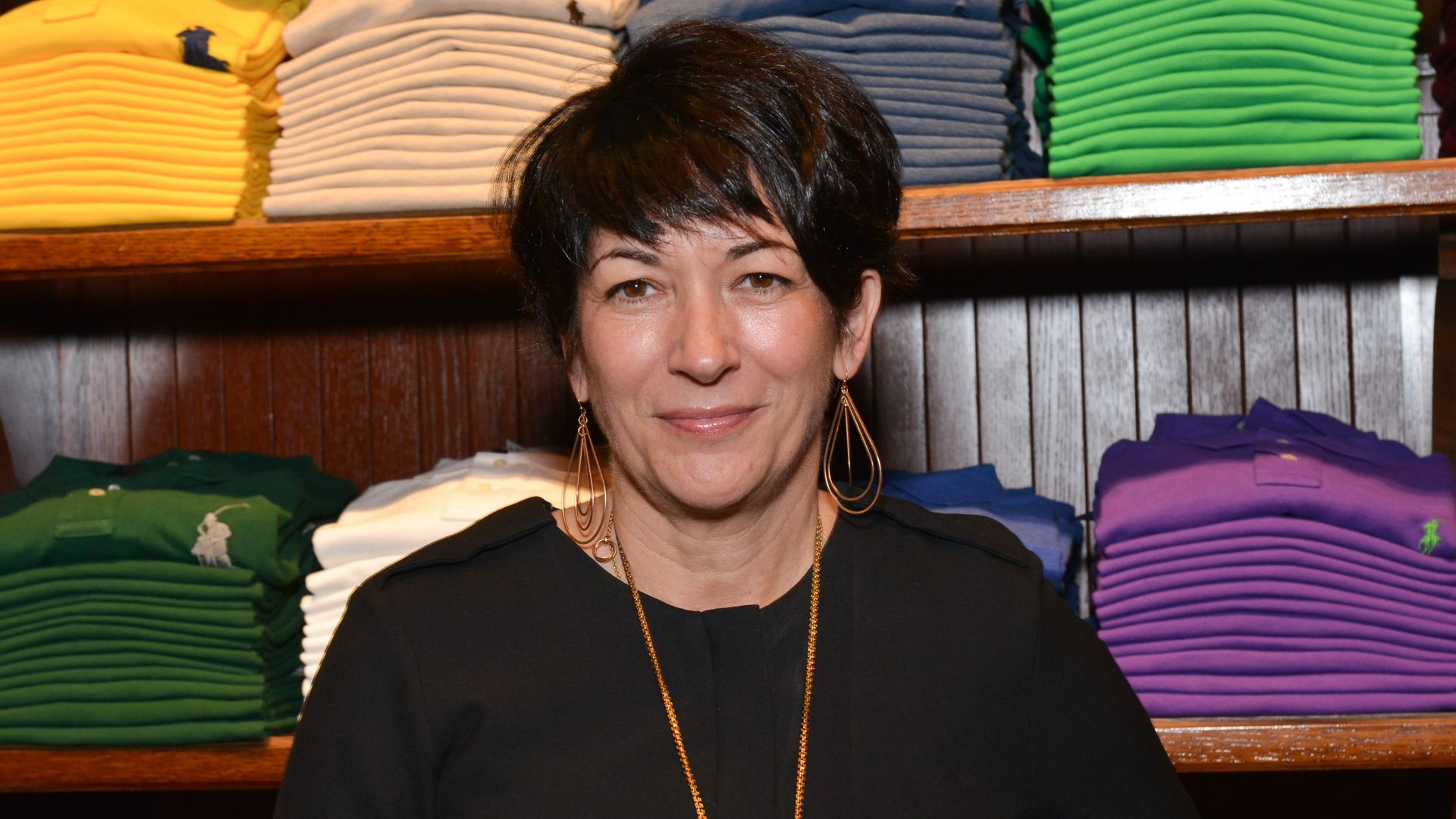
A federal judge has denied bail to Ghislaine Maxwell, who pleaded not guilty on Tuesday to charges brought earlier this month that allege she conspired with billionaire Jeffrey Epstein to sexually abuse underage girls. Maxwell's trial is scheduled to begin July 12, 2021.
The latest: In handing down her ruling, Judge Alison Nathan said "the risks are simply too great" and ordered Maxwell to be jailed pending trial. Prosecutors from the Southern District of New York called Maxwell an "extreme flight risk" whose "significant and unexplained wealth" and lack of ties to the U.S. give her few reasons not to attempt to flee the country.
Joe Biden expanded his energy and climate plans Tuesday with a call for spending $2 trillion over four years on climate-friendly infrastructure — a proposal the campaign is casting as part of a wider economic recovery package.
The latest: "Look, these aren’t pie in the sky dreams," Biden said in a speech outlining the proposal on Tuesday. "These are actionable policies that we can work on right away."
Joe Biden commended President Trump on Tuesday for choosing to wear a mask in public, but he quickly pivoted to arguing how the move shows just how bad the coronavirus crisis has gotten under Trump's leadership.
Why it matters: By leveling his charge at the top of speech on his $2 trillion plan to combat climate change, Biden sought to keep the focus on Trump’s personal and policy responses to the coronavirus. "Mr. President, ‘open everything now” isn’t a strategy for success, it’s barely a slogan," Biden said.
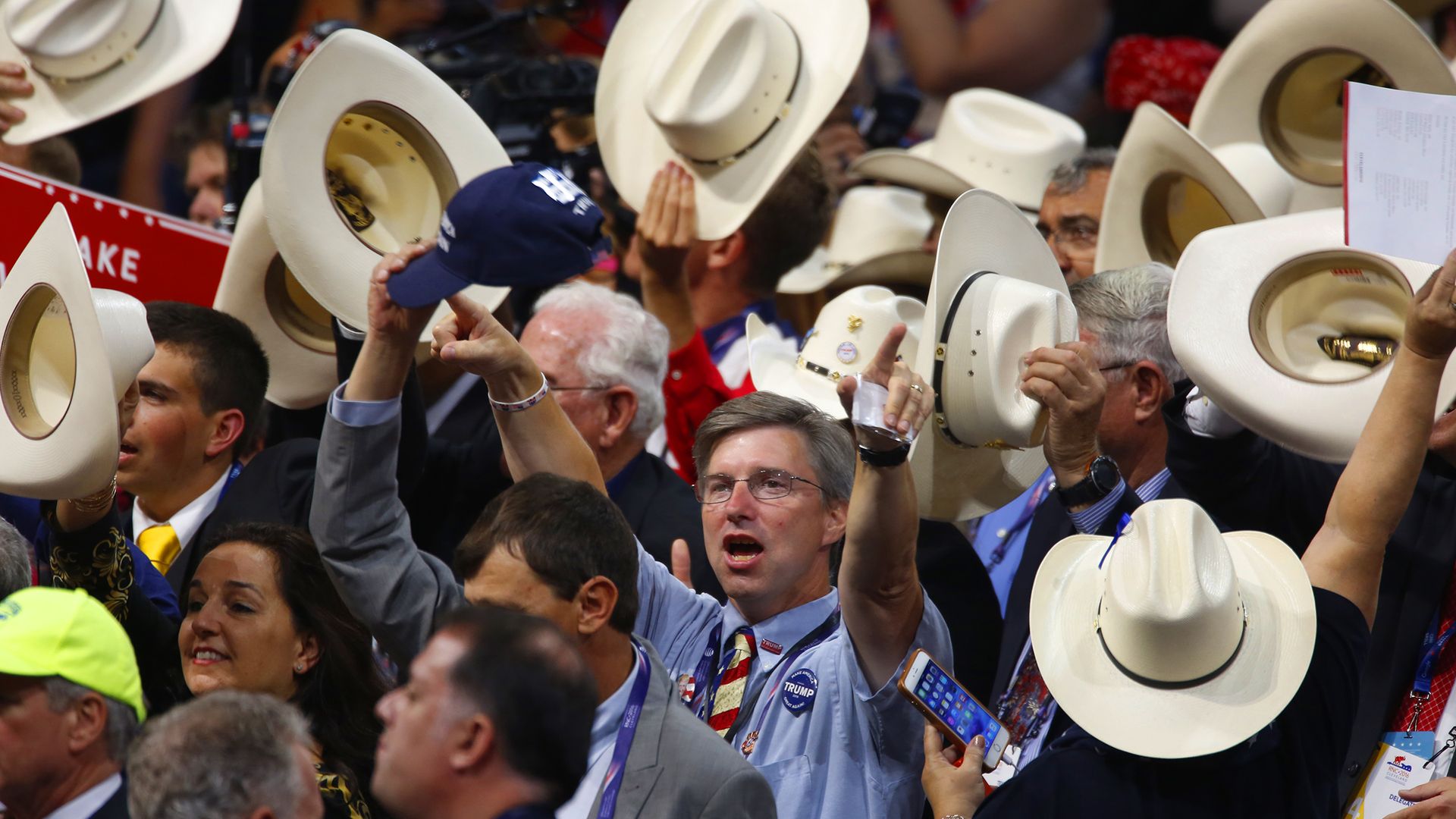
At least seven GOP senators have said they will not attend next month's Republican National Convention in Jacksonville, Fla., and more are rethinking their visits.
Why it matters: For some, like 86-year-old Sen. Chuck Grassley (R-Iowa) and 80-year-old Sen. Lamar Alexander (R-Tenn.), the decision not to attend underscores broader concerns about holding mass gatherings in the coronavirus era. For others, like Sen. Mitt Romney (R-Utah), the nominating convention for President Trump is politically unsavory.
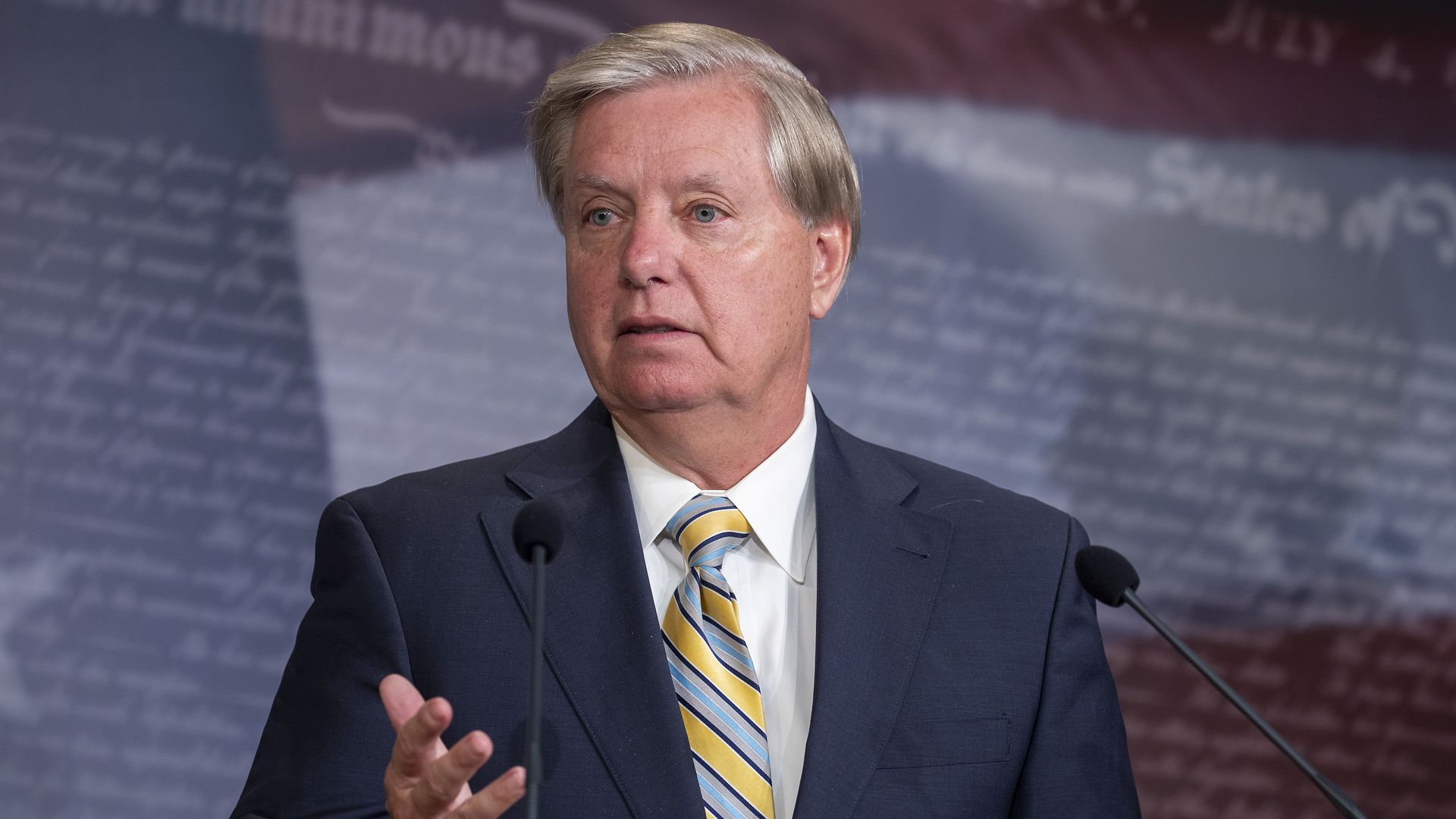
Sen. Lindsey Graham (R-S.C.) defended Anthony Fauci at a press conference Tuesday in the wake of attempts by anonymous Trump administration officials to undermine the nation's top infectious diseases expert.
What he's saying: "We don't have a Dr. Fauci problem. We need to be focusing on doing things that get us to where we need to go. So I have all the respect in the world for Dr. Fauci."
The Texas Republican Party voted Monday to hold its convention this week online, after the state Supreme Court tossed an attempt to overturn a city order that banned the gathering.
Why it matters: The move ends a conflict between the state party and the city of Houston. The Texas GOP had tried to continue with its in-person convention despite the state's surge in coronavirus cases.
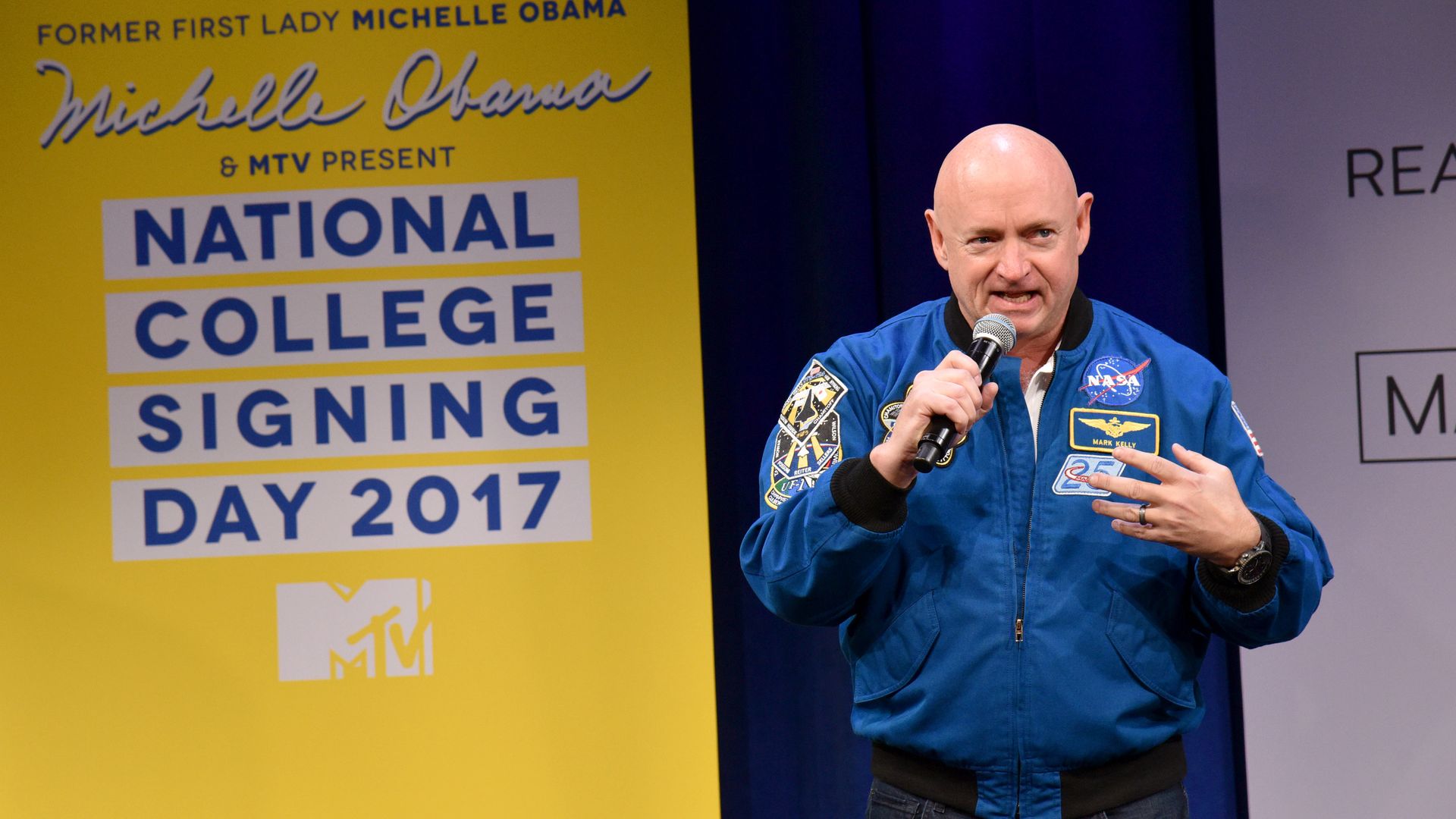
Former Navy captain and retired astronaut Mark Kelly's Democratic Senate campaign in Arizona announced Tuesday it raised nearly $12.8 million in the second quarter.
Why it matters: The massive haul means the campaign has $24 million in cash on hand heading into the final stretch of the race against incumbent Republican Sen. Martha McSally, with a continued lead in the polls. The campaign says it received an average contribution of about $44 — and 89% of donations were less than $100.
A new visa guideline issued last week would strip international students in the U.S. of their student visa if their college classes are online-only amid the pandemic.
Why it matters: More than 360,000 Chinese students are enrolled at U.S. colleges. Many of them could be forced to return to China if the rule change is implemented.
Speaker Nancy Pelosi (D-Calif.) told CNN on Tuesday she would "absolutely" be willing to forgo the House's August recess to reach a deal for another relief package to help the country battle the health and economic crises caused by the coronavirus.
The big picture: Pelosi indicated the package would earmark money for coronavirus testing and contact tracing, as well as assistance for state and local governments whose budgets are in dire financial straits due to revenue shortfalls caused by the recession.
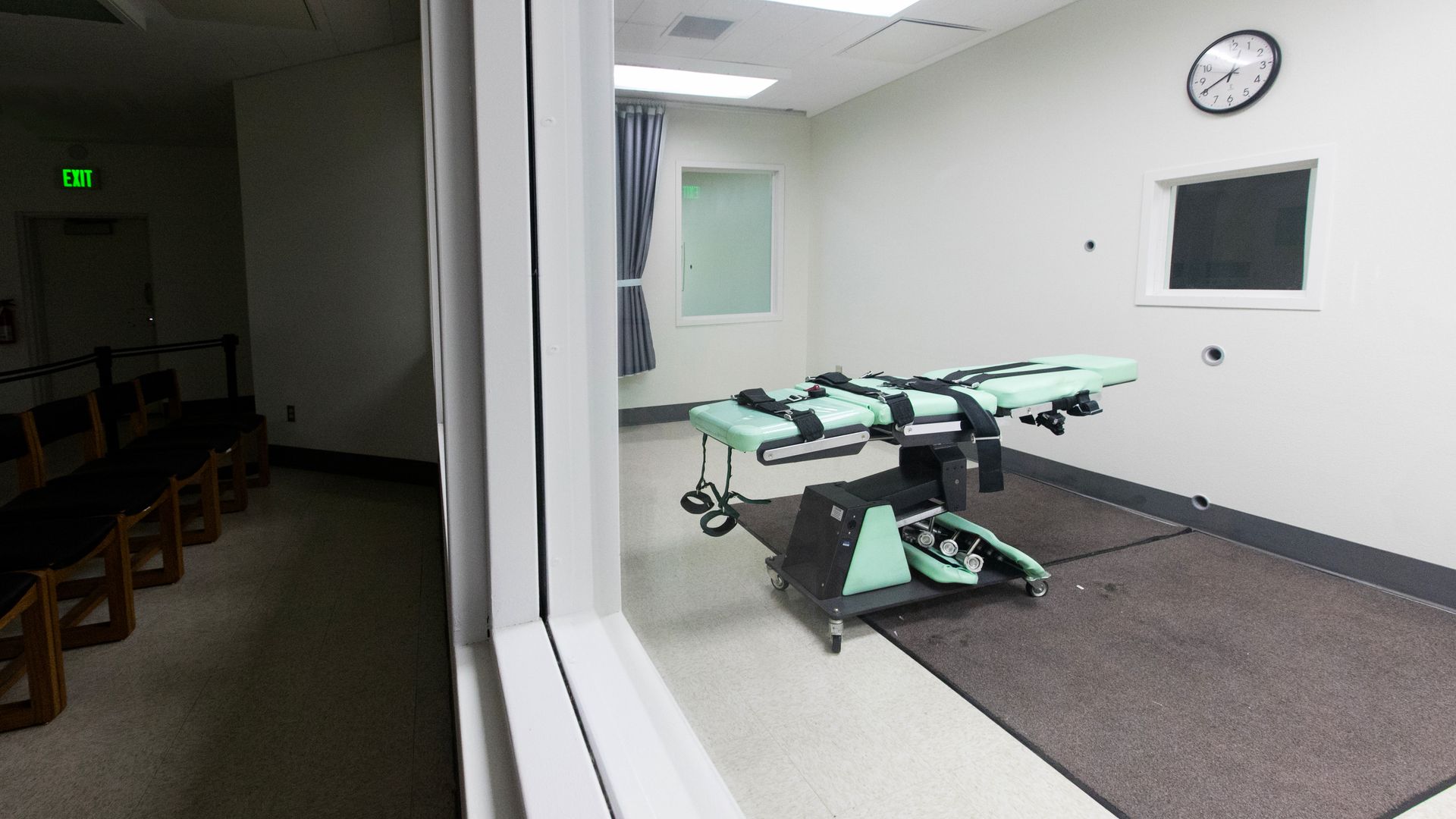
The first execution carried out by the federal government since 2003 took place on Tuesday at a federal prison in Indiana after an early-morning Supreme Court decision allowed it to move forward, the Washington Post reports.
The big picture: A lower court had delayed the execution, saying inmates had provided evidence the government's plan to carry out executions using lethal injections "poses an unconstitutionally significant risk of serious pain."
In proposing fixes for the racial wealth gap in the U.S., public figures can conflate the effects of inequality with causes, researchers say.
What's happening: Often the increased rate of Black single motherhood or "Black family disorganization" is referenced as a reason for the gap in wealth accumulation.
The Paycheck Protection Program (PPP) has left much to be desired for needy small businesses around the U.S., and the overwhelming majority of recipients are about to exhaust their funding and may start laying off employees.
Why it matters: The PPP has been derided by some economists and researchers as inefficient and ineffective, but a new Goldman Sachs survey shows that even for the businesses and employees it helped, it has not been enough.
Political junkies know Macomb County, Mich. But Gogebic?! Located in the Upper Peninsula, it will cast a tiny amount of votes, but went for President Trump in 2016 and a Democratic ticket in 2018 and looks like the state’s political median in the age of Trump.
What's happening: Third Way, the center-left think tank, is out with "Bellwether Counties 2020," isolating 21 counties in the swing states of Michigan, Pennsylvania and Wisconsin as well as the Senate battlegrounds of Arizona, Iowa and North Carolina.
Bruce Mehlman of Mehlman Castagnetti Rosen & Thomas, who tells Axios he spends about 50 hours every three months on his famous quarterly decks, has delved into all the ways the pandemic is bringing us the future faster.
Bruce's bottom line: If things feel historically disruptive, it's because they are.
Most U.S. parents say it would be risky to send their children back to school in the fall — including a slim majority of Republicans and a staggering nine in 10 Black Americans — in this week's installment of the Axios-Ipsos Coronavirus Index.
Why it matters: President Trump and Education Secretary Betsy DeVos have threatened to withhold federal funds from schools that don't reopen. The new findings suggest that this pressure campaign could backfire with many of the voters to whom Trump is trying to appeal ahead of the election.