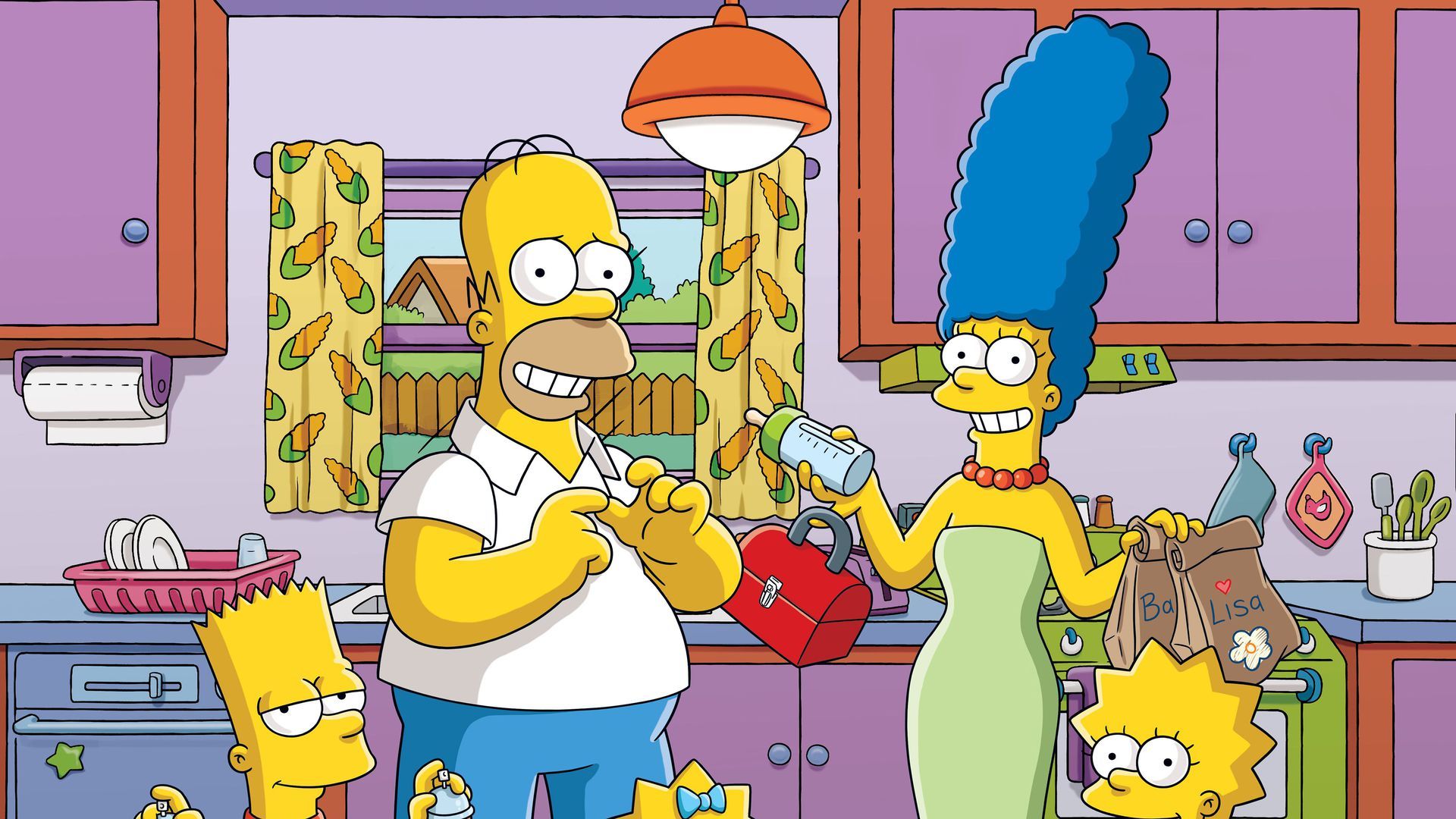
Characters of color in the Simpsons will no longer be voiced by white actors, the show's producers said in a statement on Friday.
The state of play: One character on the show, Apu, was seen as an offensive caricature that "perpetuated ugly stereotypes about South Asians" to many Indian Americans and immigrants, the New York Times' Vikas Bajaj wrote in 2018. Apu was played by a white actor, Hank Azaria, until he stepped away from the role in February.
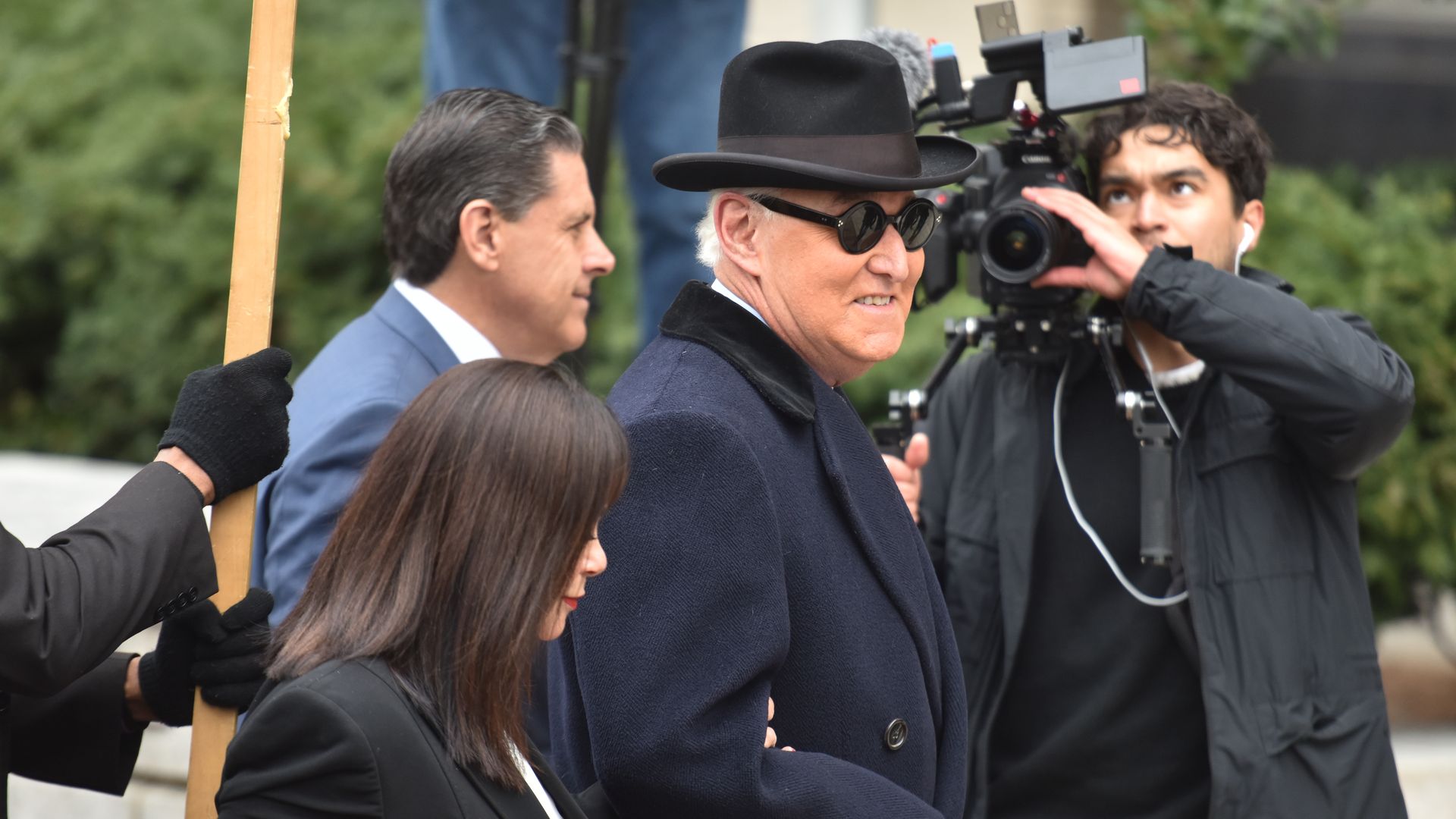
Longtime Trump associate Roger Stone was ordered by a federal judge on Friday to report to prison on July 14, the Washington Post reports.
Why it matters: Stone was sentenced in February to 4o months in prison for crimes that include obstruction of justice, lying to Congress and witness tampering.
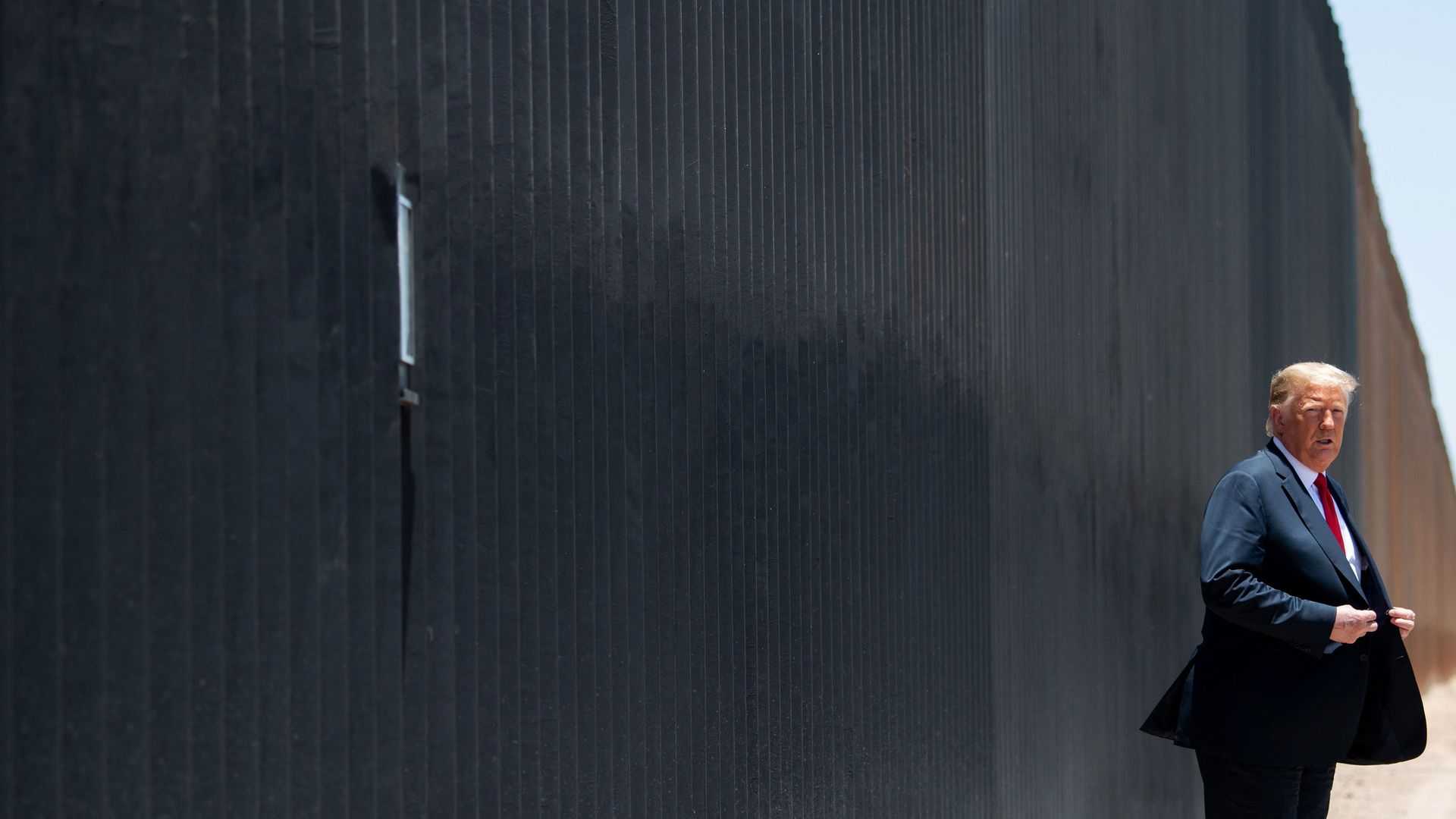
A federal appeals court ruled Friday that the Trump administration's transfer of $2.5 billion from the Pentagon for southern border wall construction was an illegal breach of its executive authority, the Washington Post reports.
The big picture: Much of the money has already been awarded by the administration, AP reports. The long-term consequences of Friday's ruling are also uncertain, since it "only affects a portion of the funds the White House has budgeted" for border wall construction, per the Post.
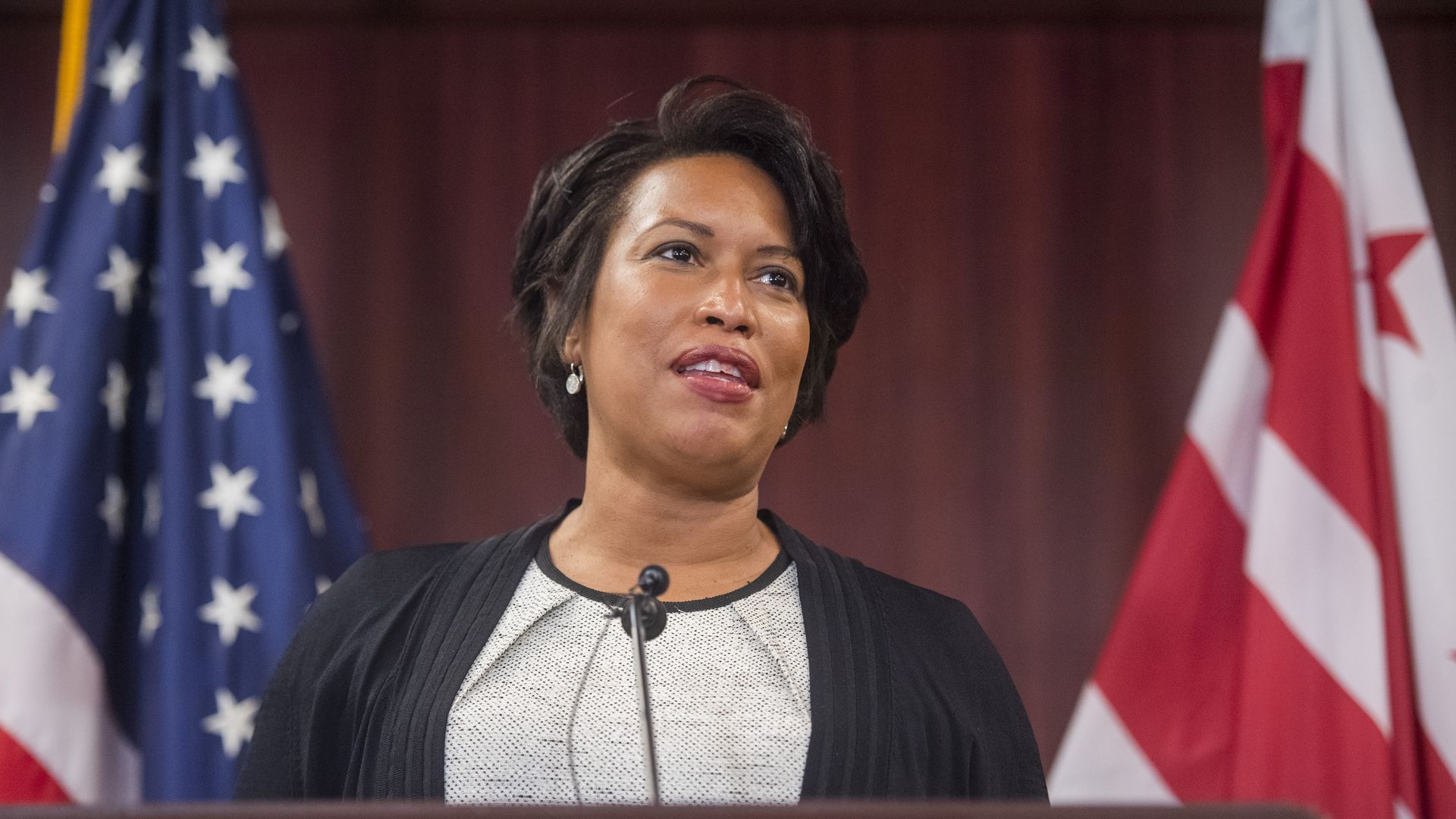
The House voted to recognize Washington, D.C., as a state largely along party lines, 232-180.
Why it matters: The vote marks the first time that either chamber has voted to recognize the District as a state, although the bill is doomed in the Senate.
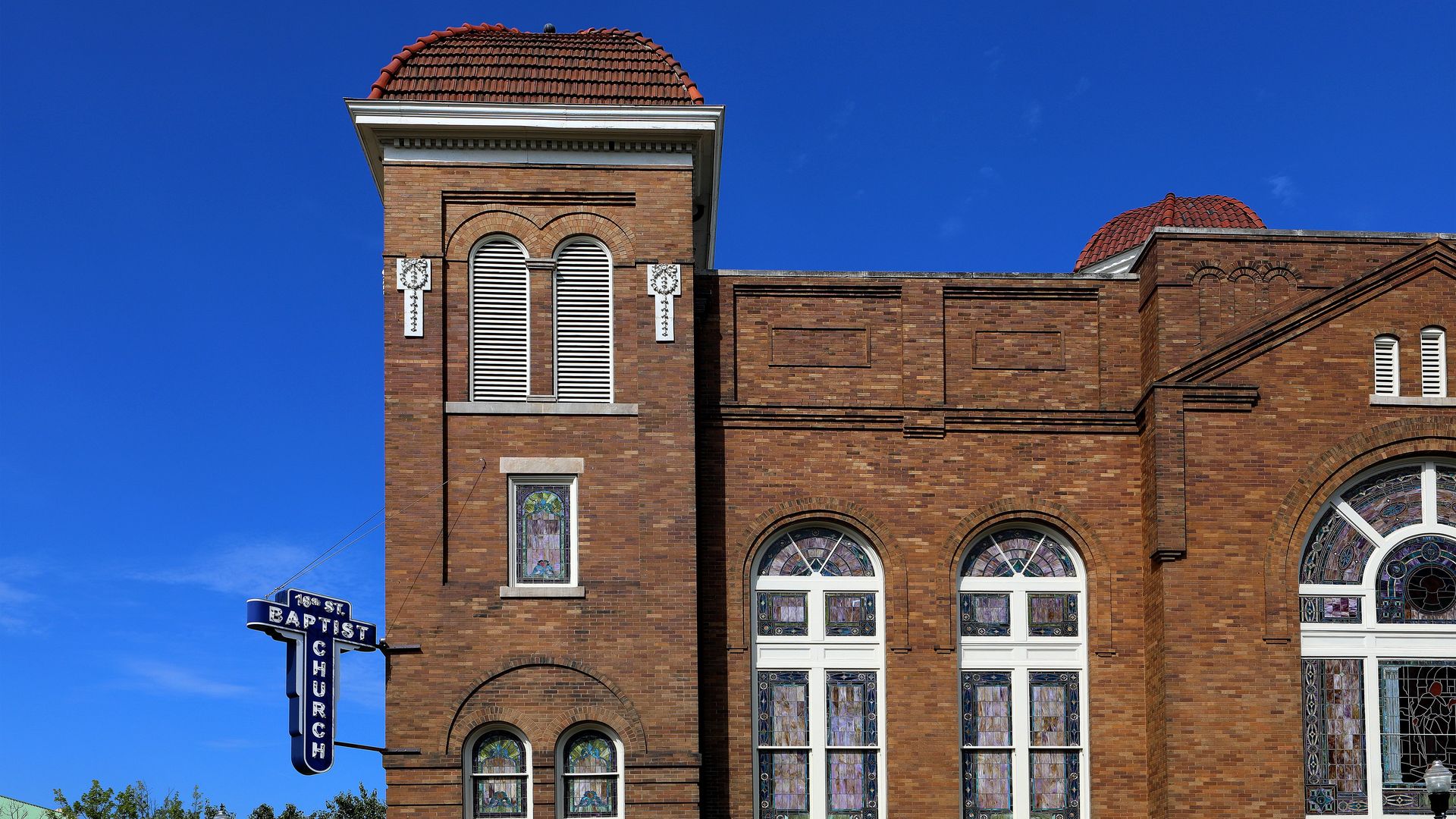
The last surviving Ku Klux Klansmen who bombed a predominately Black church in Birmingham, Ala., in 1963, killing four girls, died from natural causes while serving a life sentence, Gov. Kay Ivey announced on Friday.
Why it matters, per AP: The bombing exposed "the depths of hatred by white supremacists as Birmingham integrated its public schools" and served as a tipping point in the Civil Rights Movement.
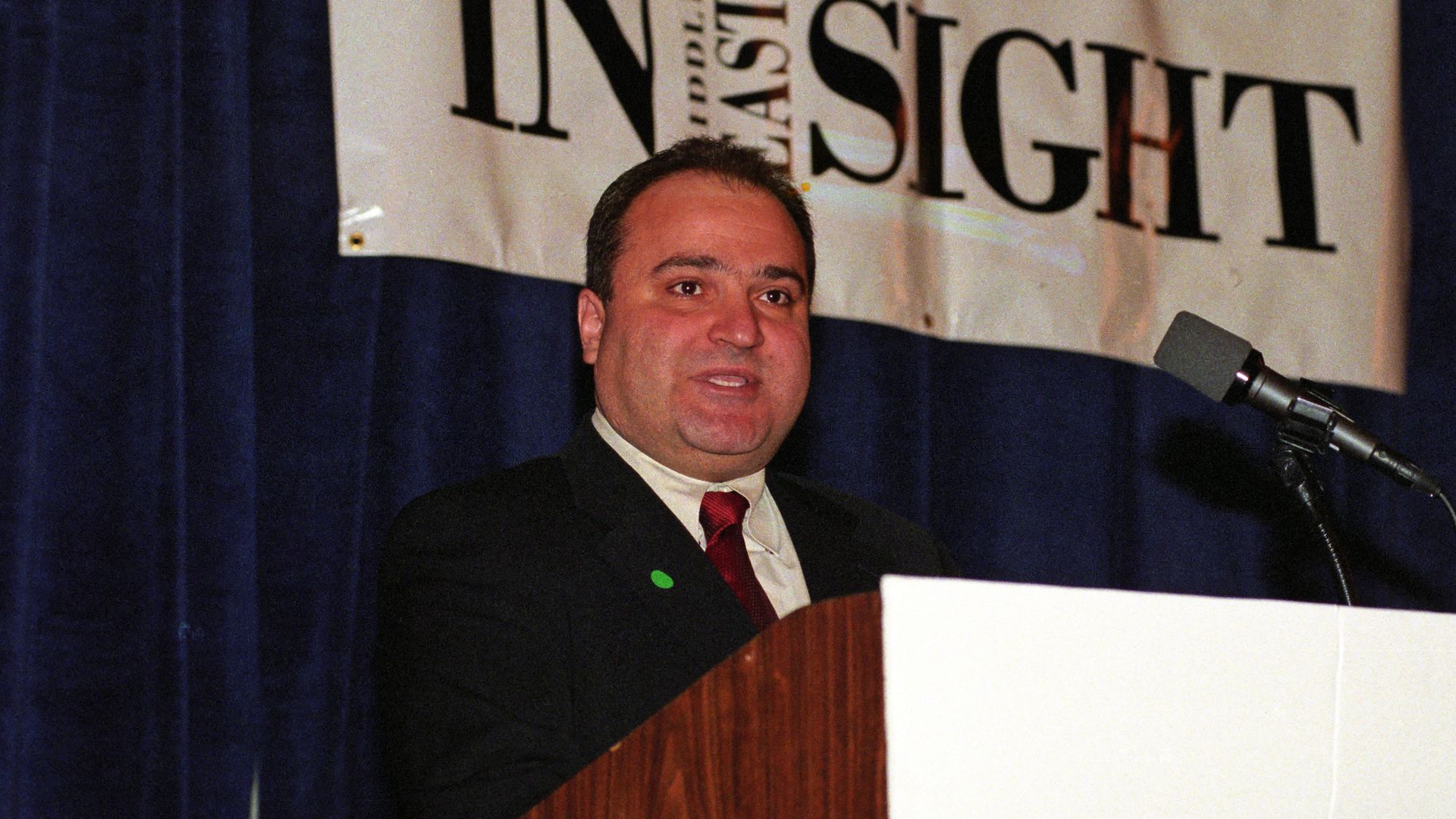
Businessman George Nader, who was a key witness in special counsel Robert Mueller’s investigation into Russian interference in the 2016 U.S. election, was sentenced on Friday to 10 years in prison on child sex charges, AP reports.
The big picture: Nader pleaded guilty in January to possessing child pornography and bringing a 14-year-old boy to the U.S. to engage in sexual activity. The Mueller report outlined how Nader acted as a conduit between Trump associates and Russians. He was also indicted last December on campaign finance charges for allegedly using straw donors to conceal contributions to Hillary Clinton.
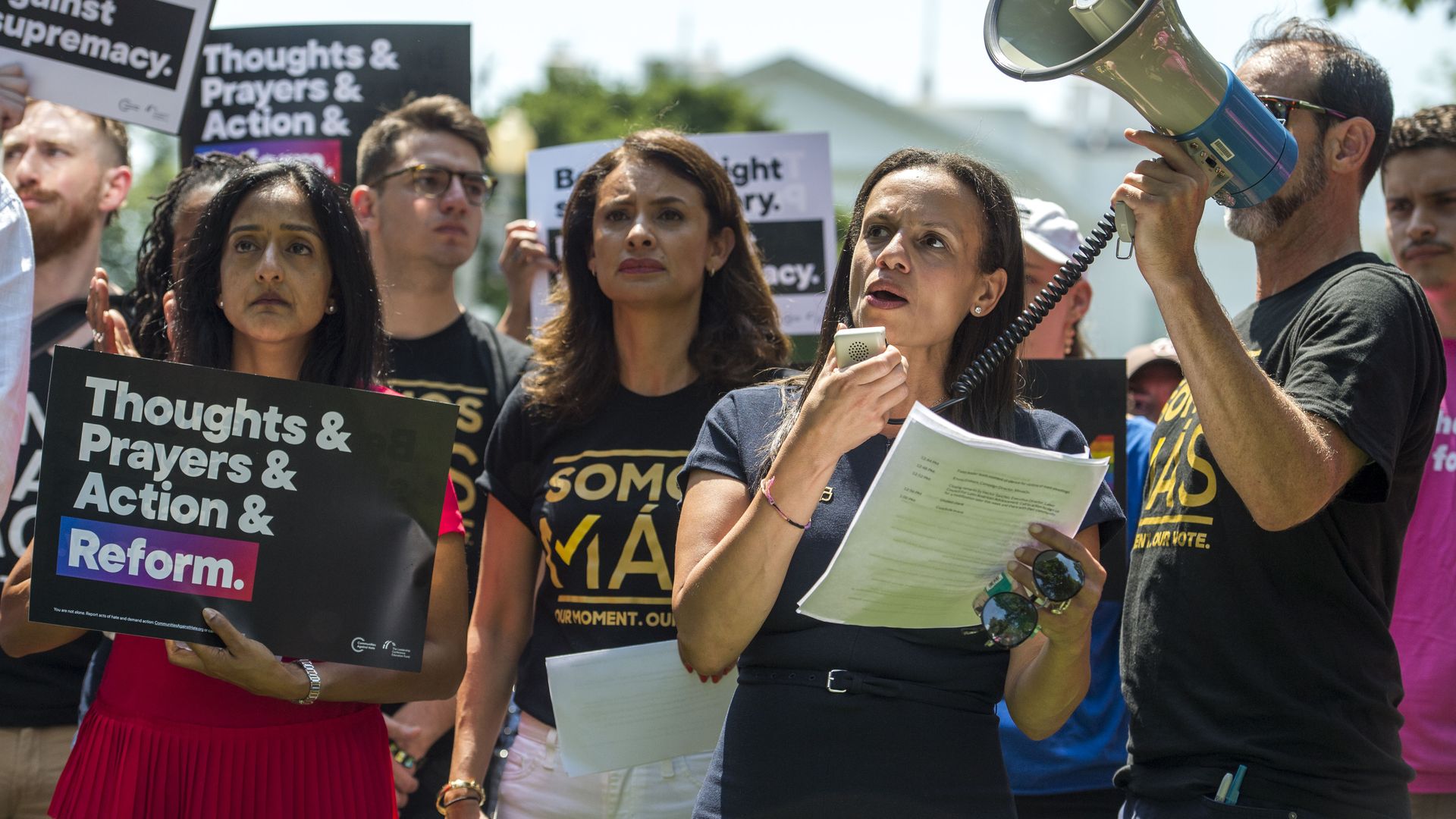
Planned Parenthood interim president Alexis McGill Johnson will take over the role permanently and also become CEO, the organization announced Friday.
Why it matters: Johnson is a civil rights and social justice activist and is Planned Parenthood's second Black president, according to The Daily Beast, which first reported the promotion. The organization has long refuted claims by anti-abortion activists that it was founded on racist ideals because its founder, Margaret Sanger, was a proponent of eugenics.
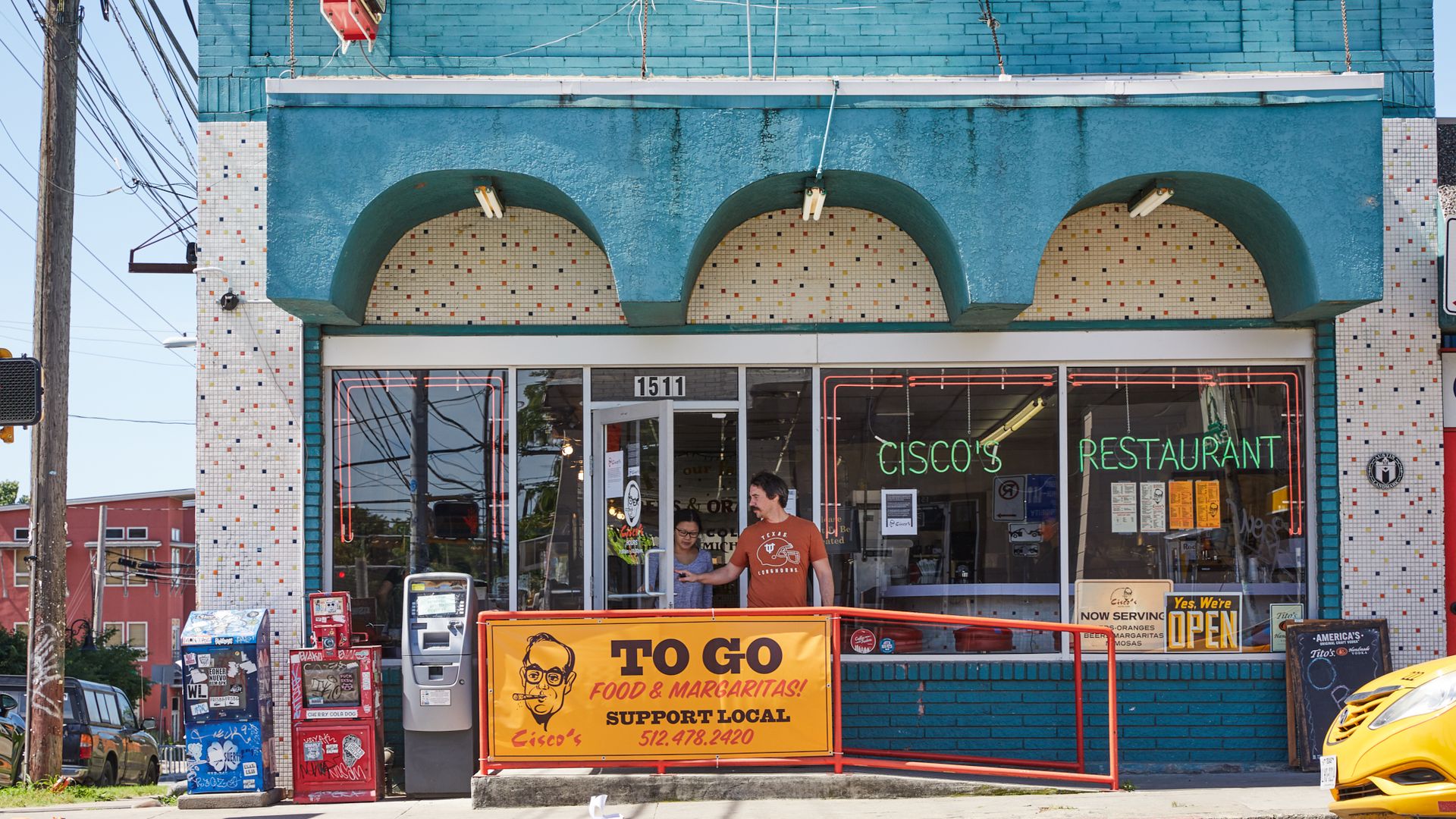
Texas Gov. Greg Abbott (R) issued an executive order Friday for all bars to close by 12 p.m. today and that restaurants must decrease their capacity from 75% to 50% due to a surge in coronavirus cases.
Why it matters: Abbott's orders could signal a beginning of second wave re-closures by states.
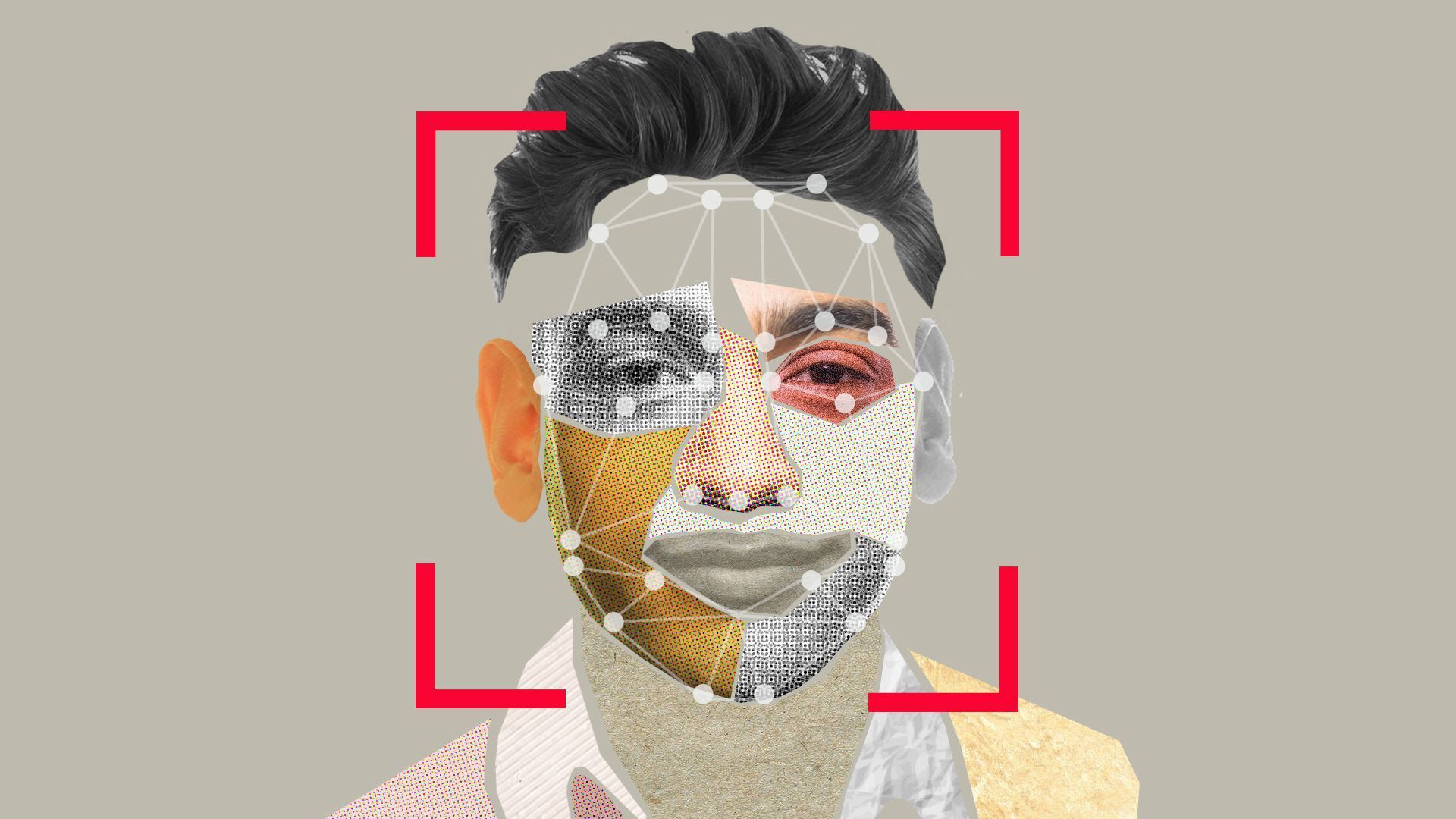
Democrats in both houses of Congress said Thursday they are introducing a bill that would ban government use of facial recognition technology.
Why it matters: A handful of cities have banned government use in their jurisdictions, but there are no national laws governing how facial recognition can be used, and there's wide concern over how the tech today encodes racial and other kinds of biases.
The Trump administration formally asked the Supreme Court on Thursday to overturn the Affordable Care Act, AP reports.
Why it matters: Nearly 20 million Americans could lose health care coverage and protections for those with pre-existing conditions if the court rules to overturn ACA.
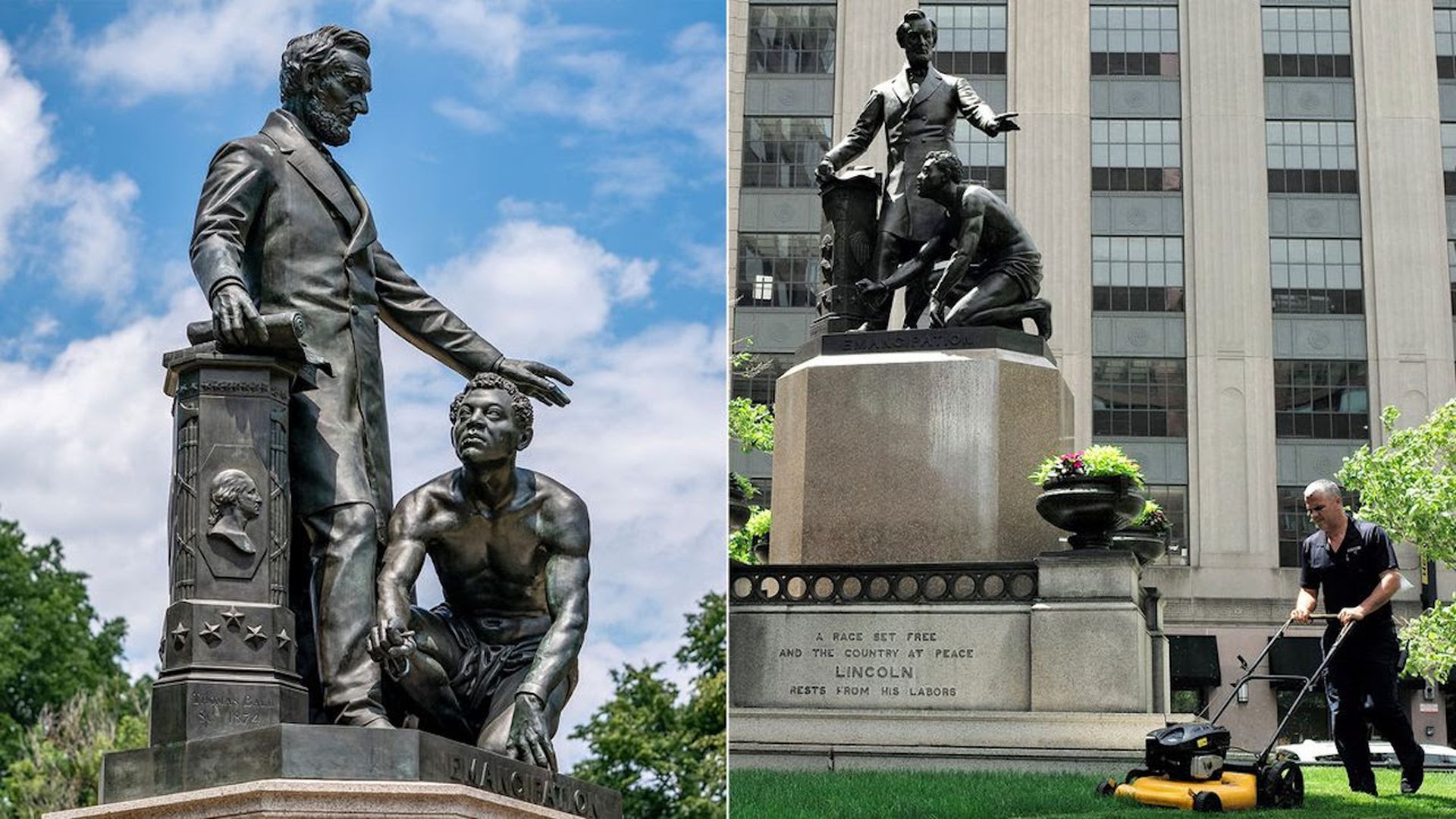
Protesters are demanding the removal of twin Emancipation memorials — one in D.C. (left) and the other in Boston (right) — that depict a freed slave kneeling at Abraham Lincoln's feet, AP reports.
Why it matters: Following a revival of the Black Lives Matter Movement, protesters are looking at these statues with a fresh lens, AP writes. Many are offended by the imagery of a Black man kneeling before Abraham Lincoln, with critics saying it looks more like subservience and supremacy in 2020.
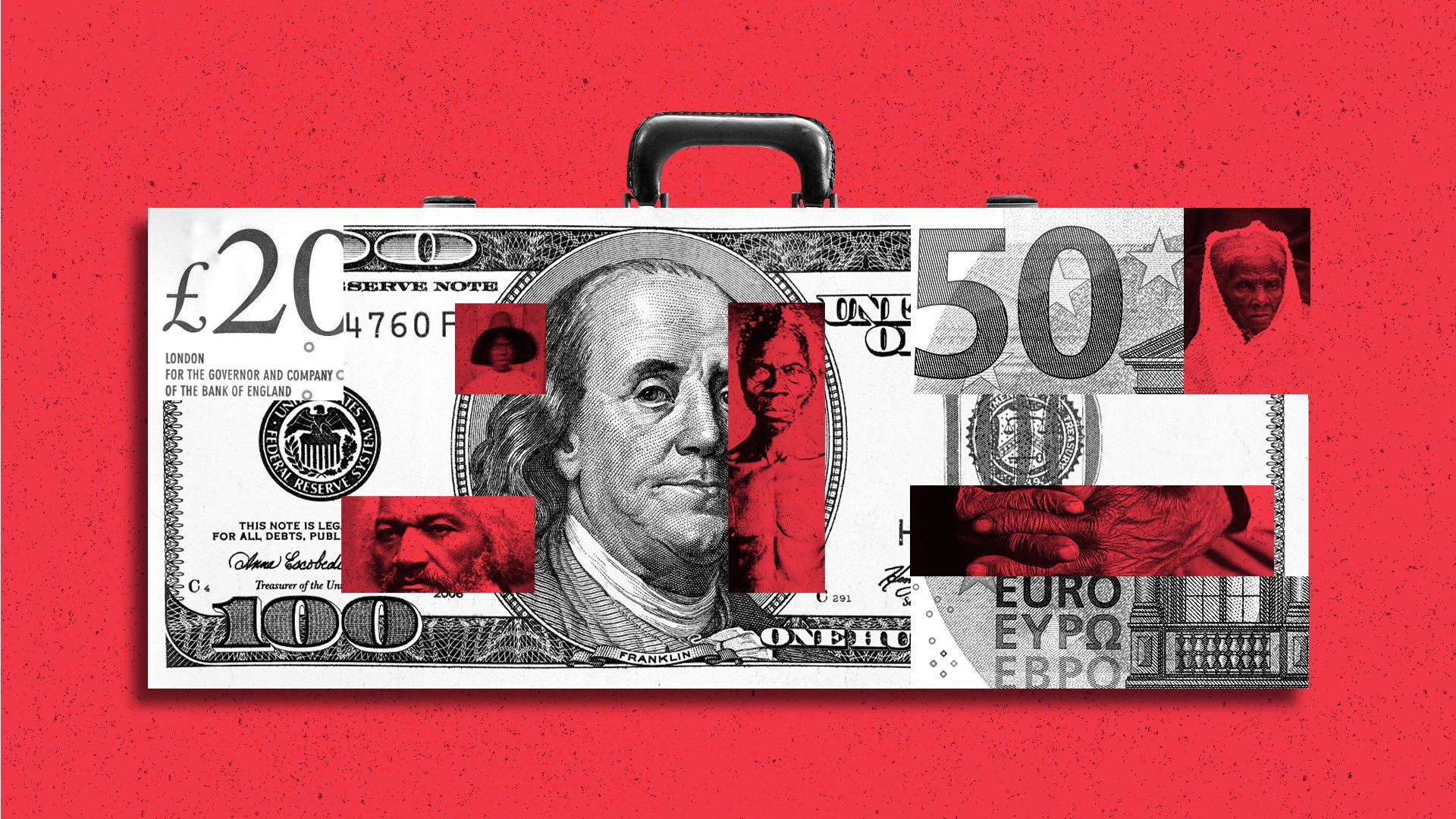
For years, some Democrats and Black leaders have called for reparations from the U.S. government for slavery. Axios business reporter Courtenay Brown says reparations may move faster in the private sector, where some corporations are trying to make amends.
Plus, our new beer barometer tells us how much people are going out to bars and restaurants during the pandemic.
And White House editor Margaret Talev tells us what to expect in the upcoming primaries after watching mayhem in Kentucky.
The debate over reparations for slavery has moved from the political realm to the corporate one. At least two big British companies — insurer Lloyd's of London and brewer Greene King — promised to make certain amends for their role in slavery. But activists want them and other companies to do more.
Why it matters: We usually hear about reparations as a political issue — a "societal obligation" of the federal government, as The New York Times' Nikole Hannah-Jones wrote this week. But corporations, too, are being called out for how their involvement in slavery — and their modern-day policies and practices — perpetuate racism.
Microbrews are providing us with macro clues about the state of the U.S. economy — and how confident Americans actually feel about reopening amid the pandemic.
The big picture: The national trend shows that more watering holes are opening up, with 85% of locations open and pouring beer last weekend. And if the bars are open, it's a good sign that those communities have opened up, too.
The House passed Democrats' federal police reform bill by 236-181 on Thursday night.
Reality check: Democrats' proposed changes, which would be the biggest overhaul of federal policing laws in decades, face the threat of veto from the Trump administration.