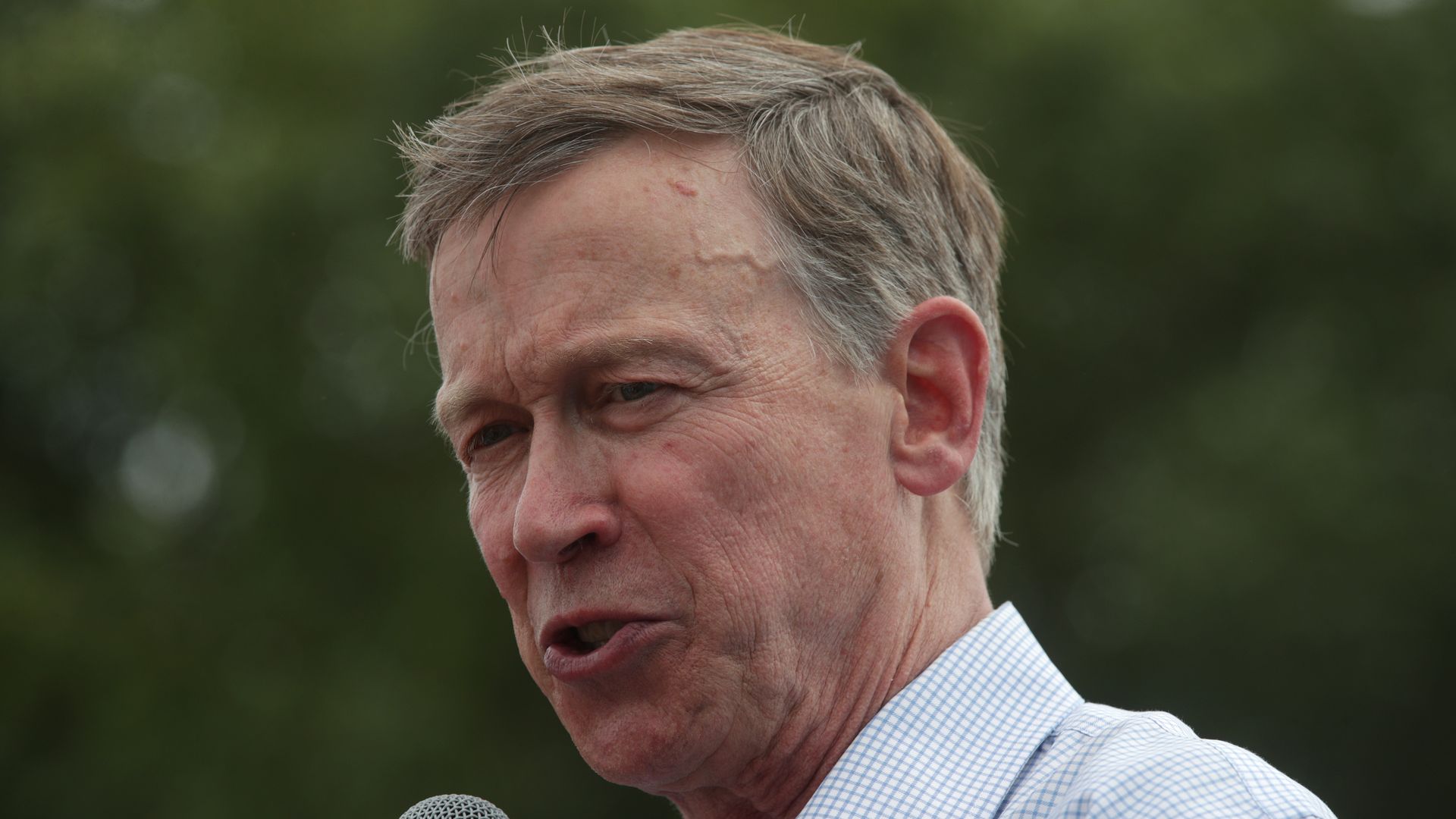
Former Colorado Gov. John Hickenlooper dropped his presidential bid Thursday, becoming the first high-profile Democrat to exit the 2020 race.
Why it matters: Hickenlooper had been facing pressure from other Democrats, including Sen. Chuck Schumer, to withdraw from the presidential race and run for Senate in Colorado.
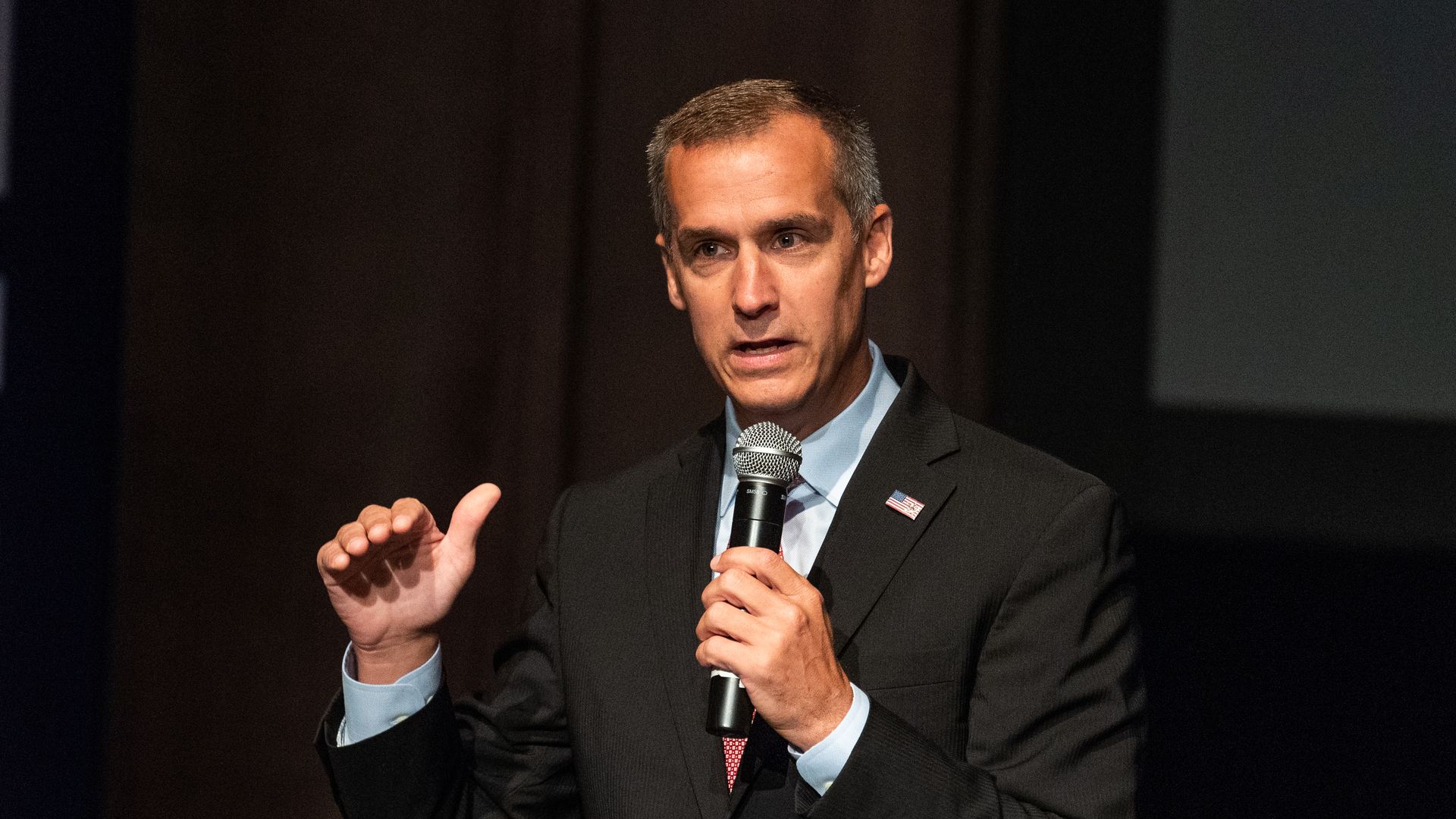
The House Judiciary Committee subpoenaed former Trump campaign manager Corey Lewandowski and former White House official Rick Dearborn on Thursday to testify Sept. 17 about potential obstruction of justice by President Trump.
The big picture: The testimonies are part of the ongoing investigation by the committee — recently dubbed "formal impeachment proceedings" by House Judiciary Chairman Jerry Nadler (D-N.Y.) — into "obstruction, corruption and abuse of power by Trump and his associates." Unlike the other witnesses in the Mueller investigation who have been subpoenaed by the Judiciary committee, Lewandowski never worked in the Trump White House — a fact that Democrats hope will prevent the president from blocking his testimony.
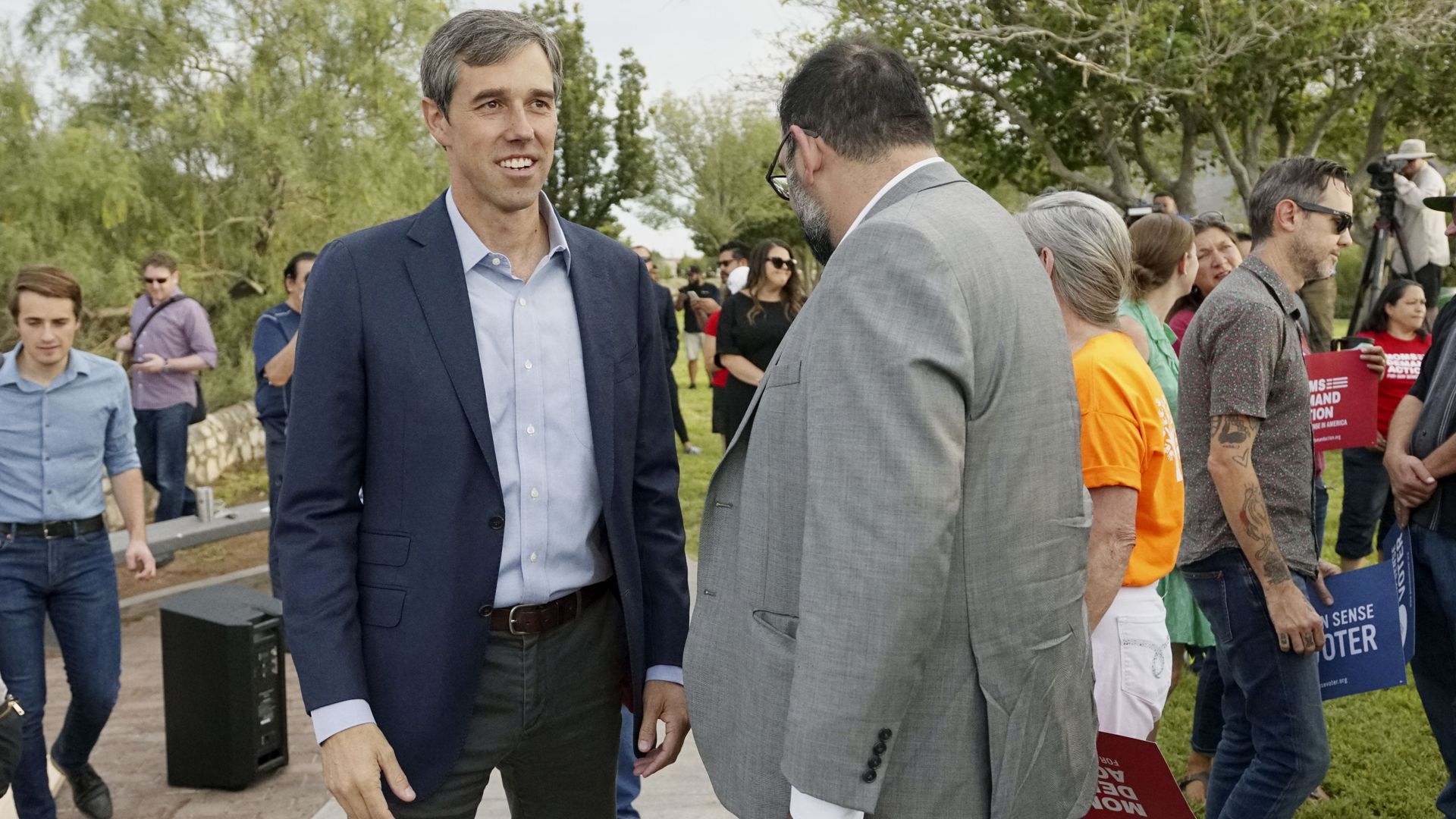
2020 contender Beto O'Rourke issued a relaunch of his campaign Thursday, refocusing his fight to take on President Trump and shifting campaign efforts away from early primary states, the New York Times reports.
The big picture: The move allays speculation that O'Rourke will drop out of the presidential contest to pursue a Senate bid in Texas.
The backdrop: Cuccinelli, the acting head of U.S. Citizenship and Immigration Services, came under fire this week for using the poem to defend the Trump administration's rule that would penalize immigrants who use or are likely to utilize public benefit programs.
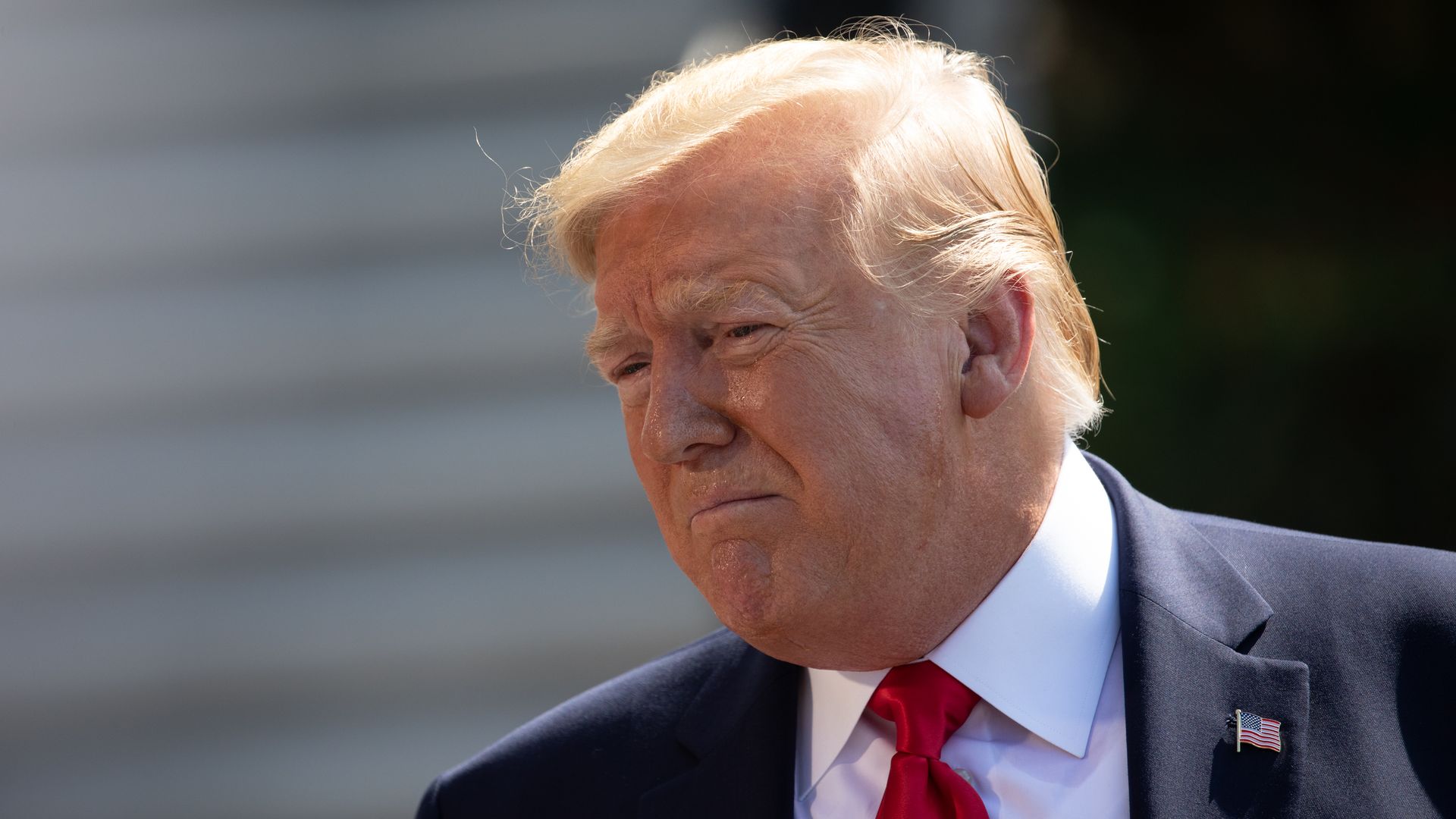
With #TrumpRecession trending on Twitter, a source close to President Trump told Axios, "I’m very worried about the latest economic data. A lot of us are concerned. Without the narrative on the economy, he can't win."
The big picture: A senior administration official said the administration was getting a lot of blowback from retailers who were worried about the China tariffs coming in September. The delay until Dec. 15, announced this week, was to stave off these concerns, the source said.
While Sen. Elizabeth Warren is the presidential candidate who's known for her robust set of policy plans, Sen. Amy Klobuchar is the one who's been the most prolific at her day job, introducing the most bills of any senator or House member running for president, according to data from Quorum.
The big picture: She's also introduced more bills than any senator, whether they're running for president or not. But that hasn't worked to her benefit in a primary that has incentivized maximum resistance and bold ideas that likely wouldn't become law in a divided government. She is polling at just 1%.
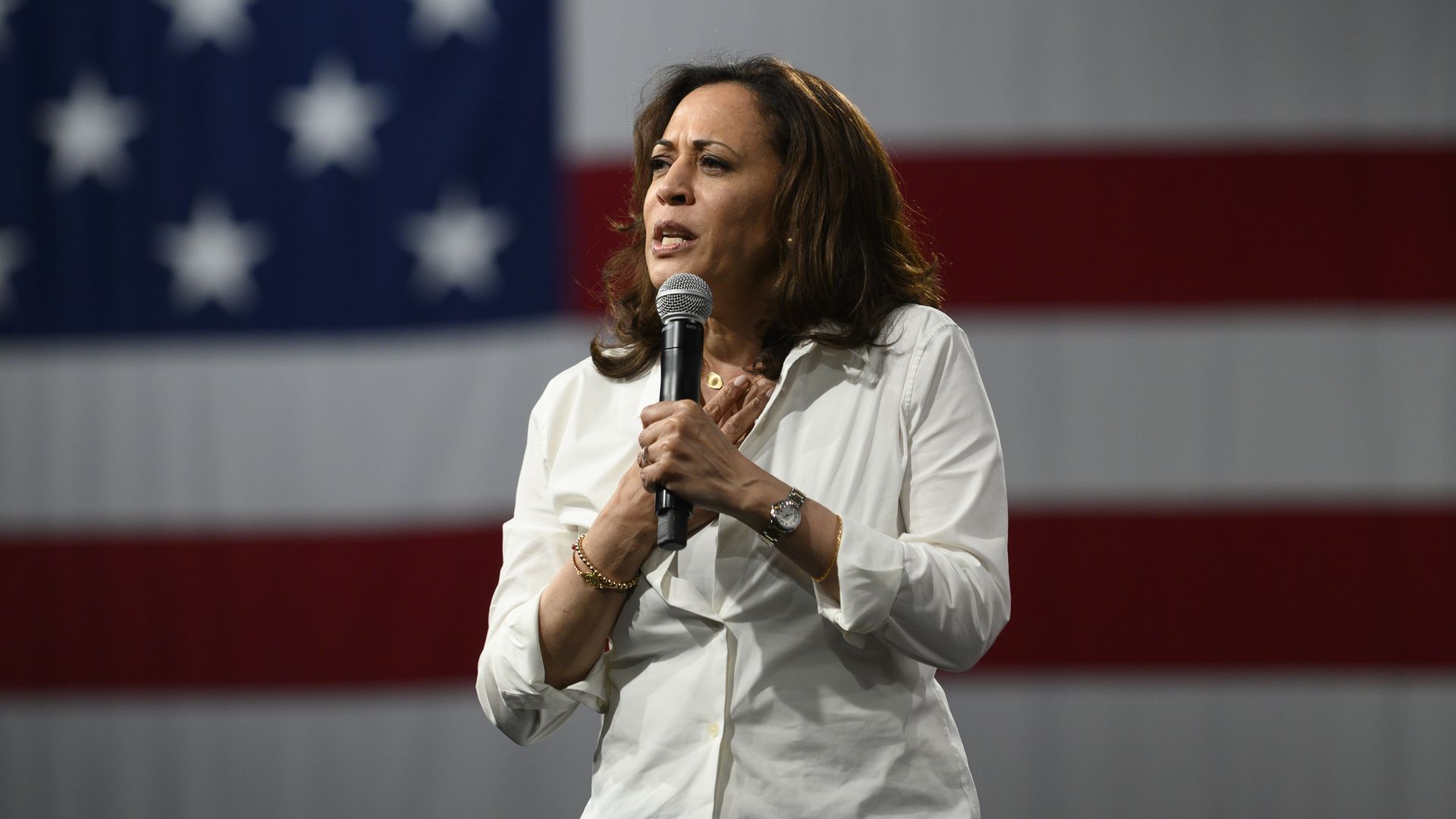
Democratic presidential candidate Sen. Kamala Harris (D-Calif.) released a plan Wednesday to tackle domestic terrorism by limiting gun access, following mass shootings in El Paso and Dayton this month.
Why it matters: Domestic terrorism is a growing threat in the U.S. FBI Director Christopher Wray testified before Congress in July that the bureau had made about 100 domestic terrorism arrests in the first 3 quarters of this fiscal year. Harris is the latest 2020 candidate to address this issue.
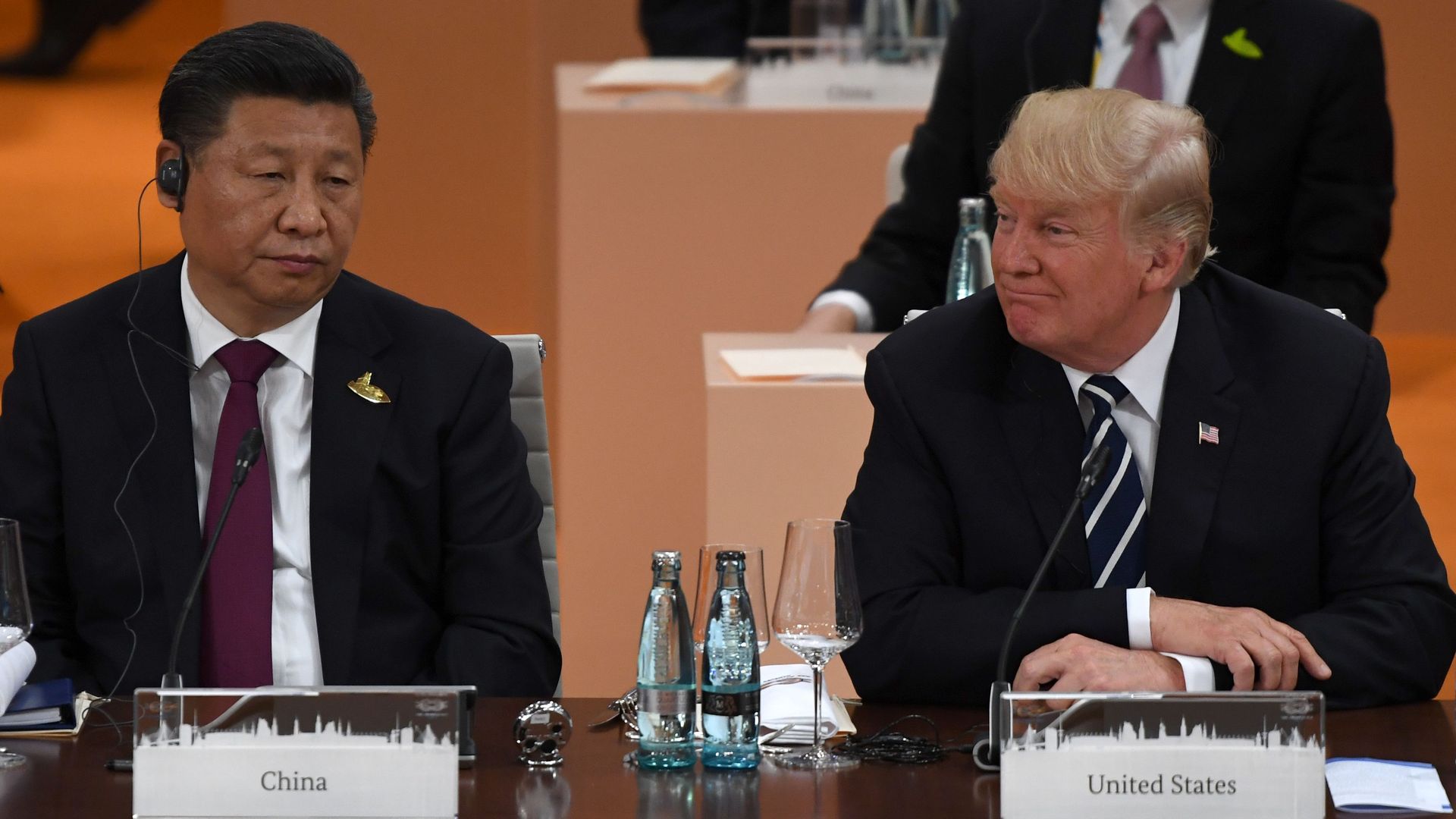
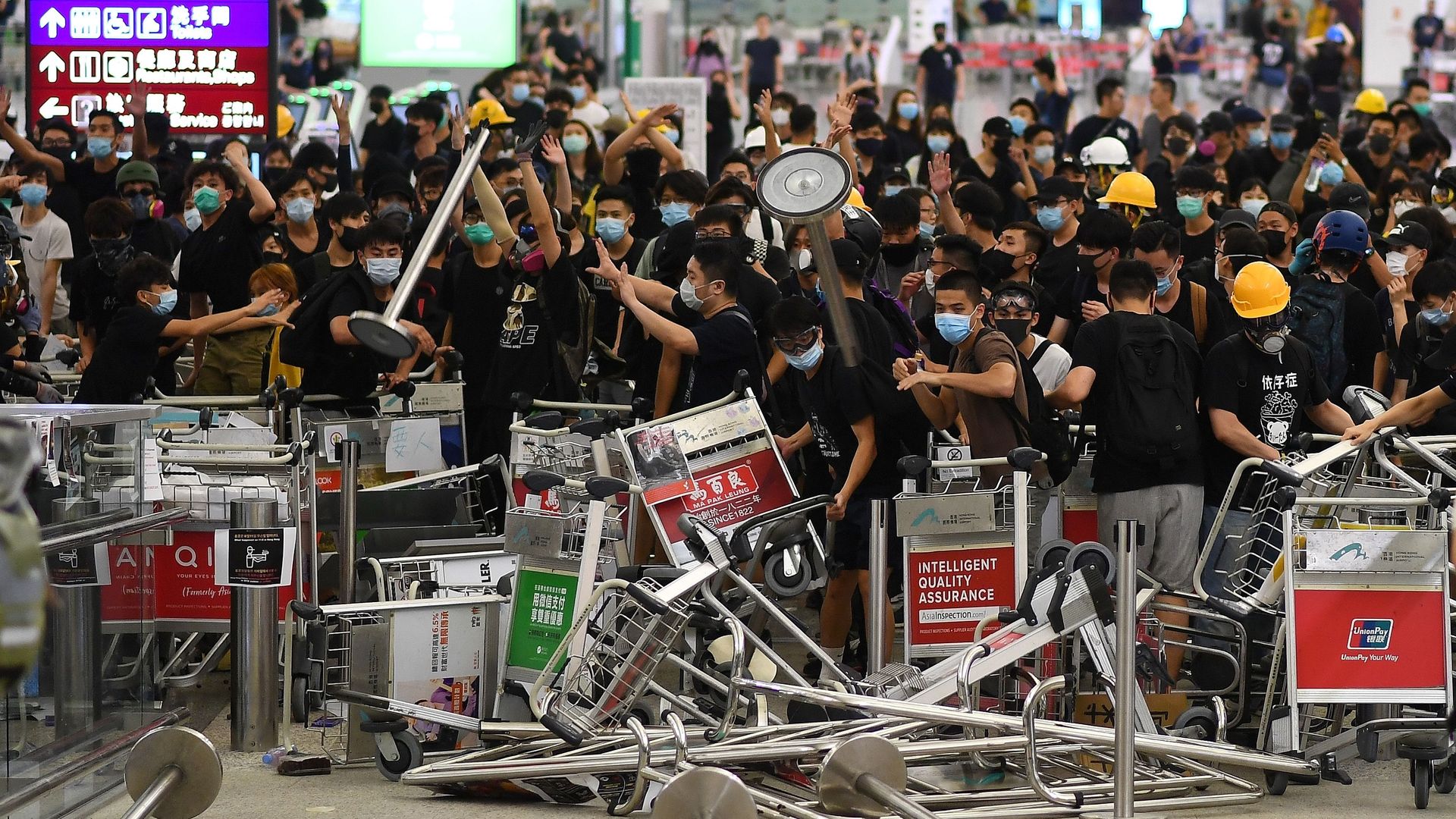
President Donald Trump appeared to invite Chinese President Xi Jingping via a Twitter post Wednesday for a personal meeting to discuss the turmoil in Hong Kong following 10 weeks of pro-democracy protests.
Intensifying protests in Hong Kong — continuing weeks after the shelving of a controversial extradition law — have fueled a broader struggle over the city's character and future.
Why it matters: Hong Kong remains an important financial gateway from China to the world, although Shanghai and other mainland cities have taken on part of that role. Above all, the central government in Beijing wants to avoid the precedent of a popular political movement successfully challenging President Xi and the authority of the Communist Party.
San Francisco and Santa Clara counties filed a lawsuit Tuesday challenging a Trump administration move to penalize immigrants who use or are likely to use public benefit programs such as food stamps, housing assistance or Medicaid.
Why it matters: Per Axios' Stef Knight, the rule would make it much harder for immigrants with low incomes or low levels of education to obtain visas or green cards. And it would be much harder for immigrants already in the U.S. to stay longer, change their immigration status or become citizens if they have used any of the specified safety net programs.
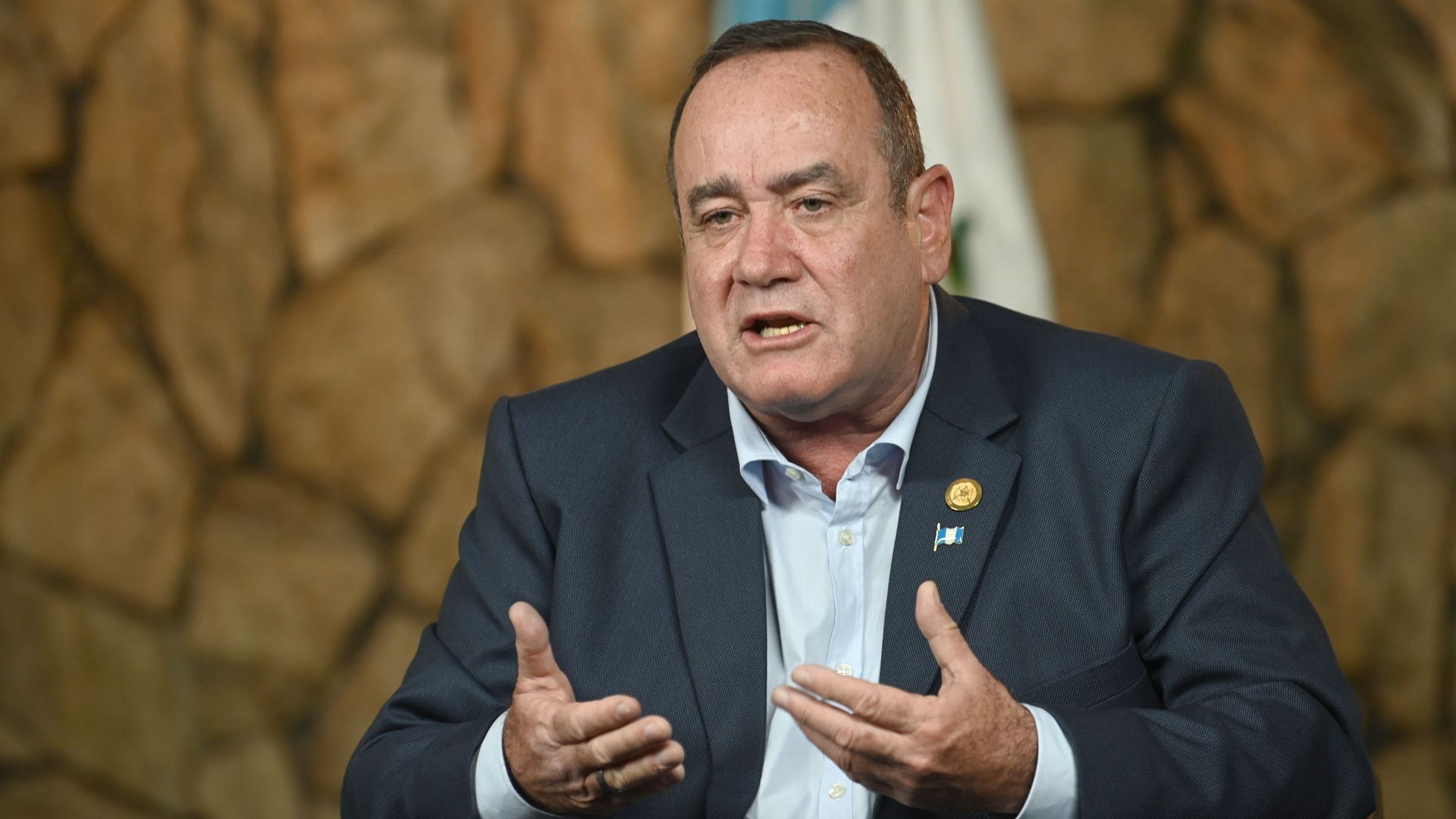
The current Guatemalan government's "safe third country" asylum agreement with the Trump administration won't work because Guatemala doesn't have the resources, President-elect Alejandro Giammattei told AP in an interview published Wednesday.
"In order to be a safe country, one has to be certified as such by an international body, and I do not think Guatemala fulfills the requirements to be a third safe country. That definition doesn’t fit us."
— Guatemala's President-elect Alejandro Giammattei to AP