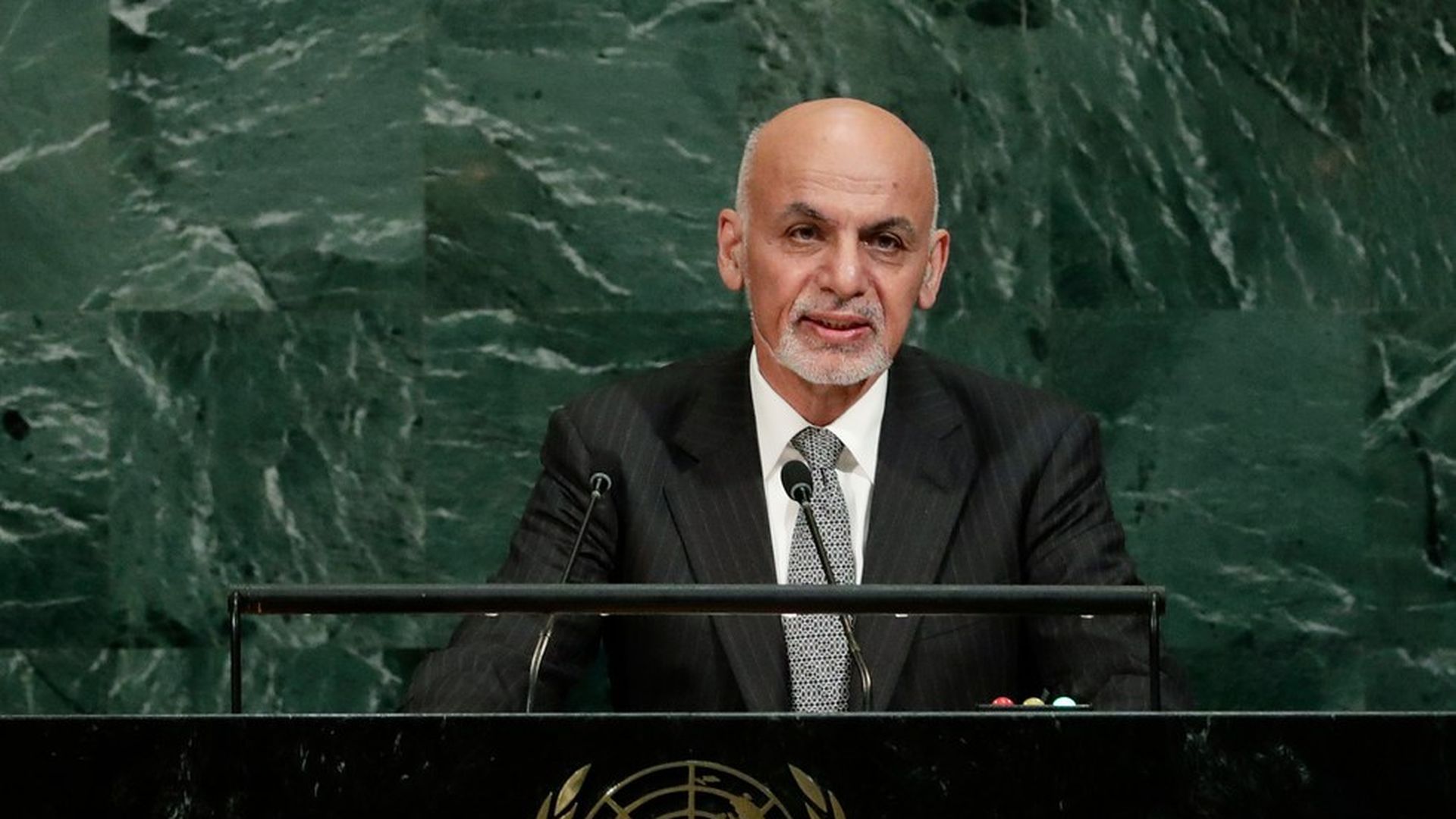
Afghan President Ashraf Ghani said Wednesday that Trump's strategy for the war in Afghanistan is better than Barack Obama's was, per Reuters. The winning points, per Ghani:
Trump wants a regional approach
Trump wants a harder line with Pakistan
Ghani also pointed out Obama didn't have former Afghan President Hamid Karzai on board with U.S. plans
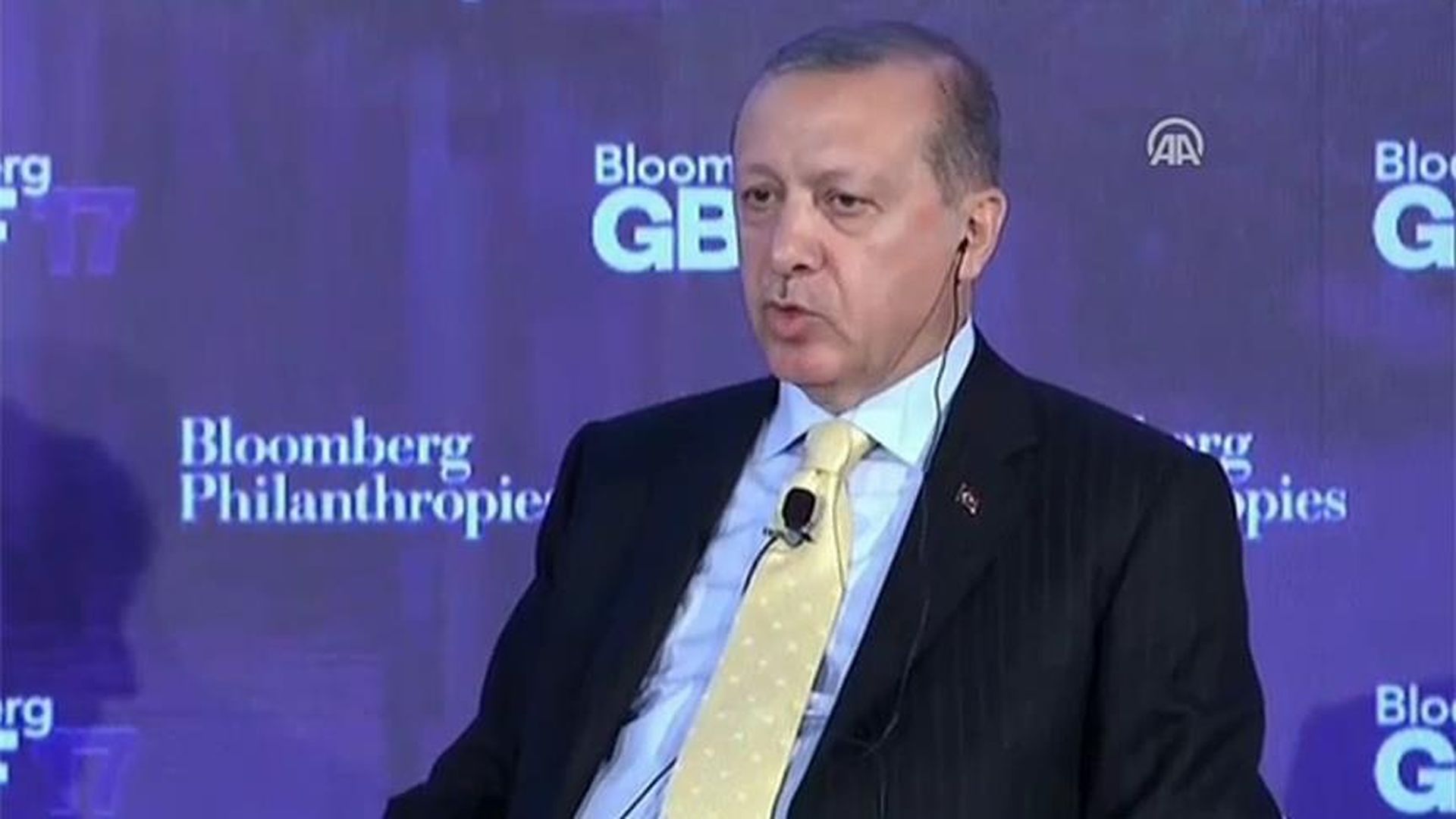
Turkish President Recep Tayyip Erdogan told Bloomberg's John Micklethwait Wednesday that he has had several conversations with both the U.S. and Russia regarding how to handle the crisis in Syria. Erdogan said nothing came of repeated talks with the U.S. under the Obama administration, but with Russia there have been tangible results.
Why it matters: The U.S. and Russia, which is allied with the Assad regime, have different visions for a post-war Syria.
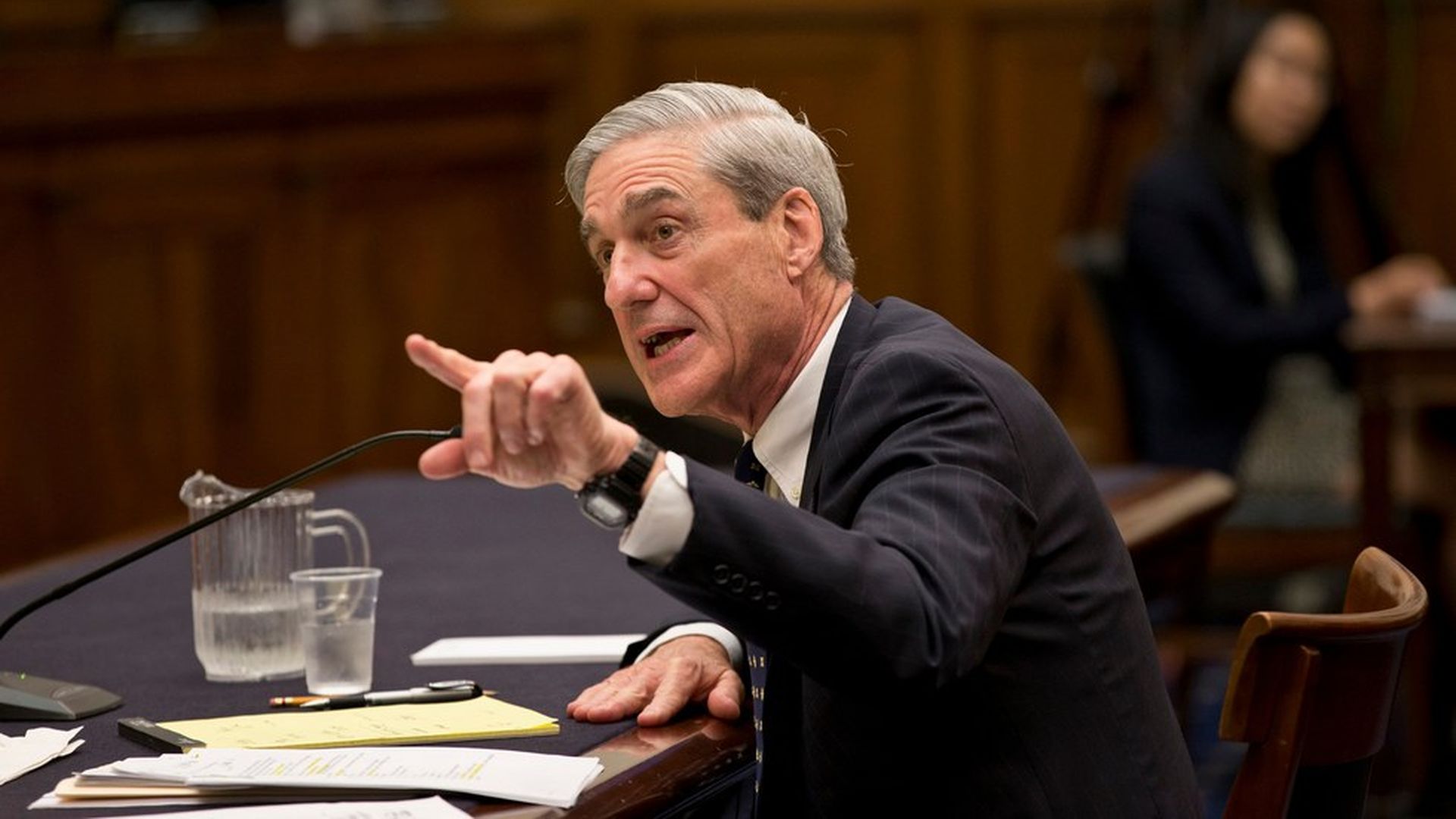
Special Counsel Robert Mueller has sent the White House a request for documents pertaining to some of President Trump's most controversial moves in office, per a report from The New York Times. The news suggests that at least part of the Russia probe is focused directly on Trump's time as president.
What Mueller wants: Trump's meeting with high-ranking Russian officials in the Oval Office the day after Comey's firing; the events leading to the firing of Michael Flynn; and the White House's response to questions from NYT about Donald Trump Jr.'s Trump Tower meeting with Russian officials.
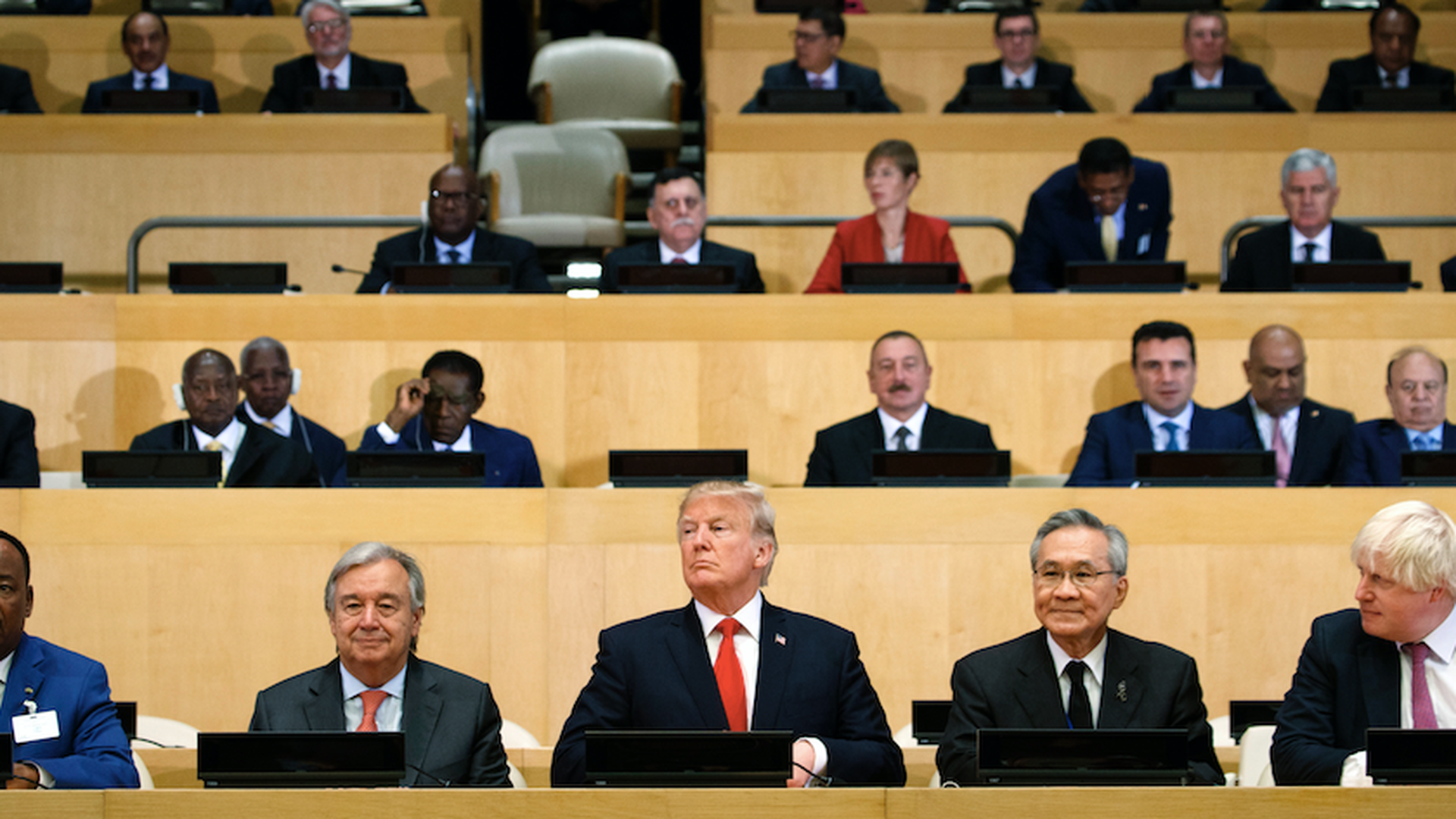
President Trump gave a toast to the United Nations General Assembly on Tuesday. He greeted the world leaders in the room and raised a glass of red wine to the "great potential of the United Nations."
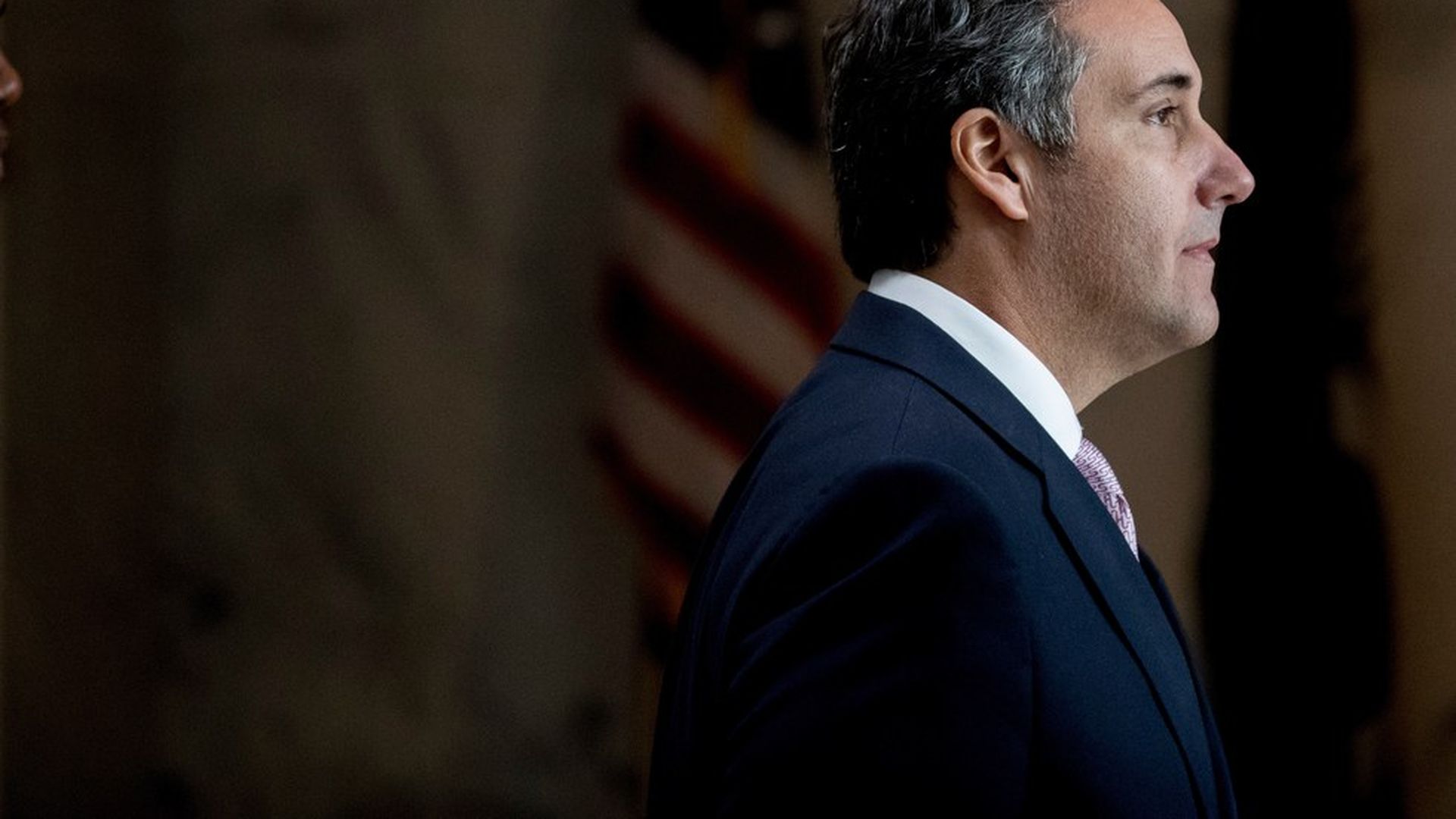
Michael Cohen, a close associate and former lawyer for President Trump's business, was set to appear before the Senate Intelligence Committee today as part of the probe into election interference by Russia. But the committee's staff canceled the meeting this morning, per The Washington Post.
What happened today: Cohen had arrived with his attorney for the interview but left after about an hour since committee staff had informed him they didn't want to interview him. Committee chairman Richard Burr and vice chairman Mark Warner said in a statement that the committee broke the meeting off because Cohen broke an agreement not to release a public statement before the meeting. Cohen will be rescheduled for an open hearing.
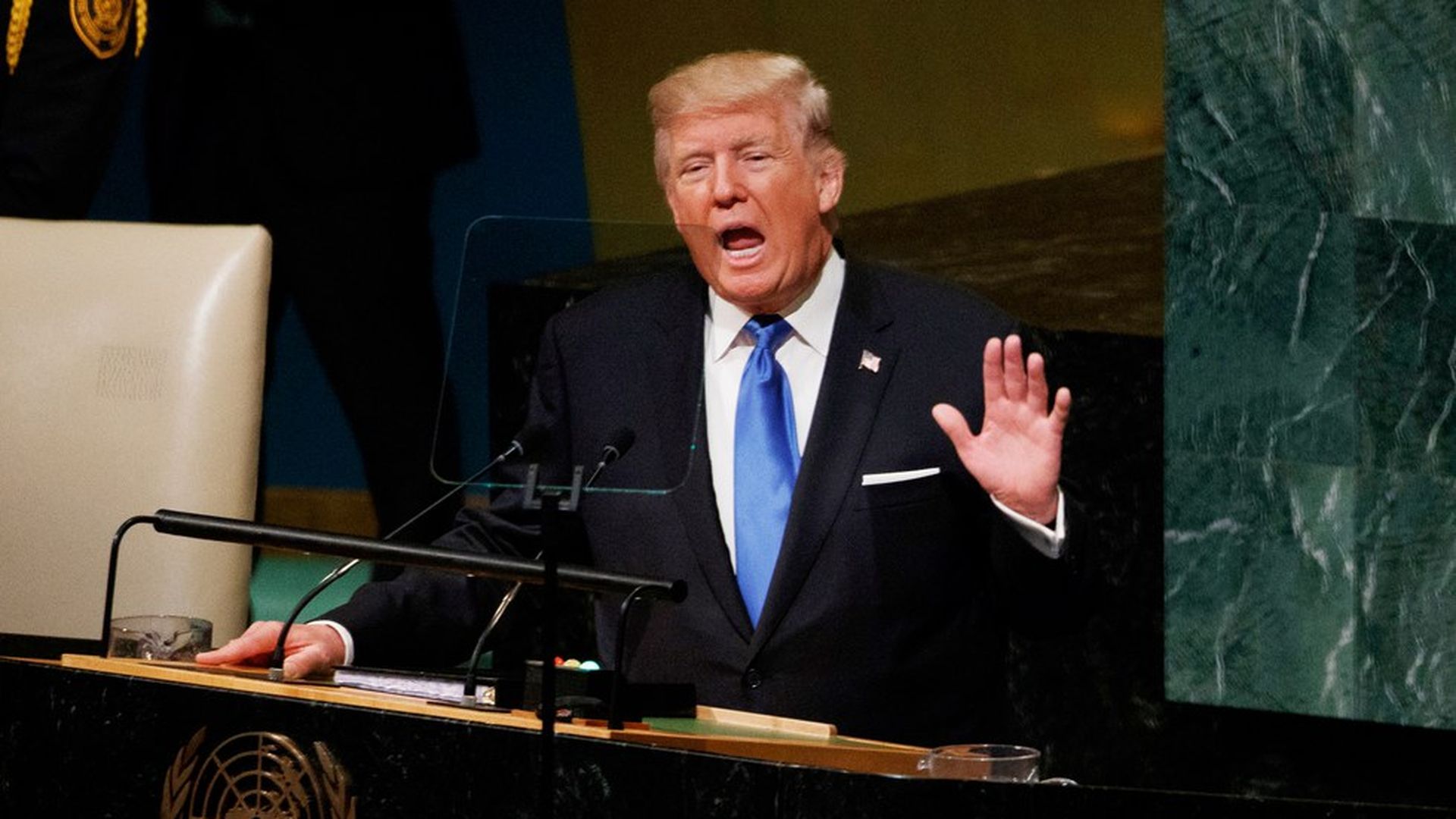
President Trump addressed the UN General Assembly today, discussing everything from the escalating North Korean threat to the Iran nuclear deal. It was the first such speech of Trump's presidency, and he used the platform to urge the world's leaders unite in aggressively ramping up pressure on Pyongyang.
Hardline on North Korea: "No nation on earth has an interest in seeing this band of criminals arm itself with nuclear weapons and missiles," Trump said. "The U.S. has great strength and patience but if it is forced to defend itself or its allies, we will have no choice but to totally destroy North Korea."
President Trump's speech Tuesday before the UN General Assembly will focus on North Korea's "destabilizing, hostile, and dangerous behavior," as well as the threat posed by Iran, a senior administration official told reporters on Monday.
Although the official would not go into details on what specific actions Trump will ask other nations to take with regard to the two countries, the official said Trump will stress that "nations cannot be bystanders to history." North Korea is a "shared menace" that will "only become more formidable" if nations don't do anything, the official said in a preview of the speech.
The Senate has approved a bill (89-8) that authorizes $700 billion in military spending, per the AP. It would allocate $640 billion to core Pentagon ops and $60 billion to wartime missions.
Some key points:
In response to the North Korean threat, it would expand missile defense systems from 40 interceptors to 58, using $8.5 billion.
The amendment that would have invalidated Trump's proposed ban on transgender service members did not make it in.
It wouldn't close any military bases, as Defense Secretary Jim Mattis said he wanted to do.
Up next: A joint House-Senate conference over priorities and differences of opinion.