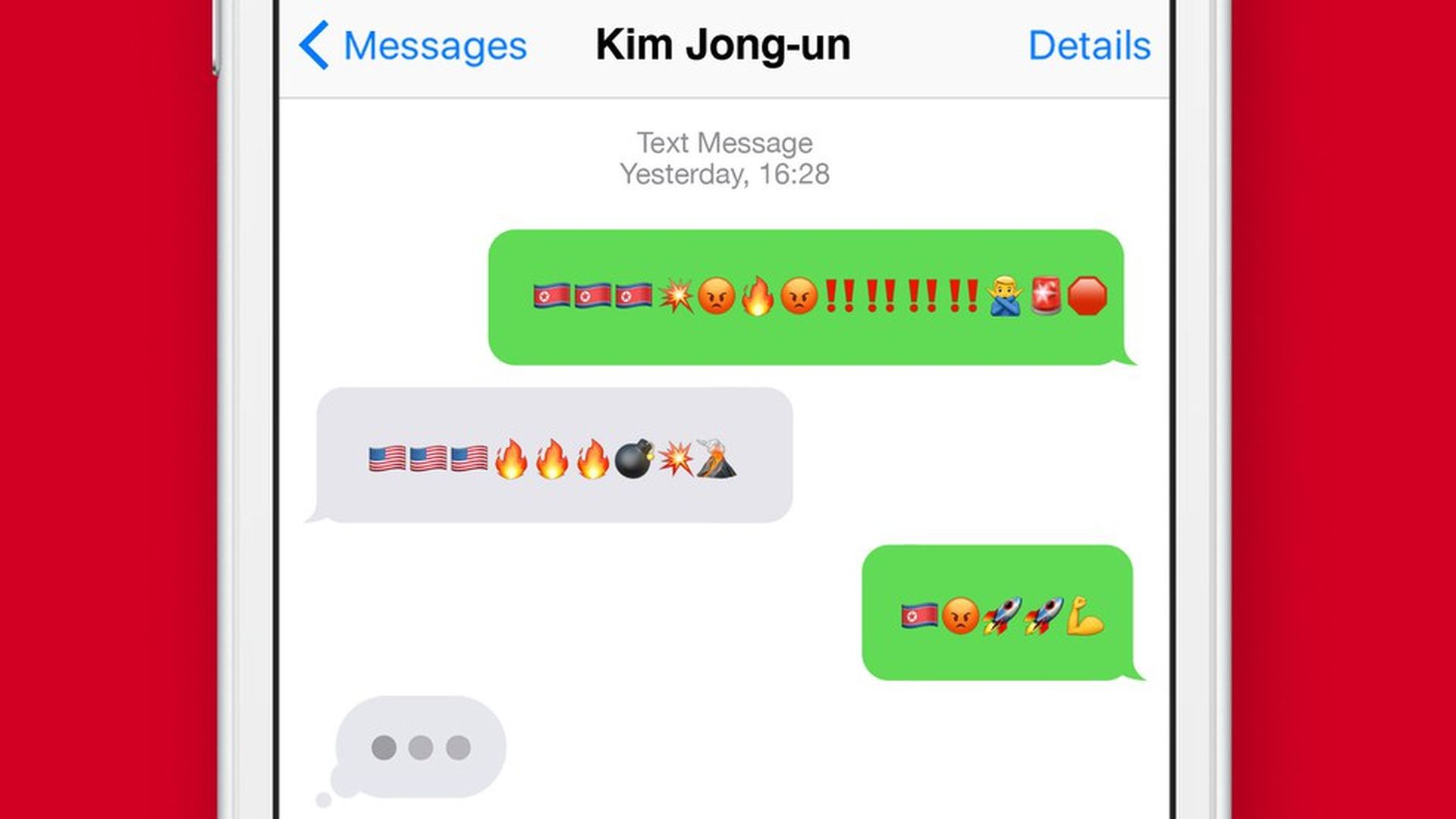
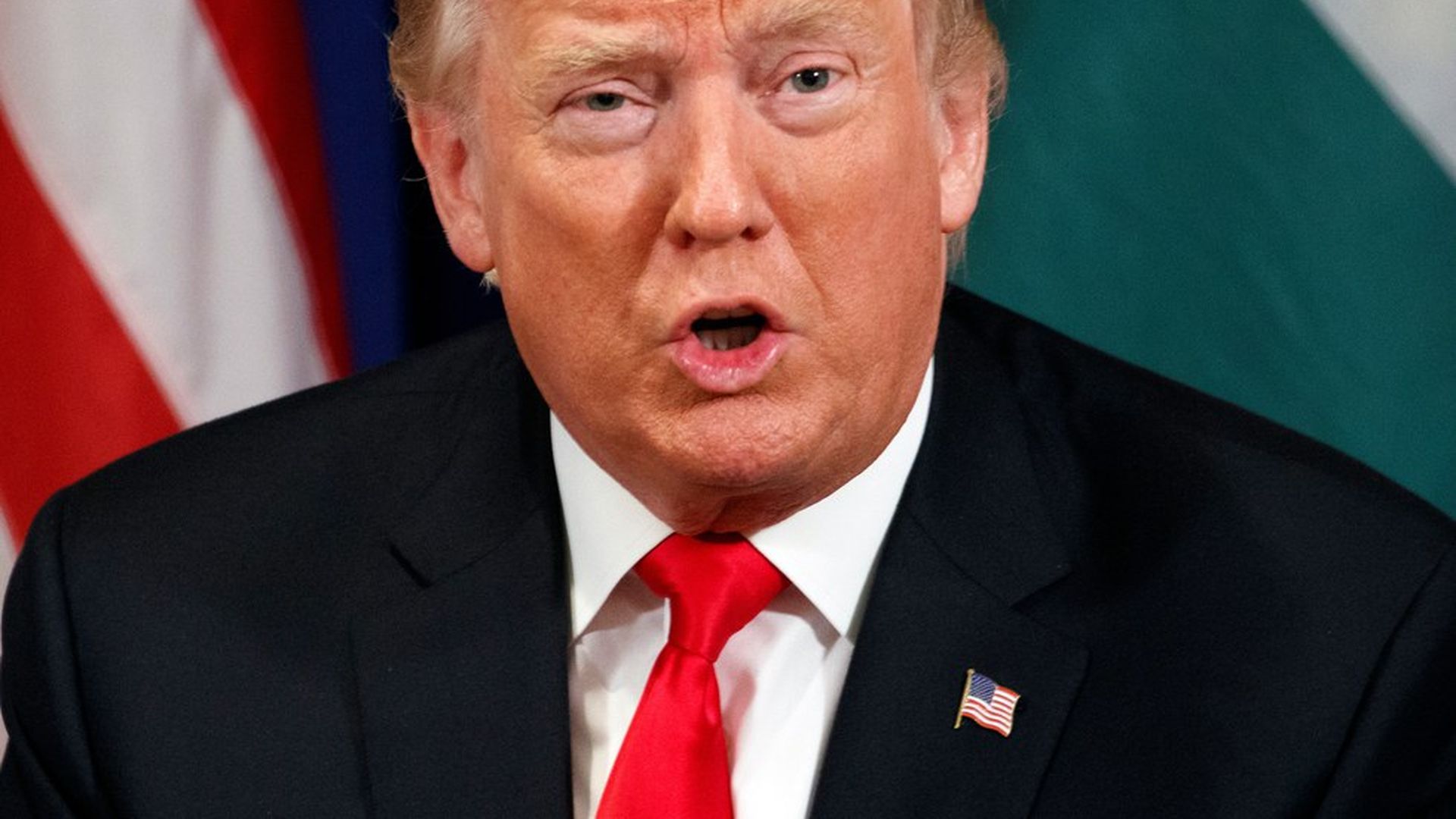
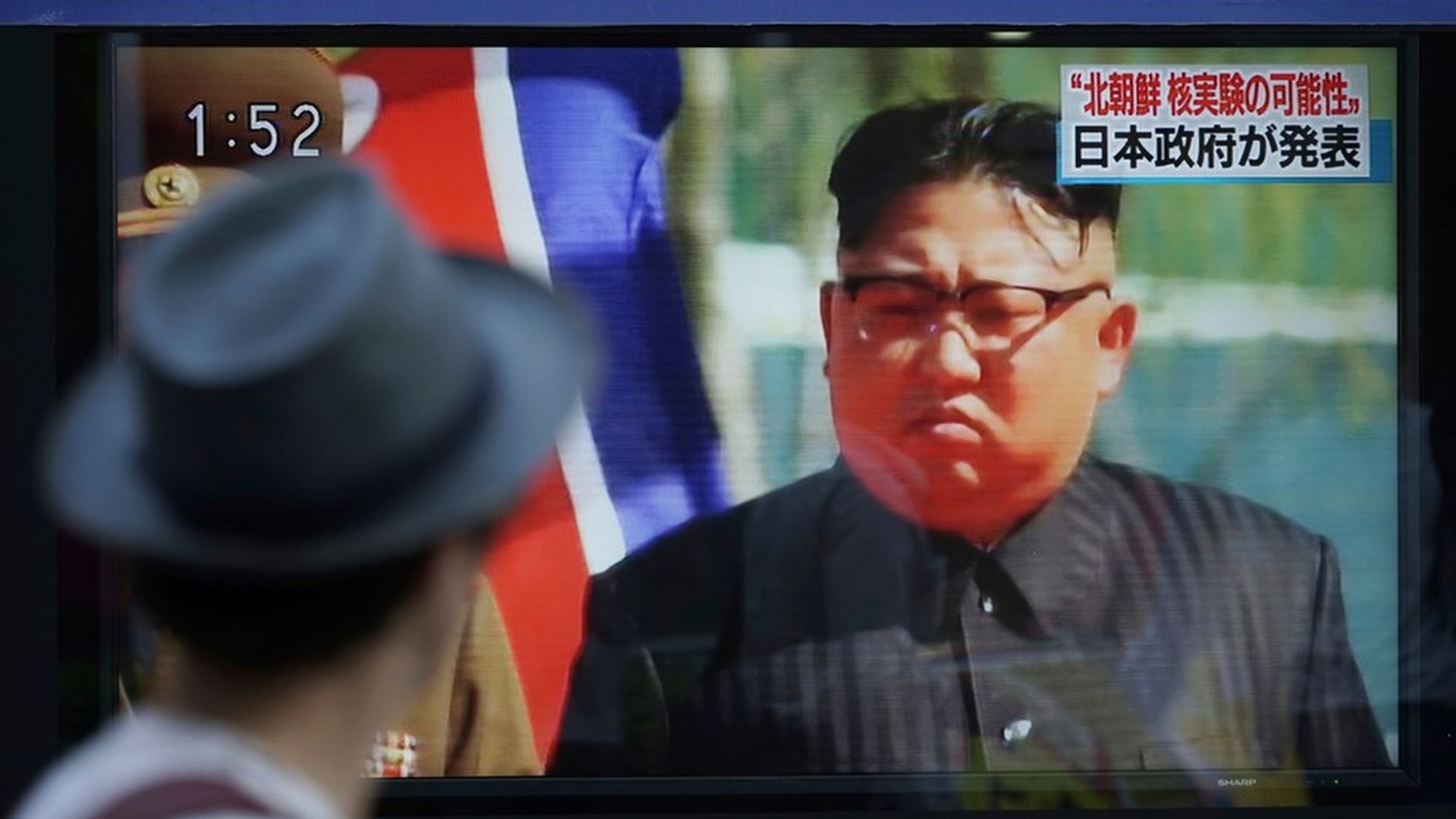
President Trump is known for his fiery, distinctive voice on Twitter, but he might have met his match. North Korea's state-run media arm, the Korean Central News Agency, often issues flamboyant threats to the United States.
Why it matters: The leaders of two nuclear-armed nations are engaged in a rhetorical game of chicken. While it has largely been limited to simple name-calling (think: Trump's nickname of "Rocket Man" for Kim), the childish aspects of their words risk spilling over into bona fide geopolitical and nuclear catastrophe.
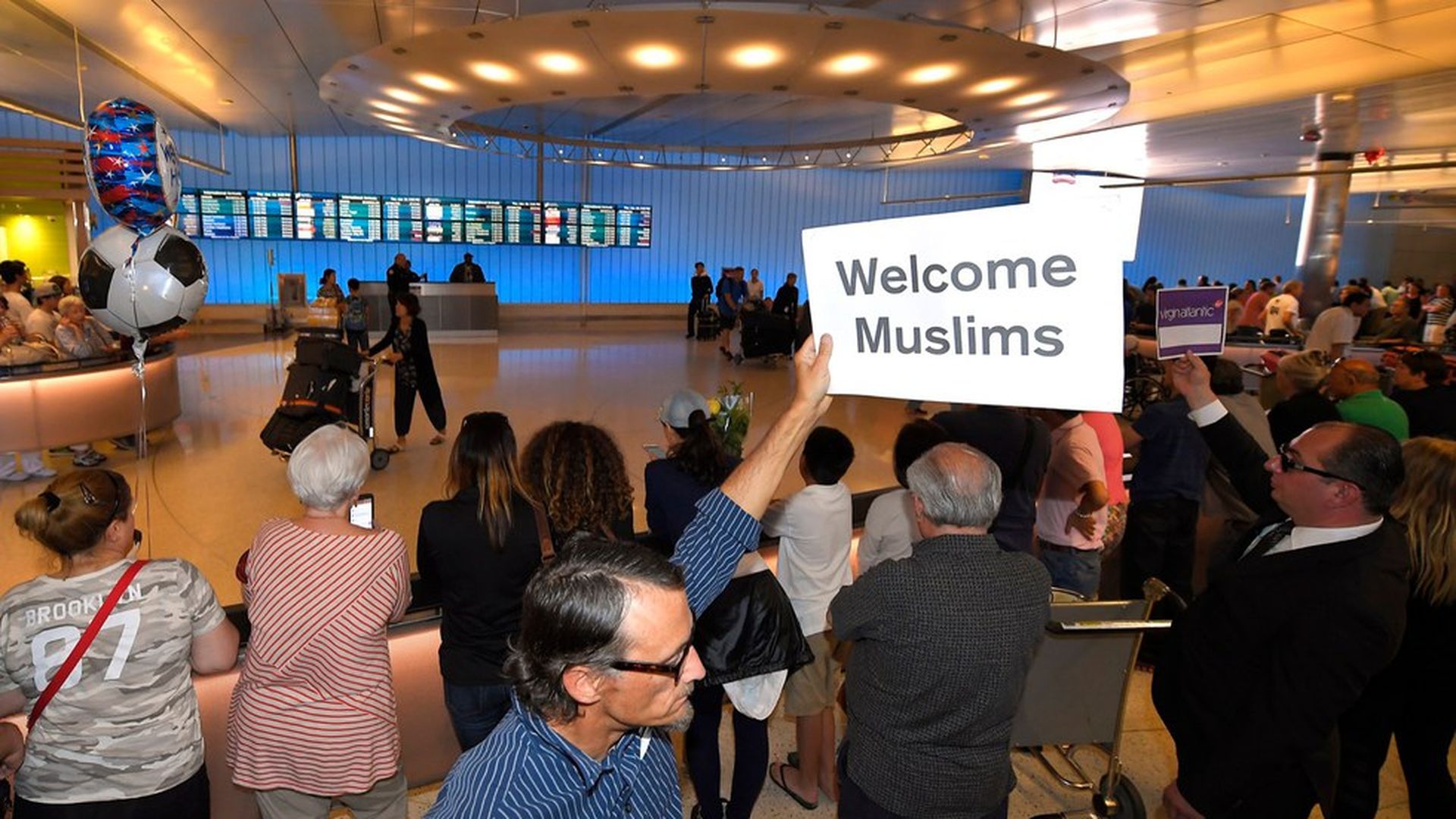
Acting Homeland Security Secretary Elaine Duke is set to issue new, temporary restrictions on travel for foreign nationals coming to the U.S., which are tailored on a country-by-country basis, Trump administration officials told reporters on a call Friday. The Supreme Court is reviewing the travel ban October 10.
Why it matters: Trump's travel ban's 90-day review period is set to expire on Sunday. This effectively replaces it, although the officials on the call would not detail which countries are facing restrictions under the new country-specific standards. The WSJ reports the new country-specific restrictions will bring the list of countries facing restrictions from six (in the original ban) to around eight.
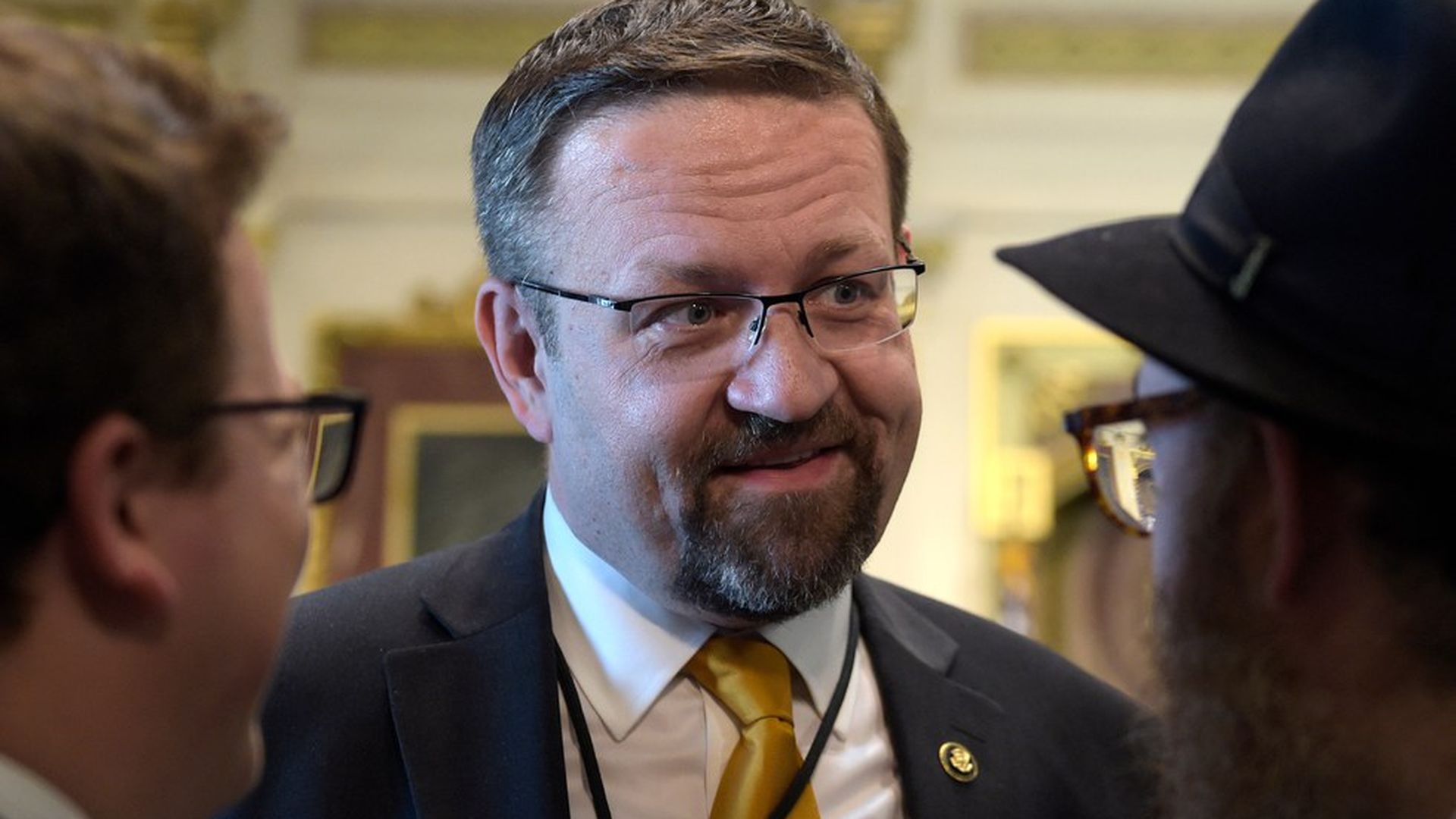
Sebastian Gorka delivered a fiery two-and-a-half hour (and reportedly classified) speech to students at the U.S. Army's Special Operations Center of Excellence a few weeks before he was ousted from the White House. Buzzfeed News first learned about the "secret" speech through documents obtained in response to a Freedom of Information Act request.
What they're saying: An officer at the Aug. 9 speech characterized it as a "tirade" about the war in Afghanistan, Sharia law, radical Islamic terrorism, and the Trump administration's aggressive plans to "defeat it all." Another U.S. Army special operations officer described it as "classic Gorka."
The Trump administration's initial travel ban is set to expire on Sunday. That executive order banned people from six majority-Muslim countries with no "bona fide relationship" to the United States from entering the country. There is increased speculation that President Trump might seek to modify or expand the ban after his tweets following last week's terrorist attack in London, per Bloomberg.
Why it matters: The Supreme Court is set to hear arguments surrounding the ban's current form on Oct. 10, but any modification or expansion of the ban would likely nullify the arguments in that case. It would allow the Court to dismiss or remand the case to a lower federal court, further delaying its consideration of one of Trump's most controversial policies.
President Trump kicked off his Friday morning tweets by warning Sen. Rand Paul and any GOP members that voting against Graham-Cassidy will earn them the label "the Republican who saved ObamaCare."
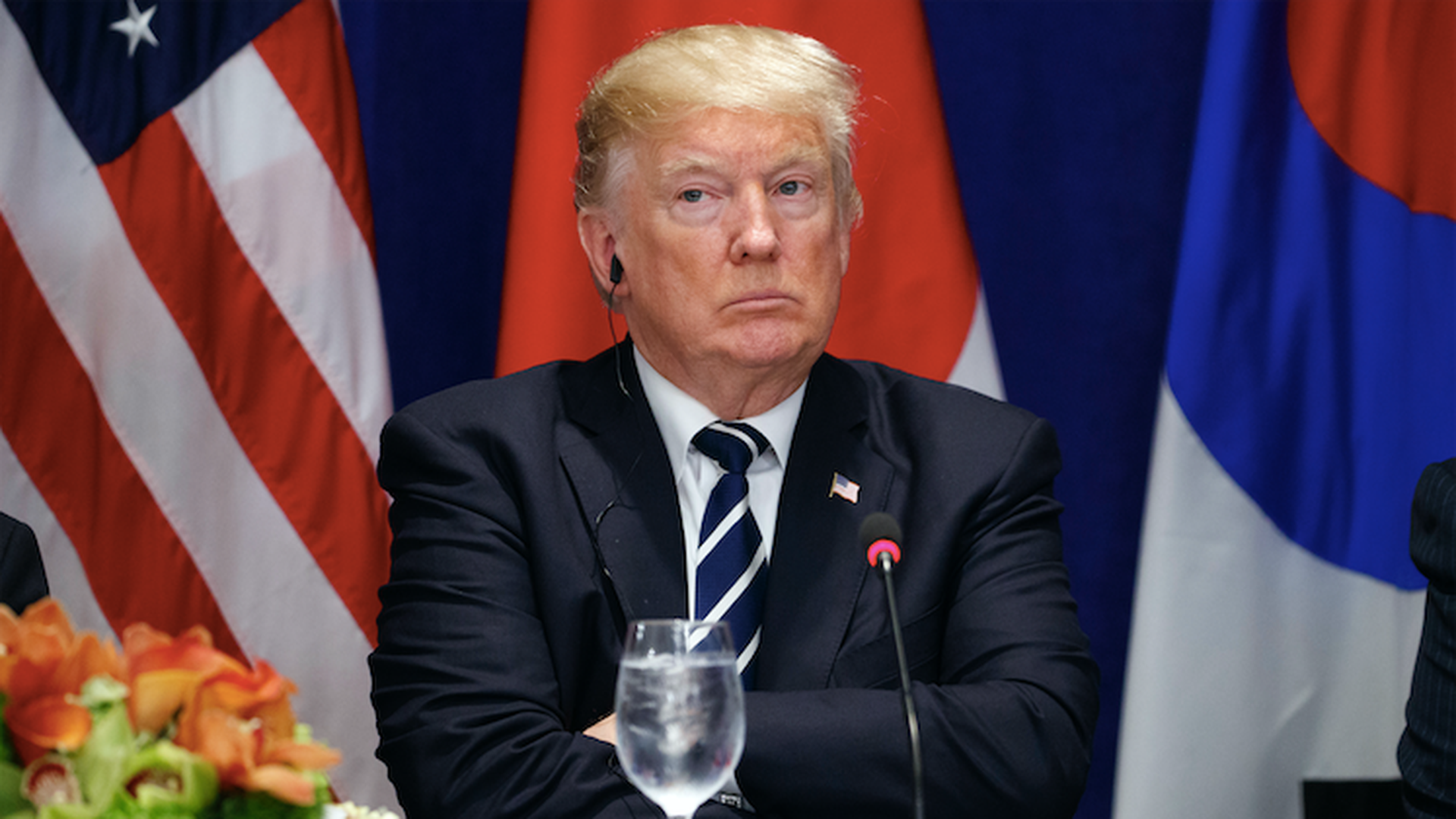
He also called Kim Jong Un "a madman" and threatened to test him "like never before," tweeted that the Facebook ads story is a sign the "Russia hoax continues," and claimed the "Fake News Media" influenced the 2016 election by "screaming for Crooked Hillary Clinton."
North Korea's Supreme Leader Kim Jong-un said Trump will "pay dearly" for his speech calling for destruction of the DPRK. Kim released a statement saying he thinks Trump's speech shows "mentally deranged behavior" and that Trump "is unfit" to serve at the "command of a country." He called Trump a "rogue and a gangster fond of playing with fire, rather than a politician."
The key line: Now that Trump's made "the most ferocious declaration of a war in history that he would destroy the DPRK, we will consider with seriousness exercising of a corresponding, highest level of hard-line countermeasure in history..."
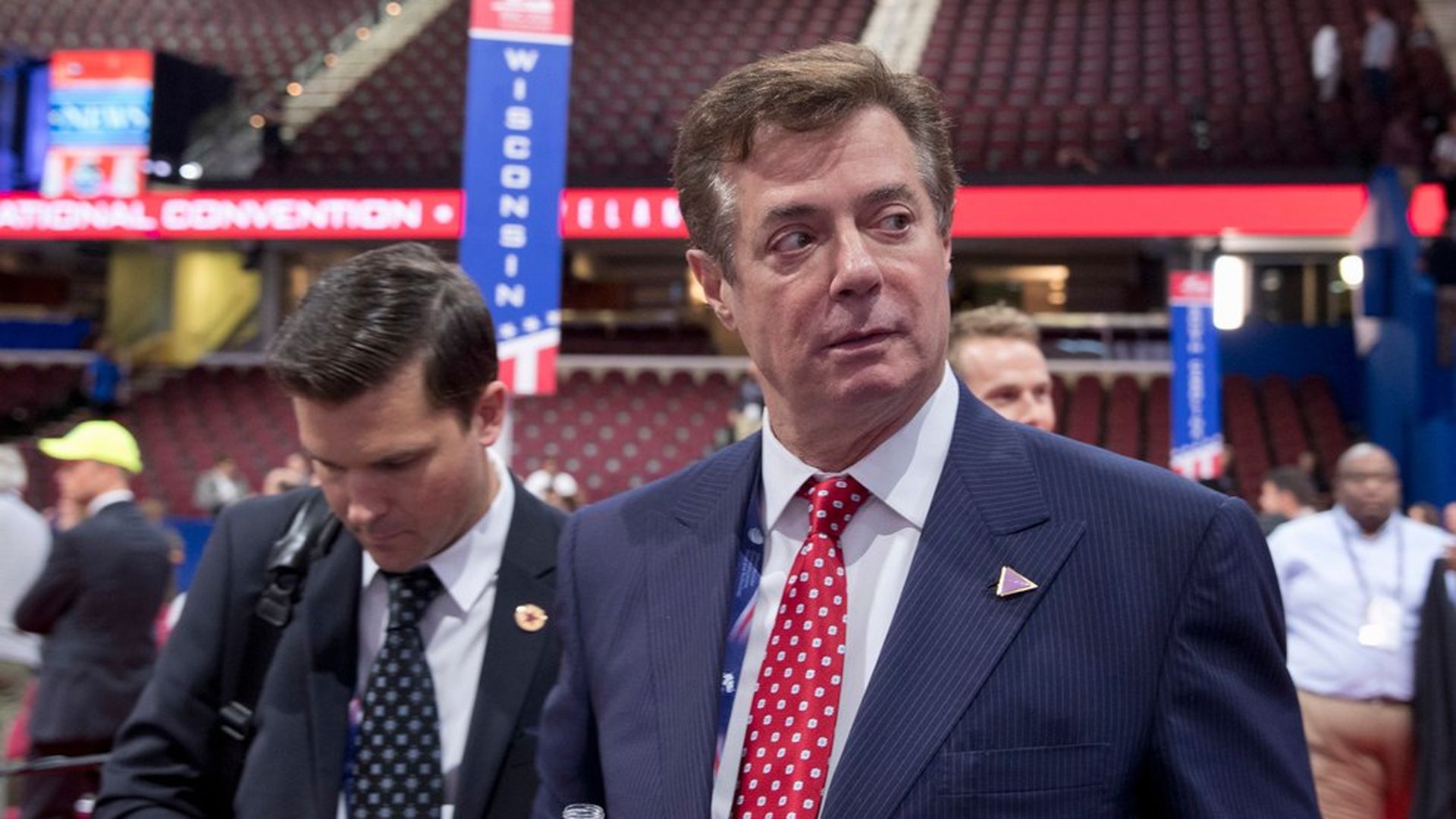
Trump's former campaign chairman Paul Manafort is working on the Kurdish independence referendum now, which the U.S. opposes over fears it could destabilize Iraq and the fight against ISIS, the NYT reports.
Context: Manafort's foreign lobbying jobs in the past have gotten him in hot water: The government investigation into him began in 2014 over his consulting in the Ukraine; a new investigation opened in 2016; and the news recently surfaced that the government wiretapped him before and after the election under FISA court orders, which were reportedly part of an effort to understand foreign powers.
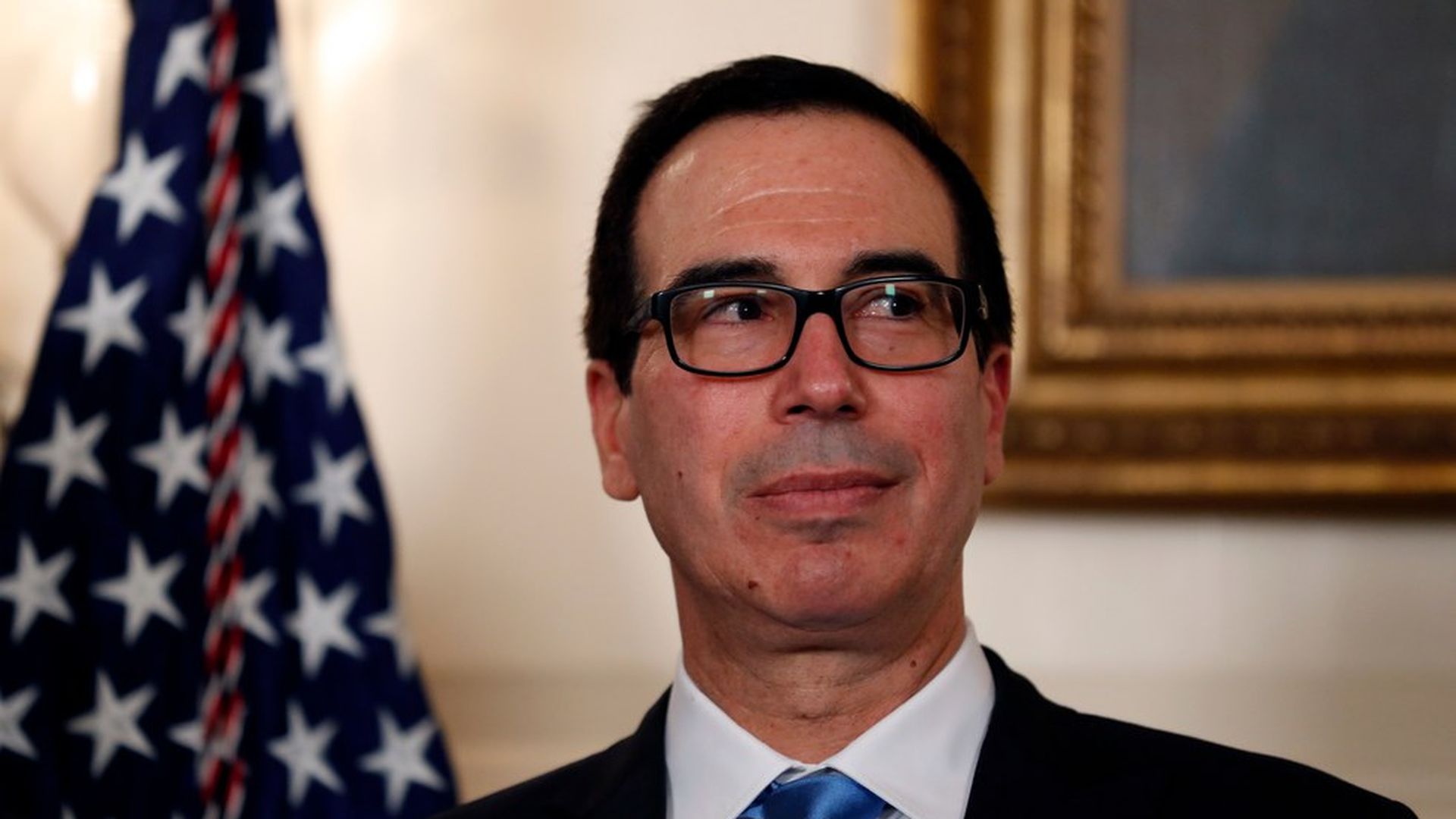
President Trump's executive order issuing new sanctions on North Korea sends a clear signal to foreign financial institutions that they can do business with North Korea or the U.S., "but not both," said Treasury Secretary Steve Mnuchin at the UN General Assembly Thursday. "No bank in any country should be used to facilitate Kim Jon Un's destructive behavior," he said.
Mnuchin disputed that the order targets China, North Korea's largest trading partner: "This action is directed at everyone, it is in no way specifically directed at China... we appreciate the way they're working with us."
In what he branded a "bold" and "somewhat unexpected' move, President Trump announced this afternoon that China's central bank has directed its subsidiary banks within the country's "massive banking system" to cease all business with North Korea. Trump also announced that he'd signed an executive order designed to target individuals, companies, and financial institutions that do business with North Korea.
Sean Spicer told ABC News' Paula Faris that he knows he "made mistakes" while serving under the Trump administration, but said some people have gone too far in criticizing him for them, such as by "questioning his integrity" and calling him a liar.
Kimmel's big quote: "This morning, the senators sat for an interview with Chris Cuomo, CNN, and pulled the 'all comedians are dummies' card... Oh, I get it, I don't understand because I'm a talk show host, right? Well, then help me out. Which part don't I understand? The part where you cut $243 billion from federal health-care assistance?... Or could it be, Sen. Cassidy, the problem is that I do understand and you got caught with your G-O-Penis out? Is that possible? Because it feels like it is."