How COVID-19 changed Illinois: 5 impacts, 5 years later


Add Axios as your preferred source to
see more of our stories on Google.
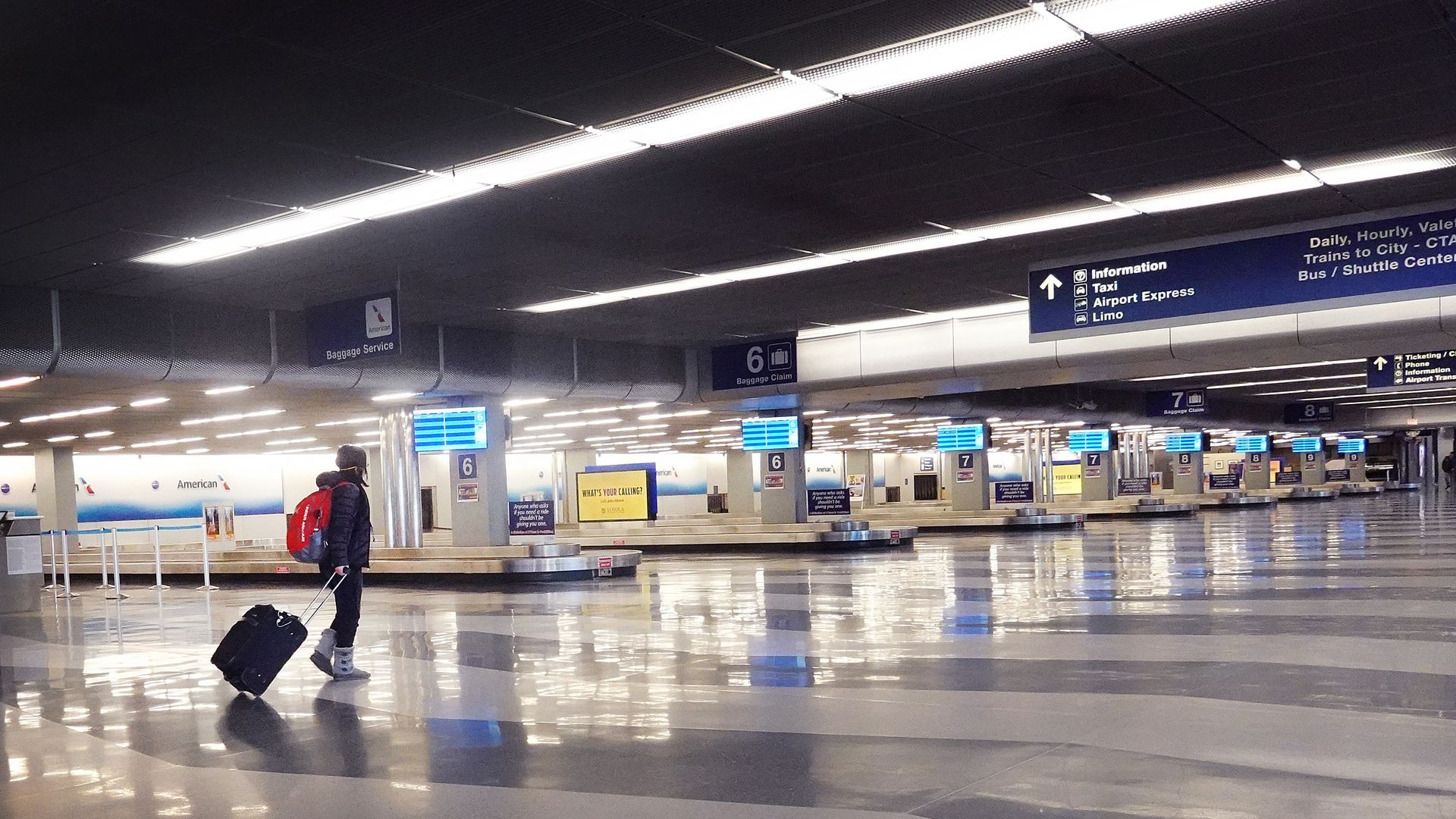
A traveler arrives at a nearly deserted O'Hare International Airport on April 2, 2020. Photo: Scott Olson/Getty Images
Five years ago, COVID-19 upended Illinoisans in so many ways, and life hasn't been the same since.
- The pandemic affected all parts of our lives, but we're taking a closer look at five specific areas — public health, politics, education, office life and restaurants — to understand what has changed.
Public health
More than 40,000 Illinoisans have died from COVID-19 since 2020.
- The virus hit elderly people, those with preexisting conditions and the Black community especially hard.
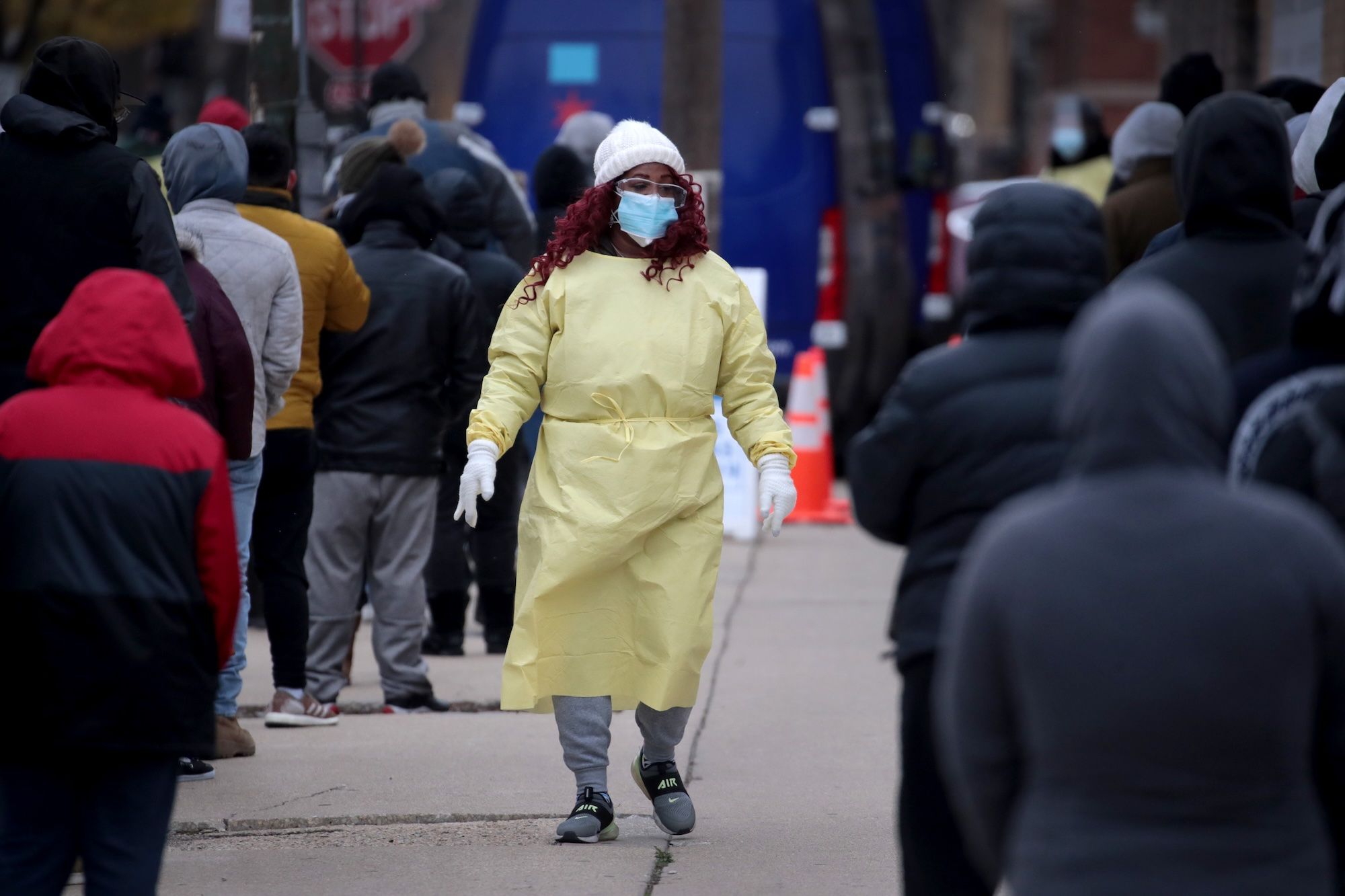
- Testing facilities popped up in abandoned storefronts and car dealerships, leading to some cases of fraud. Now, most of those businesses have shuttered, replaced by at-home tests.
Flashback: Chicago Public Health commissioner Allison Arwady, an infectious disease expert, became the face of the crisis, leading weekly "Ask Dr. Arwady" Q&As.
- The city launched targeted information campaigns and mobile vaccination sites in Black and Latino neighborhoods.
Yes, but: Arwady and then-Mayor Lori Lightfoot took a lot of heat for encouraging students and teachers to get back to in-person instruction in 2021, and Mayor Brandon Johnson, a former Chicago Teachers Union organizer, unceremoniously fired Arwady in 2023.
Zoom out: Gov. JB Pritzker officially declared COVID a disaster on March 9, 2020, with 11 in-state cases at that time.
- The lockdown lasted just over two months, and Illinois ended up having fewer deaths from the virus than states with similar populations.
- The state lifted the mask requirement in February 2022.
By the numbers: From March 2020 to March 2023, more than 1.5 million cases of COVID were reported in Cook County.
- In mid-January 2022, the seven-day average for COVID hospitalizations in Illinois was more than 7,000 patients, according to the New York Times.
- By March 2024, that number had fallen to less than 500.
Politics
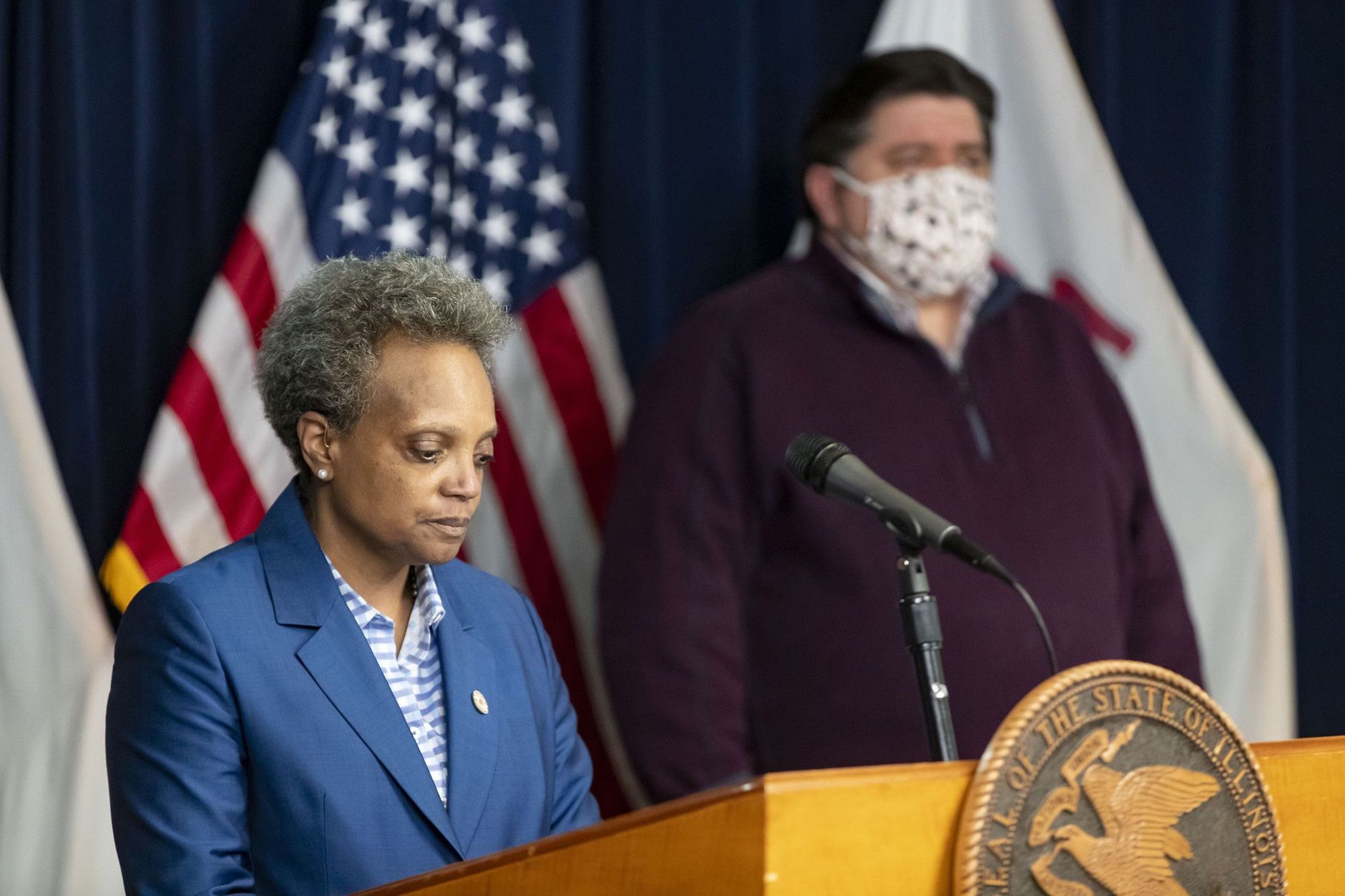
Pritzker and Lightfoot were lauded by the left and derided by the right for their strict COVID-19 lockdown policies.
- Lightfoot became an internet celebrity for her brash declarations about COVID-19 lockdowns, including her order to shut down the popular lakefront trail.
Yes, but: Her popularity waned after high-profile clashes with police and city workers over vaccine mandates and the CTU about getting kids back into classrooms.
- She lost reelection in 2023 after serving one term.
Today, Mayor Johnson is sorting through the aftermath, which includes revitalizing downtown business and retail and balancing the city budget as federal COVID money has almost run dry.
Pritzker was given high praise for his communication, having held daily press conferences during the height of the pandemic.
The other side: Pritzker drew the ire of more conservative Illinoisans who, along with some Republican lawmakers, sued the governor over the lockdown policies.
- Reality check: Pritzker easily won reelection in 2022.
State of play: The fight over lockdowns and personal freedoms is still prevalent today, as Republican voters have cited the loss of personal freedoms as one of the reasons they want to leave the state.
Education
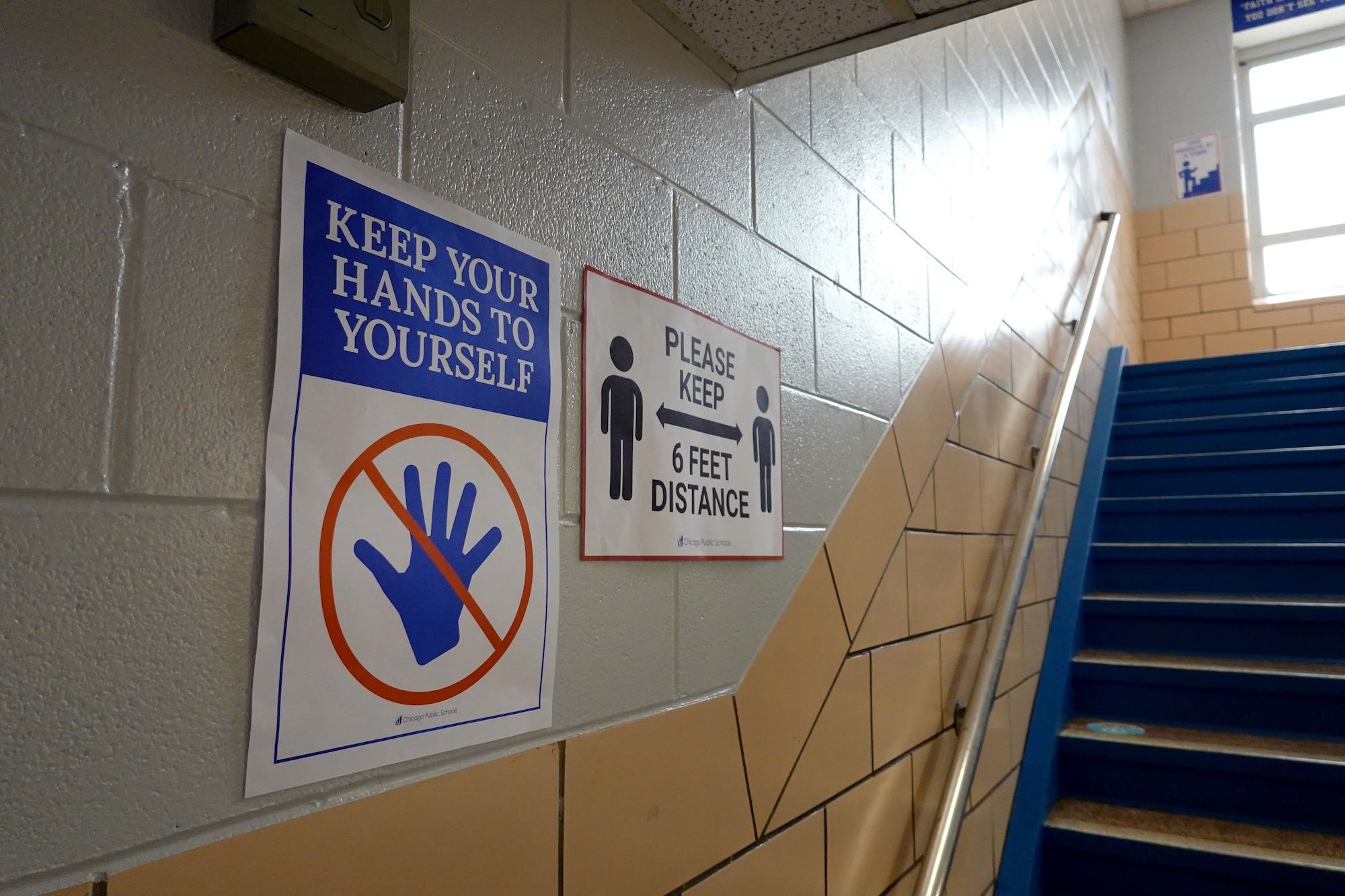
Chicago Public Schools launched remote learning on April 13, 2020, and did a staggered return to the classroom beginning in 2021, which became a very contentious issue between the CTU and Lightfoot.
- Five years later, one analysis from right-of-center Education Now suggests that blue states with extended remote learning suffered greater learning loss.
- But another study showed Chicago's reading scores are rebounding faster than many districts.
By the numbers: CPS had declining enrollment for more than a decade, and the district lost about 15,000 students during the first year of the pandemic.
- CPS has lost more than 30,000 students since 2020, according to Chalkbeat.
Office occupancy
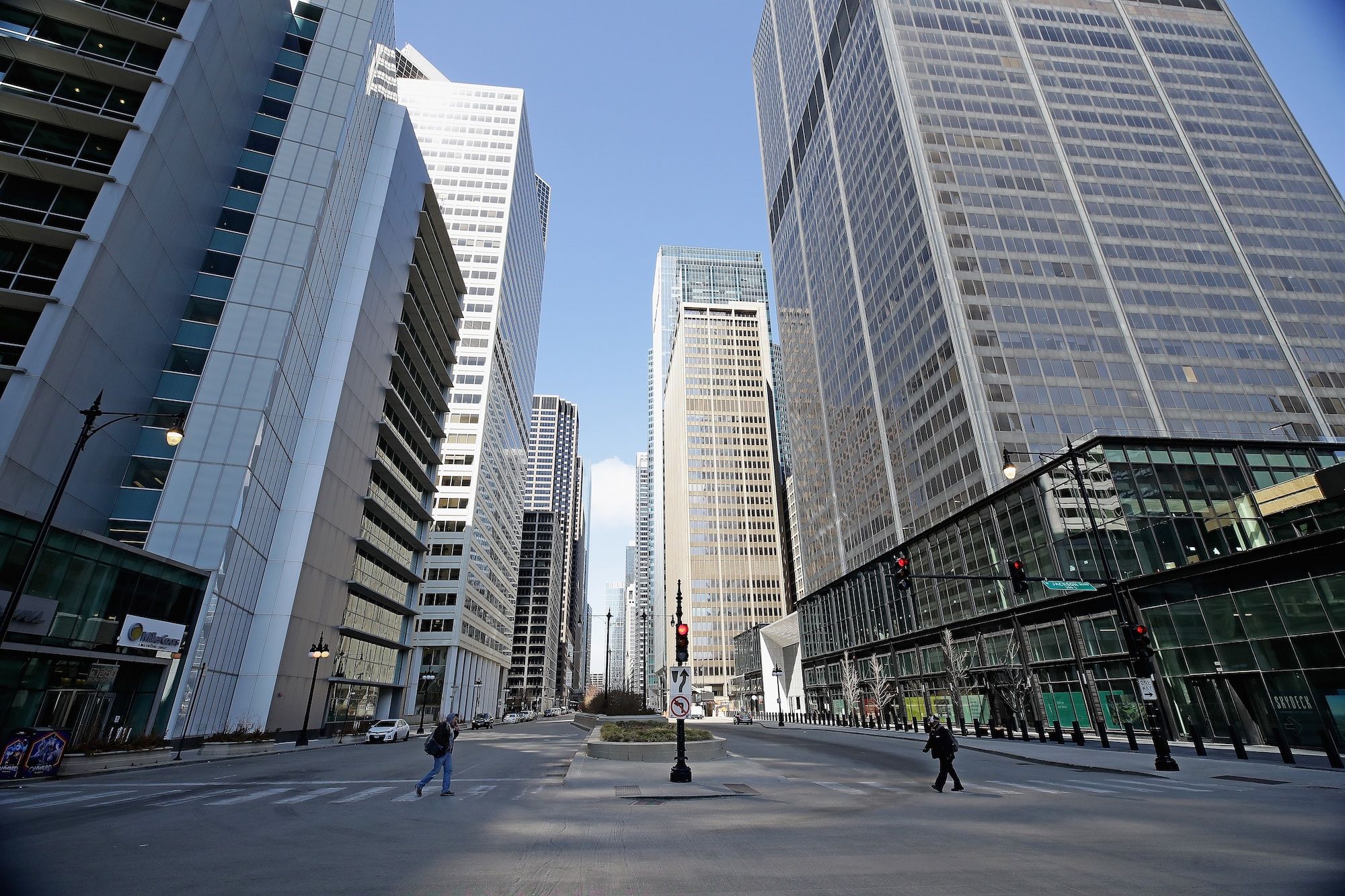
Chicago is not expected to regain its pre-COVID office levels, and with a 52% return rate last month, according to Placer.ai data, the city has now fallen behind perennial last-place finisher San Francisco.
- Plans to convert empty LaSalle Street offices into 1,000 housing units are moving ahead but face significant code and logistical challenges.
More companies continue to roll out return-to-office mandates. But with the Trump administration's mass layoffs at federal agencies, it's unclear how thousands fewer federal workers will affect the foot traffic downtown.
Downtown retail also bears lasting scars from the pandemic, including massive vacancies along Michigan Avenue and the South State Street corridor.
Restaurants
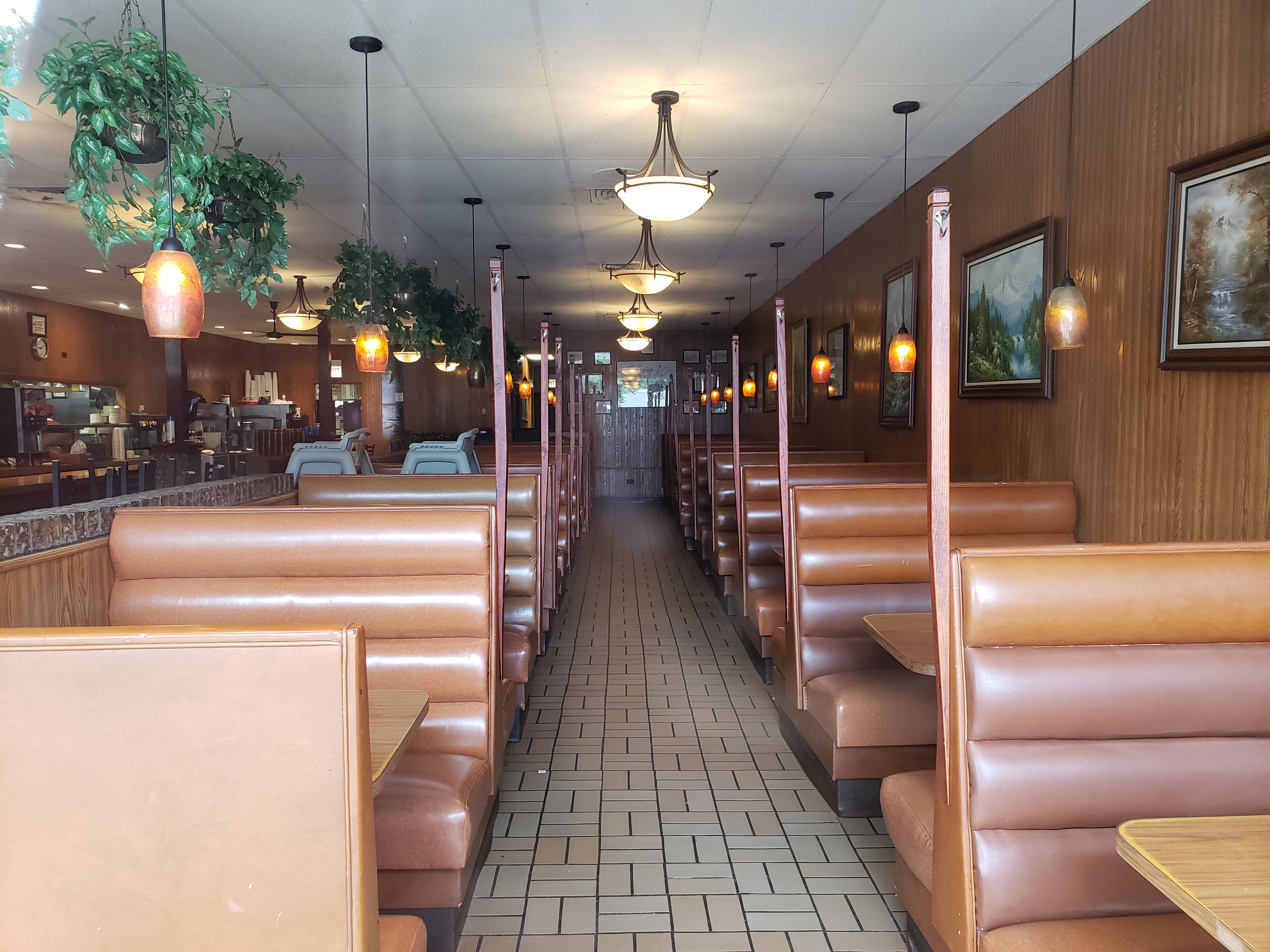
The number of local restaurants has returned to pre-pandemic levels, but the jobs haven't, per Crain's.
By the numbers: Job totals at the city's sit-down restaurants in November were 7.7% below the totals in February 2020 (about 10,300 fewer positions), according to the Illinois Restaurant Association.
State of play: Many restaurants and diners are now more accustomed to service fees, takeout, QR codes and staff asking for tips on many more services.
What they're saying: "Product costs have risen 29% since the pandemic, and labor costs are up 31%, with staffing challenges persisting," IRA president Sam Toia tells Axios.
"Financial pressure remains high, with nearly half of operators carrying pandemic-related debt while rising food and labor costs continue to squeeze already thin margins. Before the pandemic, I often said the restaurant industry was one of nickels and dimes; now, it's one of pennies and nickels. "