How Chicago could revitalize the Loop amid record vacancies

Add Axios as your preferred source to
see more of our stories on Google.
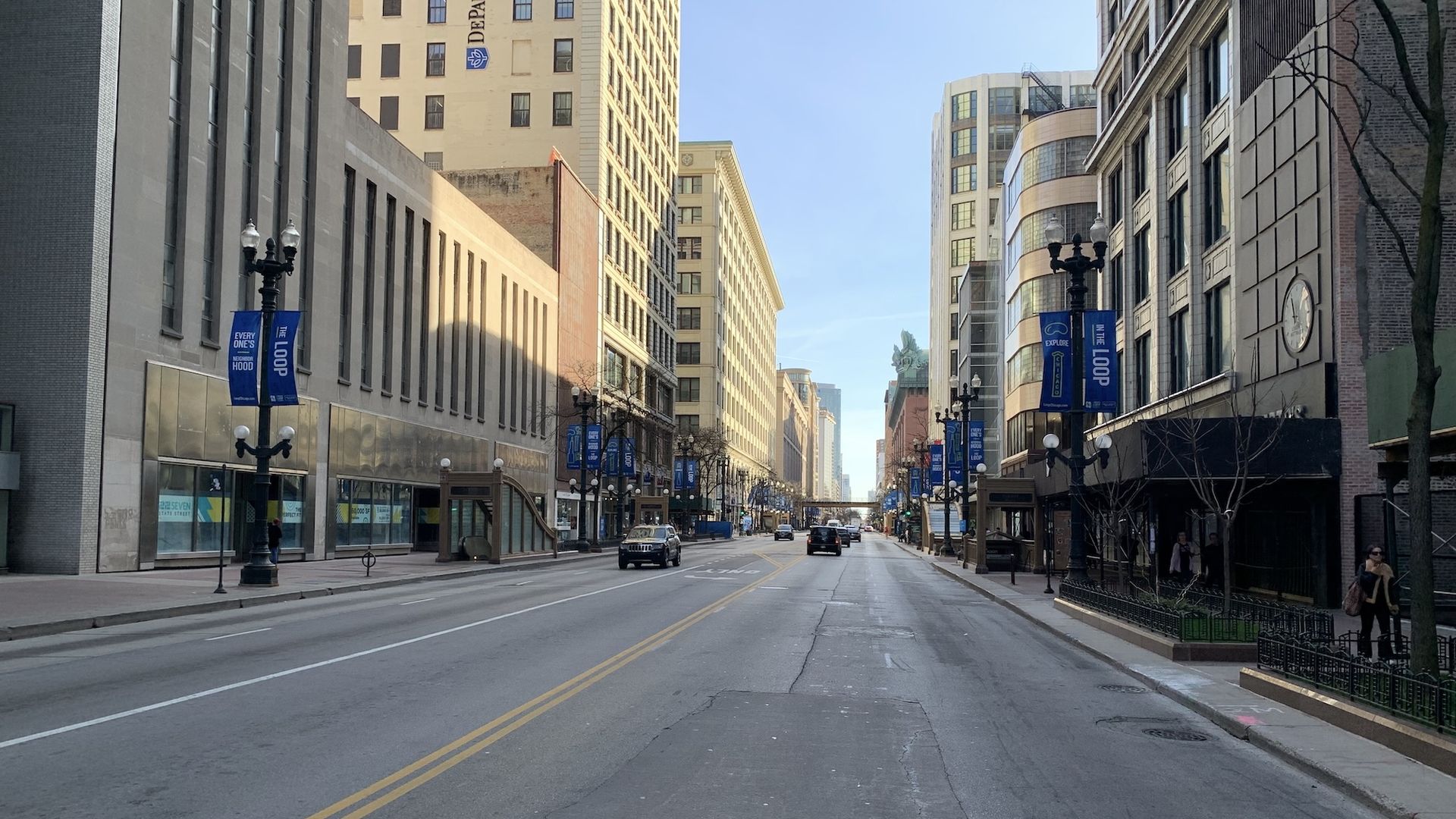
Several vacant storefronts line South State Street in Chicago. Photo: Justin Kaufmann/Axios
The City of Chicago wants to invest in bringing businesses back to the Loop as downtown sees record vacancies.
Why it matters: The Loop has long been the economic engine for the city, but it has struggled to rebound from the pandemic.
State of play: In recent days, Mayor Brandon Johnson's administration has signaled steps it's pursuing to address downtown's struggles, including setting up an economic task force and repurposing buildings along and around LaSalle Street.
- At the Chicago Loop Alliance's annual meeting last week, Johnson spoke broadly about existing endeavors, including the redevelopment of the Thompson Center and big events like the NASCAR Street Race. He also pointed to grants being provided for small businesses citywide, including some in the Loop.
Threat level: The city and the Loop Alliance have pointed out how drastically the downtown landscape is declining, citing rising vacancies. Last year, the vacancy rate in the Loop was 28%.
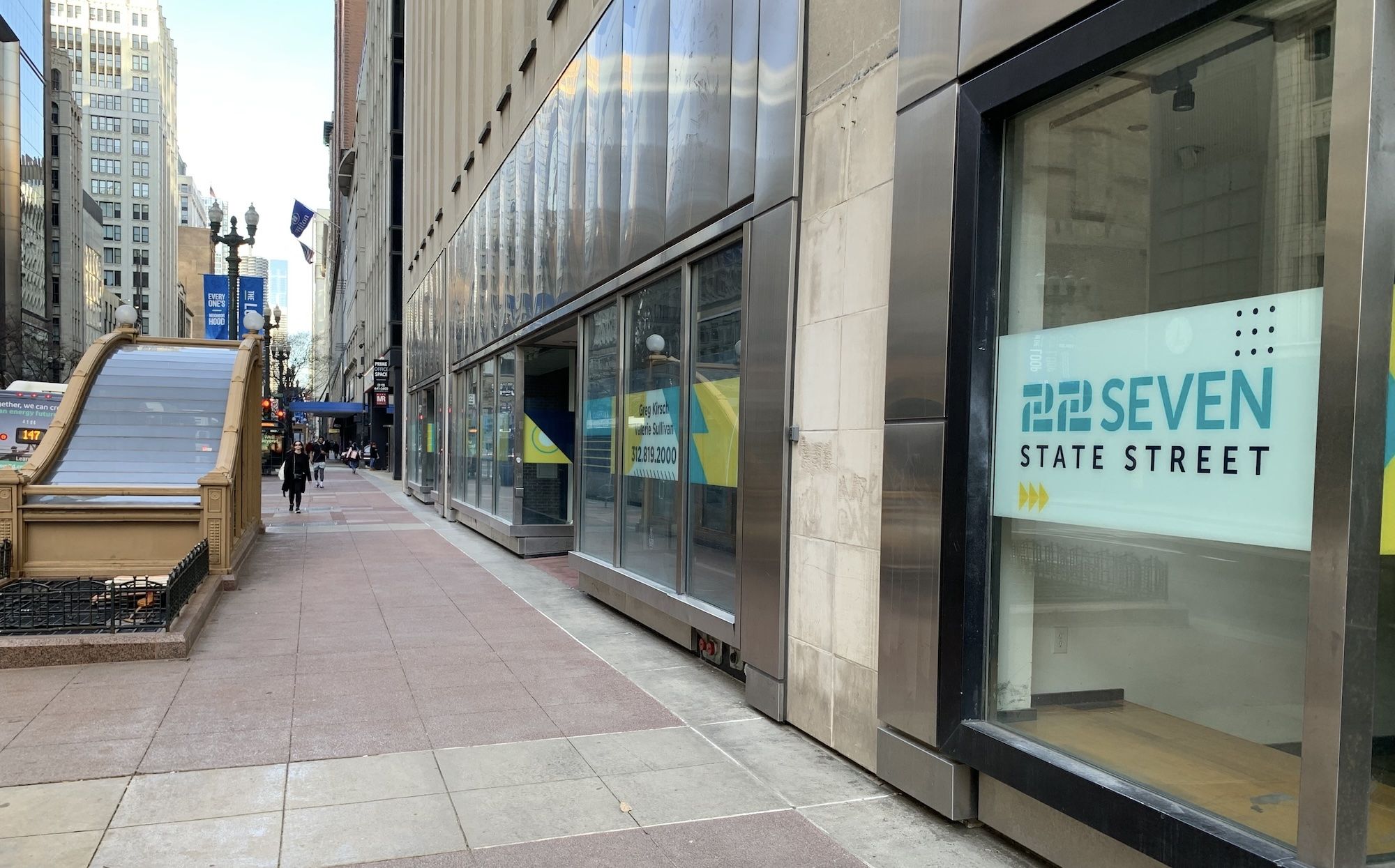
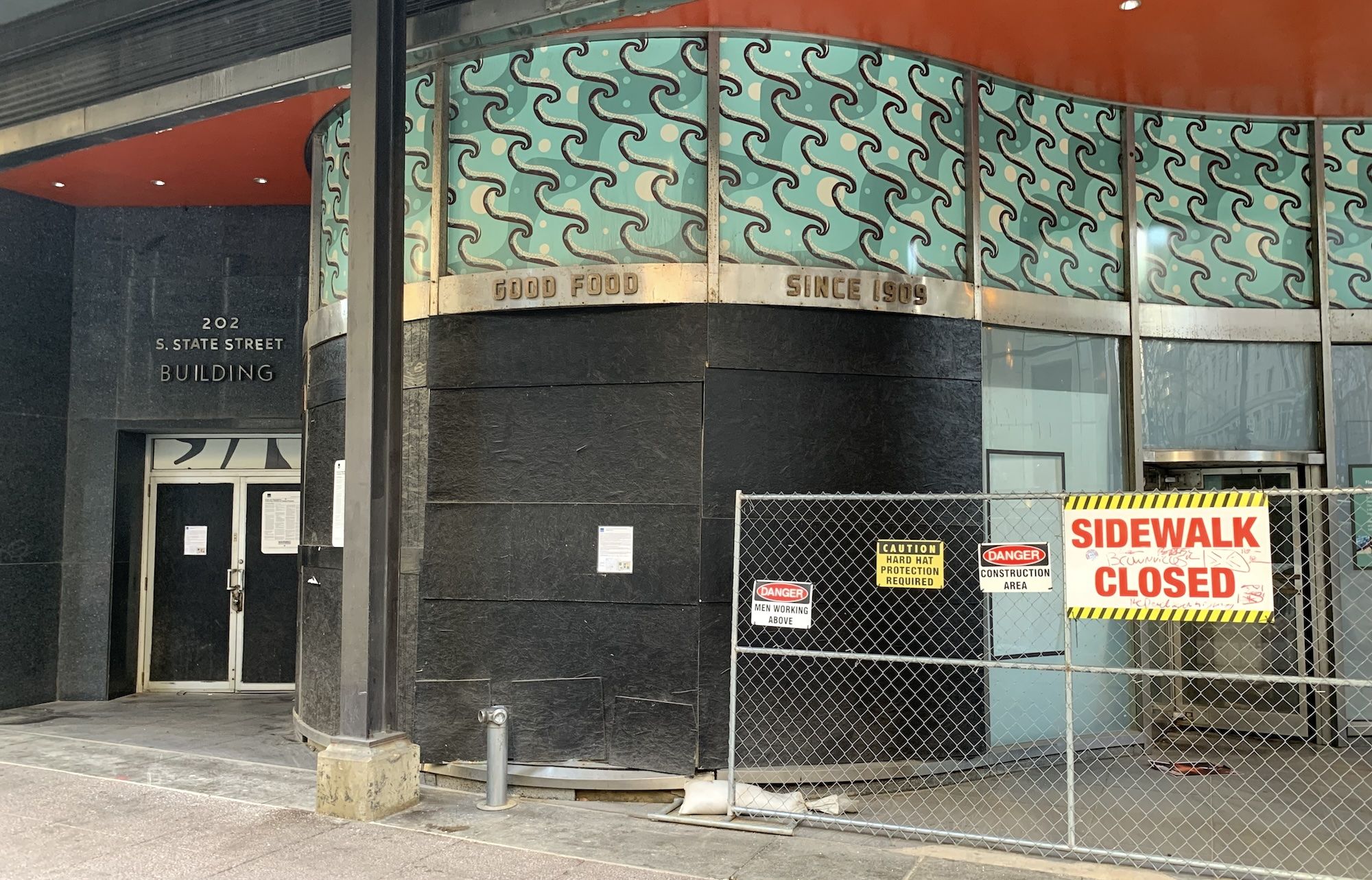
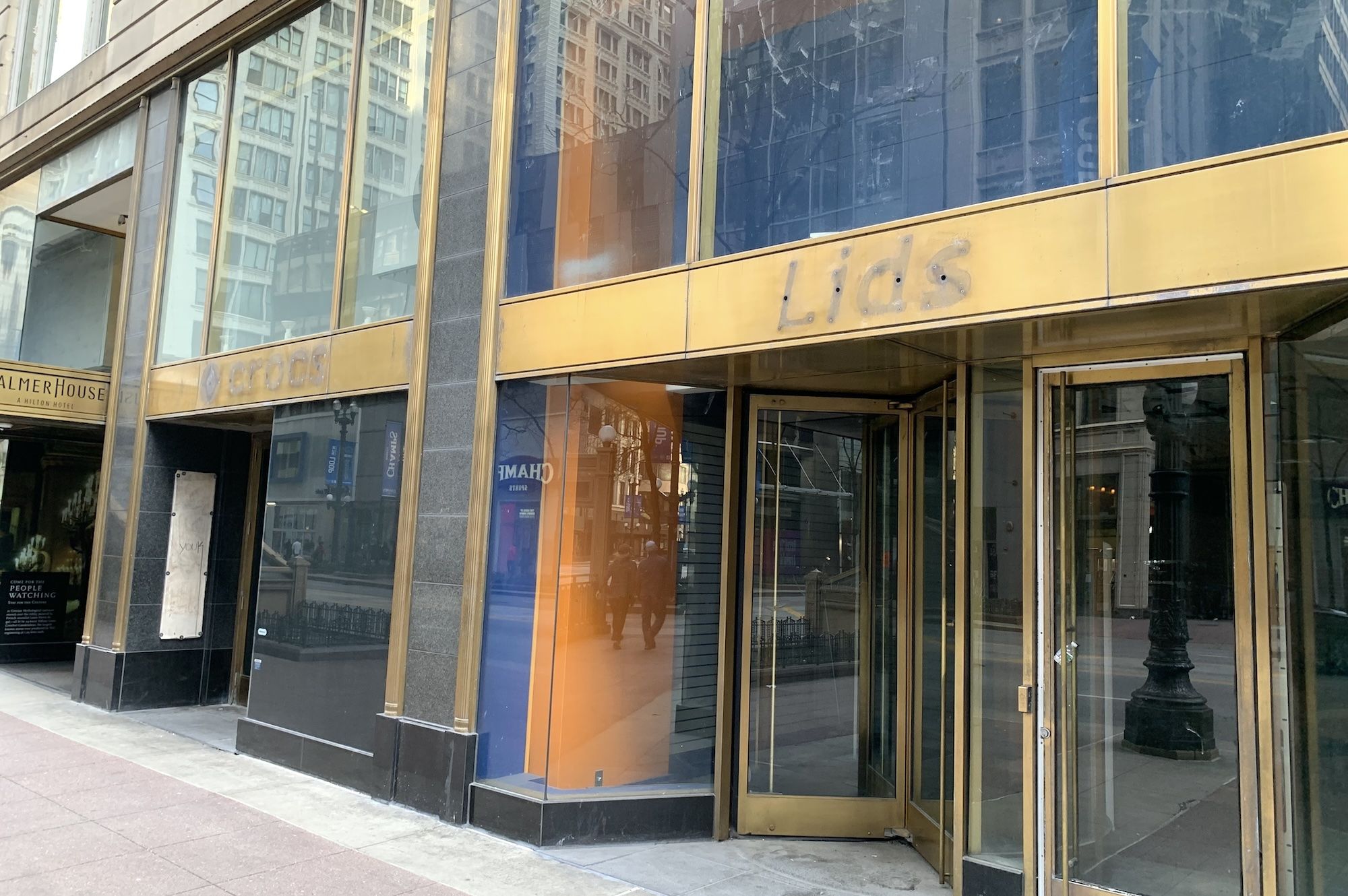
Case in point: South State Street. Empty storefronts and "for lease" signs between Monroe and Jackson streets make the once-thriving area feel like a ghost town.
- On the full two-block stretch, only a handful of storefronts remain open, including a Bank of America and a Starbucks.
Flashback: State Street thrived as a retail center for nearly a century through the 1960s but hollowed out by the '70s as shoppers and retailers flocked to suburban malls.
- Mayor Jane Byrne's 1979 plan to remove car access further dampened business, but that picked up again after Mayor Richard M. Daley reversed the decision in 1996.
- Since then, there have been several failed attempts to bring in retail, including high-profile struggles with Block 37, Carson Pirie Scott and a flagship Sears store.
What they're saying: "That part of State Street has always been weaker than the rest," Chicago Loop Alliance's Michael Edwards tells Axios.
Zoom out: Edwards points to the city's 1997 plan for State Street that split it into three quadrants: theater to the north, retail in the center and universities to the south. The north and south ends have thrived, while the retail district has suffered.
- He believes one way to save South State Street is to get people to live there. "In order to get storefronts to return, you need more density, more foot traffic," Edwards says.
- In the short term: Turn empty storefronts into art galleries, he suggests.
What's next: The Loop Alliance plans to bring back its Sundays on State summer series, which draws thousands downtown for live music and events. The schedule has not been released.