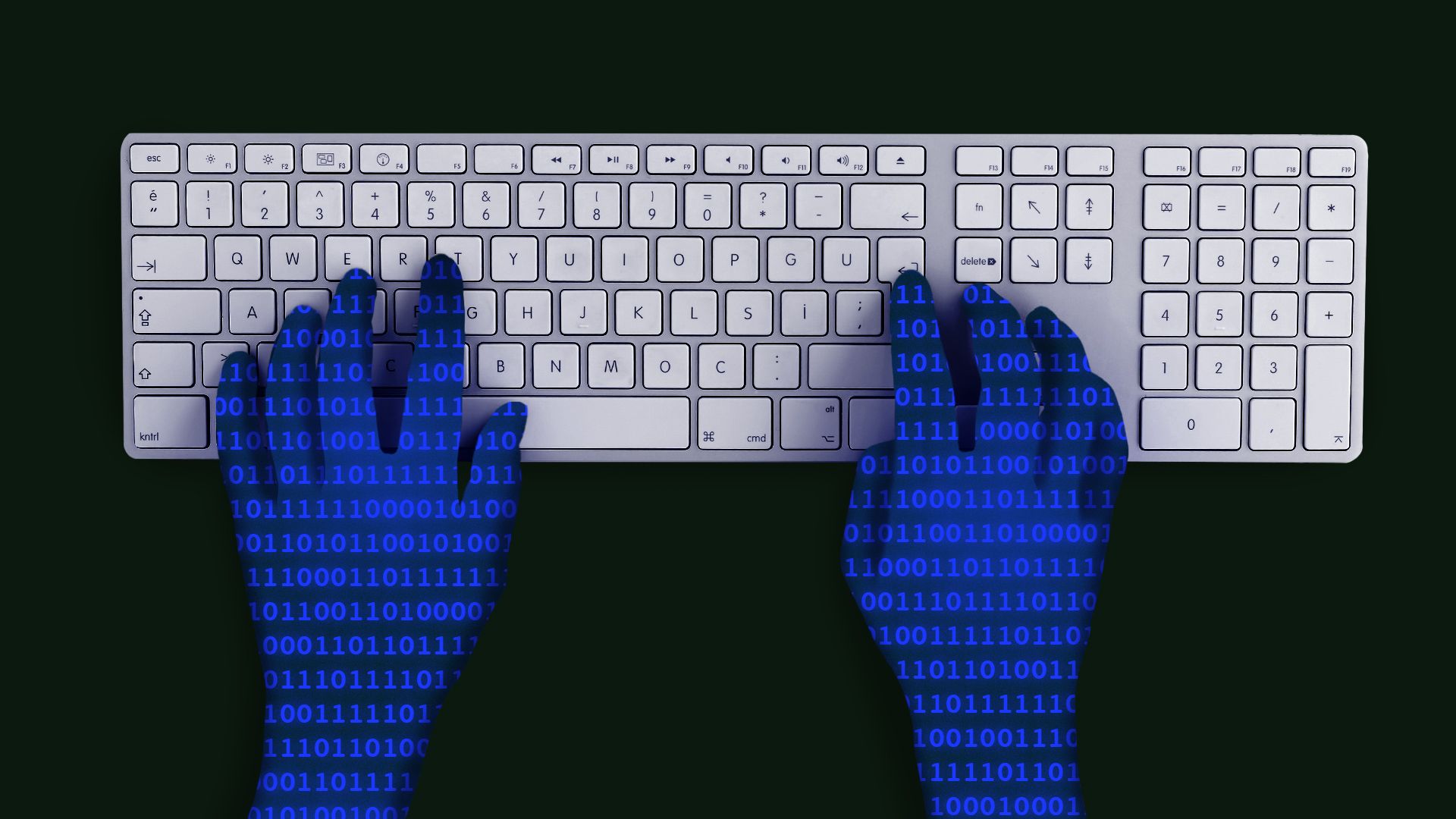
The push to make medical records easier to share could be opening the door for rogue companies to sell patient information to law firms and other businesses without their knowledge.
Why it matters: Americans assume their medical records are only seen by doctors, nurses and others involved in their care.
Add birth control to the list of things an iPhone can do: The introduction of Apple's smartphone in 2007 helped lower U.S. fertility rates, especially among teens and young adults, a new paper concludes.
Why it matters: Researchers and policymakers have been scrambling to pinpoint why exactly birth rates are falling in the U.S. and around the world.
Smartphones and the rise of social media are hardly the sole factor — birth control access and economic concerns like child care and housing costs are also debated — but the paper offers some intriguing evidence that helps explain the overall trend.
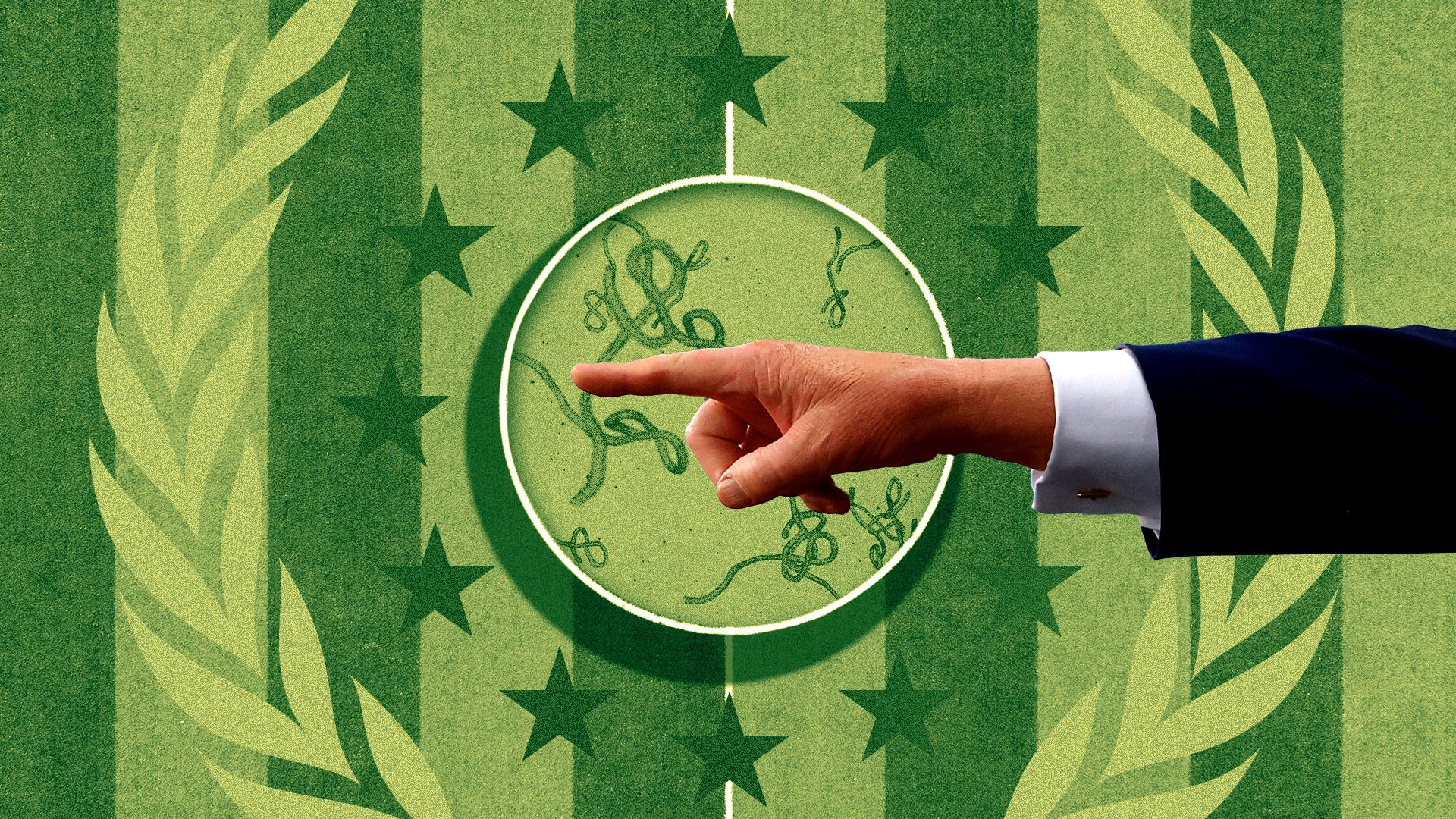
The Trump administration, fearing that international travel could accelerate the spread of Ebola as the World Cup hits America, is pressuring Europe to dramatically shift its strategy for preventing infections, sources tell Axios.
Why it matters: Top Trump aides are frustrated with Europe's limited travel restrictions and want it to abandon the World Health Organization's Ebola playbook in favor of Washington's tighter rules, a senior official said.
Fewer Americans say birth control, having a baby outside of marriage and gambling are morally OK this year compared to last, according to a new poll.
Why it matters: Americans' more puritanical view of personal liberty coincides with a Republican resurgence, young men's rebounding religiosity and conservative backlash to LGBTQ+ advancements.
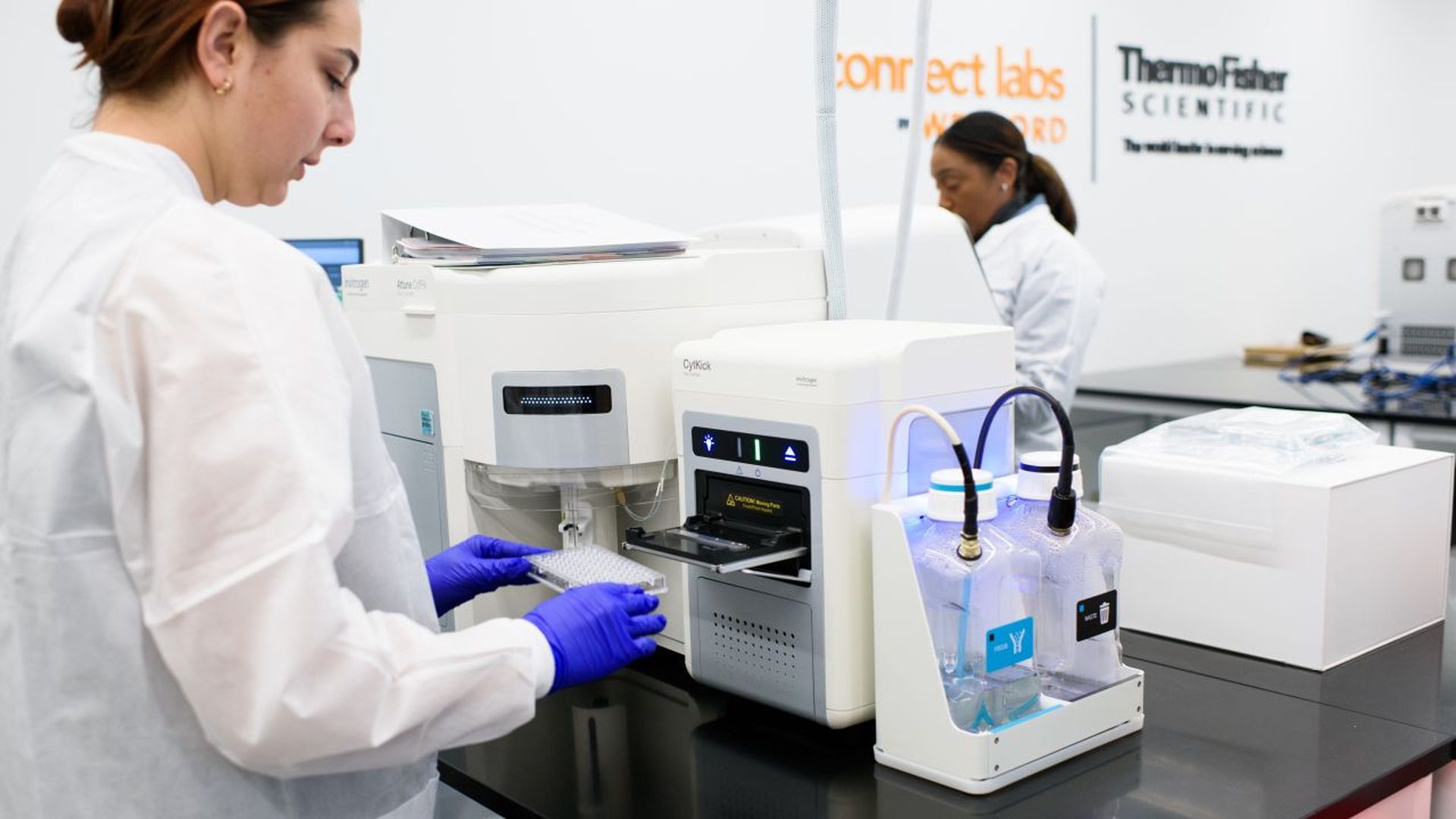
Health innovation increasingly depends on how quickly researchers, clinicians, engineers and industry partners can drive discoveries into the real world.
In downtown Phoenix, a bioscience district is making that process easier.
Millions of working Americans struggle to read at a functional level — and artificial intelligence may be helping hide it.
Why it matters: Low literacy is quietly becoming a major economic drag, even as AI tools allow workers to complete tasks they may not fully understand.
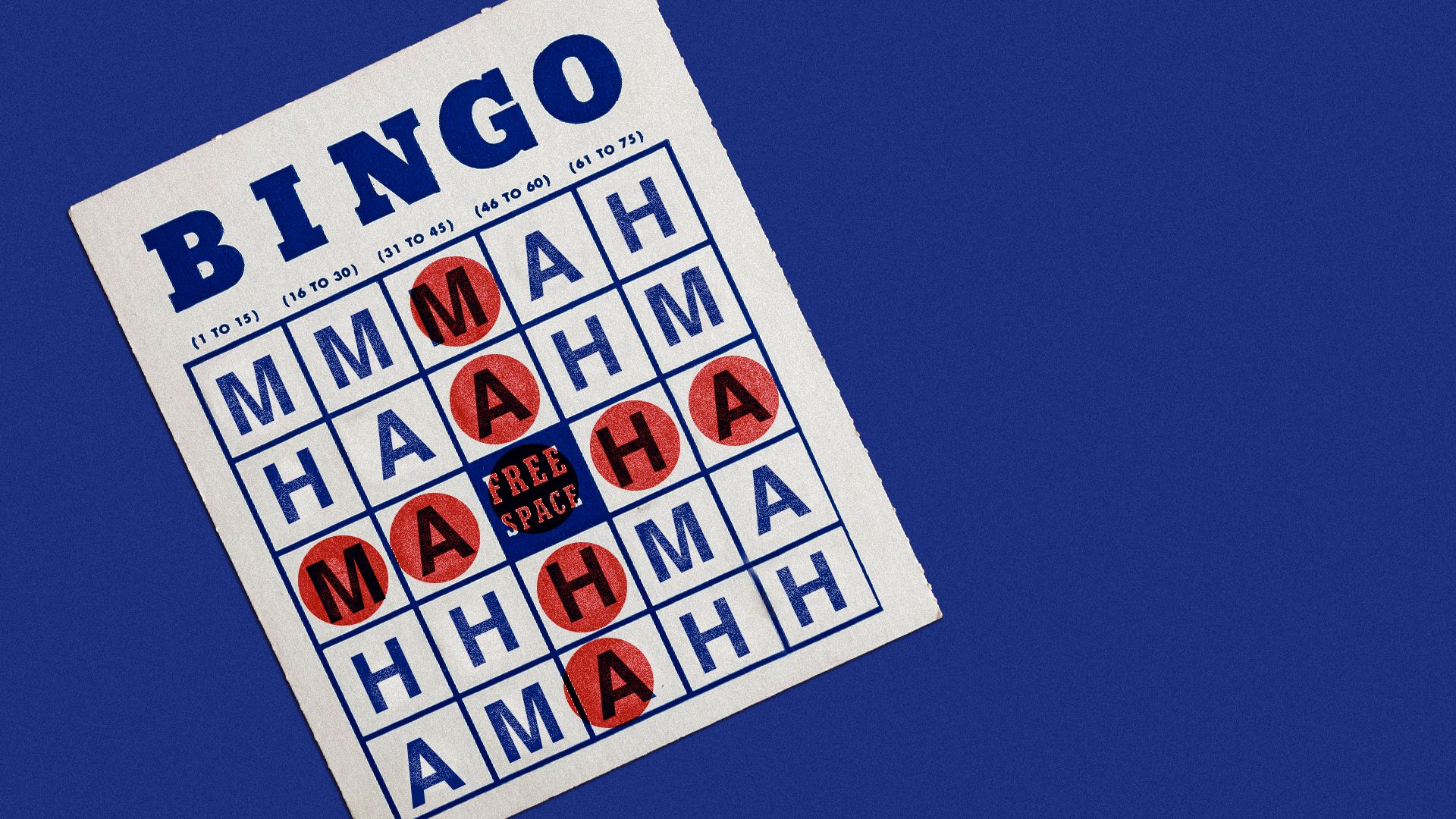
Candidates aligned with the "Make America Healthy Again" movement are winning in Republican primaries, even as the movement's clout with the Trump administration declines.
Why it matters: Messaging around healthier food, farming practices and medical freedom that resonates with the GOP base has given the MAHA movement a life of its own.
Rest, longevity and fitness are the new status symbols, and burnt-out Americans are spending big on all of the above.
Why it matters: The wellness economy is in its next phase, beyond fancy gym memberships and meditation apps. The money is going to sleep retreats, executive function coaches, and longevity doctors baked into premium urban real estate. Recovery is its own arms race, if you can afford it.
Children's wellbeing declined nationally from 2019 to 2024, with kids in 29 states faring worse than before the COVID pandemic, according to a new report.
Why it matters: Children's wellbeing affects future workforce participation and economic growth, and researchers warn rising costs and safety-net reductions could further strain families.