Trump's surgeon general pick questioned birth control. Here's why women take it

Add Axios as your preferred source to
see more of our stories on Google.
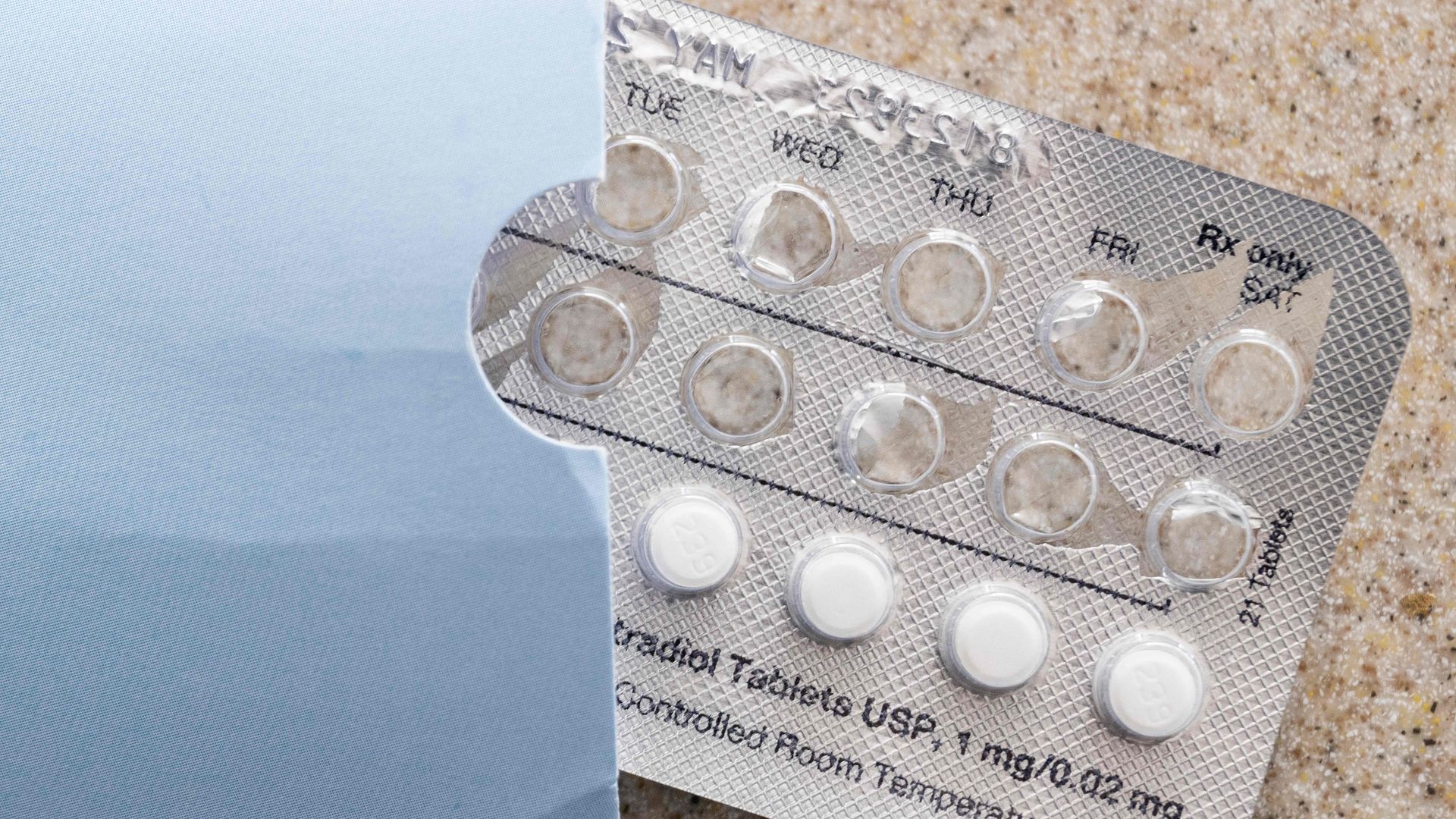
Birth control pills rest on a counter in Centreville, Md., on July 6, 2022. Photo: Jim Watson/AFP via Getty Images
Surgeon general pick Casey Means stood by her past claims that birth control has "horrifying health risks" and softened her tone during a confirmation hearing Wednesday.
The big picture: Some pro-life activists have turned their sights on birth control after successfully overturning Roe v. Wade in 2022.
What she's saying: "I absolutely believe these medications should be accessible to all women," Means testified, adding "all medications have risks and benefits."
- Sen. Patty Murray (D-Wash.) pressed Means on her past comments that people use "birth control pills like candy ... to try to control the cycles of women" and that contraception "shuts down" a woman's "life-giving nature," reflecting a broader "disrespect for life."
- Means argued she was only encouraging at-risk women to speak to their doctors about potential side effects.
- "Dr. Means very clearly reiterated her support for birth control access while making the very commonsense point that women should first talk to their doctors to evaluate potential side effect risks," a White House spokesperson said in a statement.
Reality check: Oral contraceptive pills are the most widely used form of reversible contraception and are commonly used to manage other health conditions, per a KFF brief.
- Birth control pills have been used for decades and are safe for most people, according to Cleveland Clinic.
How hormonal birth control works
The pill uses hormones to prevent pregnancy.
- The most commonly prescribed pill contains both estrogen and progestin while "minpills" only have progestin.
- They must be taken once a day, though the regimens vary, and are highly effective when used as directed.
Other hormonal birth control methods include the implant, injections, a skin patch or contraceptive rings.
Why do people take birth control?
A KFF poll found that 55% percent of women were using the pill primarily to prevent pregnancy while the remaining 45% said they took it for other reasons as well or for another reason only.
- Hormonal contraceptives can also used to manage periods, treat acne, alleviate migraines and manage symptoms of conditions like polycystic ovary syndrome (PCOS).
What they're saying: Kristin Lyerly, an OB/GYN and chair of the Committee to Protect Healthcare board, tells Axios she almost wishes "they wouldn't even call it birth control."
- "Yeah, we use it for pregnancy prevention, but we also use it for heavy, painful periods. We use it for treating [PCOS], for so many different things."
What are the side effects of hormonal birth control?
Most side effects of combined hormonal birth control pills — such as headaches and nausea — are minor and often go away after a few months, according to the American College of Obstetricians and Gynecologists (ACOG).
Yes, but: ACOG notes that combined hormonal methods can slightly increase the risk of heart attack, stroke or deep-vein thrombosis.
What Means said about birth control
Means has written that hormonal birth control has "horrifying health risks" and speculated about a link to increased breast cancer rates in young people.
- Meta-analyses of studies into the relationship between oral contraceptive use and breast cancer have shown a slight increased risk, per an ACOG practice advisory. But the overall risk of breast cancer in hormonal birth control users remains very low.
- Research also shows it may lower one's risk of other kinds of cancer.
The bottom line: Lyerly said that "all of the options need to be there — and this kind of inflammatory language prevents people from having important options."
Go deeper: Influencer pick for surgeon general marks new era in health messaging
