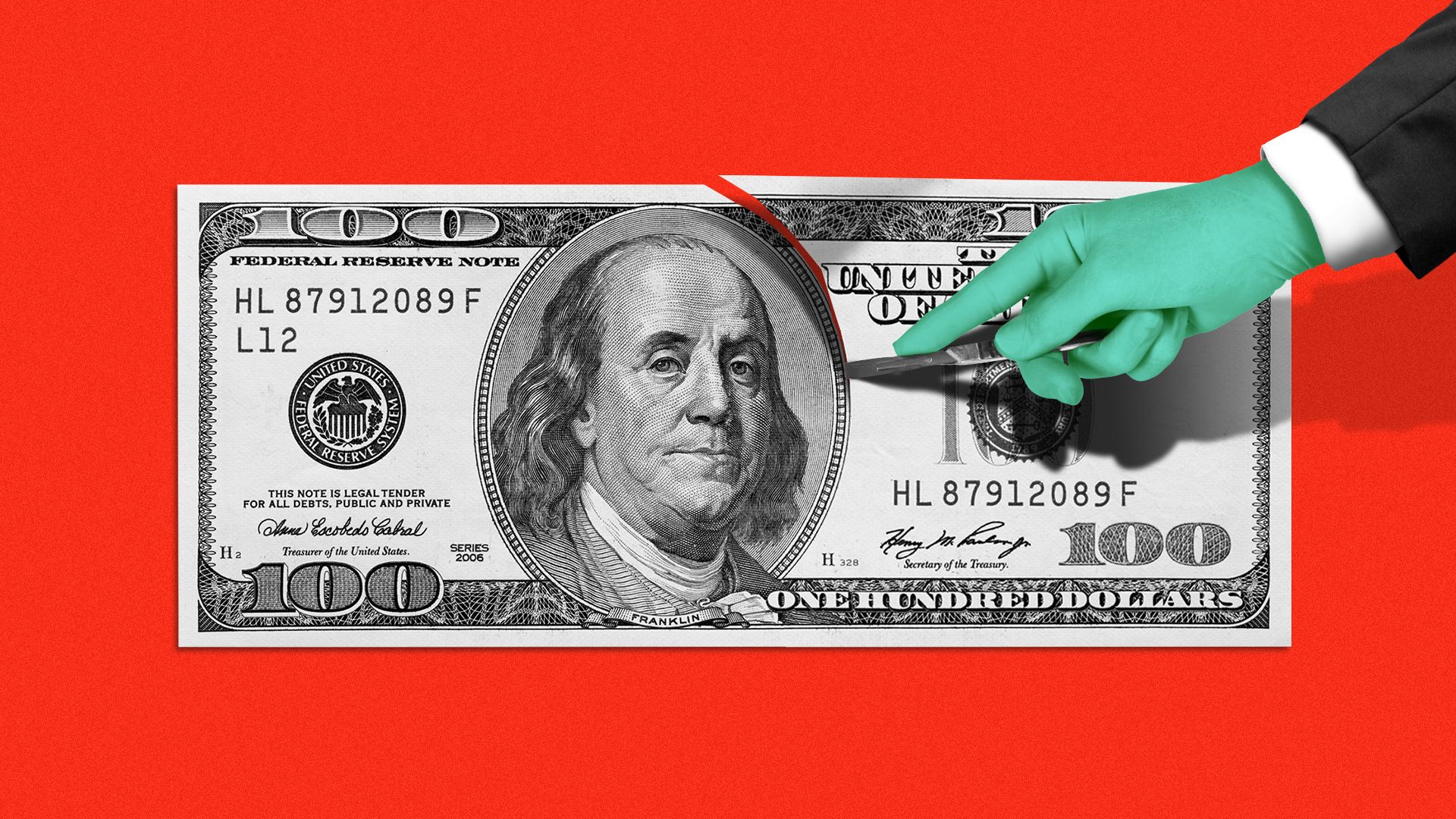
Republicans' massive Medicaid overhaul and rising health costs are forcing state legislatures to begin cutting medical spending for the poor, raise taxes and take other steps to deal with a first-of-its-kind budget squeeze.
Why it matters: State budgets are due to shrink by $664 billion over the next decade because of the cuts in last year's GOP budget law, while medical costs are rising and state tax collections are lagging.
Novo Nordisk is testing new Wegovy pricing across telehealth platforms — a sign it's rethinking how to sell its once-dominant weight-loss drugs under pressure from Eli Lilly and digital health upstarts.
Why it matters: The weight-loss drug boom is entering a new phase where access may matter as much as the drugs themselves.
The Supreme Court sided Tuesday with a Christian talk therapist who contended a Colorado law banning the discredited practice of conversion therapy to change minors' sexual orientation or gender expression violated her First Amendment rights.
The big picture: The decision has implications beyond the Colorado therapy sessions. It sets precedent that therapists' conversations with patients are regarded as a form of constitutionally protected speech and rolls back protections for LGBTQ+ youth.
The oil shortage brought on by the Iran war will spread throughout the world, much as COVID-19 did, moving from east to west and leaving a path of destruction in its wake, a new analysis says.
Why it matters: If the oil shock plays out along those lines, it would mean the global economy has only just begun to feel the pain of the war's impact.
The Trump administration is cracking down on hospital contracting practices that it alleges are anticompetitive and drive up health care costs.
Why it matters: Hospitals have been the leading contributor to health spending growth in recent years, but policymakers are usually reluctant to go after institutions that are deeply entrenched in their communities — and politically popular.