Eli Lilly execs believe the first oral version of their blockbuster GLP-1 drugs won't cannibalize sales of the injectables currently driving diabetes care and weight loss.
Why it matters: The GLP-1 market leader is widely expected to gain regulatory approval for a pill version in the second quarter — a potentially transformational accelerant in a category already driving Lilly's fastest growth.
Rural America's disproportionate reliance on immigrant doctors could widen gaps in care as the Trump administration tightens immigration restrictions.
The big picture: Changes like the new $100,000 fee for H-1B visas are threatening already-stretched rural hospitals that could be left with even fewer primary care doctors and specialists.
Avoiding tough conversations could keep the peace in the short term but erode long-term relationships, licensed psychotherapist Colette Jane Fehr says.
Why it matters: Conflict avoidance thrives in a fast-paced digital world, where it's easy to push off a text, ghost someone or outsource writing to AI.
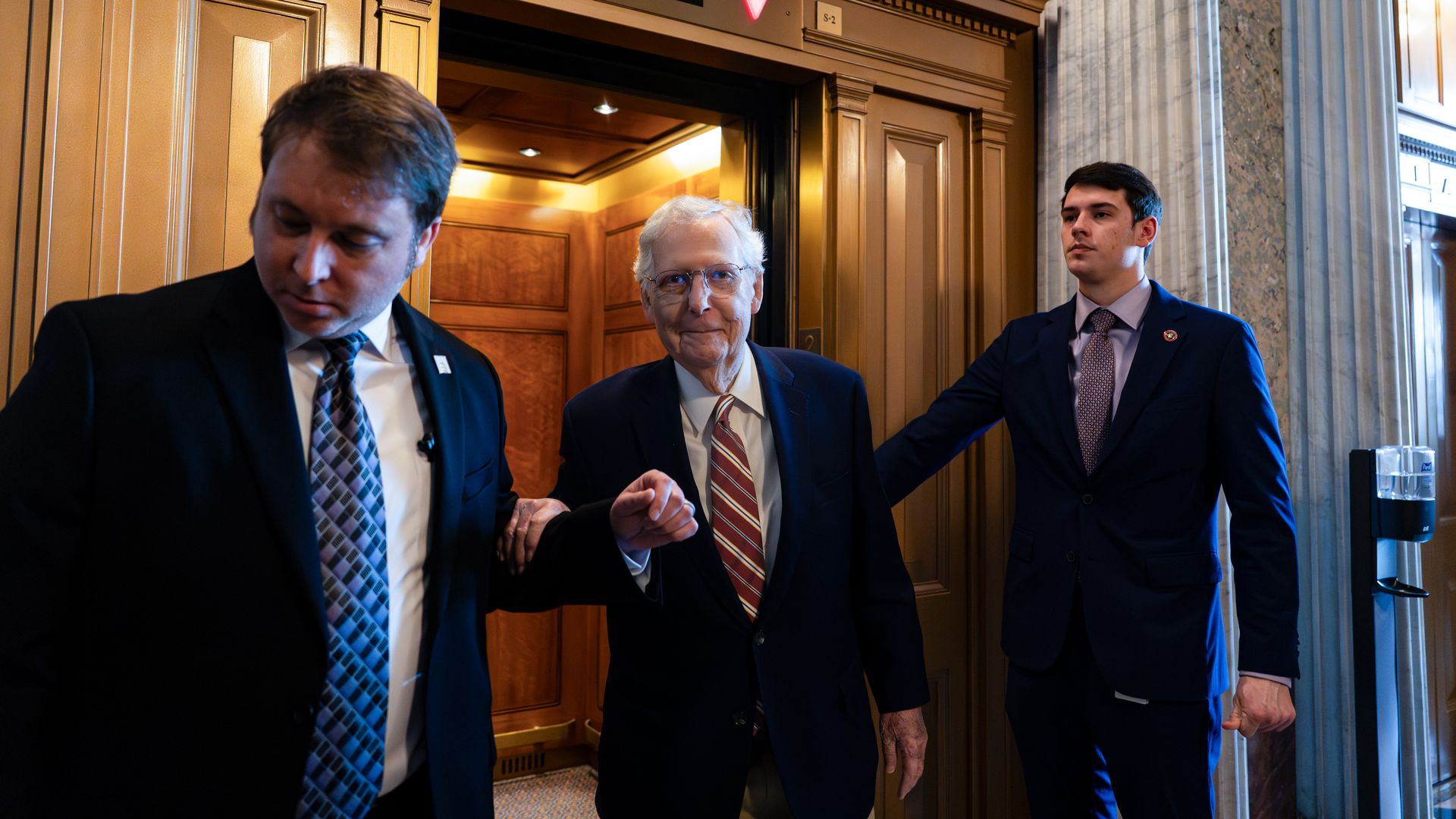
Sen. Mitch McConnell (R-Ky.) was hospitalized Monday night after "experiencing flu-like symptoms" over the weekend, a spokesperson confirmed in a statement to Axios.
What they're saying: The 83-year-old former Senate Republican leader "checked himself into a local hospital" out of "an abundance of caution," the statement said.
The professional society for plastic surgeons on Tuesday recommended its members delay transition-related breast, genital and facial surgery on youths until they turn 19, saying there wasn't enough evidence of benefits and risks.
Why it matters: The new guidance comes amid the Trump administration's widening crackdown on gender care, which has put doctors and other providers in the middle of a showdown between federal power, privacy protections and, in some cases, state laws.
UCLA researchers say they've found a way to reduce mineral sunscreen's biggest drawback: the white cast.
Why it matters: The chalky residue — especially on darker skin tones — keeps many people from wearing mineral sunscreen, despite its role in preventing skin cancer.
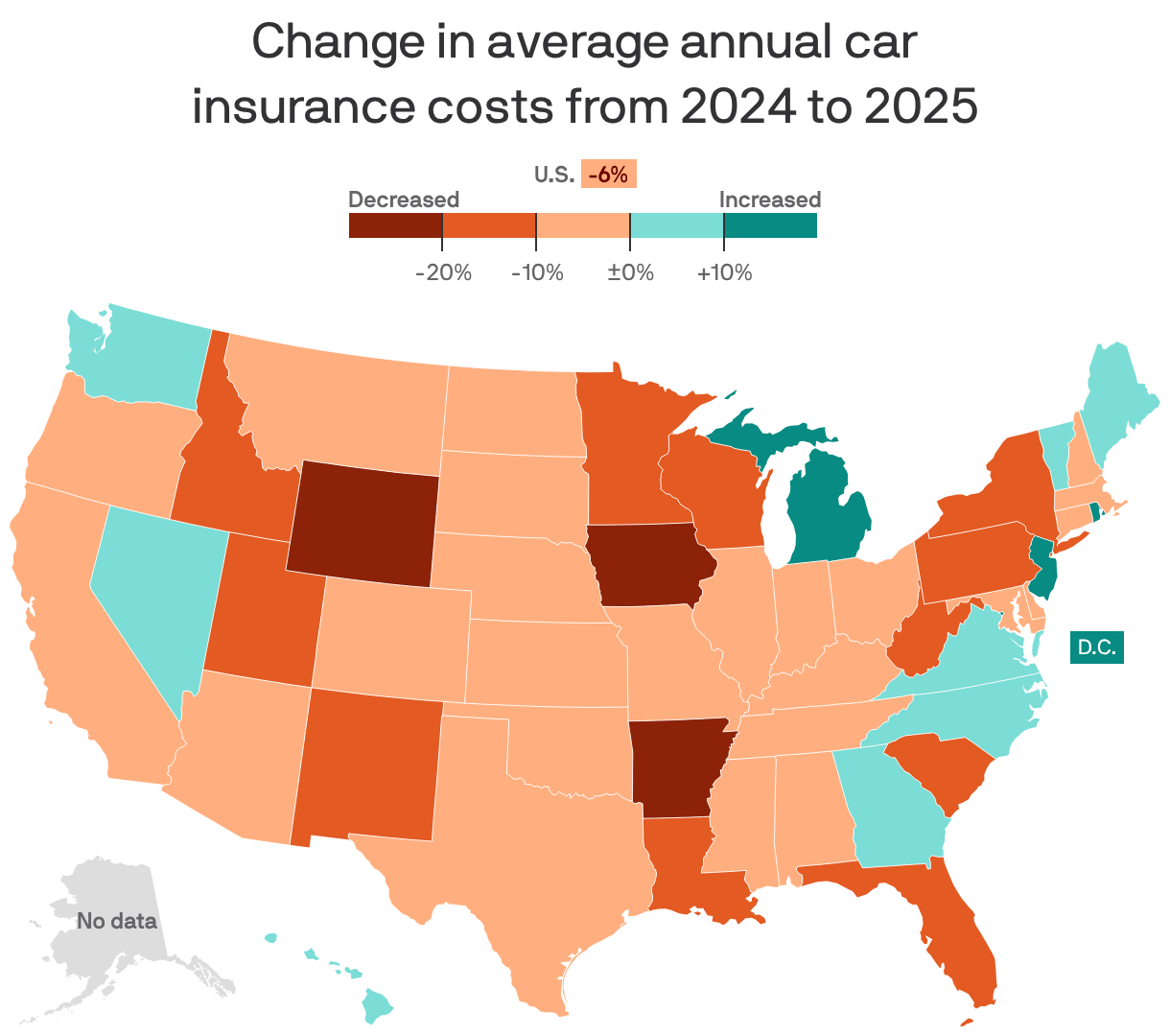
Car insurance prices dipped last year after a post-pandemic stretch of skyrocketing costs, a new Insurify report finds.
The average annual full-coverage premium fell 6% nationally from 2024 to 2025, to $2,144.
Some states saw much larger drops, including Wyoming (-30%), Iowa (-25%) and Arkansas (-23%).
Reality check: That relief comes after car insurance costs rose 46% from 2022 to 2024, "partially due to risky driving behavior following the pandemic," said Insurify, an insurance-comparison platform.
Amazon Prime members are using fast delivery less like a convenience perk — and more like a substitute for routine shopping trips, according to new data from Amazon.
Why it matters: Groceries and everyday household essentials now account for half of all same- or next-day deliveries to U.S. Prime members, signaling a deeper shift in how Americans buy basics — and their reliance on delivery instead of physical stores.
The Trump administration is facing new pressure to disclose details about its confidential pricing agreements with big drug companies and whether they meaningfully lower costs for patients.
Why it matters: President Trump has touted the "most favored nation" drug pricing deals as one of his signature accomplishments, but most of the details have been kept under wraps, including how the new prices are calculated.
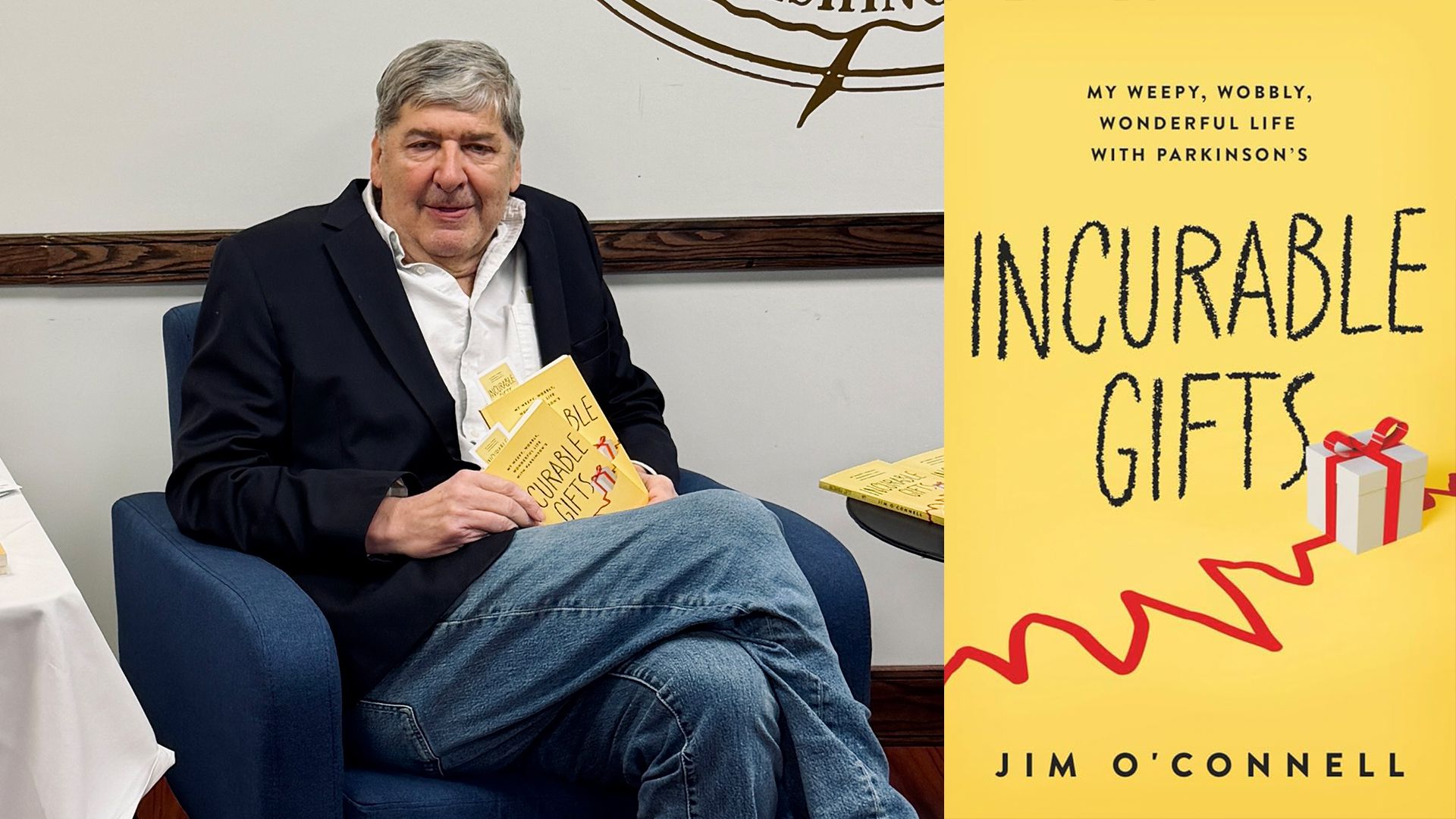
No one wants to hear that a friend, colleague or loved one has a progressive, degenerative disease like Parkinson's.
It was especially tough when we learned the disease affected Jim O'Connell — a fellow journalist known for his innovative ideas, sharp wit and gruff wisdom, Axios' Eileen Drage O'Reilly writes.