Tuesday's health stories

2026's top 10 jobs all boast $100k-plus median salaries: here's the list

The labor market is stagnant, if not in free fall, but one field stands out as an auspicious one for job seekers, according to Indeed.com.
The big picture: Seven of 2026's top 10 jobs — considering factors like availability, pay and wage growth — are in health care, according to the website's report published on Tuesday.

"Havana Syndrome" mystery takes unusual turn. Here's what to know about the illness

A new report from CNN suggests that the Pentagon may have discovered a device that causes a mysterious illness known as "Havana Syndrome."
Why it matters: The cause of Havana Syndrome — which has been linked to neurological illness among U.S. diplomats and government workers around the world — has puzzled researchers for years.

FDA asks for removal of suicide warnings on GLP-1 drugs
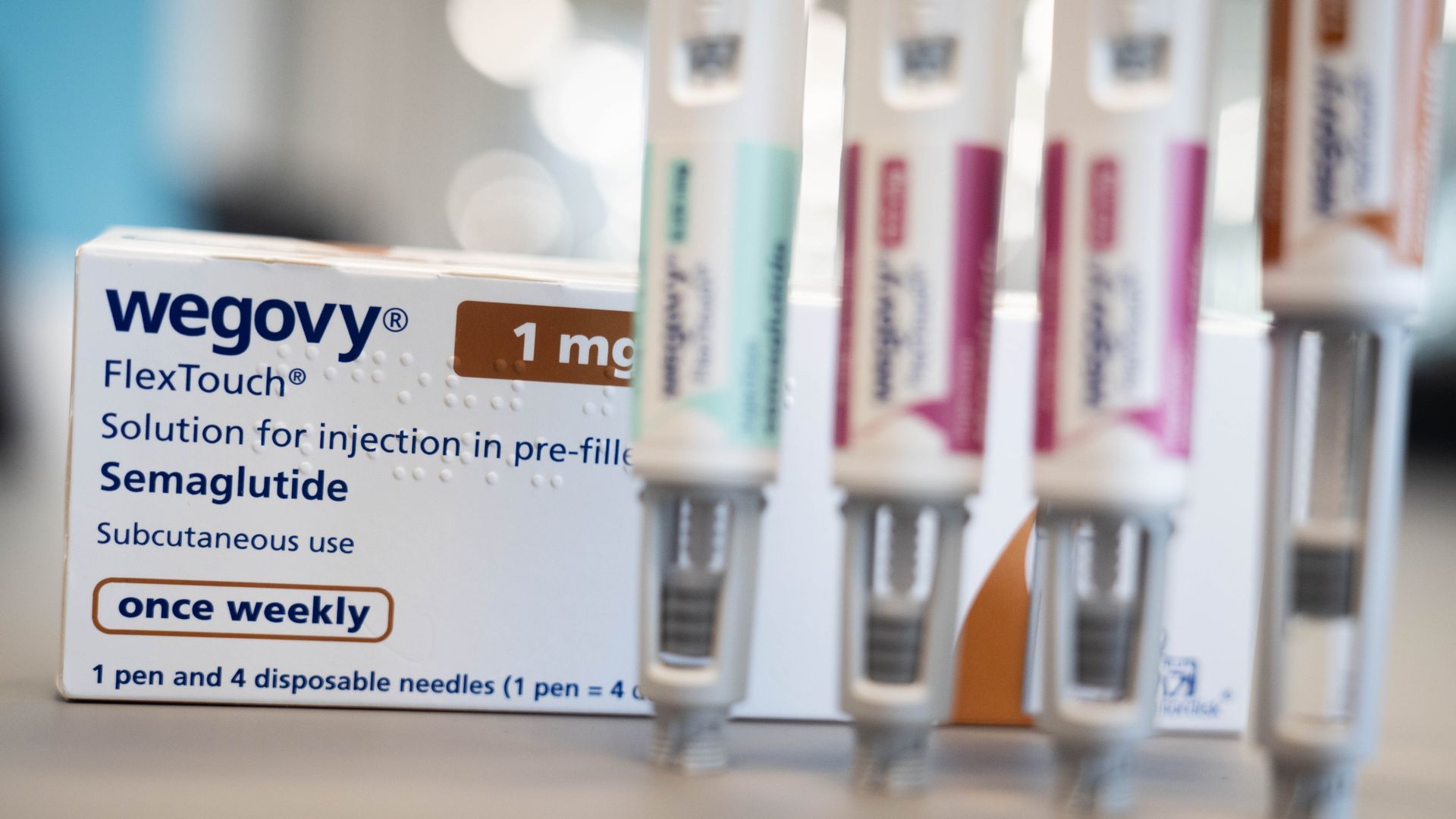
The Food and Drug Administration on Tuesday told Eli Lilly and Novo Nordisk to remove warnings about the risk of suicidal thoughts and behavior from the labels of their blockbuster GLP-1 weight-loss drugs.
Why it matters: The action caps more than a year of studies into reported side effects in people taking the injectable drugs. It covers Novo Nordisk's Saxenda and Wegovy and Lilly's Zepbound.
- Some research has focused on patients with psychiatric disorders, since certain antipsychotics or antidepressants are associated with weight gain and could make the patients possible candidates for GLP-1 treatment.
Driving the news: Regulators said a comprehensive review found no increased risk of suicidal ideation or behavior associated with the use of GLP-1s.
- At the time of the original FDA approvals, the labeling for the weight-loss products included information about such risks based on reports of events observed with older medicines used or studied for weight loss.
- Labels have said suicidal behavior or thoughts have been reported in clinical trials for other weight-loss products and recommend that doctors monitor patients for unusual changes in mood or behavior.
- Novo Nordisk's Ozempic and other drugs approved as diabetes treatments don't include similar labeling language.
"Today's FDA action will ensure consistent messaging across the labeling for all FDA approved GLP-1 RA medications," the agency said.

Hospitals' make-or-break year

Sweeping changes to Medicaid and the Affordable Care Act are combining with rising health costs to make 2026 a high-stakes year for hospital operators.
Why it matters: While major health systems like HCA are likely to weather the worst, some safety net providers and facilities on tight margins could close or scale back services as uncompensated care costs mount and uncertainty around future policies swirls.

OpenAI acquires health tech company Torch

OpenAI says it acquired Torch, a startup that unifies lab results, medications and visit recordings.
Why it matters: Large AI companies are showing more interest in monetizing health care workflows.

Barbie releases first autistic doll as Mattel expands inclusion

Barbie is launching its first autistic doll, developed with the autism community and designed to reflect sensory and communication differences.
Why it matters: Toy giant Mattel is doubling down on inclusion as a growth strategy, using Barbie to reflect a wider range of real-world experiences — and keep the legacy brand relevant with modern parents.

Scoop: Dems make health deal offer with ACA subsidies

Democrats sent Republicans a proposal over the weekend to renew enhanced Affordable Care Act subsidies for three years, paired with extensions of other expiring health programs, sources said.
Why it matters: Sunday's offer shows there's increasing bipartisan sentiment to address long-stalled priorities like overhauling pharmacy benefit manager business practices — even if prospects for the ACA subsidies are much murkier.
What's inside: The proposal from Democratic leadership and health committees was in response to a GOP offer last week to renew funding for community health centers, certain Medicare telehealth flexibilities and other health "extenders" ahead of a Jan. 30 deadline.
- The underlying package being discussed largely mirrors a bipartisan health deal that was due to be included in a 2024 year-end government funding deal before it was jettisoned at the urging of Elon Musk and then-President-elect Trump, sources said.
- That included PBM measures aimed at lowering drug costs, such as "delinking" PBM compensation from the price of a drug in Medicare Part D.
- There is also a measure addressing Medicare hospital costs that would require hospital outpatient departments to use unique identifier numbers in a bid to crack down on what critics say is overbilling.
Between the lines: Democrats' new offer raised the stakes by adding a politically contentious three-year extension of enhanced ACA subsidies that help people afford premiums.
- GOP leadership is sure to reject inclusion of that in the health care package, but there still appears to be progress on the other elements.
- Democrats' new offer also seeks an increase in funding for programs like community health centers, sources said.
The big picture: On a separate track, a bipartisan Senate group has been discussing an ACA subsidy deal that would extend the tax credits along with new restrictions Republicans favor, such as eliminating $0 premiums that critics say fuel fraud.
- There still are considerable hurdles, with most Republicans still opposed to any kind of ACA subsidy extension and many backing new prohibitions on using the money to pay for abortion services.
- President Trump told reporters Sunday night that he "might" veto a subsidy extension, though he was responding to a question about the clean three-year extension, which is unlikely to get to his desk anyway.

Trump funding freeze could stretch child care to a breaking point

Child care providers, already under financial strain, face their greatest test yet as the Trump administration imposes new rules and restrictions on funding.
Why it matters: Federal money underpins the entire industry — vital to millions of parents trying to manage work and family, across all income levels.

There's a biotech boom in dealmaking

Biotech is dominating the (very) early 2026 deals market, whether that be startup fundings, IPOs, or mergers.
Why it matters: This is a reversal of the usual order, in which biotech plays distant second cousin to the sorts of tech that don't need FDA approval.