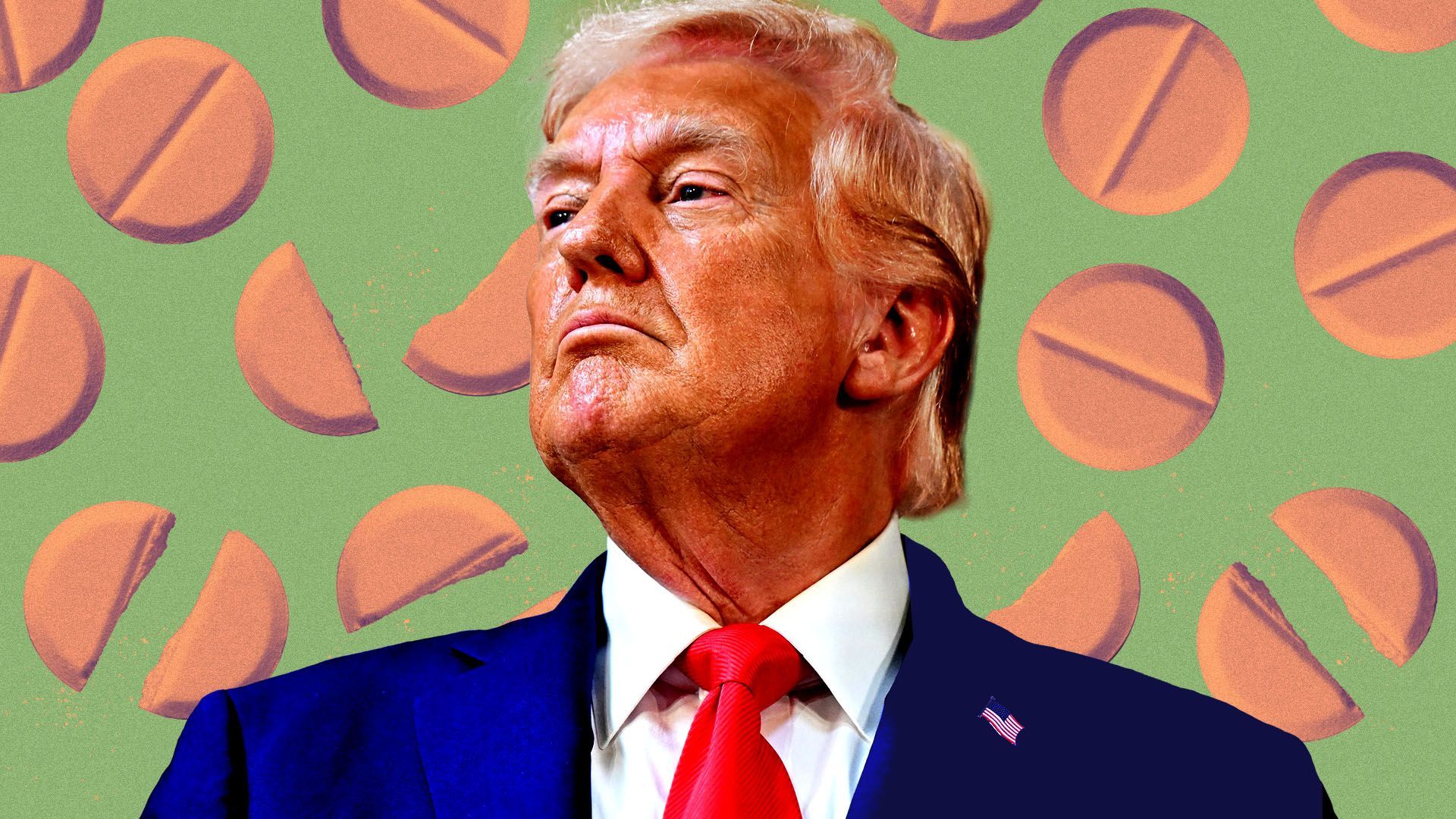
President Trump on Thursday called on Congress to pass a package of measures aimed at lowering drug prices, insurance premiums and increasing health cost transparency.
Why it matters: The "Great Healthcare Plan" is a response to Democrats' attacks around expired Affordable Care Act subsidies and an acknowledgement the GOP could get blamed for health care affordability heading into the midterm elections.
Prosecutors in states with abortion bans are increasingly charging mostly low-income women with pregnancy-related crimes, in a test of whether fetuses and embryos have the same rights as children.
Why it matters: The cases further complicate the post-Roe landscape and bring particular scrutiny to pregnant women accused of drug or other substance use.
The share of Americans who see business as the country's biggest threat, compared with government and labor, is near a high last reached more than two decades ago, when accounting scandals rocked the corporate world.
Why it matters: Gallup has been polling on this question since the 1960s, and, although big government always ranks as Americans' top perceived threat, distrust of companies has been steadily rising.
The Trump administration late Wednesday reversed course and reinstated as much as $2 billion of mental health and addiction grants that it had cut about 24 hours earlier, prompting an outcry from patient advocates.
The big picture: The cancellations had drawn fierce pushback from Congress and advocacy groups, who said the terminations would put vulnerable people's lives at risk and undercut behavioral health efforts.
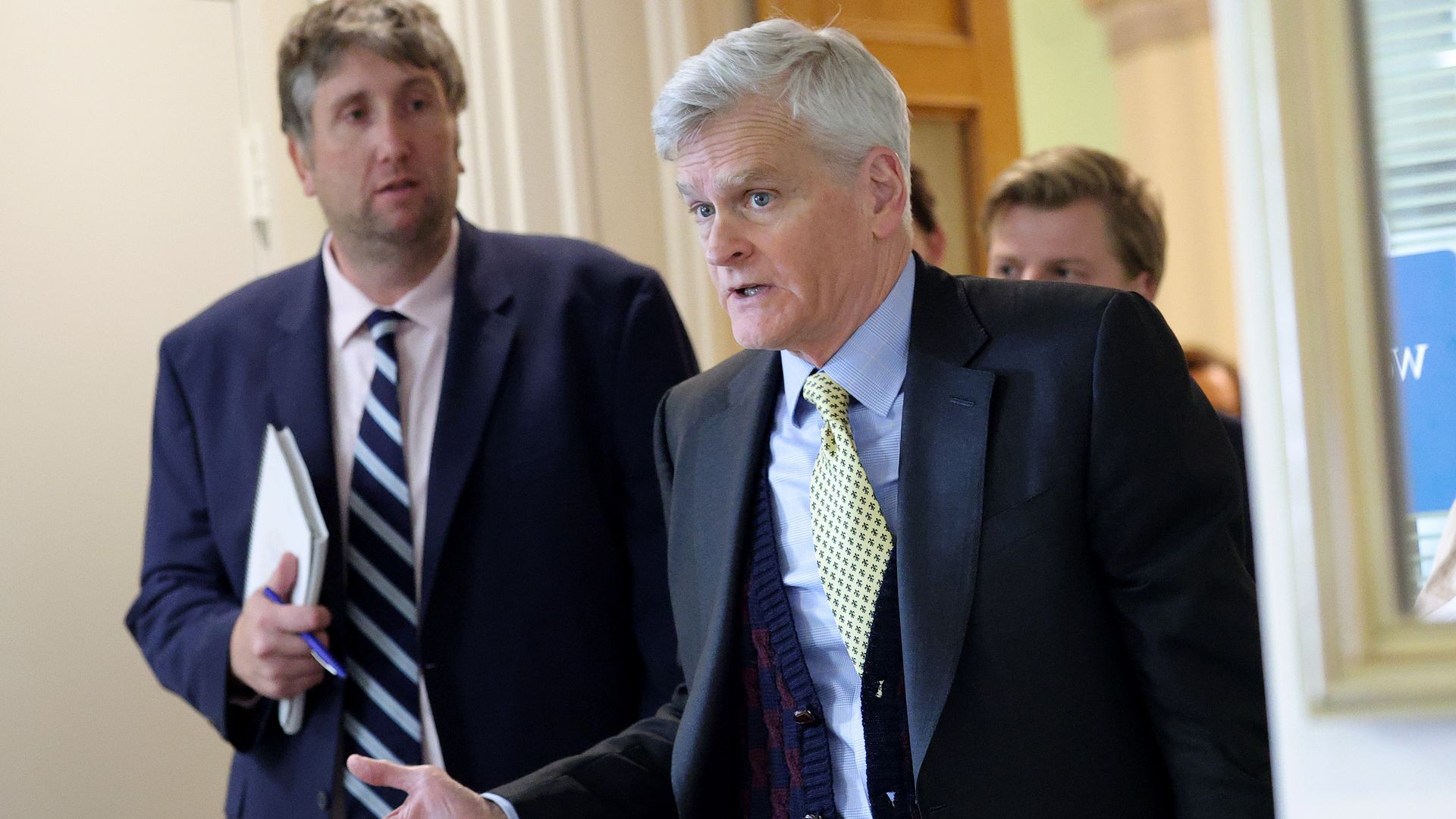
The chairman of the Senate health committee touched off a new fight over abortion pills on Wednesday, calling on the Trump administration to immediately reinstate in-person dispensing requirements for the widely used drug mifepristone.
Why it matters: The comments from Bill Cassidy (R-La.) and other GOP senators at a hearing intensify pressure on the administration to tighten abortion access in an election year.
The number of available donor kidneys from people who just died declined for the first time in more than a decade last year, according to a new analysis of national data by the Kidney Transplant Collaborative.
Why it matters: The drop comes after thousands of people have removed themselves from U.S. organ donor registries amid renewed scrutiny of the transplant system, including reports over the summer that organs were being removed while donors still showed signs of life.
The typical U.S. working family spends nearly $4,000 per year on health care, including their share of insurance premiums and out-of-pocket costs, according to a new analysis by the Center for Economic and Policy Research.
Why it matters: That's just the median amount, and plenty of families pay thousands more. But it goes a long way in explaining why health care is at the forefront of voters' "affordability" concerns.
Congressional negotiators are working to revive the health care deal that was dropped from a government spending package in late 2024 — but the odds of resurrecting enhanced Obamacare subsidies as part of the effort appear dire.
Why it matters: Long-stalled bipartisan priorities that are in play include an overhaul of pharmacy benefit manager practices, as well as a measure that would place more controls on Medicare outpatient spending.