The chairman of the Senate health committee touched off a new fight over abortion pills on Wednesday, calling on the Trump administration to immediately reinstate in-person dispensing requirements for the widely used drug mifepristone.
Why it matters: The comments from Bill Cassidy (R-La.) and other GOP senators at a hearing intensify pressure on the administration to tighten abortion access in an election year.
The number of available donor kidneys from people who just died declined for the first time in more than a decade last year, according to a new analysis of national data by the Kidney Transplant Collaborative.
Why it matters: The drop comes after thousands of people have removed themselves from U.S. organ donor registries amid renewed scrutiny of the transplant system, including reports over the summer that organs were being removed while donors still showed signs of life.
The typical U.S. working family spends nearly $4,000 per year on health care, including their share of insurance premiums and out-of-pocket costs, according to a new analysis by the Center for Economic and Policy Research.
Why it matters: That's just the median amount, and plenty of families pay thousands more. But it goes a long way in explaining why health care is at the forefront of voters' "affordability" concerns.
Congressional negotiators are working to revive the health care deal that was dropped from a government spending package in late 2024 — but the odds of resurrecting enhanced Obamacare subsidies as part of the effort appear dire.
Why it matters: Long-stalled bipartisan priorities that are in play include an overhaul of pharmacy benefit manager practices, as well as a measure that would place more controls on Medicare outpatient spending.
The Trump administration is launching an unprecedented, $11 billion soft-power effort to remake foreign health assistance after its controversial decision to gut USAID.
Why it matters: Called the America First Global Health Strategy, the program aims to boost U.S. influence and interests in developing nations —especially those in Africa — while bypassing non-government organizations that delivered services through USAID.
The labor market is stagnant, if not in free fall, but one field stands out as an auspicious one for job seekers, according to Indeed.com.
The big picture: Seven of 2026's top 10 jobs — considering factors like availability, pay and wage growth — are in health care, according to the website's report published on Tuesday.
A new report from CNN suggests that the Pentagon may have discovered a device that causes a mysterious illness known as "Havana Syndrome."
Why it matters: The cause of Havana Syndrome — which has been linked to neurological illness among U.S. diplomats and government workers around the world — has puzzled researchers for years.
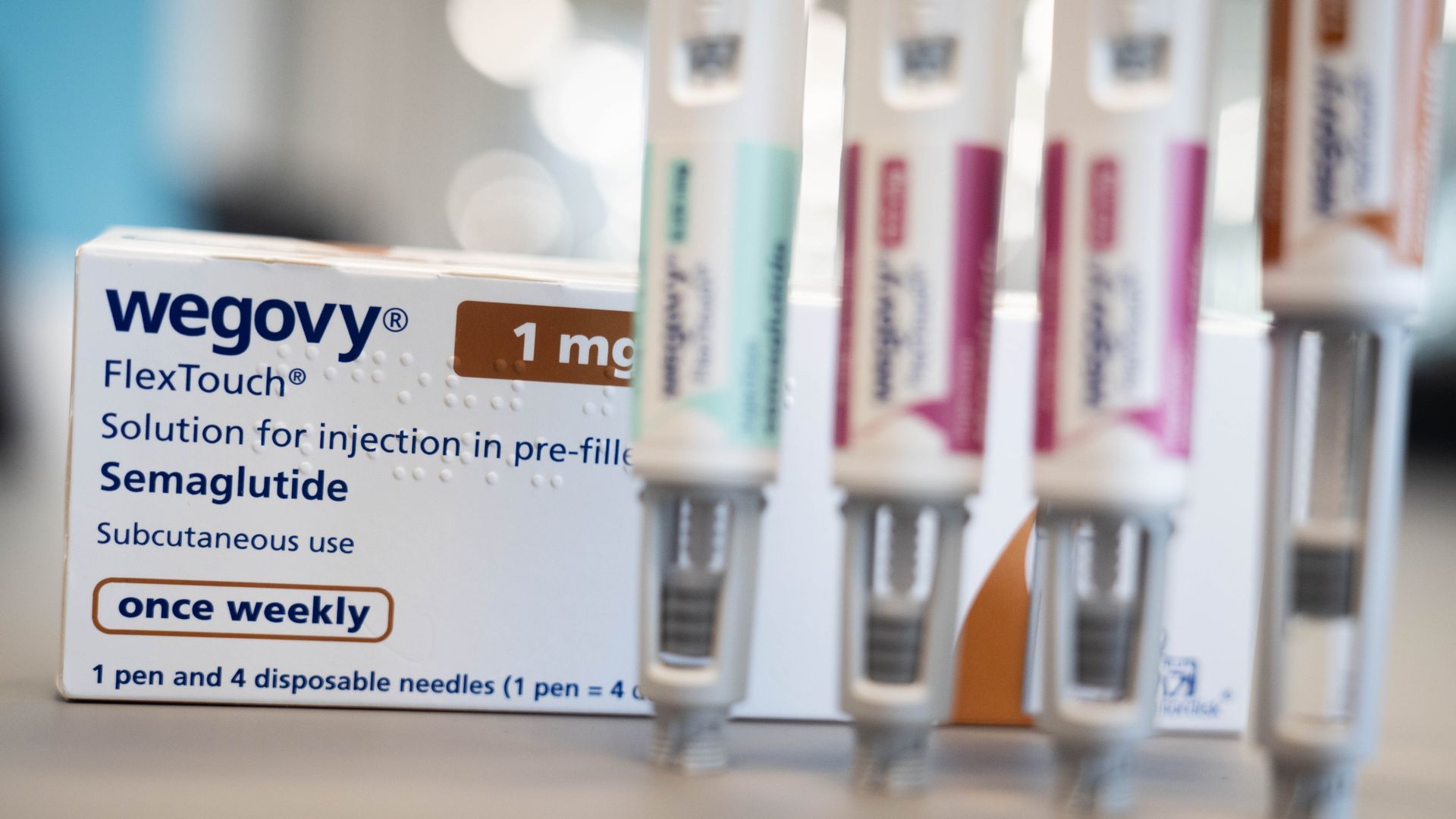
The Food and Drug Administration on Tuesday told Eli Lilly and Novo Nordisk to remove warnings about the risk of suicidal thoughts and behavior from the labels of their blockbuster GLP-1 weight-loss drugs.
Why it matters: The action caps more than a year of studies into reported side effects in people taking the injectable drugs. It covers Novo Nordisk's Saxenda and Wegovy and Lilly's Zepbound.
Some research has focused on patients with psychiatric disorders, since certain antipsychotics or antidepressants are associated with weight gain and could make the patients possible candidates for GLP-1 treatment.
Driving the news: Regulators said a comprehensive review found no increased risk of suicidal ideation or behavior associated with the use of GLP-1s.
At the time of the original FDA approvals, the labeling for the weight-loss products included information about such risks based on reports of events observed with older medicines used or studied for weight loss.
Labels have said suicidal behavior or thoughts have been reported in clinical trials for other weight-loss products and recommend that doctors monitor patients for unusual changes in mood or behavior.
Novo Nordisk's Ozempic and other drugs approved as diabetes treatments don't include similar labeling language.
"Today's FDA action will ensure consistent messaging across the labeling for all FDA approved GLP-1 RA medications," the agency said.
Sweeping changes to Medicaid and the Affordable Care Act are combining with rising health costs to make 2026 a high-stakes year for hospital operators.
Why it matters: While major health systems like HCA are likely to weather the worst, some safety net providers and facilities on tight margins could close or scale back services as uncompensated care costs mount and uncertainty around future policies swirls.