"Havana Syndrome" mystery takes unusual turn. Here's what to know about the illness

Add Axios as your preferred source to
see more of our stories on Google.
Illustration: Maura Kearns/Axios
A new report from CNN suggests that the Pentagon may have discovered a device that causes a mysterious illness known as "Havana Syndrome."
Why it matters: The cause of Havana Syndrome — which has been linked to neurological illness among U.S. diplomats and government workers around the world — has puzzled researchers for years.
Driving the news: The Defense Department reportedly spent more than a year testing a device that some believe could make people sick with "Havana Syndrome," per CNN's four unnamed sources.
- The device was discovered through "an undercover operation," per CNN, and officials paid some "eight figures" for it.
- The Pentagon, DHS and CIA did not immediately respond to Axios' request for comment Tuesday.
Context: The Pentagon has long been investigating the syndrome and its causes, with officials saying they're deeply concerned about how the illness makes American officials overseas.
Havana Syndrome has often made headlines when officials describe their symptoms or when it's impacted real-world events.
Read more about the illness below.
What is Havana Syndrome?
The mysterious illness — sometimes referred to as "Anomalous Health Incidents" (AHI) by U.S. officials — first rose to popularity over reports that American officials became ill while at the U.S. Embassy in Cuba in 2016.
- Other reports suggest cases may have occurred in 2014.
- Early reports suggest it was the result of sonic attacks.
By the numbers: U.S. officials estimate there have been at least 1,500 cases of Havana Syndrome across 96 countries, per CNN.
Zoom in: There have been suspected cases in countries like China, India, Austria, and Vietnam. The Wall Street Journal reported in 2022 that officials serving in Paris and Geneva were hit by the illness, too.
- A Pentagon official claimed to have experienced symptoms at a 2023 NATO summit in Lithuania.
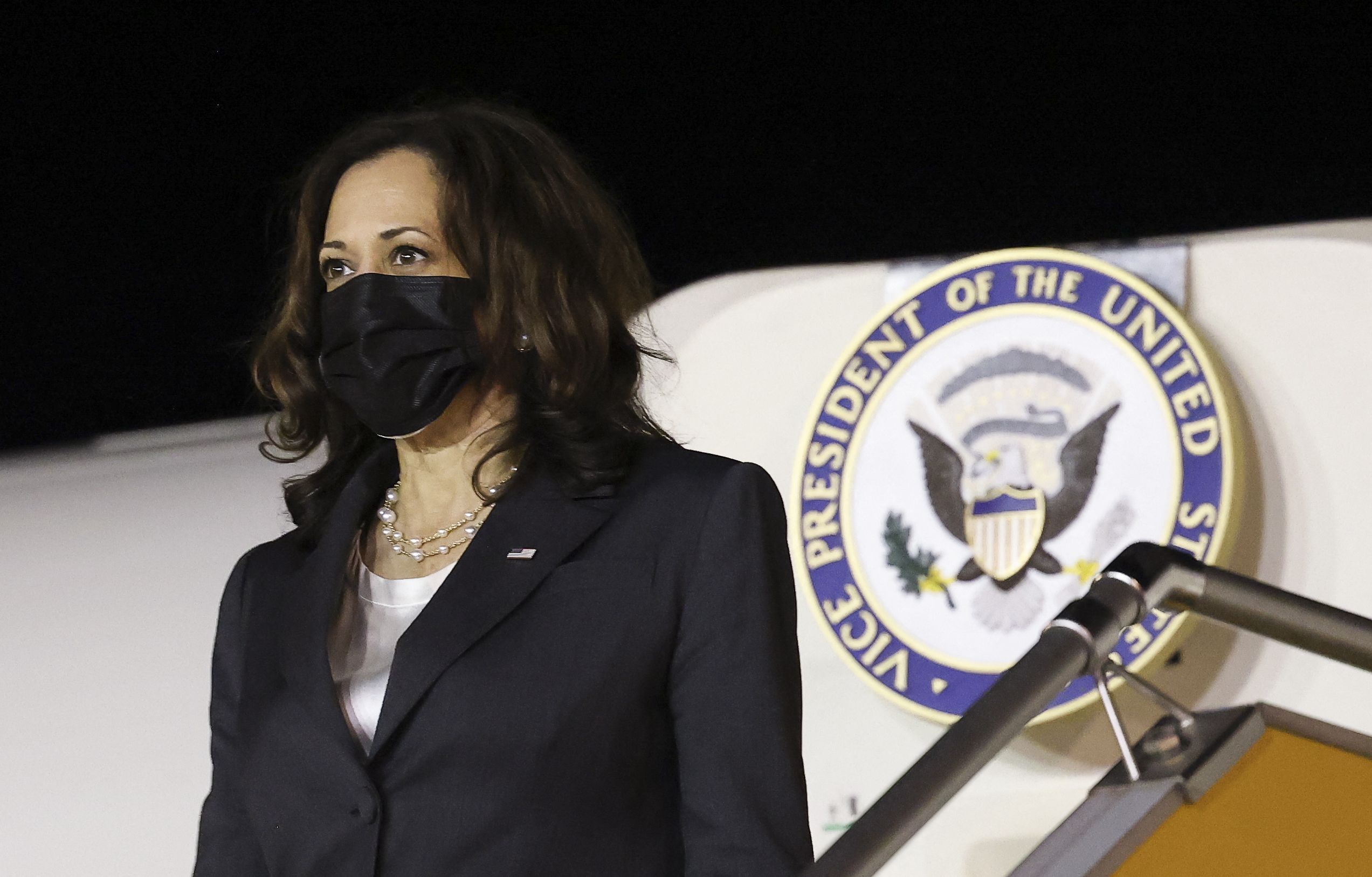
- Notably, in 2022, then-Vice President Kamala Harris delayed a trip to Hanoi, Vietnam, after reports of an "anomalous health incident," per BBC, which many likened to Havana Syndrome.
- Two members of the National Security Council were reportedly hit by the illness in November 2020 — one on the day after the presidential election that year, and the other a week later.
- One White House official told GQ in 2020 that she started experiencing symptoms while walking her dog.
What are the symptoms of Havana Syndrome?
Symptoms of the syndrome aren't clear-cut. But over the years, reports have suggested the common ones reported by victims include:
- Ear-popping.
- Vertigo.
- Pounding headaches.
- Nausea.
- Piercing, directional noise.
Yes, but: The National Institutes of Health found there was no evidence of "MRI-detectable brain injury" from the syndrome, despite severe symptoms existing.
What causes Havana Syndrome?
It's still unclear what specifically causes Havana Syndrome.
- CNN reports that the device allegedly obtained by DHS "produces pulsed radio waves" that cause the syndrome. However, researchers are still puzzled about how a device could cause the damage reported by victims.
- Mitchell Valdés-Sosa, a senior researcher of Cuba's Center for Neuroscience, told the AP in 2024 that the symptoms may come from a variety of diseases and not necessarily "mysterious energy."
However, there are theories about what causes it.
- The neurological symptoms could be caused by microwaves that stem from radio frequency energy of radiation.
- Lawmakers have suggested it's a result of directed energy attacks.
- An intelligence panel reported the syndrome may have been caused by "pulsed electromagnetic energy."
What have officials said about Havana Syndrome?
Evidence shared in 2024 suggested that Russia may be behind the syndrome, according to a joint investigation published Sunday by The Insider, Der Spiegel and CBS's 60 Minutes.
- That investigation pointed to Russia's GRU Unit 29155 as what created the attacks. Russia denied the allegations.
- "All this is nothing more than a baseless accusation, an unfounded accusation by the media," Kremlin spokesperson Dmitry Peskov said at the time, per Russian state news agency TASS.
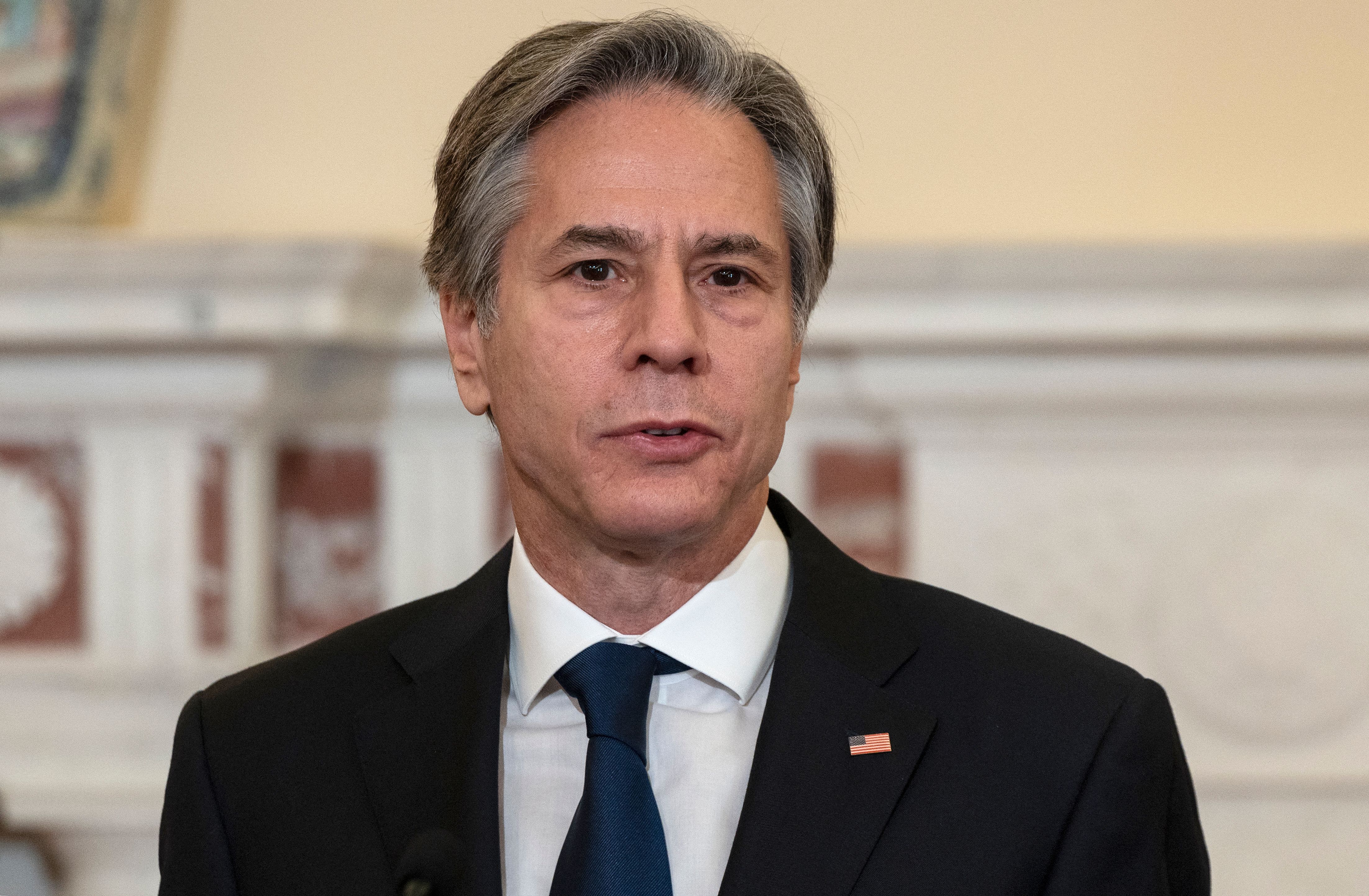
Flashback: The illness has puzzled government officials for years. Former Secretary of State Antony Blinken said in 2022 the Havana Syndrome stumped the White House.
- The same year, the CIA said that the syndrome likely isn't caused by a foreign nation, The Washington Post reported at the time.
- "We assess it is unlikely that a foreign actor, including Russia, is conducting a sustained, worldwide campaign harming U.S. personnel with a weapon or mechanism," a CIA official told The Washington Post.
That report came one year after officials said "mysterious, invisible attacks" made people sick.
- Investigators said at the time that they hadn't ruled out the possibility that the symptoms were caused by a "naturally occurring phenomenon rather than a weapon," per CNN.
More from Axios:
- Biden signs bill to support victims of mysterious "Havana Syndrome"
- CIA finds Havana syndrome unlikely caused by foreign campaign
- Blinken appoints new heads of "Havana Syndrome" task force
Editor's note: This story has been corrected to reflect that the National Institutes of Health failed to find evidence of "MRI-detectable brain injury" from the syndrome.
