Barbie releases first autistic doll as Mattel expands inclusion

Add Axios as your preferred source to
see more of our stories on Google.
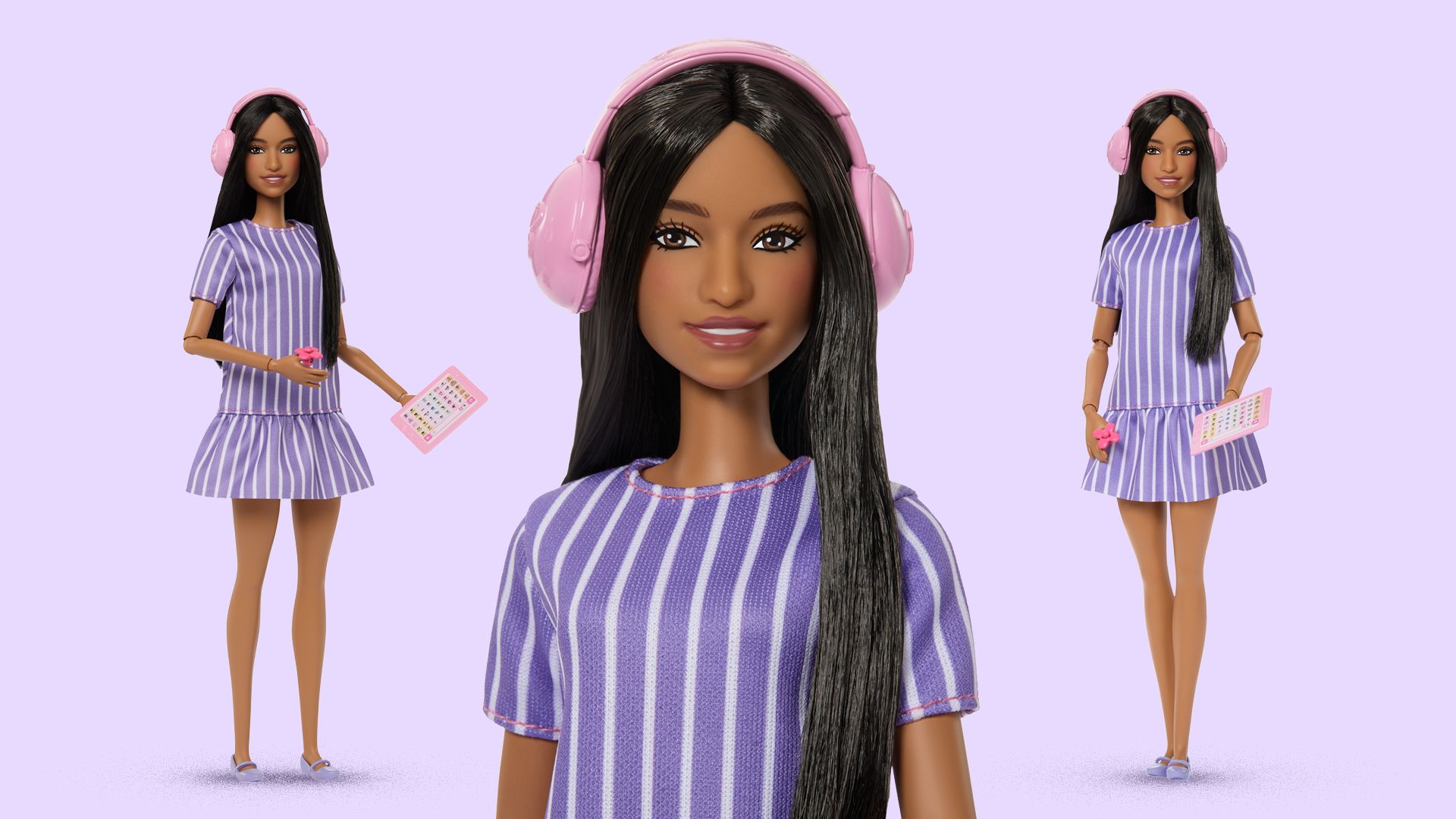
Mattel said its first-ever autistic Barbie doll will be available at participating retailers starting Jan. 12. Photos: Courtesy of Mattel
Barbie is launching its first autistic doll, developed with the autism community and designed to reflect sensory and communication differences.
Why it matters: Toy giant Mattel is doubling down on inclusion as a growth strategy, using Barbie to reflect a wider range of real-world experiences — and keep the legacy brand relevant with modern parents.
Driving the news: The autistic Barbie doll went on sale Monday with a suggested retail price of $11.87. It's for sale at Target, Walmart and Amazon.
- There will be a "larger rollout on Walmart shelves nationwide in March," Mattel said.
Zoom in: The doll was developed over more than 18 months in partnership with the Autistic Self Advocacy Network (ASAN), a nonprofit run by and for autistic people, Mattel said.
- The company said the doll's design features include articulated elbows and wrists to allow for stimming movements, a slightly averted eye gaze, sensory-sensitive clothing, and accessories like a fidget spinner and noise-canceling headphones.
Zoom out: For decades, Mattel faced criticism that Barbie promoted a narrow, unrealistic ideal.
- The company has since used the Fashionistas line as its primary vehicle for representation, introducing dolls with Down syndrome, hearing aids, prosthetic limbs, wheelchairs, blindness and type 1 diabetes.
- Mattel says the Fashionistas collection now includes more than 175 Barbie looks across body types, skin tones, hair textures and disabilities.
What they're saying: Jamie Cygielman, Mattel's global head of dolls, said the doll "helps expand what inclusion looks like in the toy aisle and beyond because every child deserves to see themselves in Barbie."
- "It is so important for young autistic people to see authentic, joyful representations of themselves, and that's exactly what this doll is," said Colin Killick, ASAN executive director, in a statement.
The bottom line: This isn't a one-off release — it's part of how Mattel is reshaping Barbie to stay culturally relevant, competitive at retail and aligned with how families expect brands to behave.
More from Axios:
- Discount grocer Aldi to open more than 180 stores in 2026
- Walmart expands AI-powered shopping with Google Gemini
- Google, Shopify and retailers push AI shopping standard
Editor's note: This story was updated to note that the Barbie was for sale on Amazon as of 3pm ET Monday. Earlier in the day, Amazon's site said the doll was "currently unavailable."
