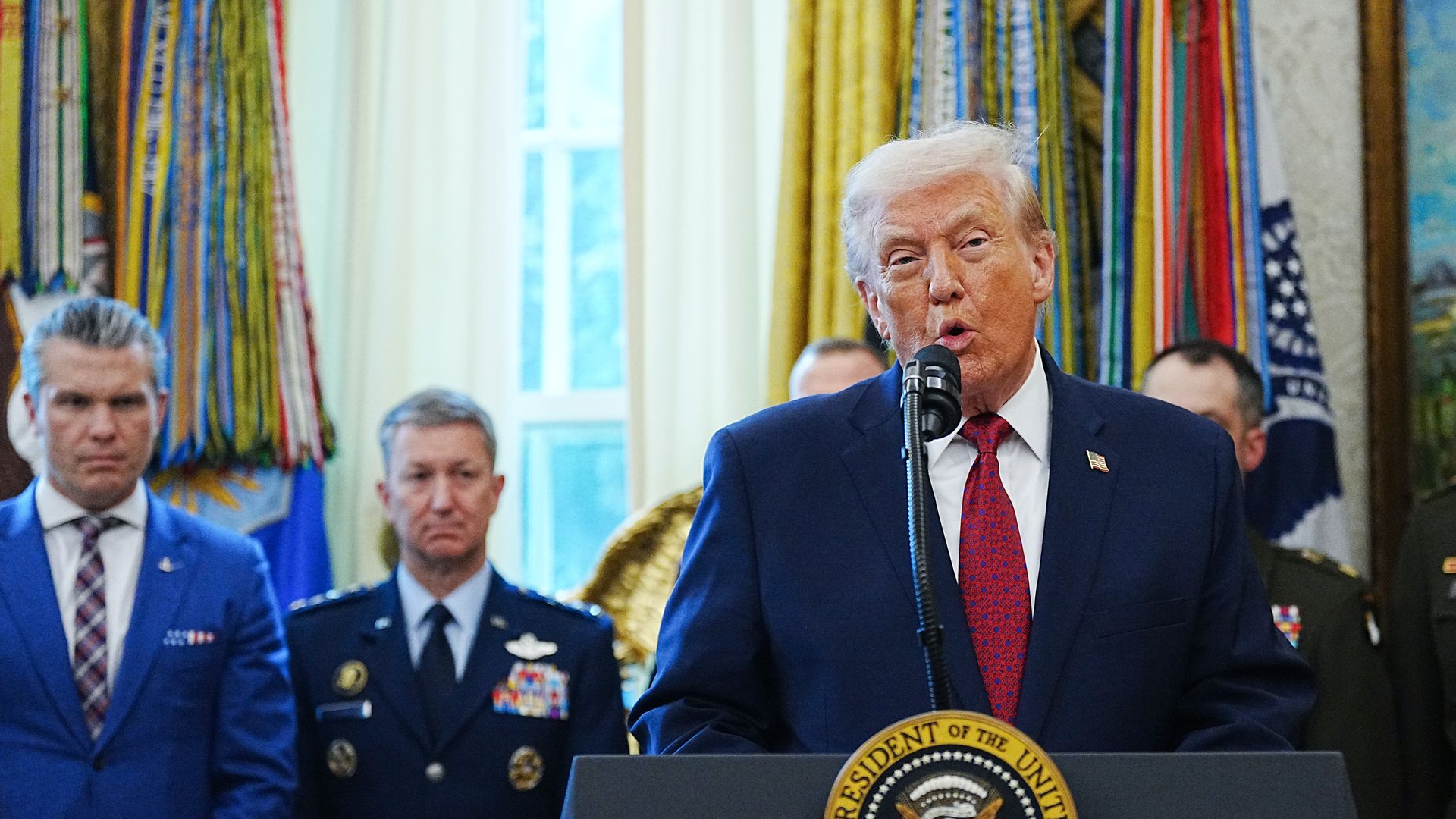
President Trump signed an executive order on Monday declaring illicit fentanyl a weapon of mass destruction.
The big picture: The order, which classifies the narcotic as a chemical weapon, authorizes several Trump administration departments and agencies to "eliminate" the threat of "illicit" fentanyl and its precursors.
The Food and Drug Administration sent Walmart, Target, Kroger and Albertsons warning letters last week for continuing to sell recalled baby formula after being instructed to remove it from their shelves.
Why it matters: The multi-state botulism outbreak has not only infected at least 51 infants, but it has also exposed the clear pitfalls of the FDA not requiring formula companies to test products for the bacteria that cause the illness.
Local leaders in cities around the country are navigating tight budgets, shifting politics and growing community needs — but they're still delivering real results for residents, according to a new report from CityHealth.
CityHealth's 2025 Policy Assessment shows how cities are implementing practical, proven policies — from green space to renter protection — to build healthier, stronger communities where people can thrive.
The House is teeing up a series of health care votes this week as Democrats face a choice on their willingness to back anything but a straight extension of enhanced Affordable Care Act subsidies.
Why it matters: The question is whether Democrats will ally with a handful of vulnerable Republicans and force a vote on a compromise subsidy plan that GOP leaders have no intention of letting become law.
In a year dominated by vaccine policy, Medicaid and the Affordable Care Act, the Trump administration has set in motion other policy changes that are still in the works and could influence billions of dollars in health spending.
Why it matters: This year's generational debates over costs and coverage have overshadowed dozens of other efforts to reshape existing health programs or flesh out the details of new initiatives in drug pricing, rural health and other areas.
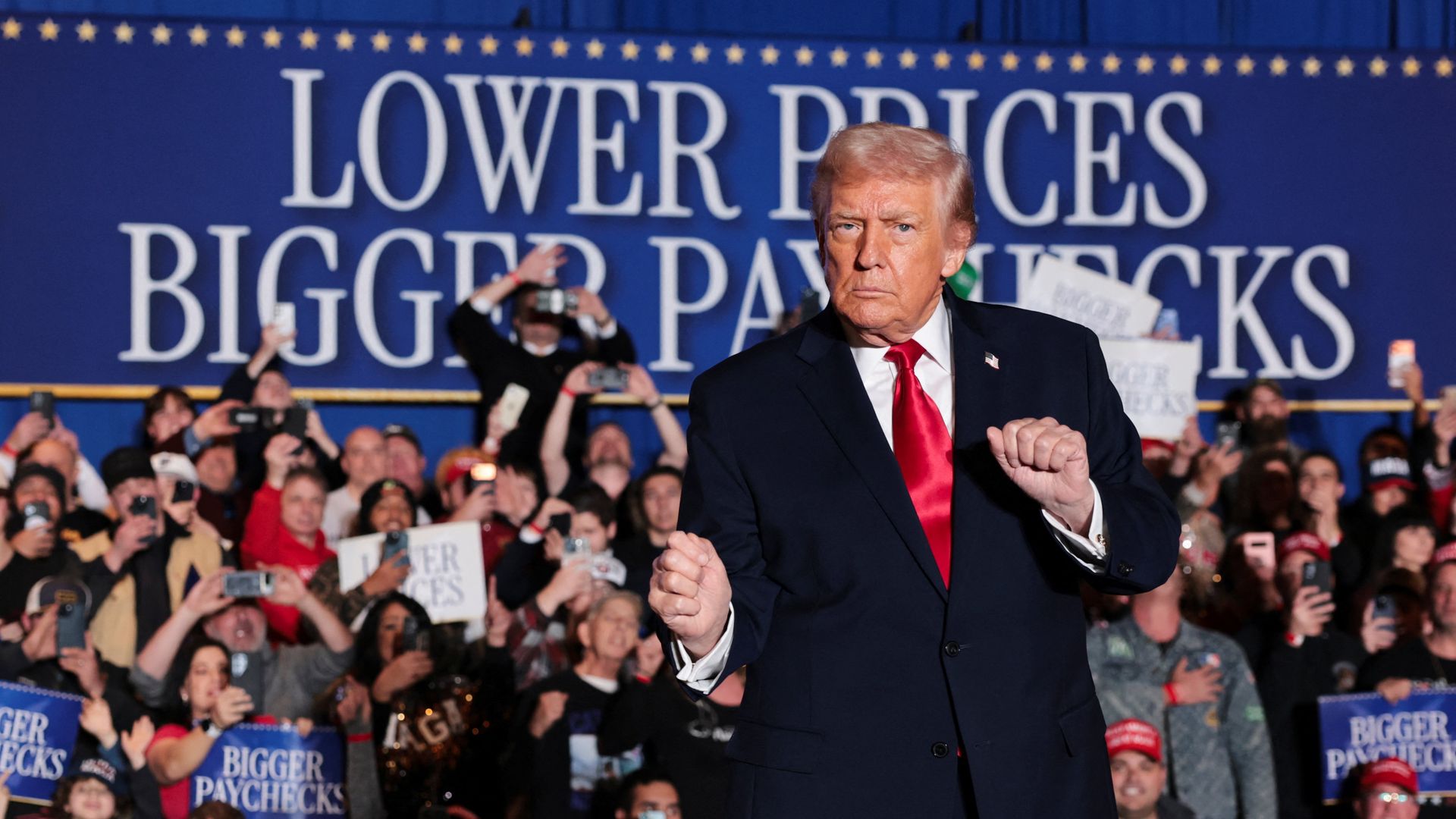
President Trump and his advisers have an almost messianic belief the economy will take off in the first quarter of next year, based largely on stimulus from the "One Big Beautiful Bill" he signed in July.
For the White House, it's an article of faith.
Why it matters: Trump's bullish belief is key to understanding why he's so reluctant to say there's an "affordability crisis." He calls that talk a "hoax" and a "con job," advisers say, because the problem didn't start under him and the economy is growing steadily.
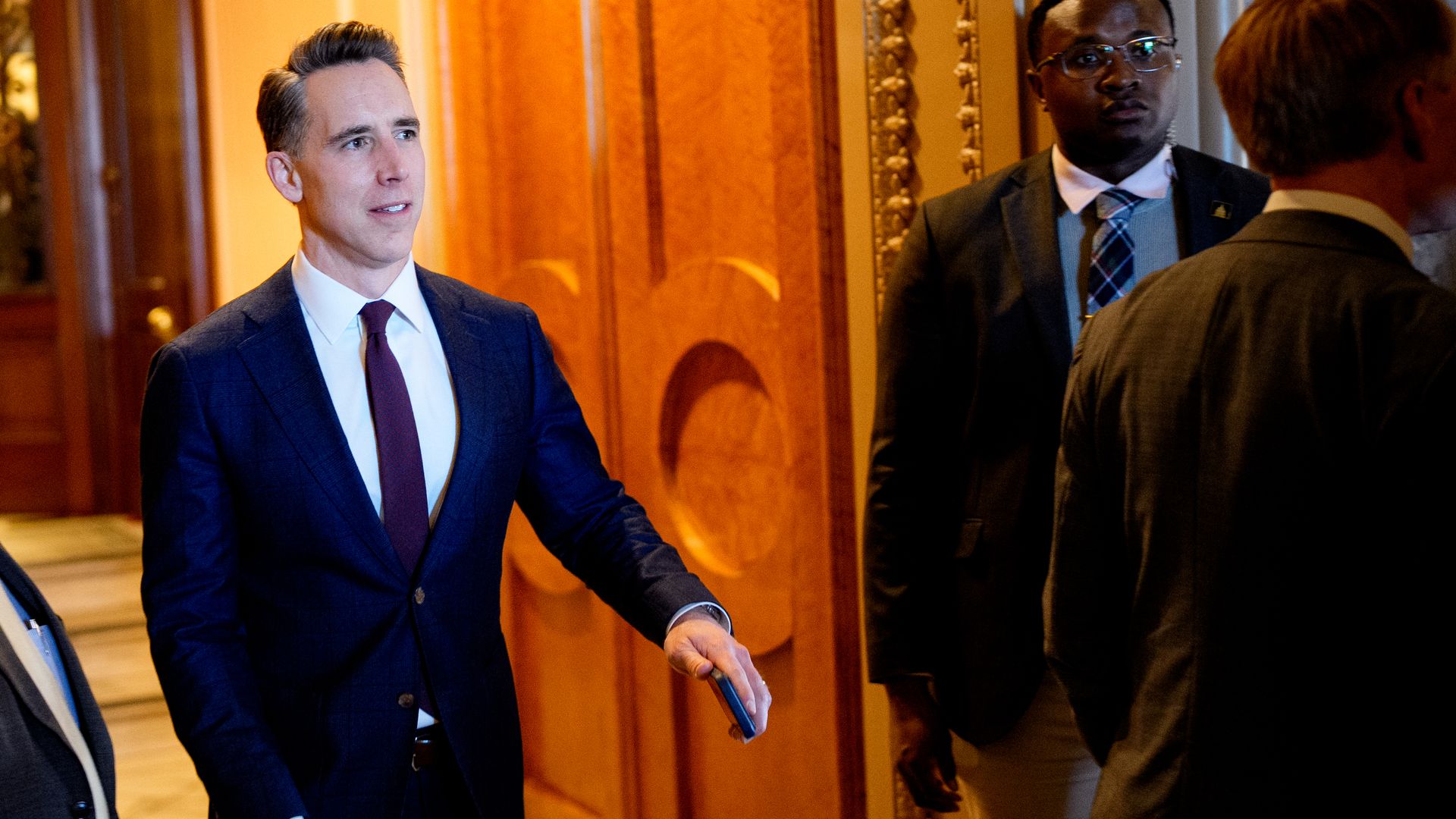
President Trump's advisers are furious with Sen. Josh Hawley (R-Mo.) for starting an anti-abortion group to spur new action on the issue, which the White House views as a loser for Republicans in next year's midterms.
"Clearly, Senator Hawley and his political team learned nothing from the 2022 elections, when the SCOTUS abortion ruling [overturning Roe v. Wade] resuscitated the Democrats in the midterms," a close Trump adviser told Axios.
Why it matters: Trump's lieutenants believe the move by Hawley — a vocal populist who speaks up for the working class — is part of a plan to position himself to challenge Vice President Vance for the presidency in 2028.
Gavin Newsom's Democratic rivals are plotting how to take down the early 2028 frontrunner, with a heavy emphasis on how unpopular his left-leaning views are outside deep-blue California.
Driving the news: Our conversations with more than 20 Democratic operatives, including several working for 2028 hopefuls, reveal that they see the California governor as the guy to beat — and a guy with a lot of personal baggage that's exploitable for a presidential primary.
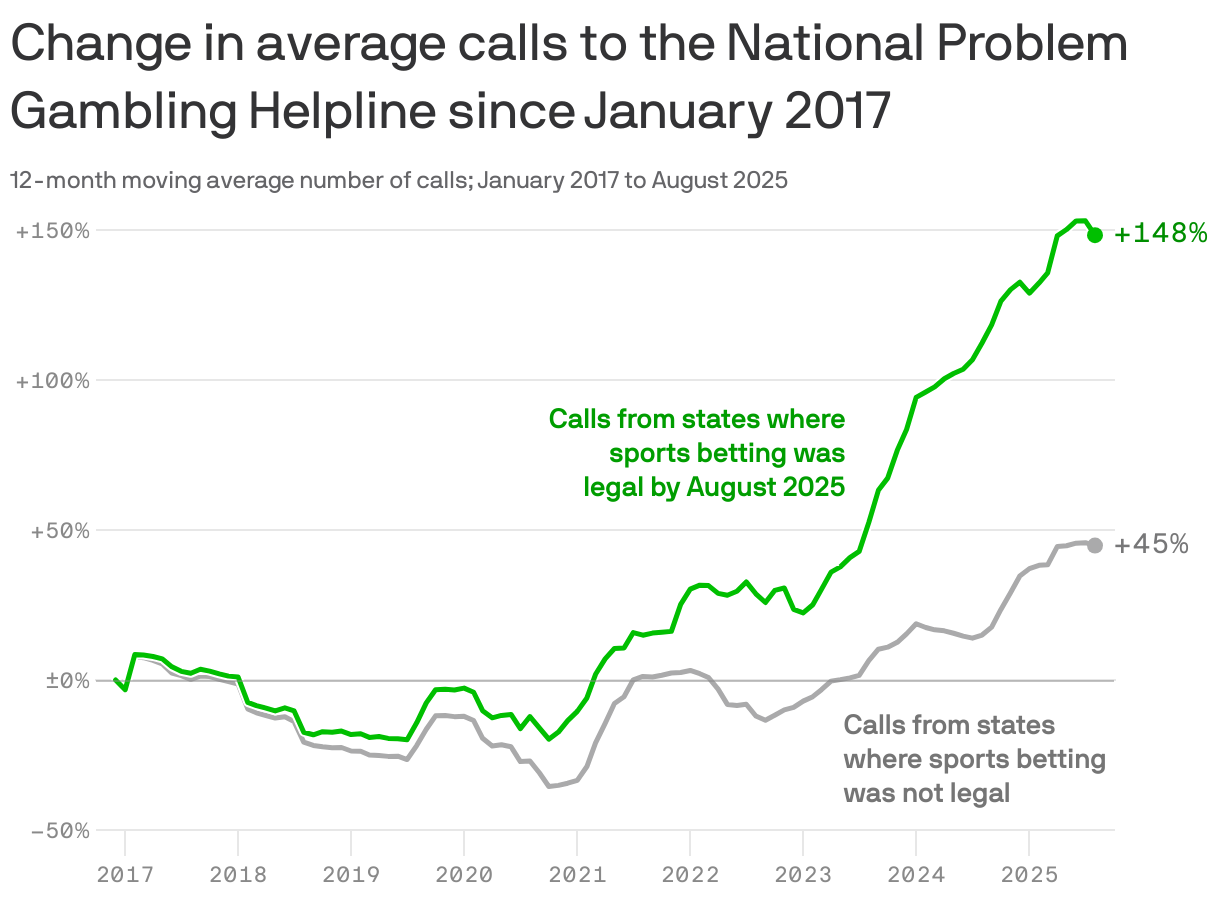
Data: National Council on Problem Gambling and the Economist. Chart: Axios Visuals
Two charts are going up and to the right at the same time: States are raking in tax revenue from sports betting and online casinos, and calls to the National Problem Gambling Helpline are on the rise.
Why it matters: The data points to a troubling trend — America’s gambling boom is driving more people into financial and emotional distress, with young men at the epicenter. But the industry continues to expand at breakneck speed, powered by aggressive marketing, state budget incentives and AI.