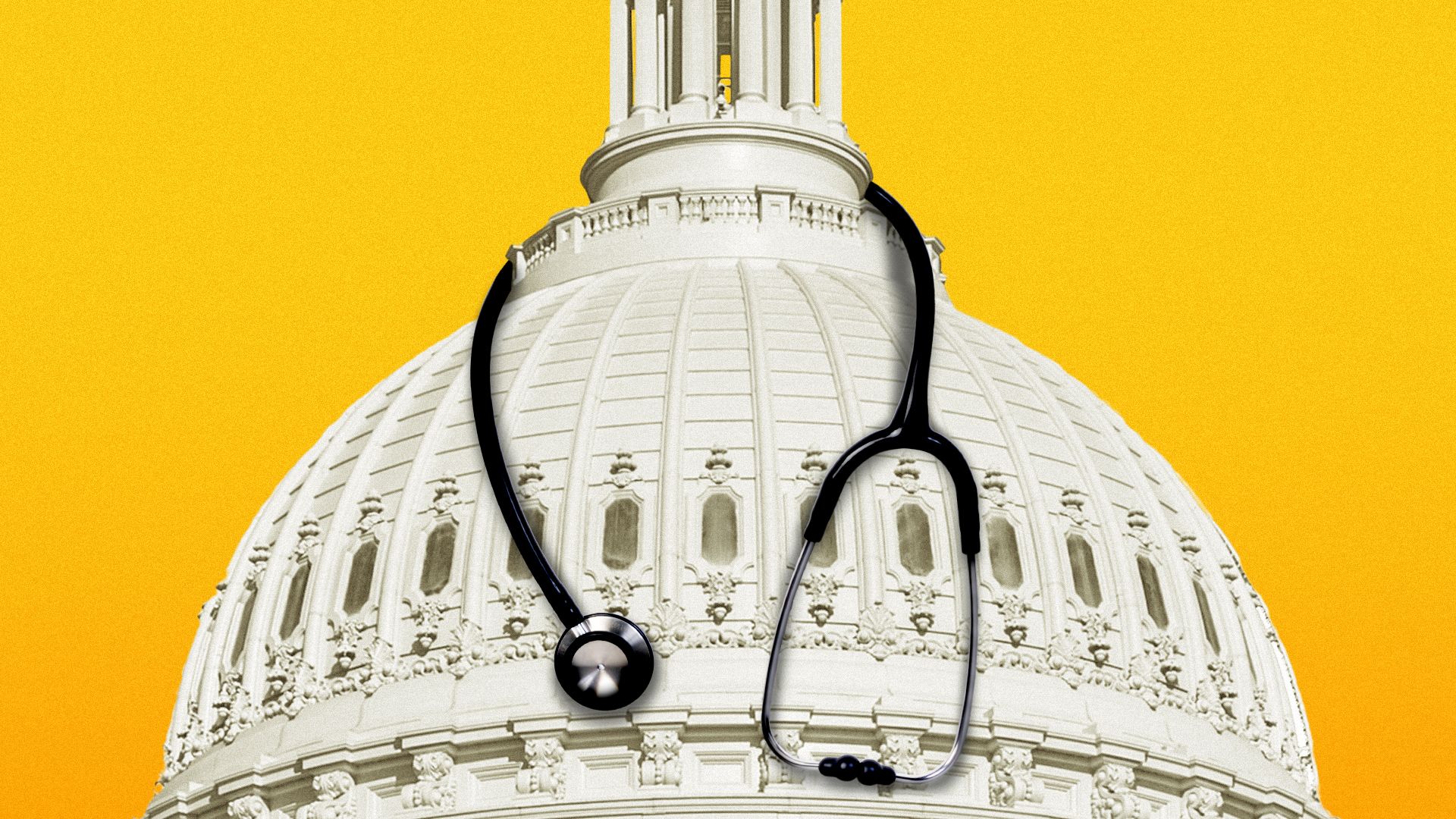
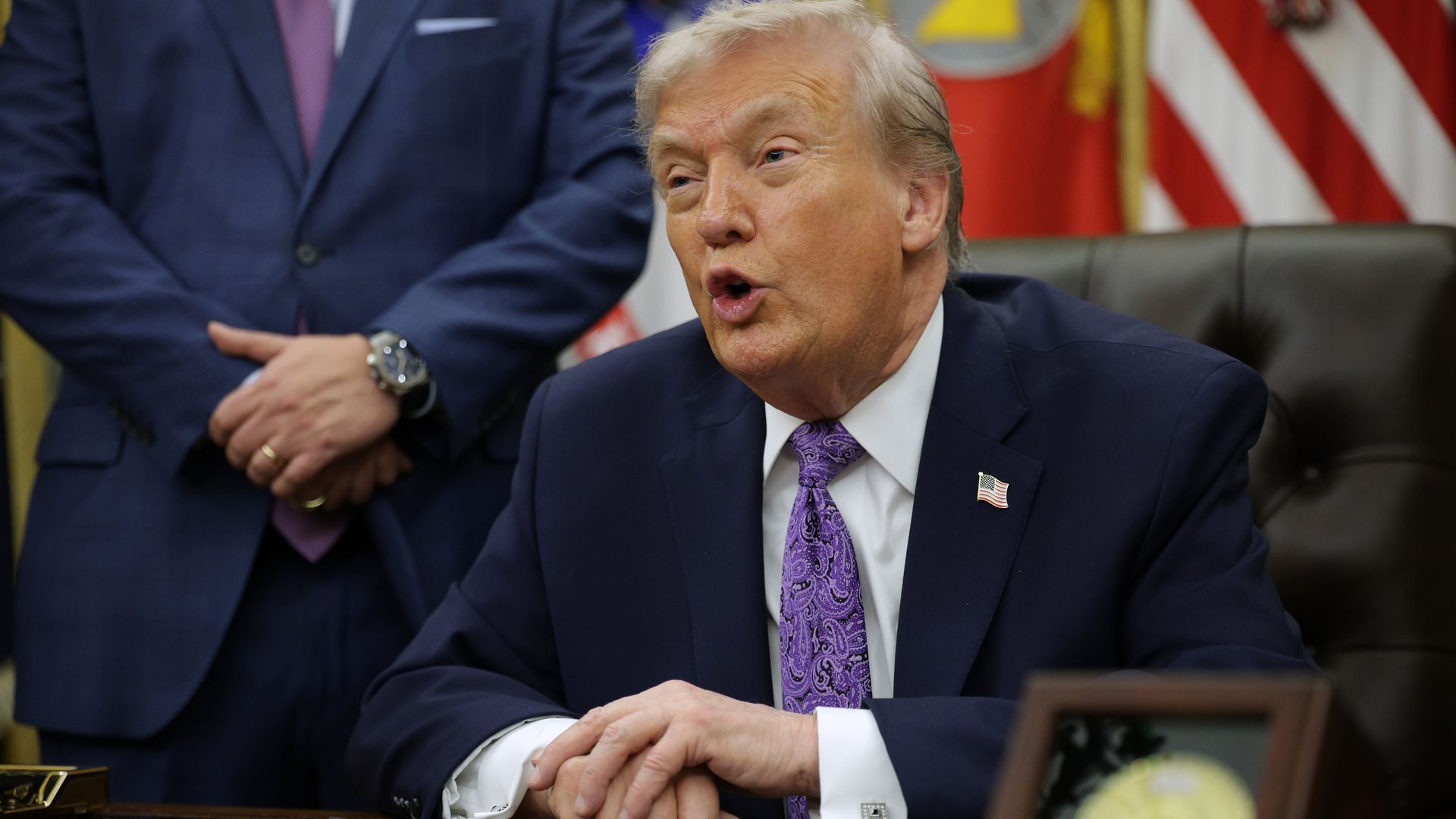
While President Trump demands a single national framework on AI policy, states are going their own way with hundreds of proposals aimed at setting guardrails for how the technology is used in health care.
Why it matters: That could set up a clash over who determines how AI models and systems can be deployed in insurer reviews, mental health treatment and chatbots that interact with patients.
Who even needs an office bestie anymore? Professionals are increasingly turning to chatbots, instead of humans, for mentorship, advice, chitchat and brainstorming.
Why it matters: The rise of remote work radically shifted how people interact. Now AI, while increasing productivity, is pushing that disruption further.
House Republicans unveiled details of their health care plan Friday ahead of planned votes next week.
Why it matters: The plan does not include an extension of enhanced Affordable Care Act subsidies. Instead, there are other GOP ideas aimed at lowering health care costs.
House GOP leadership aides said they also expect a vote on an amendment to extend the ACA subsidies in some form.
While the details are still being worked out, the ACA extension is unlikely to pass, since Democrats are still pushing for a "clean" extension, not one with GOP-backed reforms attached.
Many Republicans oppose any kind of subsidy extension.
What's inside: The underlying GOP plan includes a measure to expand association health plans, which allow employers to band together to purchase coverage.
Another provision would impose new transparency measures on pharmacy benefit managers, aimed at lowering drug costs.
The plan also funds ACA cost-sharing reduction payments, which would lower overall premiums in ACA markets but also have the effect of cutting the subsidies that some enrollees receive.
The plan also includes a GOP measure aimed at easing the ability for small businesses to purchase health coverage.
Between the lines: House Republicans did not include a Senate GOP plan that would have provided $1,000 to $1,500 in health savings accounts, as an alternative to a subsidy extension.
GOP aides said further health proposals could get House votes early next year.
The big picture: Even if House Republicans muster enough votes to advance a plan, it is likely to die in the Senate, where proposals would need 60 votes and Democratic buy-in.
Democrats still insist a subsidy extension is the answer to avert a steep rise in out-of-pocket premiums for millions of ACA enrollees in the new year.
House Republicans argue that their plan would also help people outside of the ACA markets who get insurance through employers.
The bottom line: The ACA subsidies are still likely to expire at the end of the year, but the votes will give House Republicans a chance to say they did put forward their own health care plan.
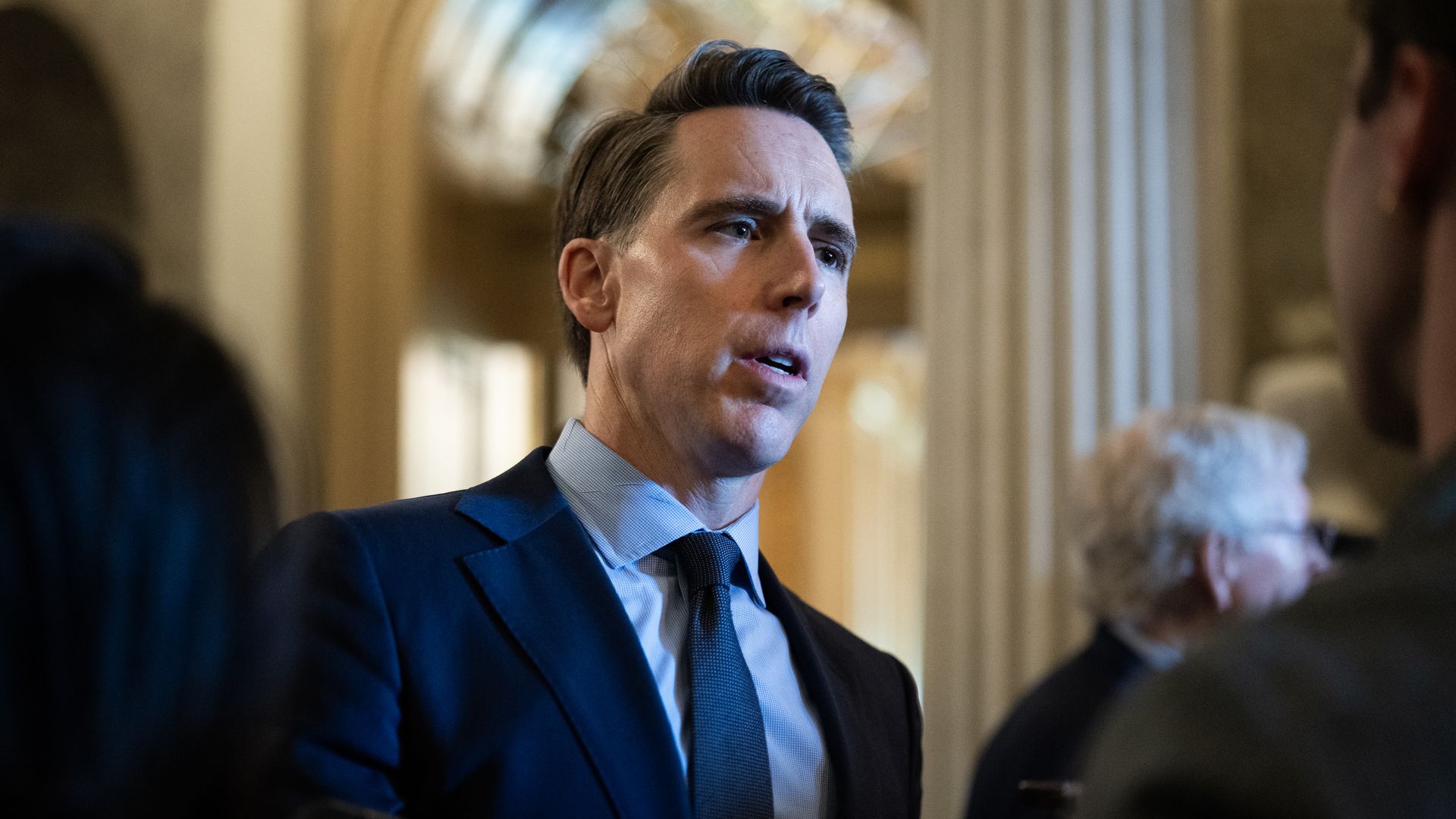
Sen. Josh Hawley (R-Mo.) and his wife, Erin Hawley, are launching a new dark money group to shine a spotlight on anti-abortion rights ballot measures and policies that benefit families.
Why it matters: After Roe vs. Wade was overturned in 2022, the Republican establishment quietly moved on from abortion rights politics. The Hawleys want to revive the issue.
A dangerous and highly contagious measles outbreak that began in October has ignited a fierce new round of cases across South Carolina, and there's no immediate end in sight.
Why it matters: Over 100 people have been infected and hundreds more quarantined in the recent S.C. outbreak, which follows a wave of widespread measles cases nationwide.