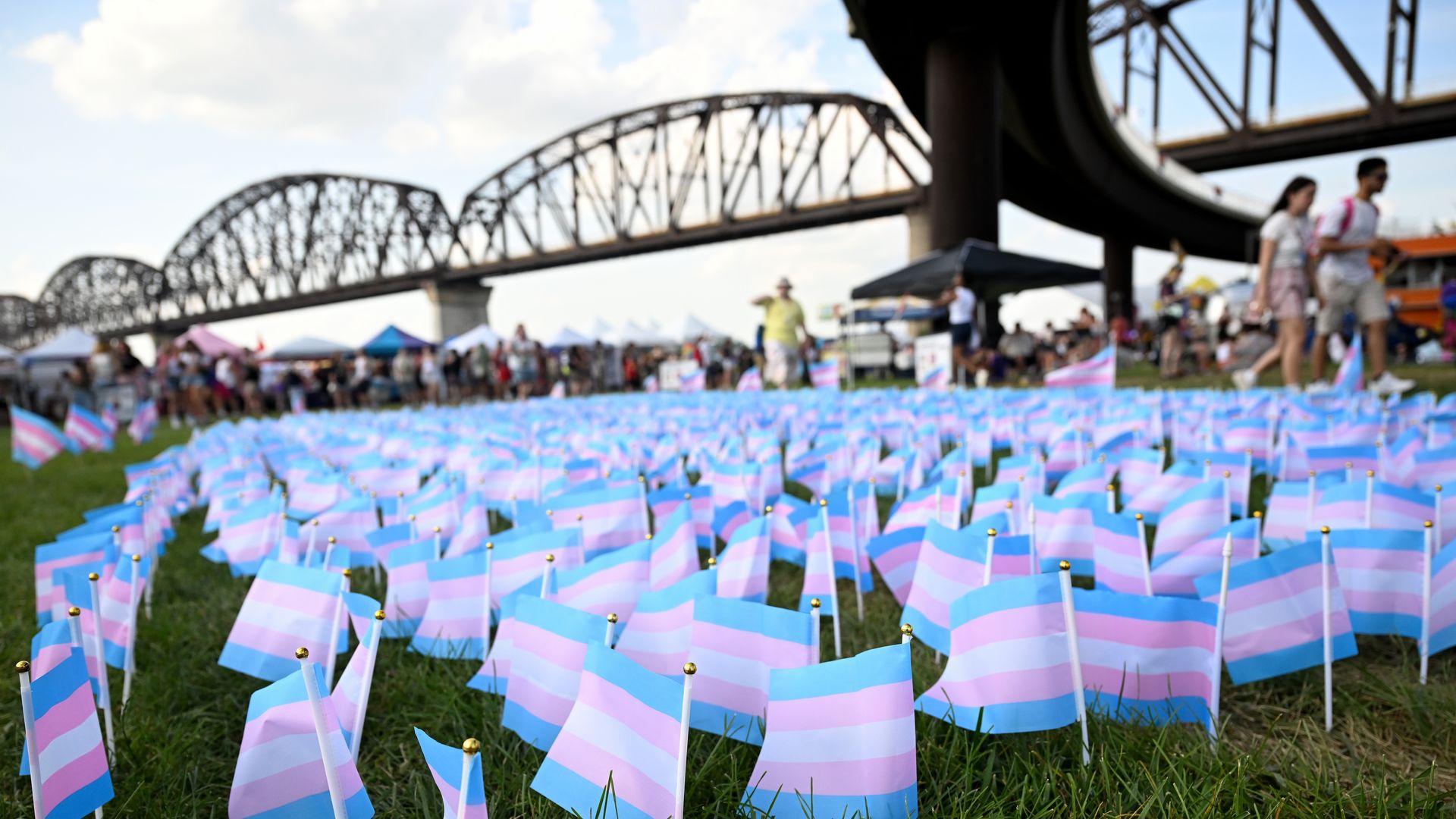
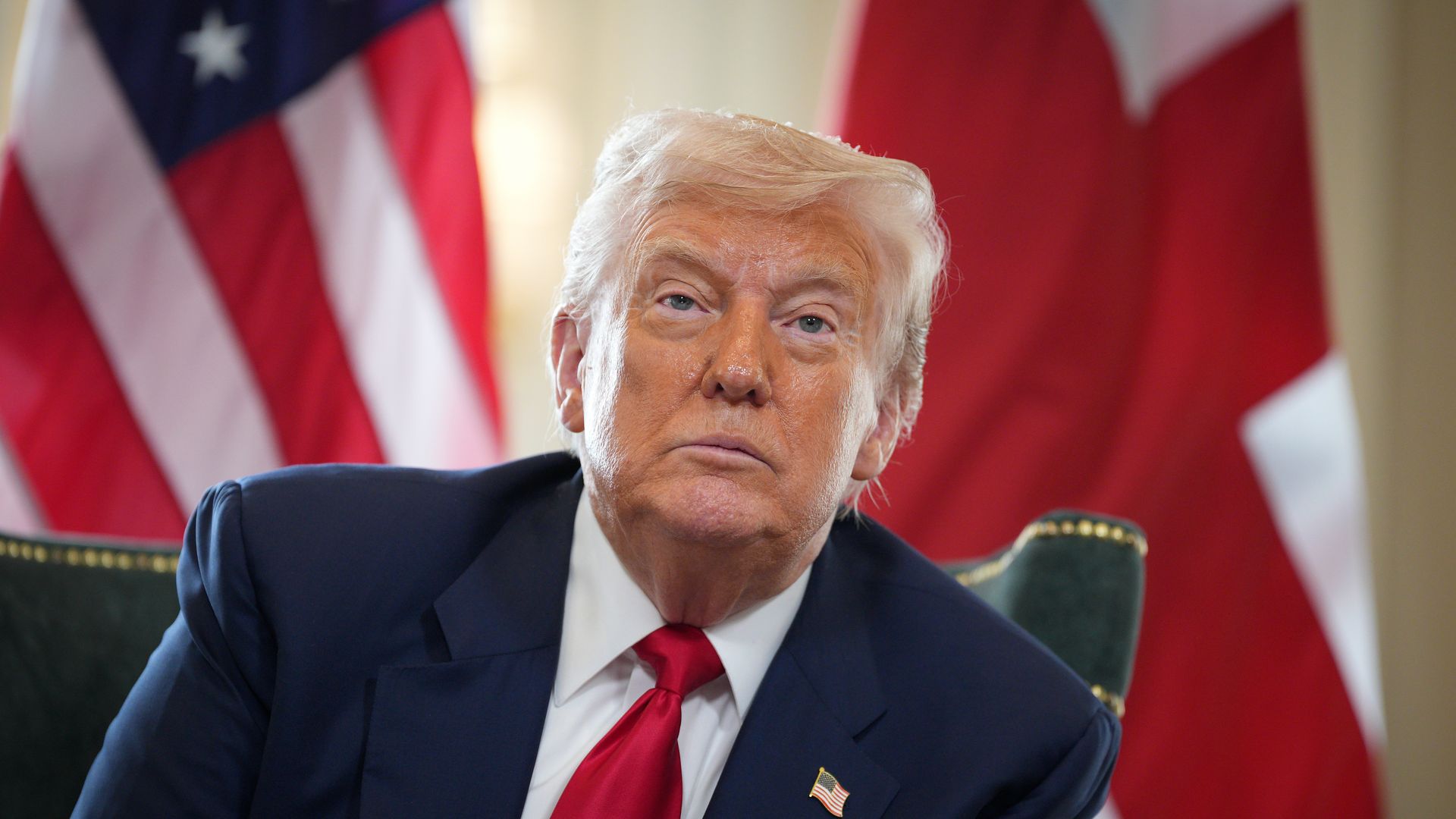
Trump health officials are considering a policy that would limit hospitals' ability to participate in Medicare and Medicaid if they perform gender-affirming medical procedures for transgender youth.
The big picture: Hospitals are highly dependent on payment from public health insurance.
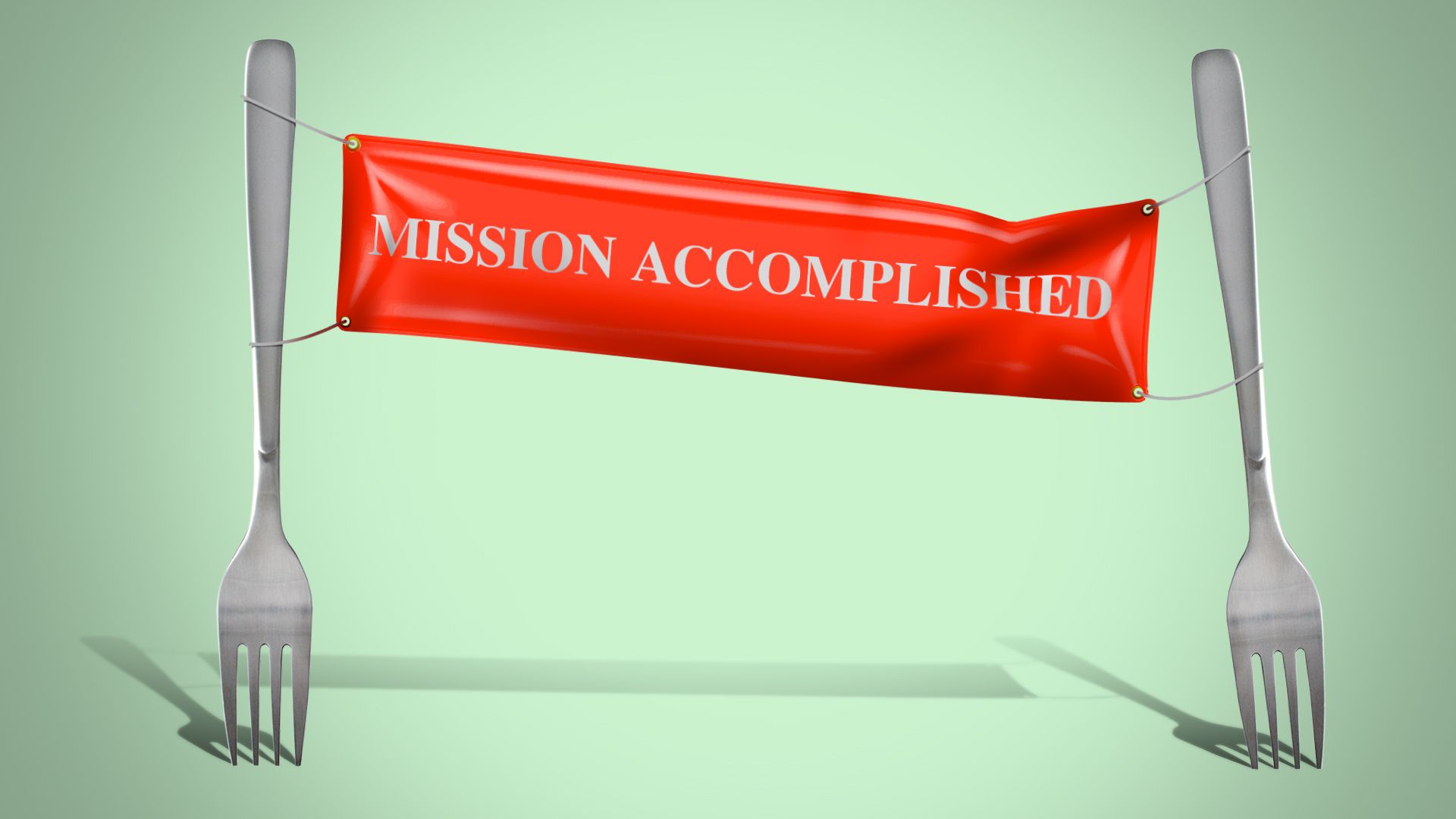
Coca-Cola, Steak 'n Shake, Mars and other food companies earned valuable exposure for pledging to remove certain ingredients and align themselves with Health Secretary Robert F. Kennedy Jr.'s bid to clean up what America eats.
But some of Kennedy's "Make America Healthy Again" base question if the companies deserve a celebration.
American adults and kids over age 1 got more than half of their daily calories from ultra-processed foods like hamburgers, pizza and sweetened drinks between 2021 and 2023, according to new data from the Centers for Disease Control and Prevention.
Why it matters: Health Secretary Robert F. Kennedy Jr. has made cleaning up the U.S. diet a priority, though critics say he's mostly extracted pledges from companies to swap out single ingredients, which won't make much difference in health.
Americans are increasingly turning to pottery as they seek to build community and connection away from their screens.
The big picture: Throwing pottery on a wheel is a calming and therapeutic activity that's also challenging. It takes some logic and creativity, but is accessible to people who don't think of themselves as artsy.
There's no question that breast milk is the gold standard for infant nutrition, but the pressure to exclusively breastfeed can be crushing for new mothers.
Why it matters: Pediatric nutrition experts are clear that infant formula is safe, and it's essential if breastfeeding comes at the health expense of the mom.
U.S. adults' stance on corporate activism has flip-flopped, according to a Wednesday Bentley University-Gallup report.
Why it matters: After years of decline in support, more Americans across demographics and political affiliations want businesses to take a public stance on hot-button topics including free speech, immigration policy, diversity, climate change and health care issues.
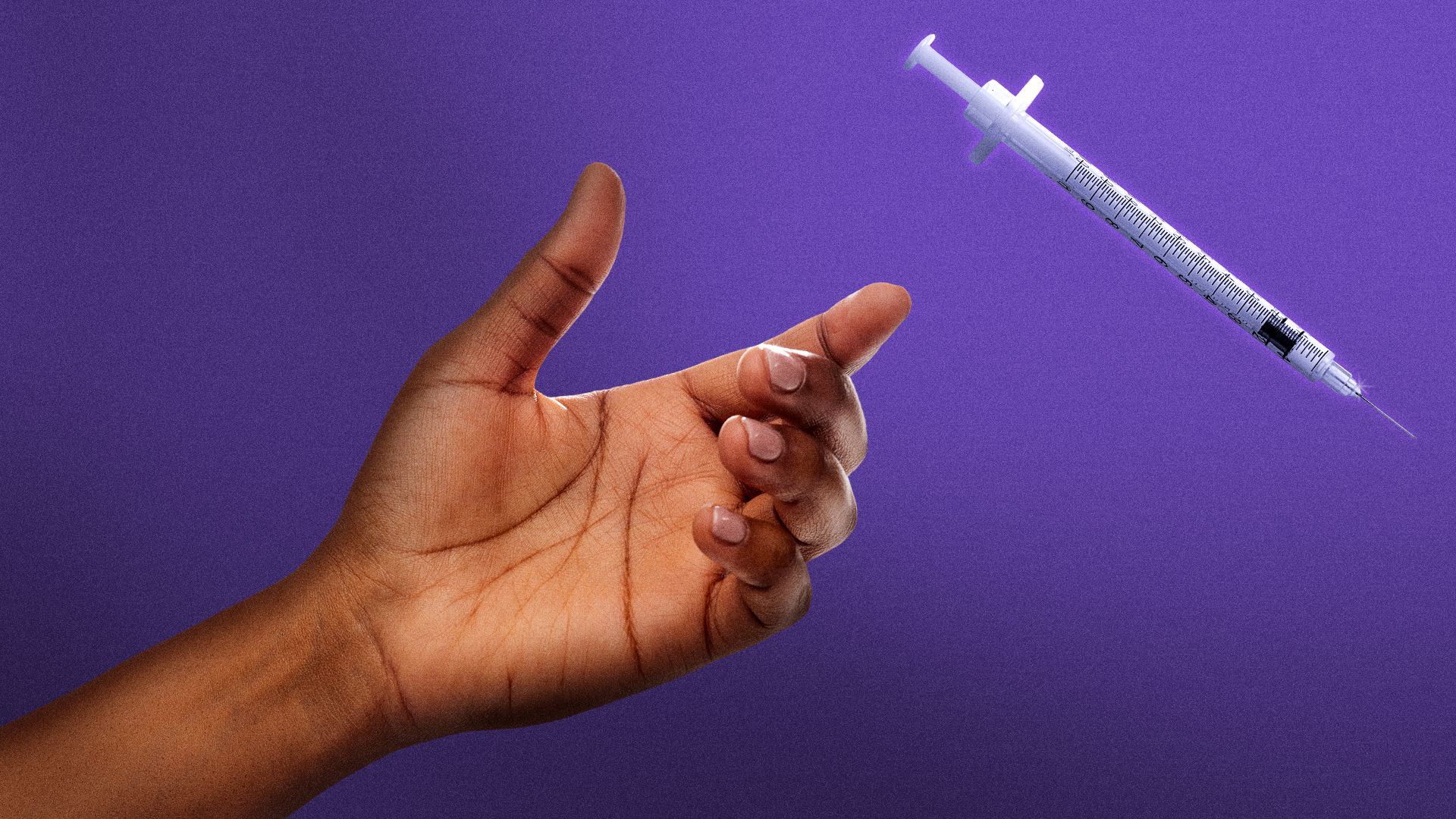
The Trump administration is decreasing funding for the development of mRNA (messenger RNA) vaccines, which were crucial in the response to COVID-19.
Why it matters: mRNA vaccines are a public health tool to mitigating future pandemic-like situations, as researchers can move fast at a lower cost than other vaccine systems.
Almost 3 in 4 Americans support government public awareness campaigns to discourage smoking and efforts to track the effectiveness of the messages, according to an Ipsos poll.
Why it matters: This spring's sweeping layoffs at Health and Human Services eliminated the Centers for Disease Control and Prevention's Office on Smoking and Health, which was behind the "Tips From Former Smokers" ad campaign that's been credited with reducing premature deaths and the cost of treating smoking-related illness.
President Trump plans to levy a stepwise series of pharmaceutical tariffs that could reach 150% within a year and a half, then rise to 250%, he said in a wide-ranging interview on CNBC Tuesday.
Why it matters: It's the highest tariff rate the president has threatened the industry with to date while he also presses major manufacturers to commit to a "most-favored nation" pricing policy.
Concerns over Americans turning to AI chatbots to solve mental health problems are prompting new guardrails so people don't become too dependent on unvetted technology.
Why it matters: AI's booming popularity, the bots' reputation for delivering emotionally validating responses and a shortage of therapists are making more people turn to chatbot companions to talk through their problems.
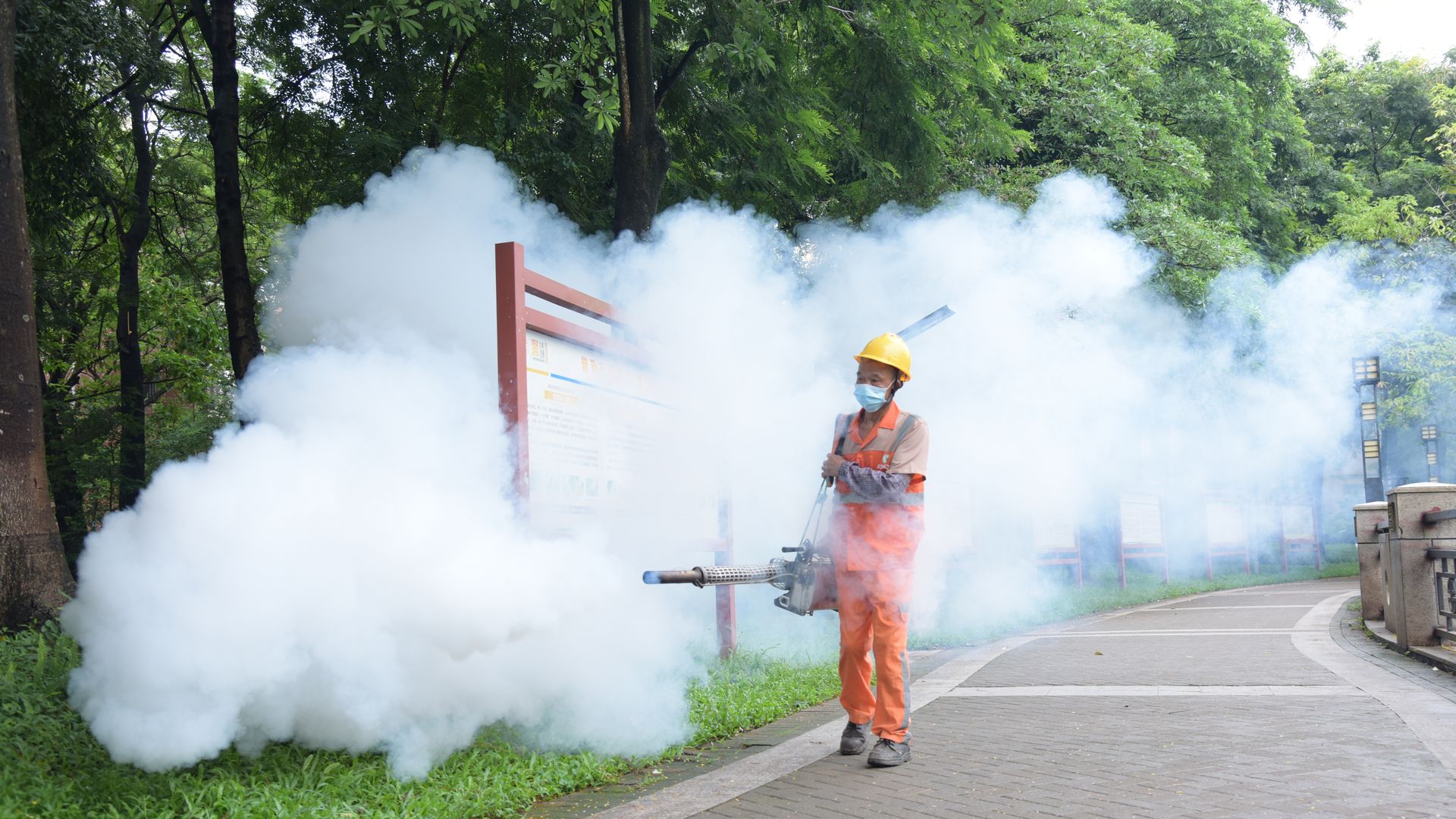
Chikungunya virus outbreaks have prompted the CDC to issue travel alerts warning U.S. travelers of an "elevated risk" of exposure to the mosquito-borne illness in China and several other countries.
The big picture: Some 240,000 chikungunya cases have been reported in parts of Central and South America, Africa, the Indian Ocean region and Asia this year, including 90 deaths. Officials in Guangdong province, South China, have confirmed at least 7,000 illnesses since June.
I got attacked by a psychotic hornet this weekend, and my arm, neck and earlobe look ready to burst.
The backstory: I have, for as long as I can remember, been unusually comfortable with death. (I've got some funny stories about this). What I am not comfortable with — as you may remember from the last Finish Line column I wrote — is the idea of dying in a weird or embarrassing way.
Why it matters: Straws already broke the camel's backin July. "Death by hornet" would just be kicking the camel while it's down.