Food companies make promises while MAHA looks for more

Add Axios as your preferred source to
see more of our stories on Google.
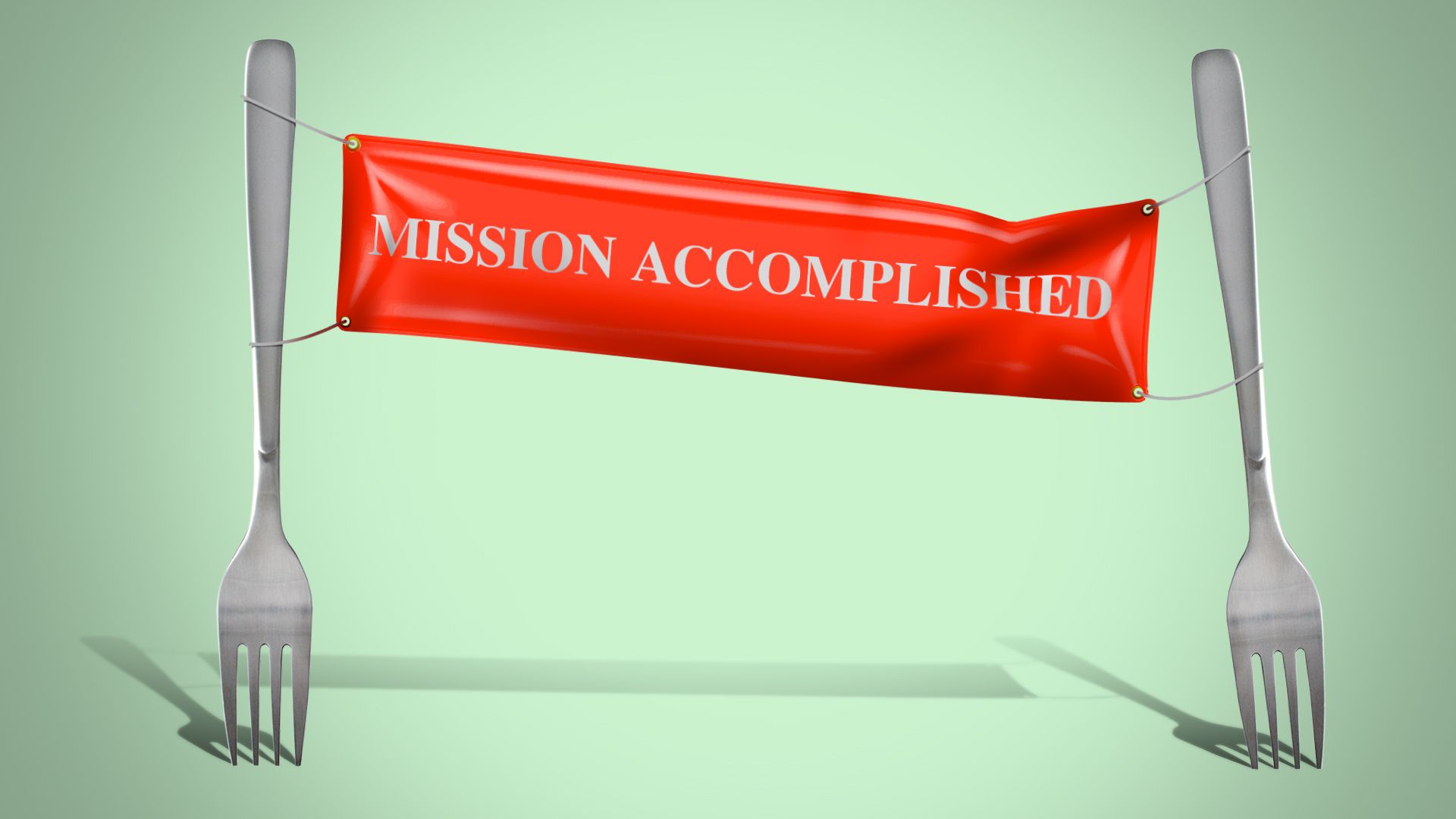
Illustration: Aïda Amer/Axios
Coca-Cola, Steak 'n Shake, Mars and other food companies earned valuable exposure for pledging to remove certain ingredients and align themselves with Health Secretary Robert F. Kennedy Jr.'s bid to clean up what America eats.
- But some of Kennedy's "Make America Healthy Again" base question if the companies deserve a celebration.
Why it matters: The commitments aren't enforceable. And nutritionists and influencers say they largely don't address the primary drivers of chronic diseases that Kennedy has made his cause.
State of play: Companies including General Mills, PepsiCo, Conagra, Nestle, Hershey and Kraft Heinz have said they'll remove artificial dyes from their products within the next two years.
- Coca-Cola pledged to roll out a product that uses cane sugar instead of high-fructose corn syrup. Starbucks is looking to remove canola oil from products on its menu.
- Steak 'n Shake was among the earliest to get on board, agreeing to cook its fries in beef tallow instead of seed oils.
"Secretary Kennedy has consistently emphasized that the Department's top priority is ensuring the health and transparency that American families deserve," a Health and Human Services spokesperson said in an email to Axios. "Recent food industry commitments to remove artificial dyes, seed oils, and high fructose corn syrup are a positive step."
Some MAHA faithful question whether the resulting fanfare amounts to a free pass, akin to a dubious healthy food claim.
- "They are not big MAHA wins," said Rob Houton, founder of the MAHA Coalition, an advocacy group that builds support for the MAHA agenda.
- "Those companies want to trumpet that, right? [It's] very clever of them to say, 'Oh, we're in agreement.' But what they are trumpeting as a big deal is not transformative."
- "The analogy I would make is it's like you have a dilapidated house, the foundation is crumbling and you think that you can correct everything by just putting a new coat of paint on it all," said Arden Anderson, a physician, agriculture consultant and MAHA supporter.
- As for the two-year window some companies have to make good on their commitments, "what I want to see is that they are doing it," said Ana-Maria Temple, a holistic pediatrician and an influencer aligned with MAHA.
Between the lines: Some activists say the most substantive changes would be in regulating agriculture — a touchy proposition for an administration eager not to alienate farm interests.
- MAHA discontent is building around the House Interior spending bill, which includes language that would offer liability protections for the makers of pesticides.
- There's also frustration with agencies like the Environmental Protection Agency, which removed regulations against pesticides and "forever chemicals."
- "We are extremely disappointed with some of the actions taken by this administration to protect the polluters and the pesticide companies," Zen Honeycutt, the founder of Moms Across America, told Vox.
What to watch: Kennedy is set to release a blueprint within days for how the administration intends to address issues raised in a MAHA Commission report that was released in May.
- Supporters say it will be a test of the administration's willingness to impose new standards on food ingredients, as well as transparency requirements about what's in their products.
- "Under the MAHA agenda, HHS supports real accountability and science-based standards to ensure that any promised changes are both transparent and truly meaningful for consumers," the HHS spokesperson said in the emailed statement.
The bottom line: These moves are creating awareness and pressure that the food industry has never had to respond to before, and that's important, Temple said.
- "Is it the final answer? Of course not," Temple said of the commitments the administration has extracted from industry. "More people are going to be asking questions. That's a huge win."
- "The small changes that have been made ... you might think, 'Well, that's not making that big of a difference,'" said Hilda Labrada Gore, a health coach, podcast host and MAHA supporter. "But it's a start."
