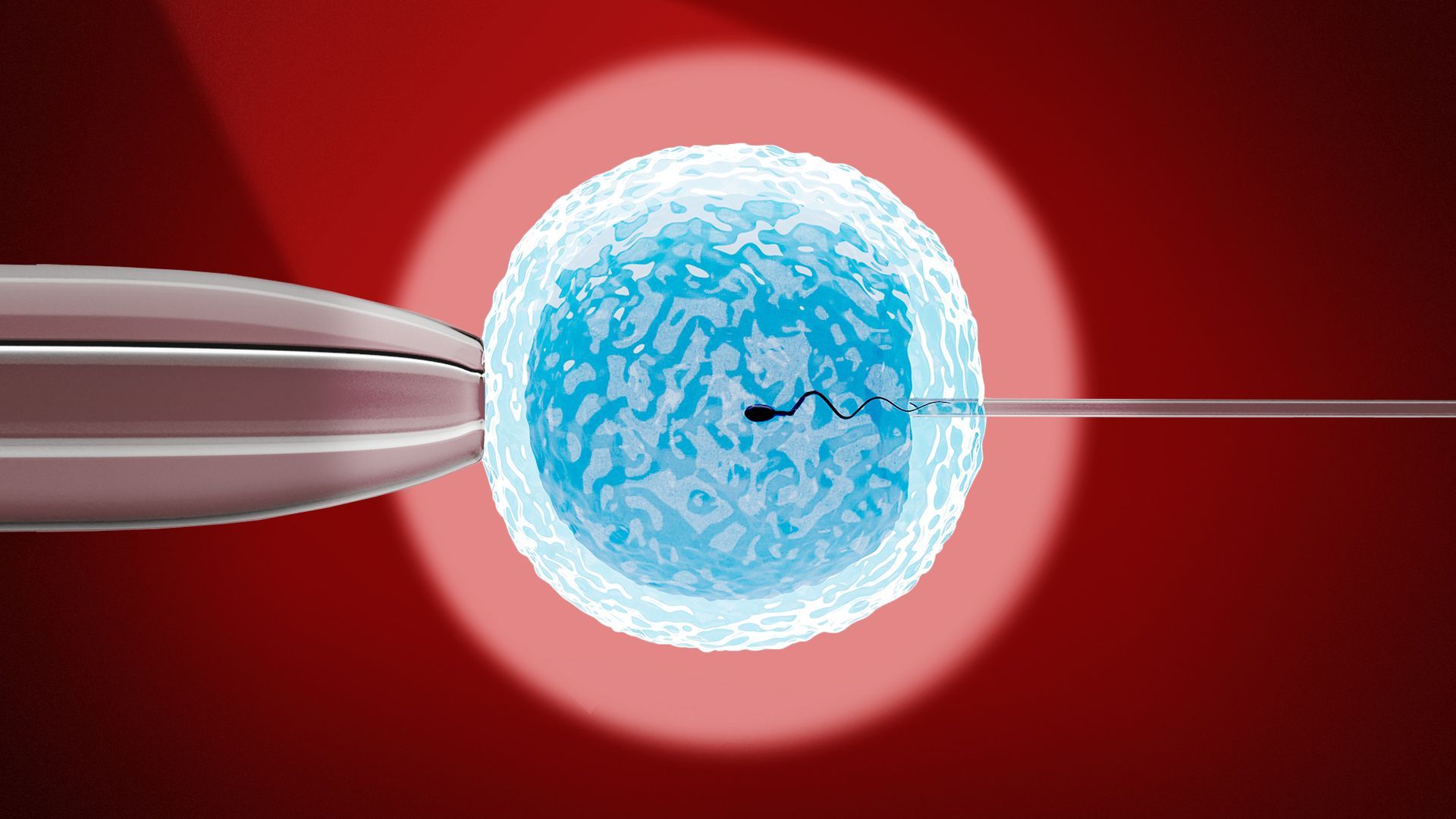
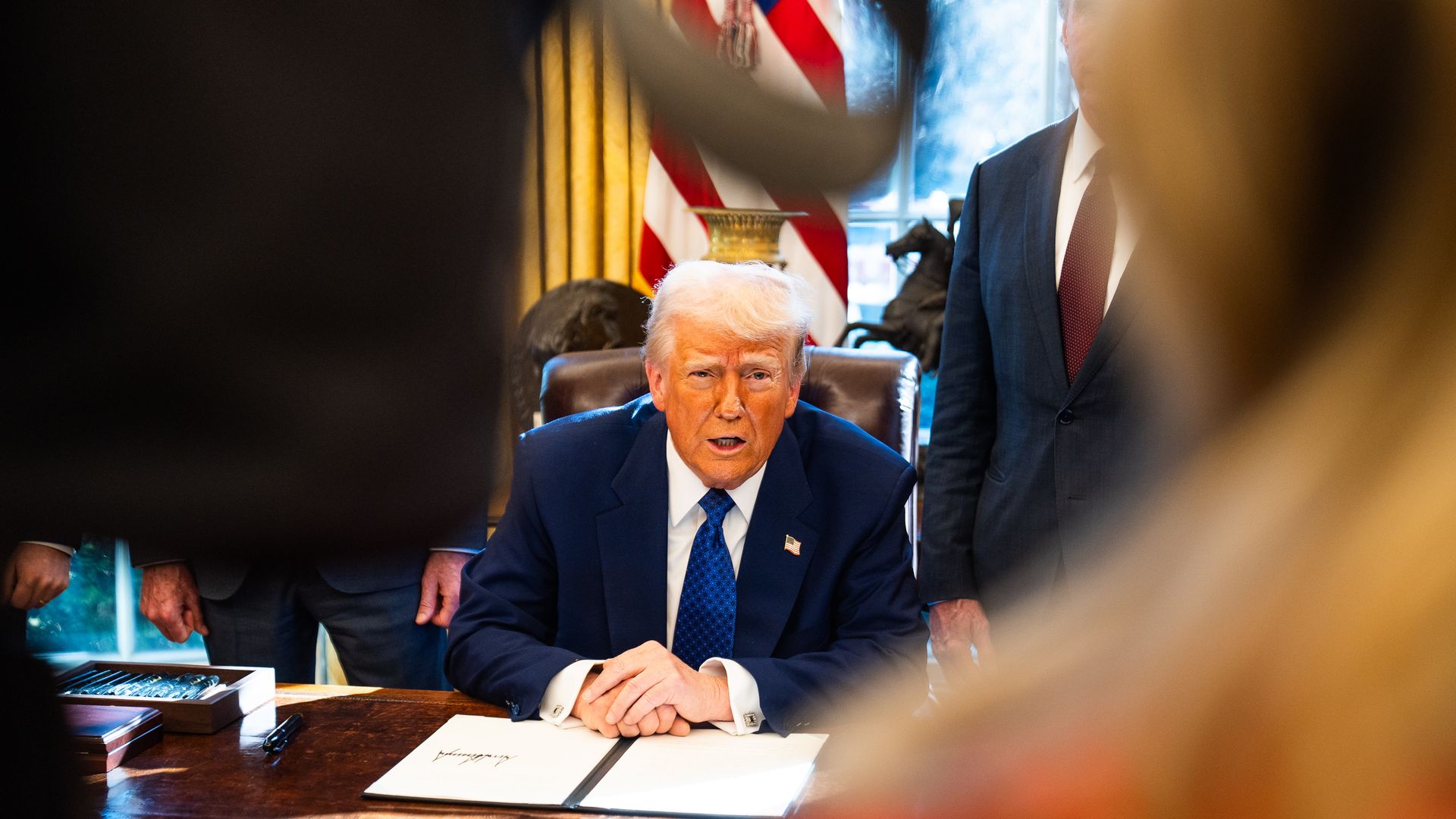
President Trump's executive order designedto expand access to invitro fertilization doesn't change U.S. law or policy and only begins to deliver on a campaign promise to make the treatment free or significantly cheaper.
Why it matters: The order shows the issue is still on the president's radar. It also could reopen a debate within his party over how expanding access to IVF squares with some anti-abortion advocates' beliefs.
President Trump's order to expand access to in vitro fertilization will test Republican solidarity on an issue that split GOP ranks in the run-up to the election.
Why it matters: IVF generally enjoys broad support among Americans, including many conservatives, but at times has been problematic for some in the anti-abortion movement, whoobject to the destruction of surplus embryos created through the process.
Trump on Tuesday ordered policy recommendations to reduce the costs for accessing the procedure, which can range from $12,000 to $25,000 per cycle.
The procedure is often not fully covered by insurance, with roughly a quarter of employers reporting coverage of IVF for their workers, according to the White House.
"Here's the paradox a lot of crusaders need to understand. Most of the people working in these institutions and agencies and organizations are competent, ethical and caring and idealistic. I think that's especially true at HHS."
— HHS Secretary Robert F. Kennedy Jr. to staff during a welcoming ceremony on Tuesday morning after a weekend of firings and uncertainty at the agency.
🧪 The government is reviewing proposals to end the program that ships free COVID-19 tests andconsidering destroying $500 million worth of stockpiled tests. (WaPo)
👉 FDA staff reviewing Elon Musk's brain implant Neuralink were included in DOGE-directed firings at the FDA, sources say. (Reuters)
💰UnitedHealth Group resisted a shareholder proposal to prepare reports on the costs of delayed and denied care. (The Guardian)
🔬 A woman in cancer remission for nearly 20 years is the longest reported case following CAR-T immune treatment. (Nature)
President Trump's order to expand access to in vitro fertilization will test Republican solidarity on an issue that split GOP ranks in the run-up to the election.
Why it matters: IVF is generally enjoys broad support among Americans, including many conservatives, but at times has been problematic for some in the anti-abortion movement, whoobject to the destruction of surplus embryos created through the process.
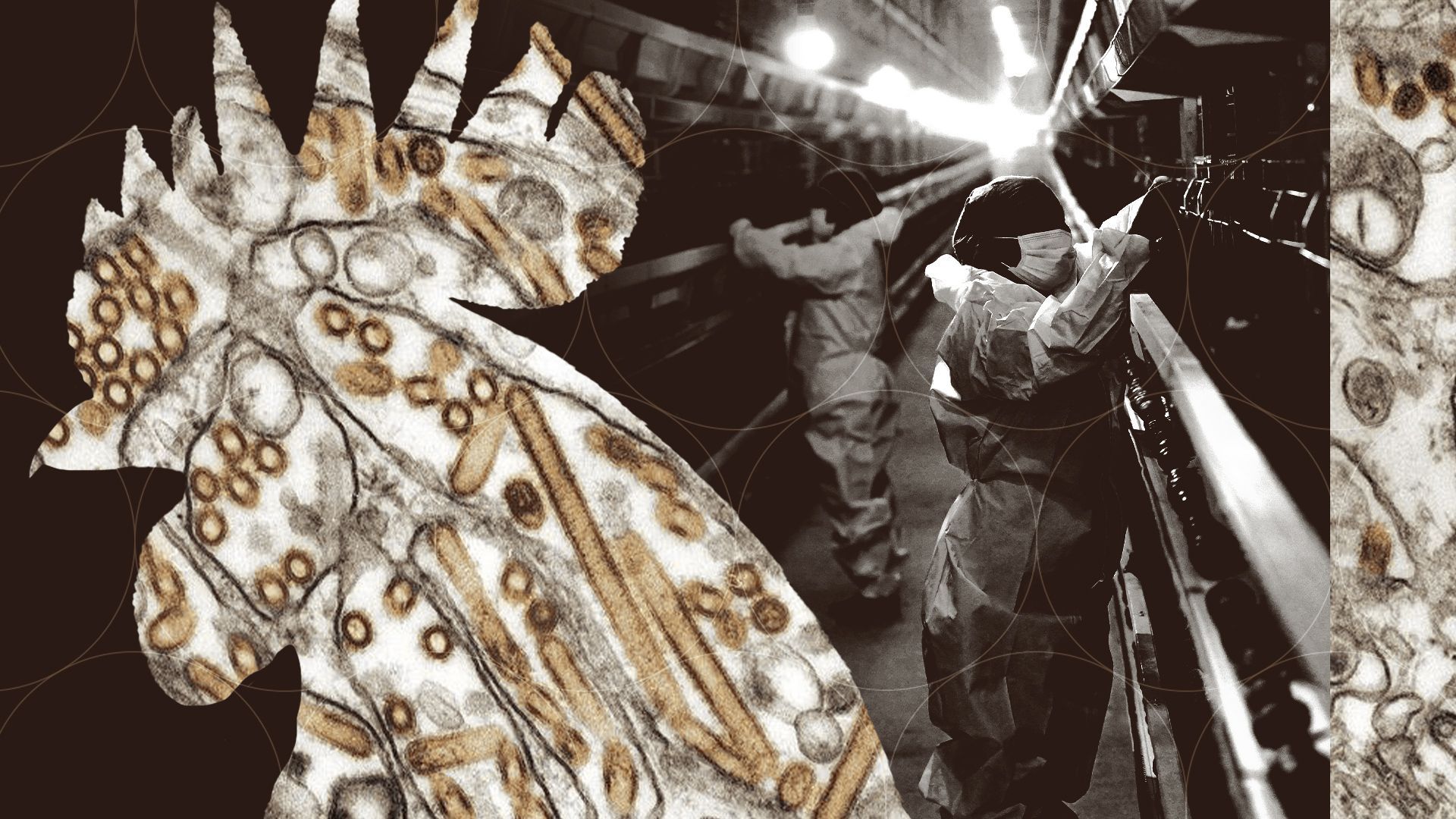
The U.S. Department of Agriculture said Tuesday that it's working to reverse the firing of agency personnel tasked with the federal response to the highly pathogenic avian influenza (HPAI).
The big picture: The bird flu crisis in the U.S. is in a troubling new phase as the outbreak intensifies and the Trump administration maintains a pause on some external federal health agency communications.
President Trump signed an executive order Tuesday calling for expanded access to in vitro fertilization.
Why it matters: Trump ordered policy recommendations to reduce the costs for accessing the procedure, which can range from $12,000 to $25,000 per cycle.
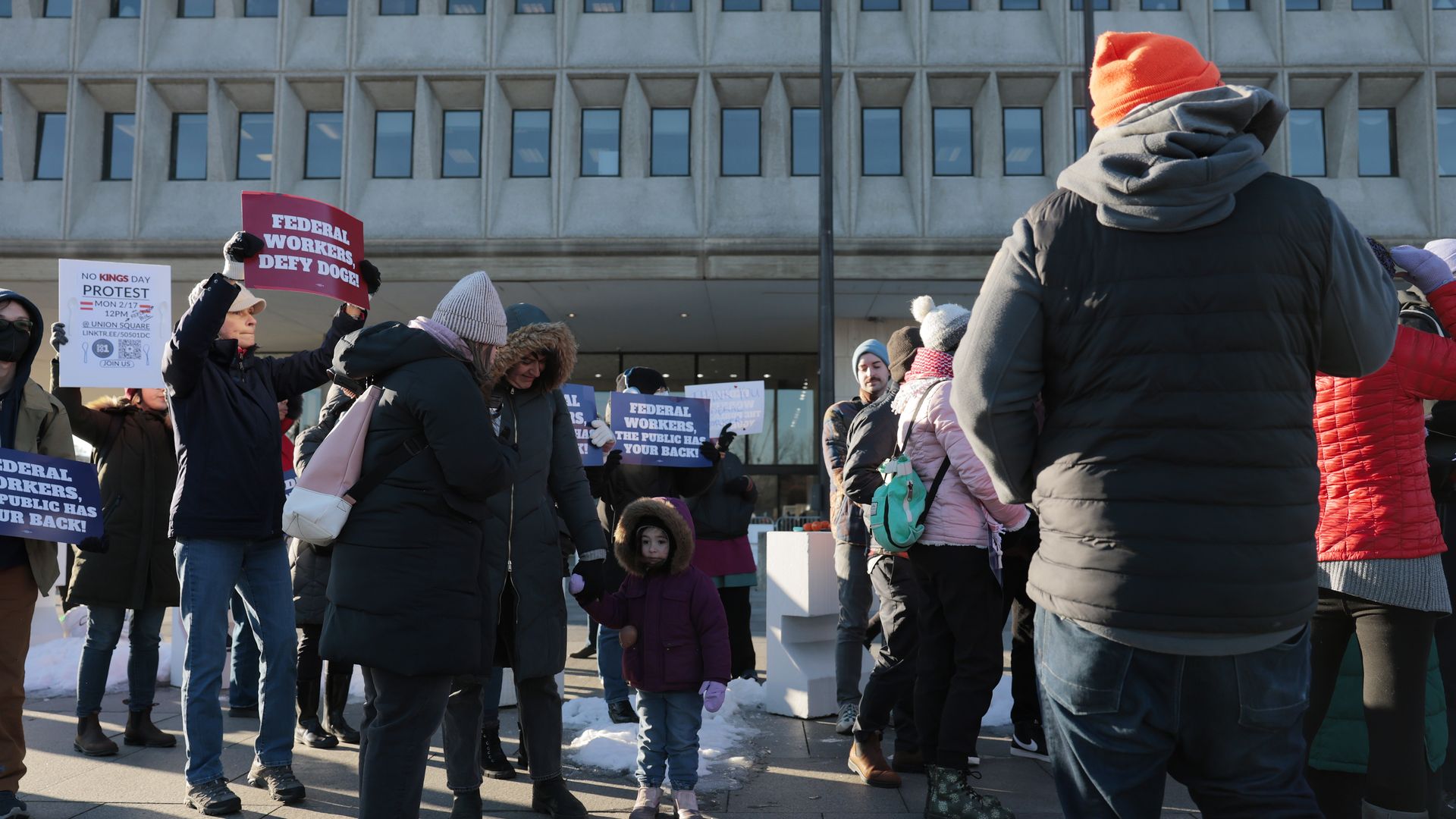
Scores of termination letters went out to federal health agency workers over the long weekend as the Trump administration continues to slash the civil service workforce.
Why it matters: The full extent of the cuts won't be known until after the Tuesday night deadline for a mass firing largely carried out by email that's likely to dramatically reshape the government's health workforce. Most of the cuts are focused on probationary employees who've been on the job one or two years.
State of play: FDA staff cuts that began hitting the agency Saturday evening reportedly affected the center that regulates medical devices and digital health.
🦠 The ongoing measles outbreak in Texas has doubled in size, mostly in children and teens, making it the state's worst in nearly 30 years. (AP)
🥼 Medication-for-addiction treatment is widely seen as the best option for reducing deaths by overdose. Yet buprenorphine remains drastically underprescribed. (NYT)
📑 More states are changing licensing and credentialing forms to remove mental health-related questions. (WaPo)
The U.S. Department of Agriculture gave conditional approval for an updated bird flu vaccine to protect poultry against the H5N1 strain that's stricken more than 150 million birds in commercial and backyard flocks.
Why it matters: None of the current vaccines completely match the deadly strain driving the current outbreak, and officials are working to rebuild a national stockpile for use in livestock.
Interest in geriatric medicine has stalled among new physicians despite an aging population and shortage of providers to care for them.
Why it matters: New data out from the National Resident Matching Program shows U.S. medical school graduates are choosing higher-paying specialties like cardiovascular disease, gastroenterology, and pulmonary disease and critical care medicine.
Scores of termination letters went out to federal health agency workers over the long weekend as the Trump administration continues to slash the civil service workforce.
Why it matters: The full extent of the cuts won't be known until after the Tuesday night deadline for a mass firing largely carried out by email that's likely to dramatically reshape the government's health workforce. Most of the cuts are focused on probationary employees who've been on the job one or two years.
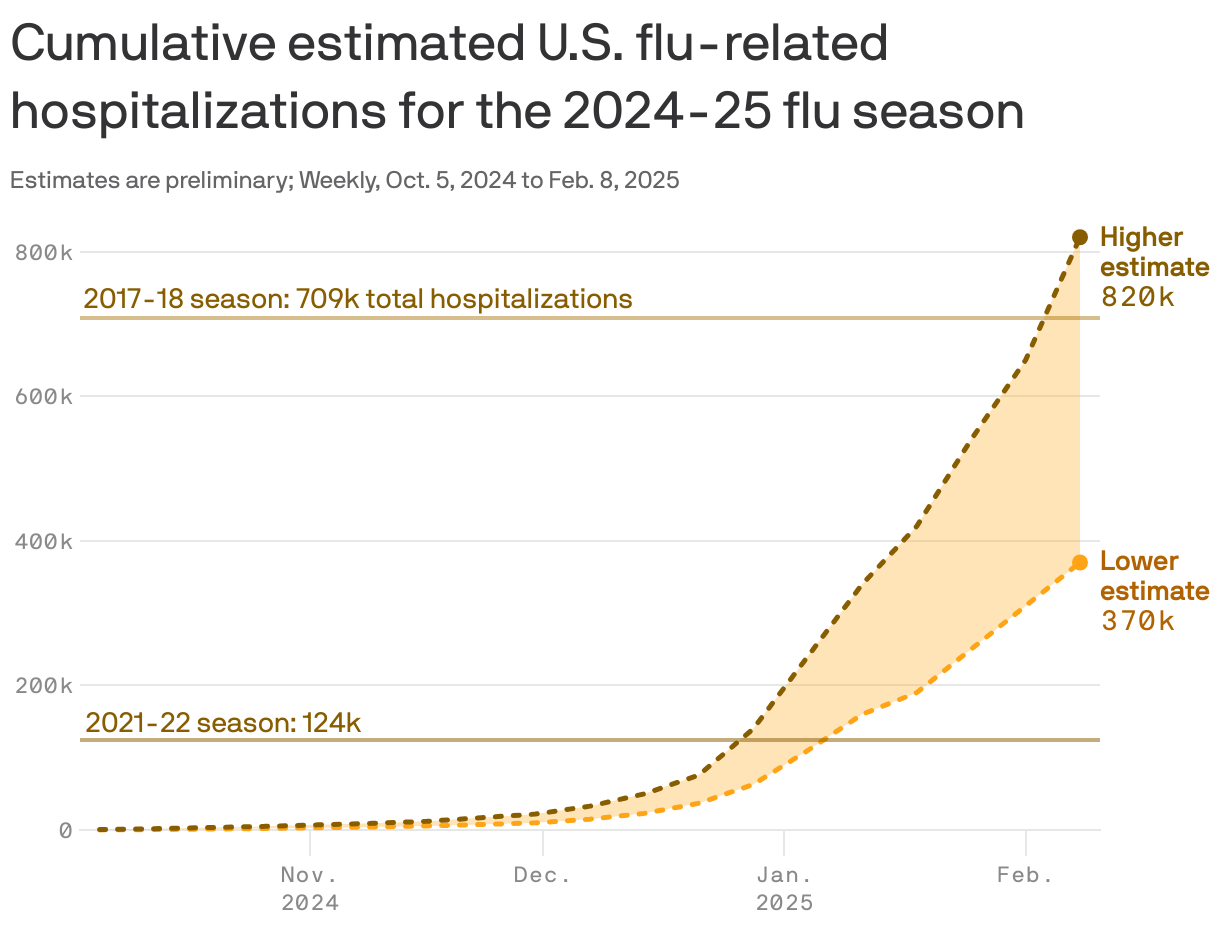
The worst flu season in 15 years has left hundreds of thousands of Americans hospitalized while straining physicians' offices and emergency departments.
Why it matters: The virus is causing more severe complications and hitting young children especially hard.
Pope Francis is being treated in the hospital for a "polymicrobial infection of the respiratory tract," the Vatican said Monday.
The big picture: The 88-year-old pontiff was admitted to Rome's Agostino Gemelli Hospital Friday "for an ongoing bout of bronchitis" and tests revealed "a complex clinical picture" that "has led to a further change in therapy," per Vatican statements.