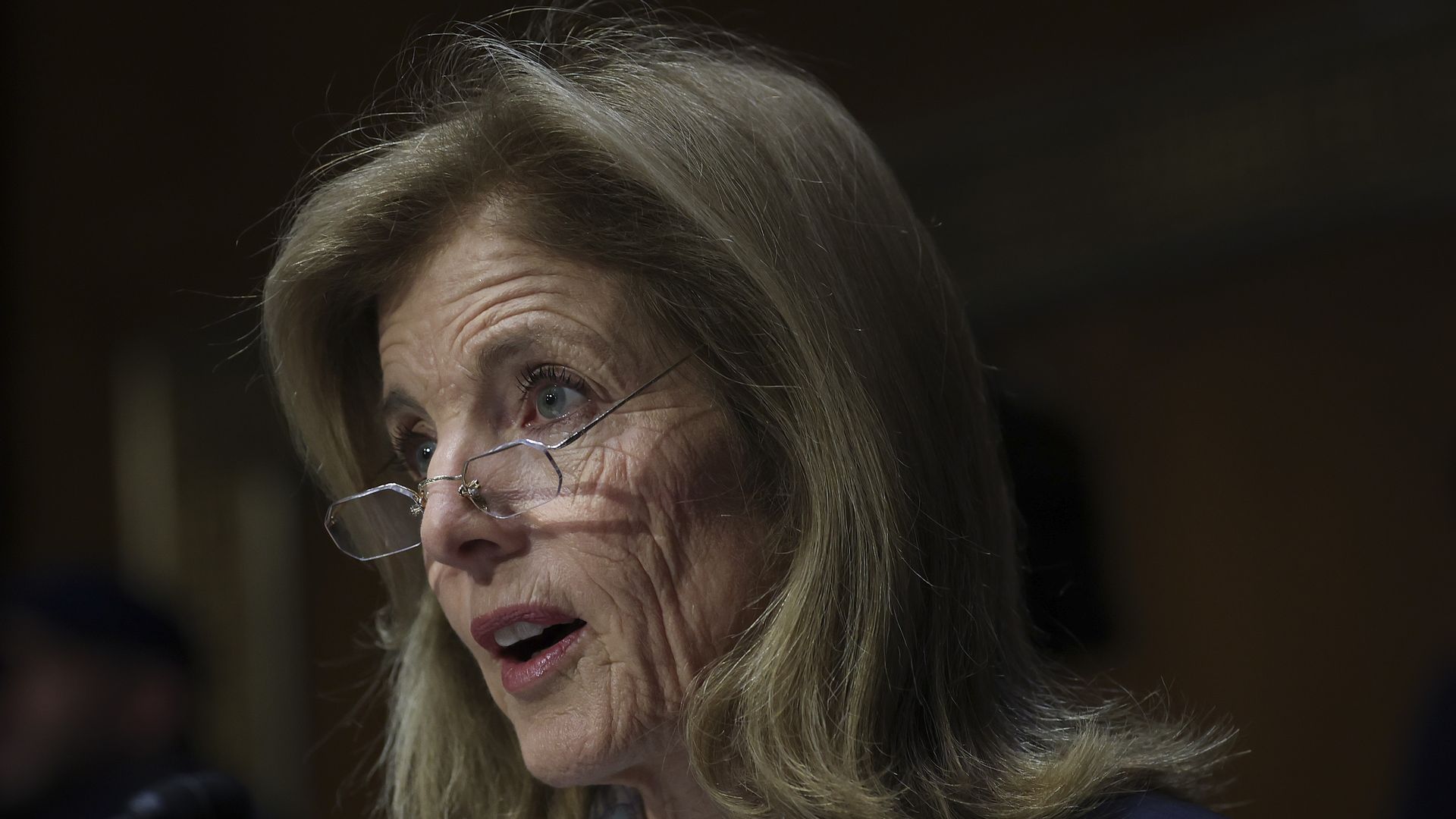
Caroline Kennedy on Tuesday urged senators to reject her cousin's nomination to head the Department of Health and Human Services, saying Robert F. Kennedy Jr. "preys on the desperation of parents of sick children."
Why it matters: Caroline Kennedy's critique, laid out in a letter to senators a day before RFK Jr's confirmation hearings begin, could shore up Democratic opposition to his nomination.
The gap in average life expectancy between Black and white Americans shrank significantly in the decades before the COVID-19 pandemic, though there was wide variation between states, new findings from the Urban Institute show.
Why it matters: It's one more data point that suggests who you are and where you live in the United States is a major determinant of health — and how long one can expect to live.
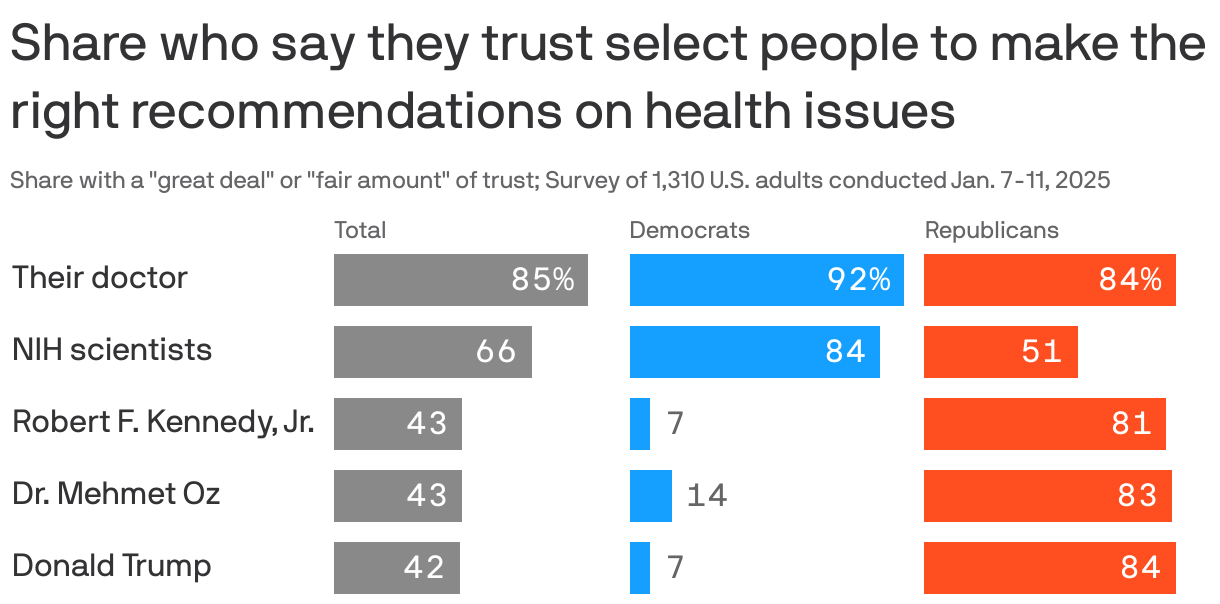
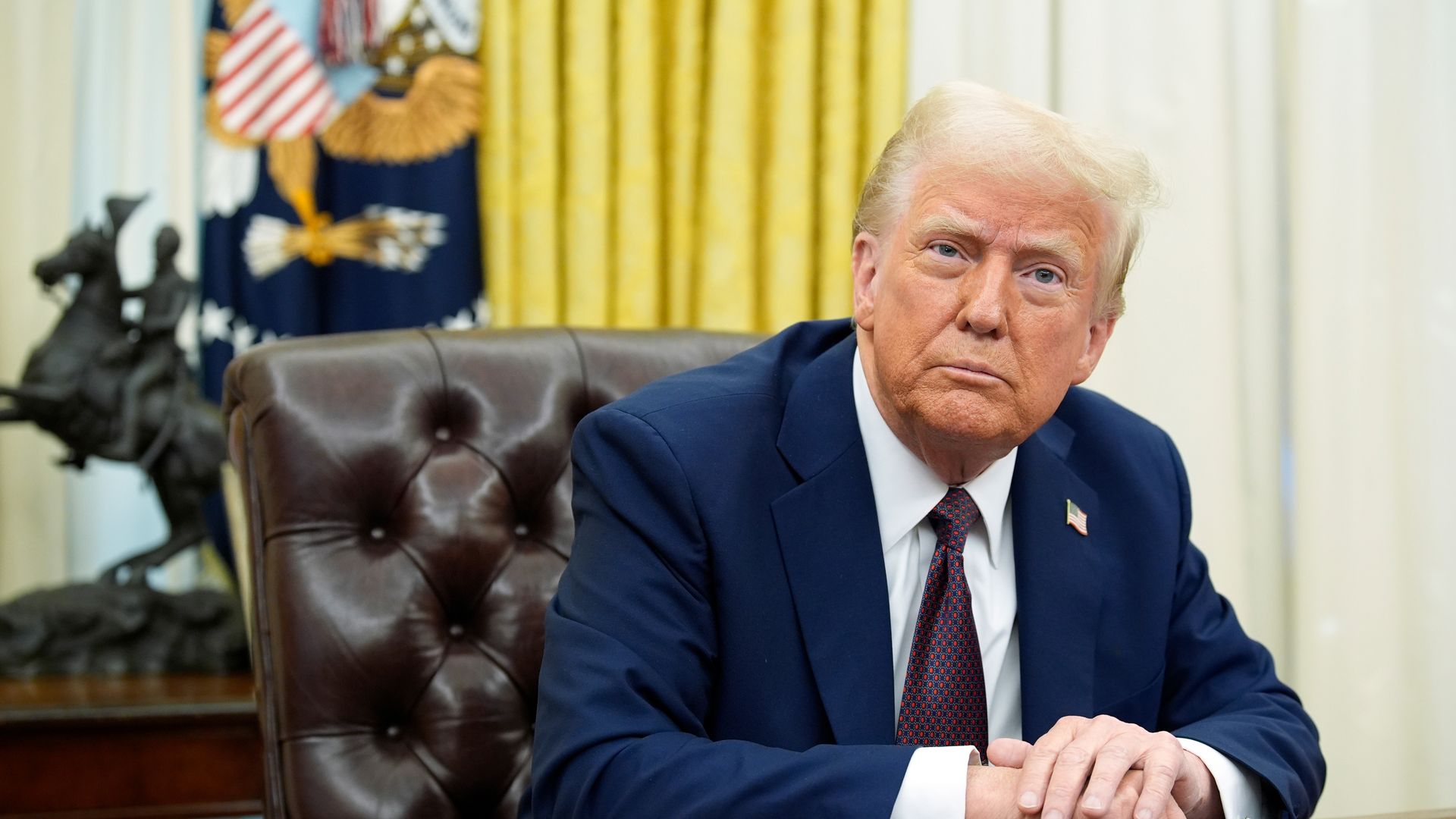
Fewer than half of U.S. adults in a new poll trust health recommendations from President Trump and his picks to lead federal health policy, but Republicans are about as likely to trust them as they are their own doctors.
Why it matters: Democrats, independents and Republicans have all lost trust in medical professionals and government health agencies over the past 18 months.
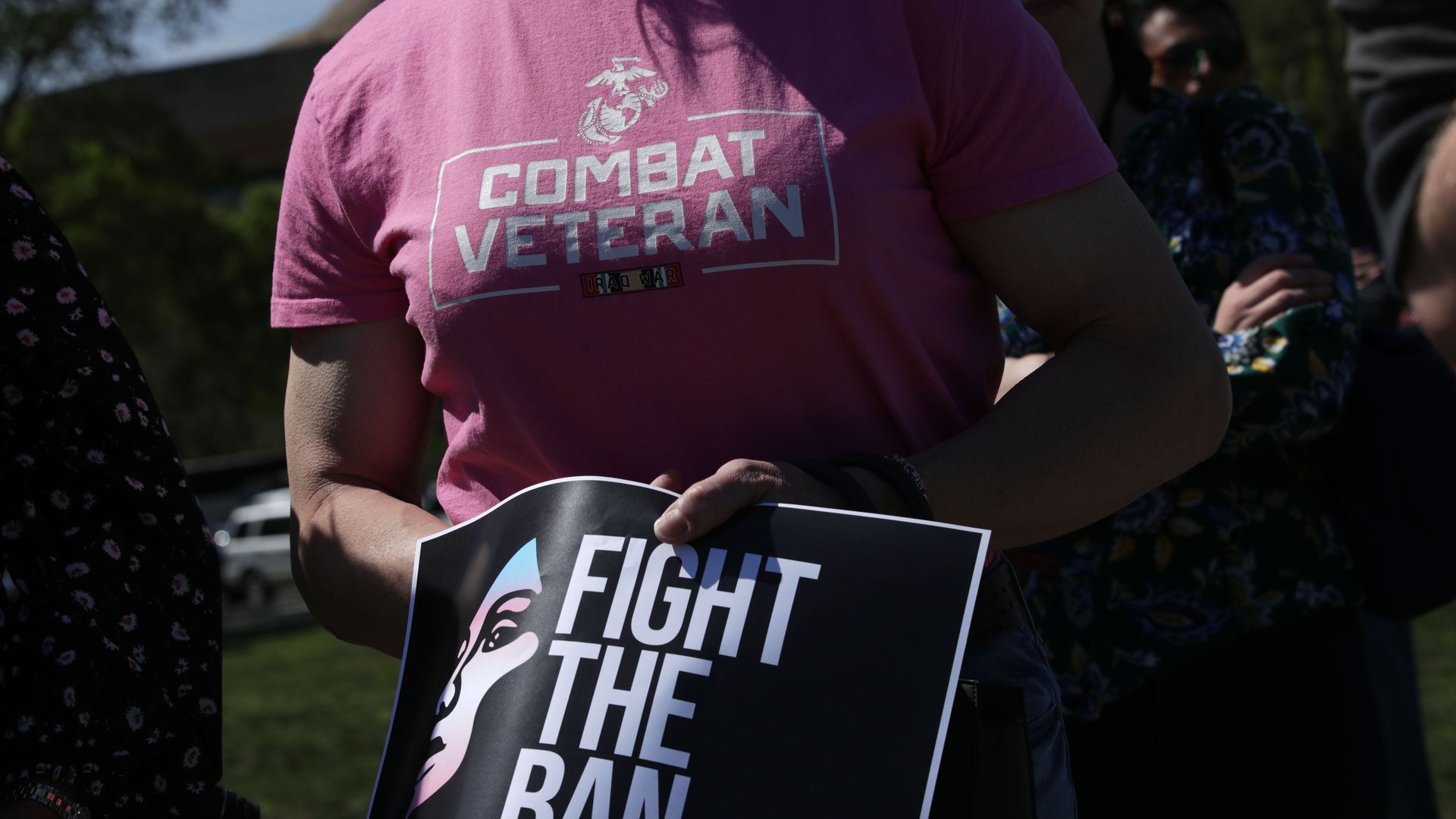
The Trump administration has already moved to end the recognition of transgender people by the federal government. But even more consequential policies may be on the way that focus on blocking federal funds for any transgender care.
Why it matters: The strategy could resemble the one abortion foes used to get the Hyde Amendment enacted and tracks with the principles laid out in the Heritage Foundation's Project 2025, advocates say.
President Trump reinstated members of the military who were dismissed because they refused to receive the COVID vaccine in an executive order late Monday.
Why it matters: The order reverses the dismissals by the Biden administration, restoring thousands of service members to their previous rank and providing them with back pay and benefits.
DAVOS, Switzerland – Prioritizing youth mental health instead of social media growth in the U.S. could impact GDP, but is vital for the health of society, said Center for Humane Technology co-founder Tristan Harris.
Why it matters: Harris likens society to a body with an inside that's "deteriorating," as more government officials and critics increasingly warn against social media's negative impact.
"It's almost like on the outside [of tech-enabled countries] you see these bigger muscles … [but] on the inside you have lung failure, heart failure, and brain failure because the inside health of our society is deteriorating," Harris said.
Axios' Sara Fischer moderated a conversation with Harris in Davos. The Jan. 22 discussion was sponsored by Pinterest.
Big Tech's current profit models rely on endless scrolling, leading to teens getting addicted, Harris said.
Harris said there's a lack of incentives for Big Tech companies to improve youth mental health.
"You can have all the content moderation you want. [But if tech companies] still have business models that maximize for engagement, they're going to find infinite new design patterns that keep people addicted, scrolling, posting content, with maximum reach regardless of whether it's good or bad," Harris said.
Regulation and lawsuits could help incentivize tech companies to not release AI chatbots to minors in a time where AI has been shown to sometimes exacerbate vulnerabilities among teens.
Harris said safety-focused lawsuits, such as those against companion app Character.AI, could help incentivize companies to not market to teens, which can create "digital attachment disorders."
"I would say that this actually has bipartisan appeal. … We have to actually have this change happen because I'm telling you our societies will not be able to survive otherwise," Harris added.
Friction point: Regulation for tech companies has been an ongoing point of contentious debate, partly because of the desire for the U.S. to maintain competitiveness against China, Harris said.
"If we regulate our biggest tech companies, we're going to lose to China. But we have to see that to the degree we're in a race [with China], we're [also] in a race for the holistic health and long-term survival of our societies, not for just having the biggest muscles," Harris said.
Sponsored content:
In a View From the Top sponsored segment, Pinterest's chief legal and business affairs officer Wanji Walcott announced that they are going to be the first tech company to support phone-free schools.
Pinterest will have a pop-up on their platform for teens when they're on the app during the school day to remind them that they're in school and to put the phone down,Walcott said.
"We certainly want to do our part as we think about, 'how do we ensure better youth mental health outcomes? How do we ensure that this next generation is not just kind of stuck to the phone and kind of scrolling and scrolling,'" she added.
Why it matters: The coffee giant has been trying to reverse a decline in foot traffic and go back to its roots under a plan Starbucks CEO Brian Niccol outlined in September.
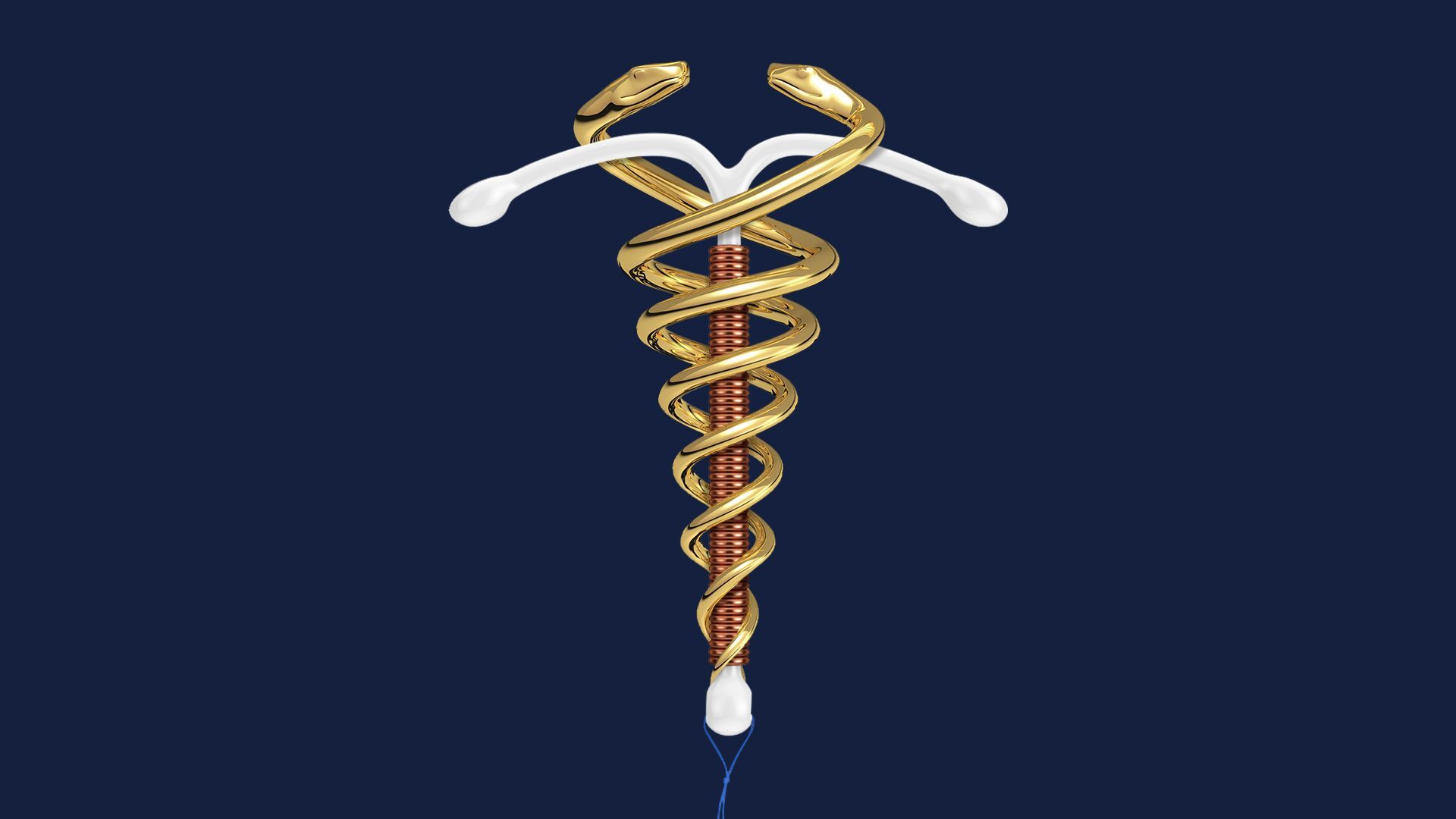
While clinicians may be paying more attention to women's pain, it's still uncommon to give patients pain or anxiety drugs with a IUD insertion, a new review of 2.4 million outpatient procedures found.
Why it matters: IUDs are the second-most popular form of reversible birth control after birth control pills, and the Centers for Disease Control and Prevention last summer recommended that health providers have more upfront conversations with patients about potential pain or cramping during placement and options for managing discomfort.
Anti-abortion groups are pressing the Trump Justice Department and Food and Drug Administration to quickly reverse Biden administration policies on abortion pills and impose a clampdown, including the use of a 19th-century anti-obscenity law to block the mailing of the drugs.
Why it matters: President Trump waffled for months on a national abortion ban before saying he'd veto it, and he hasn't made clear if he would wield executive power to sharply restrict the procedure.
President Trump's orders to freeze some work and communications at government health agencies and begin a U.S. pullout from the World Health Organization are rattling clinicians and researchers, who fear they're the leading edge of a broad anti-science agenda.
Why it matters: Policy experts and researchers are mobilizing for a fight over the politicization of science that stems from — and could rival — the clashes over the COVID-19 response.
President Trump's executive orders on immigration signal a new strategy that appears aimed at boosting legal arguments for travel bans, emergency declarations and other restrictions.
Why it matters: That's the consensus among immigrant rights advocates who see Trump's strategy to dramatically restrict immigration as far more sophisticated — and potentially more successful — than his first-term efforts.