Affordable Care Act marketplace insurance plans denied an average of 1 in 5 claims in 2023, with two carriers denying as many as 1 in 3, according to a KFF analysis.
Why it matters: Claim denials are one of consumers' chief complaints with their health insurance and can make it harder for people to pay their medical bills.
Health providers and researchers got a reprieve of sorts on Wednesday when the White House rescinded a memo that froze many federal funding sources. But the turnabout didn't entirely make clear what happens next.
The big picture: The whiplash from President Trump's executive orders and directives over the first week and a half of his term portends a tense four years for a heavily regulated sector that's very dependent on federal funding.
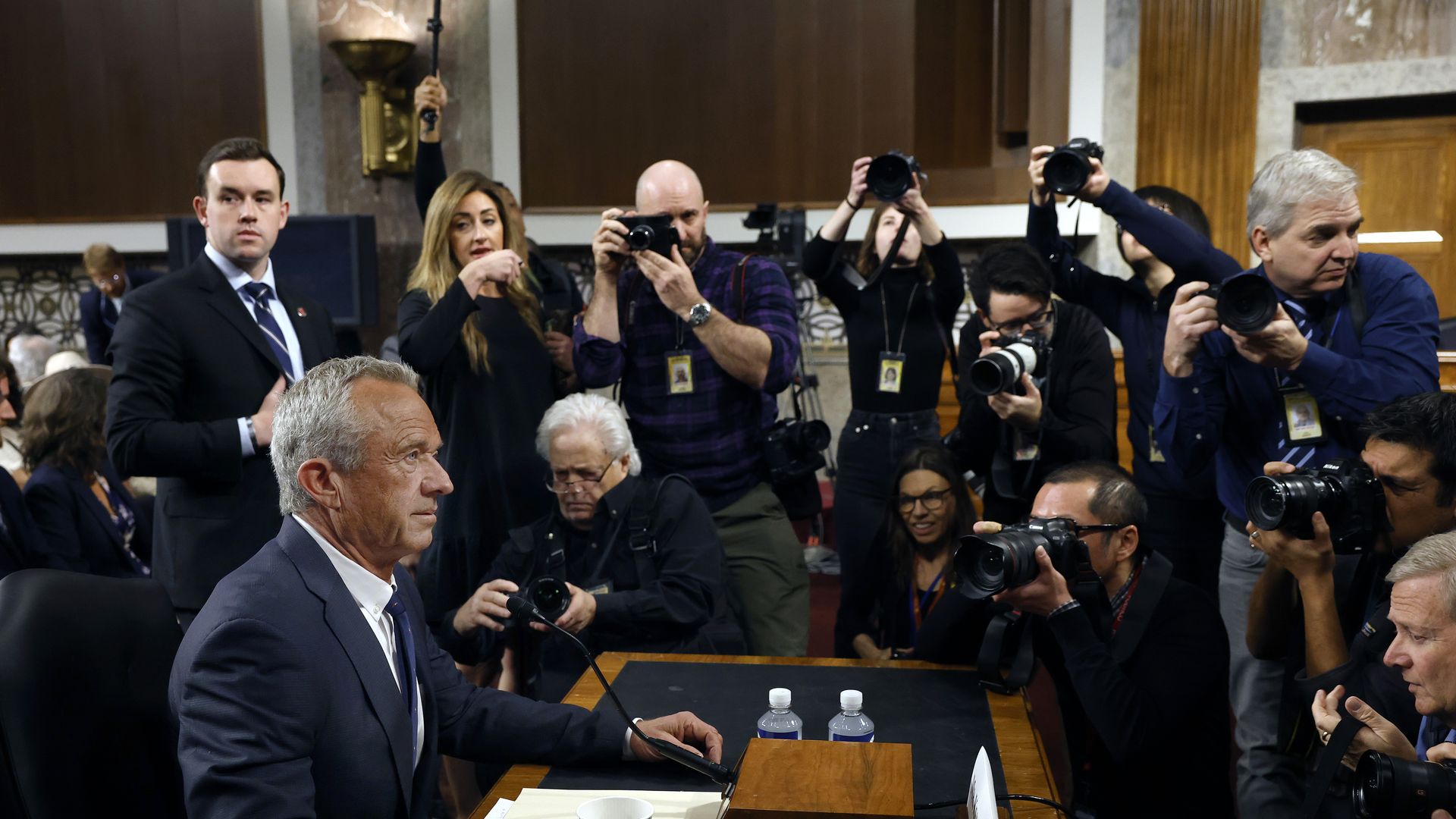
Health and Human Services Secretary-designate Robert F. Kennedy Jr.'s first confirmation hearing threw off the expected sparks on Wednesday, but his exchanges with lawmakers didn't resolve key questionsabout how he'd perform as the nation's top health official.
Why it matters: Beyond flubbing basics on Medicare and Medicaid and making factual errors about the biggest programs he would oversee, the controversial nominee backtracked on past stands regarding vaccines and abortion and was vague on how closely he'd hew to President Trump's policies.
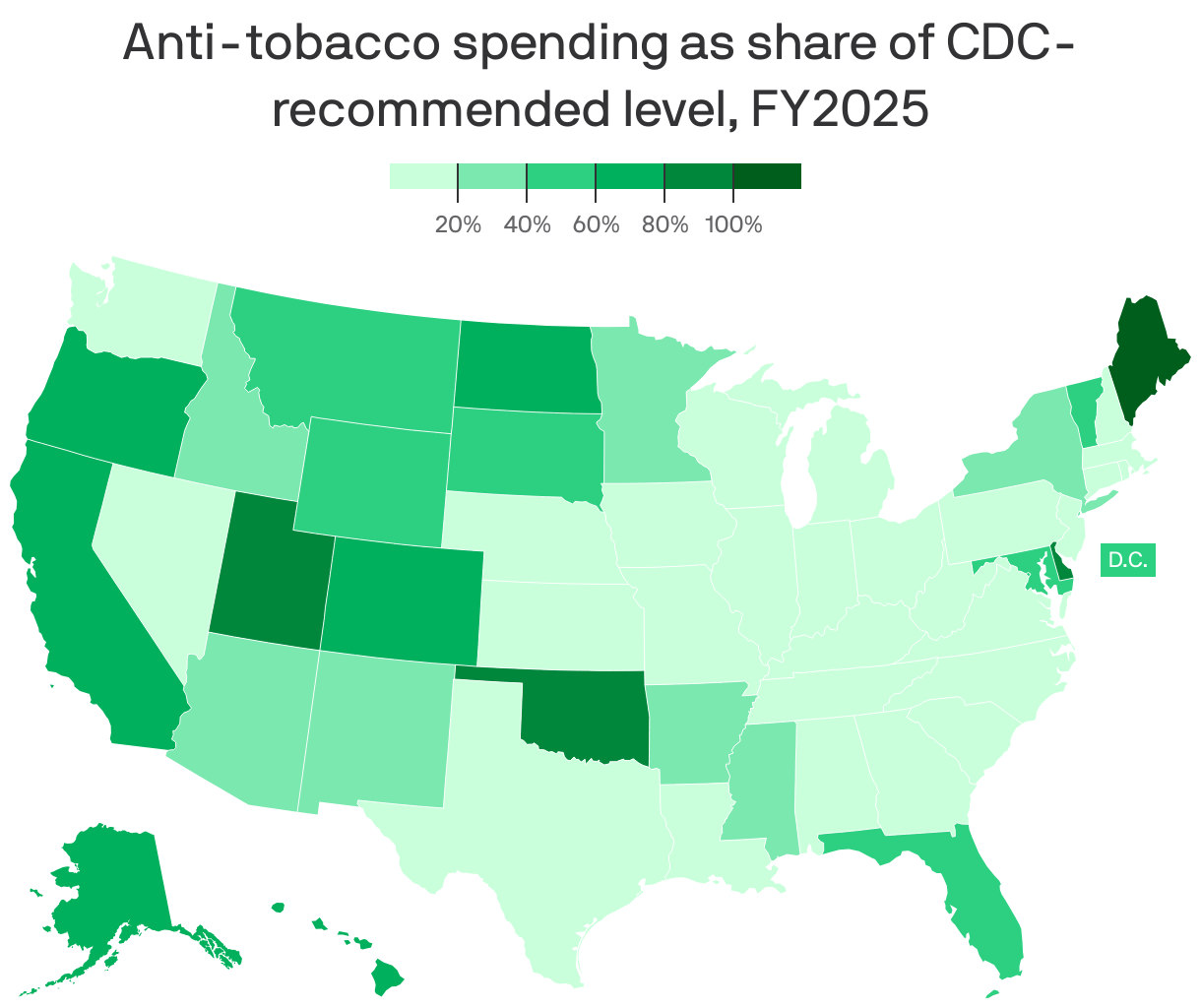
Data: American Lung Association; Map: Alex Fitzpatrick/Axios
Only a single state — Maine — is funding its anti-tobacco efforts at or above the current Centers for Disease Control and Prevention-recommended level, a new report finds.
The U.S. Office of Personnel Management issued guidance Wednesday instructing federal agencies on how to carry out President Trump's executive order targeting transgender protections.
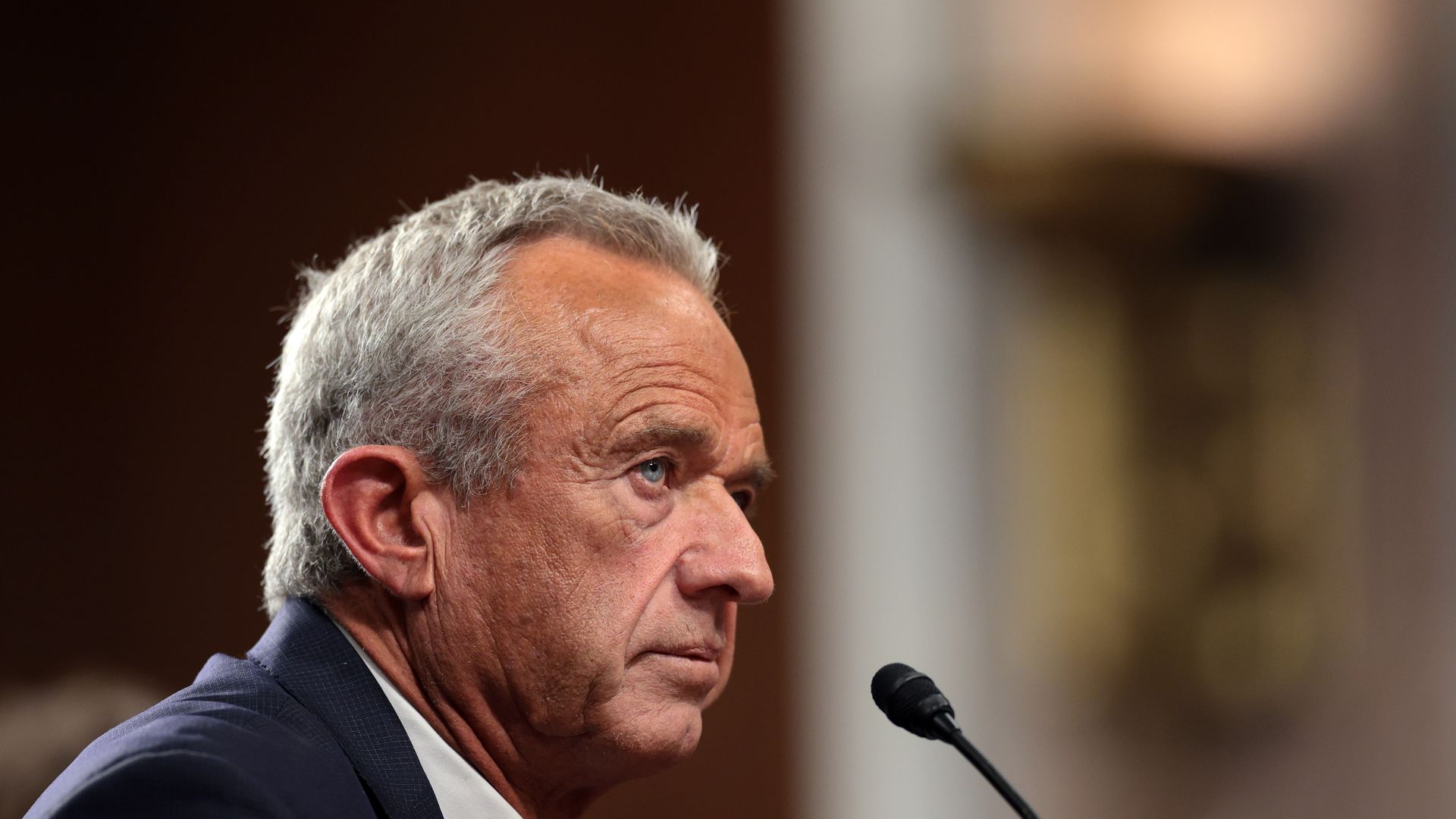
Robert F. Kennedy Jr. attempted to walk back his past anti-vaccine and pro-abortion rights stances in his Senate confirmation hearing Wednesday as he fielded questions from both sides of the aisle.
The big picture: In his hearing, Health and Human Services Secretary nominee Kennedy characterized himself as pro-vaccine, despite years of denialism, and took a Trump-aligned, leave-it-to-the-states stance on abortion.
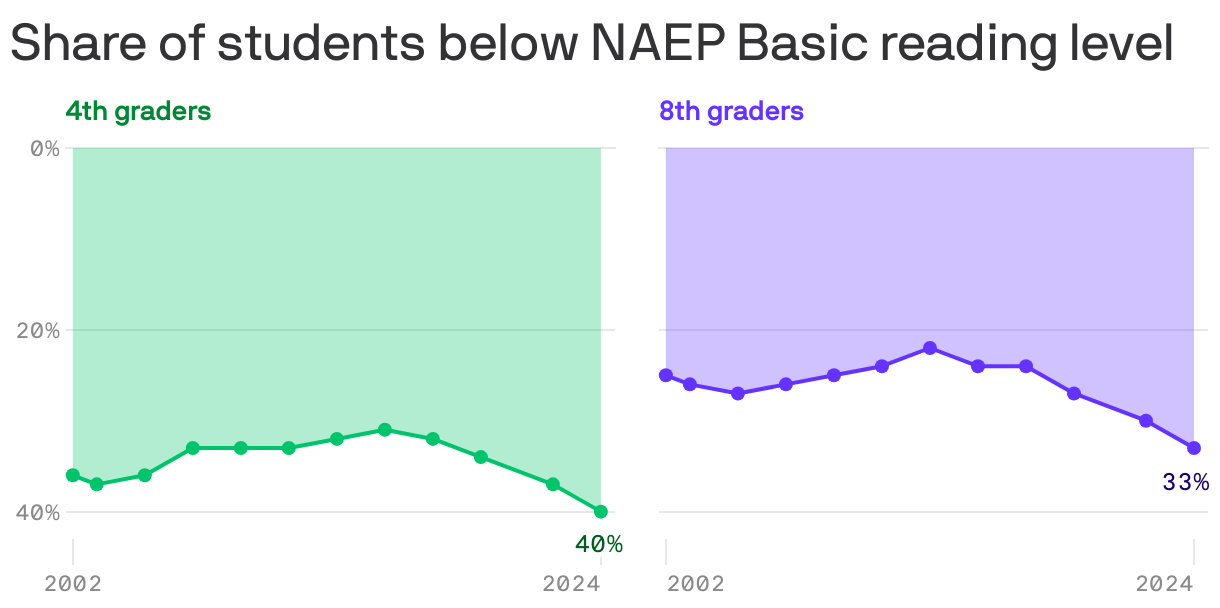
U.S. students had record-low reading comprehension scores last year in a learning loss trend exacerbated by the pandemic, according to a national education reportreleased Wednesday.
Why it matters: Students across age groups demonstrated continued declines in reading comprehension, despite efforts to reverse the slip. Gaps between high- and low-achieving students have also widened.
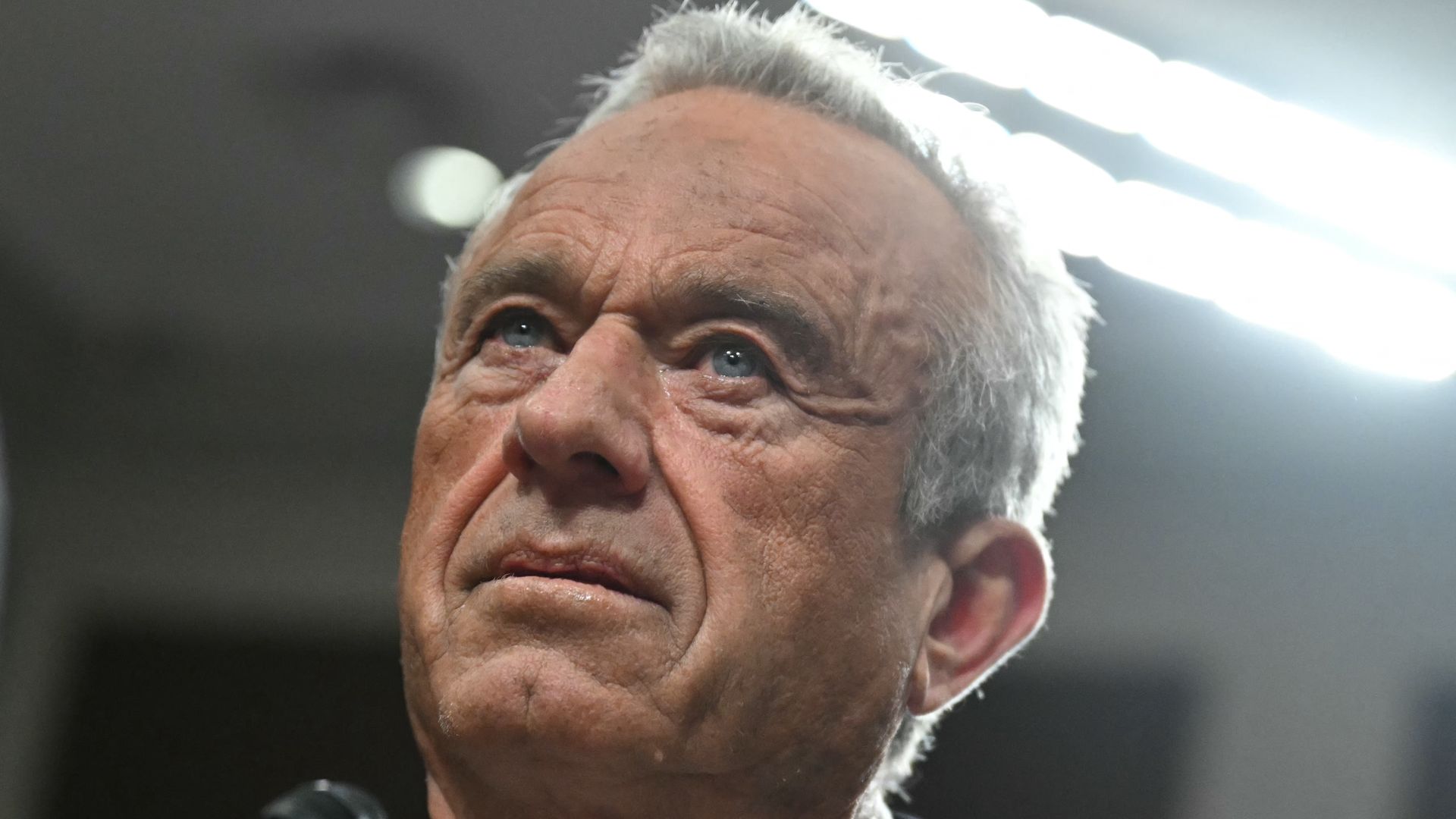
Robert F. Kennedy Jr., President Trump's controversial pick for secretary of Health and Human Services (HHS), faced abarrage of questions from lawmakers at his first confirmation hearing Wednesday.
Driving the news: Kennedy seemed to struggle when Sen. Bill Cassidy (R-La.) pushed him on what reforms he would propose for Medicaid, a program that provides coverage to some 72 million Americans.
A Trump administration freeze on grants and other federal funding paralyzed state Medicaid agencies and some health providers for most of Tuesday until a federal judge in D.C. issued a temporary injunction.
Why it matters: With hundreds of billions of dollars at stake, health care providers and officials are still sorting through conflicting memos as significant portions of their federal assistance sit in limbo.
The success of Robert F. Kennedy Jr.'s first confirmation hearing Wednesday "kind of depends on which Bobby Kennedy shows up," as one Trump administration source working on his nomination put it.
Why it matters: Whether Kennedy becomes the next Health and Human Services secretary likely hinges on his ability to convince a handful of Republican senators that he's not the version of himself that was on public display only a few months ago — or at least that he can hold those instincts back once confirmed.
Data: National Science Foundation and National Institutes of Health; Map: Alex Fitzpatrick/Axios
Some states have far more to lose than others if the second Trump administration cuts federal health and science funding.
Why it matters: President Trump's executive orders effectively freezing some public health and science work has scientists, researchers and others worried about the administration's commitment to the fields, and about the politicization of science — especially given the looming threat of a bird flu outbreak.
For Lunar New Year, many people in Asia and around the world are eating foods that look like money, sound like good fortune and represent wholeness.
Why it matters: "The Chinese believe that you have to have a really positive attitude going into the new year," says Grace Young, a cookbook author, culinary historian and activist who works to preserve America's Chinatowns.