Nearly half of some of the most popular protein powders have levels of heavy metals like lead that exceed government food safety regulations, a consumer safety nonprofit said in its report Thursday.
Why it matters: No level of lead exposure is safe, per the Environmental Protection Agency, but regulation of heavy metals in food isn't uniform.
Private equity's medical adventure has taken another detour to the ER, with the Senate Budget Committee releasing a bipartisan report that slams the industry's stewardship of hospital chains.
Why it matters: This caps off a year in which federal politicians zeroed in on private equity ownership of health-care providers, including the Steward Health debacle, and pushes Congress one step closer to new regulations.
Investors may have flocked to health care AI companies in recent years, but funding has leveled off and backers are "becoming more selective and emphasizing clinical validation and solid business models," a new PitchBook report concludes.
Why it matters: AI has certainly received a lot of hype in health care, and its theoretical benefits are enormous. But it still hasn't fully proved itself in the real world and is facing several challenges.
Beyond the immediate danger posed by wildfires spreading through Los Angeles County is the smoke that poses a worrisome threat to the health of millions in the area.
Why it matters: Wildfire smoke can exacerbate conditions like asthma and COPD and has been associated with higher risk of cardiac arrest and stroke. Particulates can trigger inflammation even in healthy individuals.
The Biden administration's contentious plan to increase federal regulation of diagnostic medical tests could be swiftly dialed backafter President-elect Trump is sworn in.
The big picture: Lab-developed tests account for a global market worth more than $12 billion but haven't been subject to pre-market approvals or controls after they're made commercially available in the U.S.
A new poll of college students found that half view the suspect in UnitedHealthcare CEO Brian Thompson's recent killing extremely or somewhat favorably, and nearly half believe the crime was justified.
81% of the students polled by Generation Lab said they have an extremely or somewhat negative view of Thompson, the victim.
Why it matters: There's a stark divide between how young people and older people view Thompson's killing. Polls and social media posts indicate that, among young people, there's lasting support for and fascination with a suspected killer — and disdain for the victim.
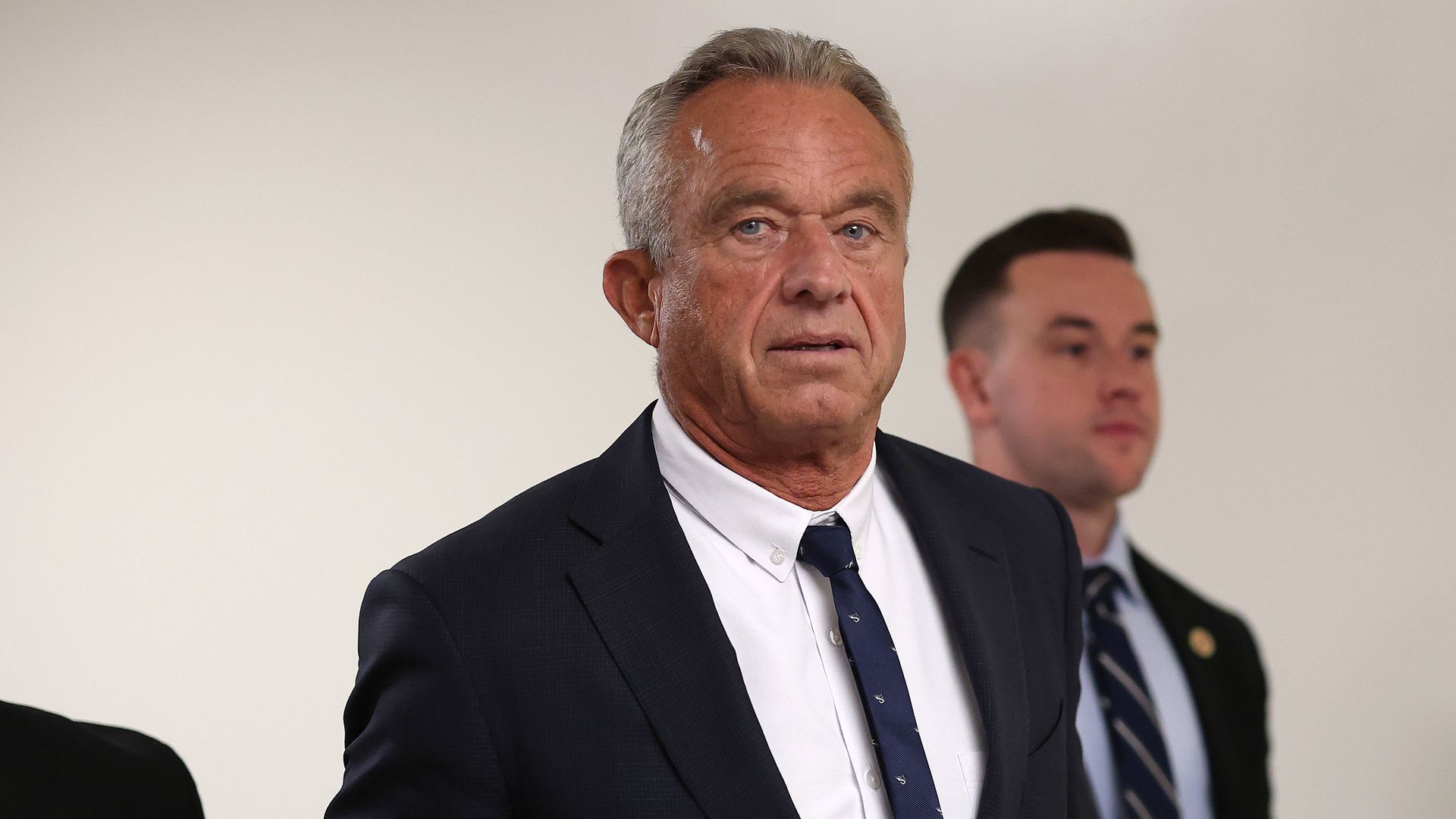
A watchdog group alleged Robert F. Kennedy Jr. committed voter fraud by registering for and voting in the 2024 election from a New York residence where he does not legally reside.
Why it matters: The complaint Accountable.US filed with the New York State Board of Elections on Wednesday marks yet another controversy for President-elect Trump's pick to lead America's health agencies.
A review of 74 medical studies links higher fluoride exposure to lower IQ in kids — but mostly draws on research that took place outside of the U.S. and had a high risk of biased results.
Why it matters: The federally funded analysis could further stoke the debate over adding fluoride to drinking water as Robert F. Kennedy Jr., who's called for ending the practice, is poised to take over the Health and Human Services Department.
The Biden administration within days is expected to select the next batch of drugs that will be subject to Medicare price negotiations — a process that this time could include Novo Nordisk's blockbusters Ozempic and Wegovy.
Why it matters: The political appeal of bringing down the price of the wildly popular drugs and other medicines for seniors could outweigh deep misgivings in Republican circles about one of Democrats' most significant health policy achievements.