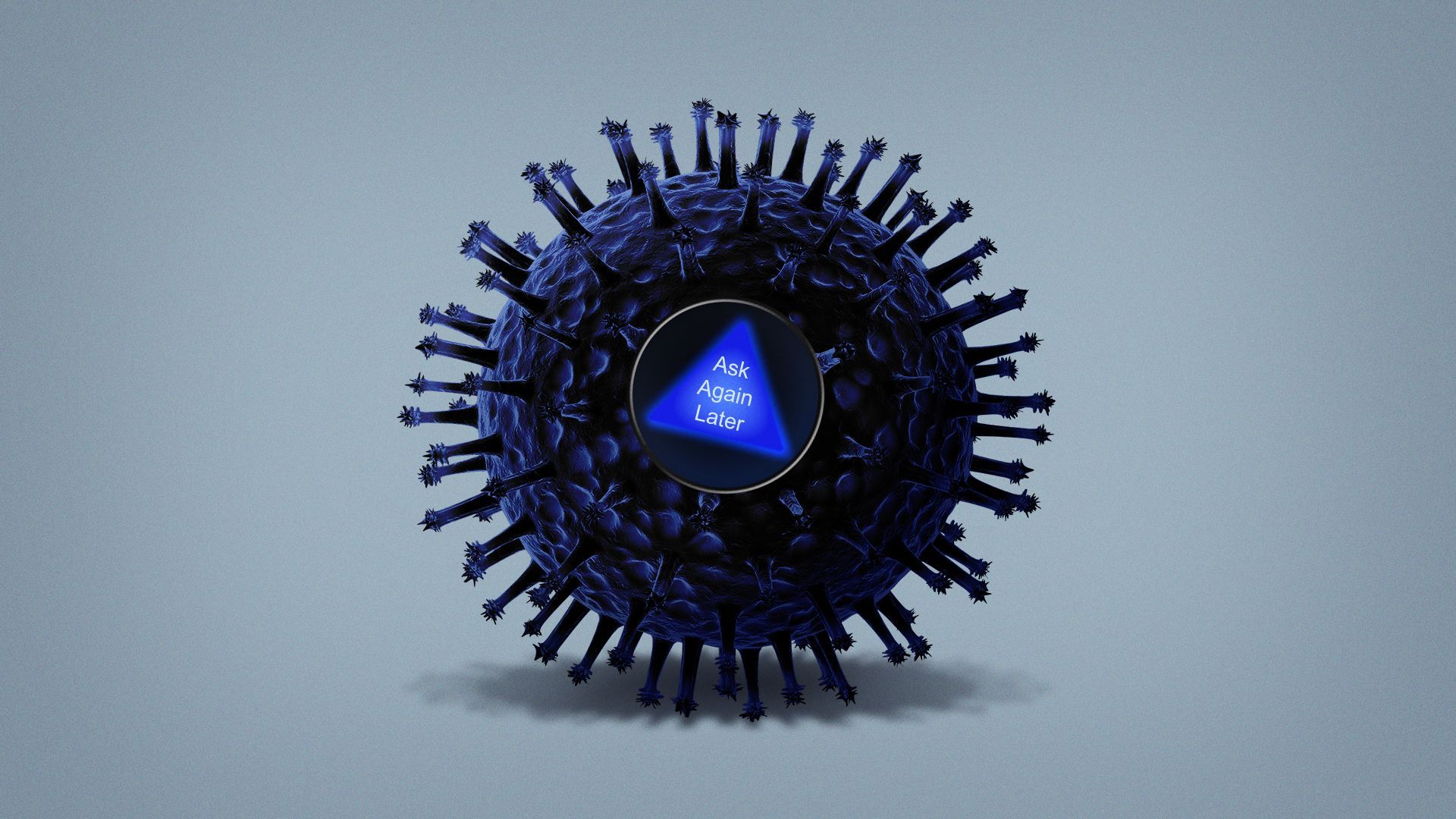
The bird flu virus circulating among cows, poultry and wild birds isn't yet a threat to the general public, but experts say if and when that will change is impossible to predict — and that if things do get bad, the U.S. is probably underprepared.
Why it matters: As we learned during COVID, pandemics have world-altering consequences. Staying ahead of them is key — but that's not really what the public is in the mood for in the aftermath of the last pandemic.
Nearly half of some of the most popular protein powders have levels of heavy metals like lead that exceed government food safety regulations, a consumer safety nonprofit said in its report Thursday.
Why it matters: No level of lead exposure is safe, per the Environmental Protection Agency, but regulation of heavy metals in food isn't uniform.
Private equity's medical adventure has taken another detour to the ER, with the Senate Budget Committee releasing a bipartisan report that slams the industry's stewardship of hospital chains.
Why it matters: This caps off a year in which federal politicians zeroed in on private equity ownership of health-care providers, including the Steward Health debacle, and pushes Congress one step closer to new regulations.
Investors may have flocked to health care AI companies in recent years, but funding has leveled off and backers are "becoming more selective and emphasizing clinical validation and solid business models," a new PitchBook report concludes.
Why it matters: AI has certainly received a lot of hype in health care, and its theoretical benefits are enormous. But it still hasn't fully proved itself in the real world and is facing several challenges.
Beyond the immediate danger posed by wildfires spreading through Los Angeles County is the smoke that poses a worrisome threat to the health of millions in the area.
Why it matters: Wildfire smoke can exacerbate conditions like asthma and COPD and has been associated with higher risk of cardiac arrest and stroke. Particulates can trigger inflammation even in healthy individuals.
The Biden administration's contentious plan to increase federal regulation of diagnostic medical tests could be swiftly dialed backafter President-elect Trump is sworn in.
The big picture: Lab-developed tests account for a global market worth more than $12 billion but haven't been subject to pre-market approvals or controls after they're made commercially available in the U.S.
A new poll of college students found that half view the suspect in UnitedHealthcare CEO Brian Thompson's recent killing extremely or somewhat favorably, and nearly half believe the crime was justified.
81% of the students polled by Generation Lab said they have an extremely or somewhat negative view of Thompson, the victim.
Why it matters: There's a stark divide between how young people and older people view Thompson's killing. Polls and social media posts indicate that, among young people, there's lasting support for and fascination with a suspected killer — and disdain for the victim.