Roon, a video Q&A platform for health care, has raised $15 million in Series A funding co-led by Forerunner and FirstMark Capital.
Why it matters: Many of us have used WebMD or Dr. Google to double check medical symptoms or a treatment, including for loved ones, only to remember that they're full of unvetted noise. Roon could become an antidote for both patients and caregivers, via its vetted, short-form videos created by real doctors.
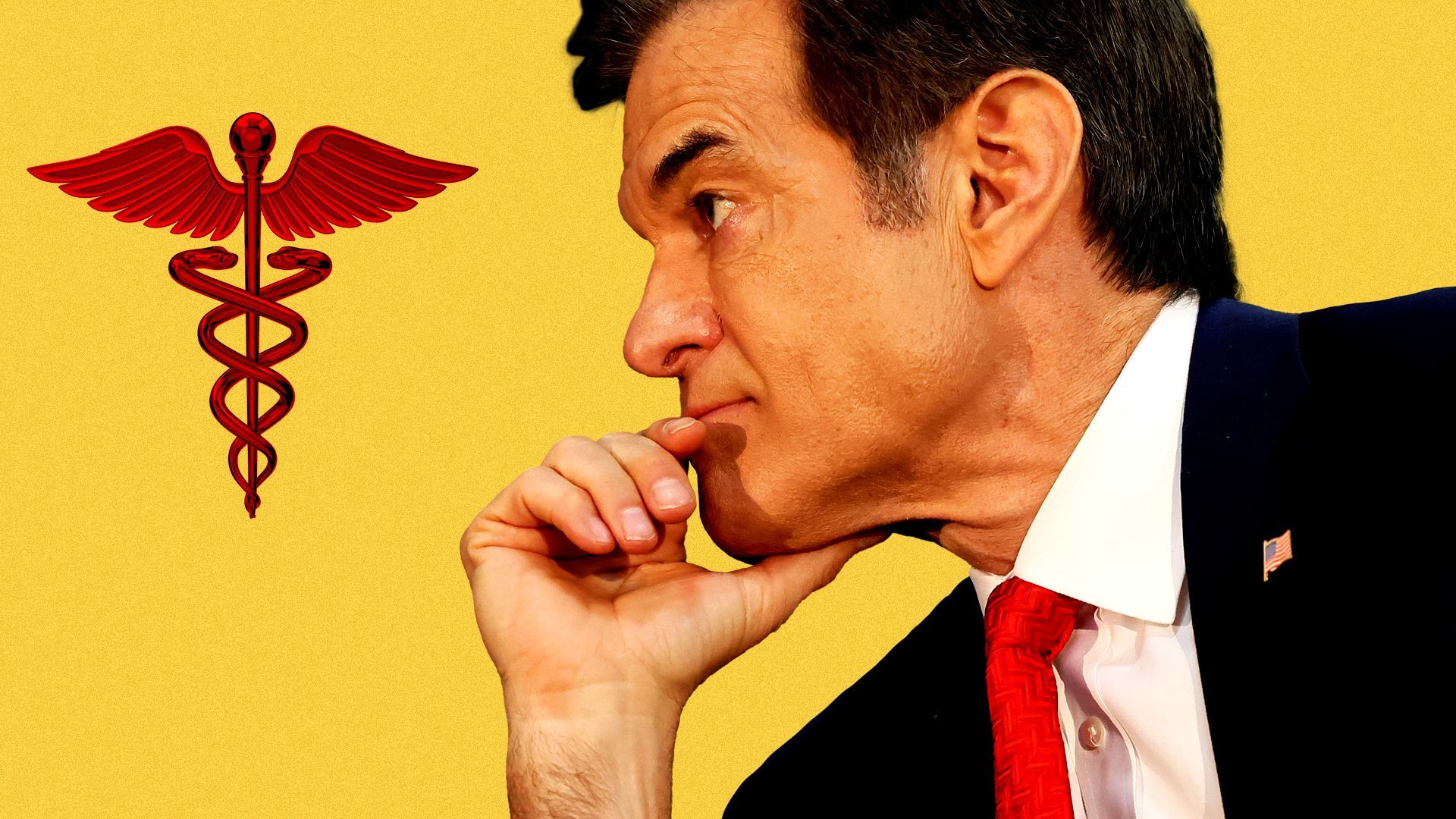
Mehmet Oz, President-elect Trump's pick to lead the Centers for Medicare and Medicaid Services, is about to land in the middle of brewing tensions among Republicansover how the Medicare Advantage program works.
Why it matters: Privately run Medicare Advantage plans now enroll more than half of America's seniors, costing thefederal government an estimated $83 billion more per year than the traditional Medicare program would for the same enrollees.
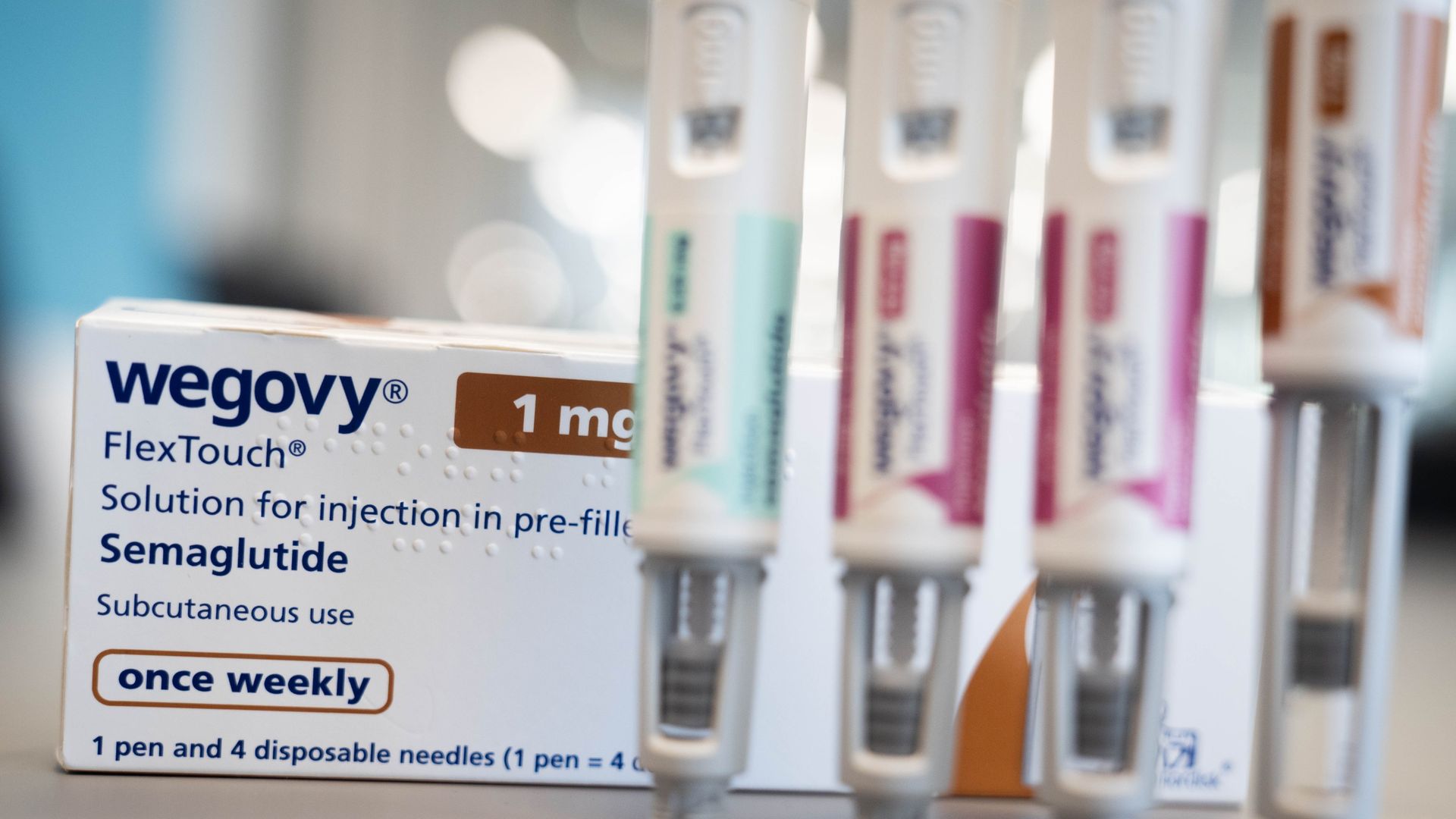
The Biden administration's eleventh hour move to expand Medicare coverage for anti-obesity drugs is likely to be popular among seniors, putting the Trump administration — which would ultimately decide whether to carry out the expansion — in the hot seat.
Why it matters: The buzzy class of drugs known as GLP-1 agonists have been hailed as game changers amid an obesity crisis tied to chronic diseases.
The internet has been inundated witha press tour moment from the film "Wicked" that's been memed around the world: ActressCynthia Erivo, overcome with emotion, shares she's stunned to hear people have been taking lyrics from the "Wicked" song "Defying Gravity" and "really holding space with that."
The big picture: If that sounds like gibberish, you're not alone.The meaning of "holding space" — a way of creating judgement-free, safe spaces for healing — was lost on many social media users, but spoofs of the early-November interview became a yellow brick road to viral status.
The Biden administration on Tuesday proposed requiring Medicare and Medicaid to cover anti-obesity drugs.
Why it matters: The rule would expand access to medications known as GLP-1 agonists for millions of Americans struggling with obesity, who are at higher risk of diabetes, stroke and cardiovascular disease, according to a White House fact sheet.
Why it matters: Cyberattacks affecting health care providers and vendors have become more common in recent years, often exposing individuals' private health information.
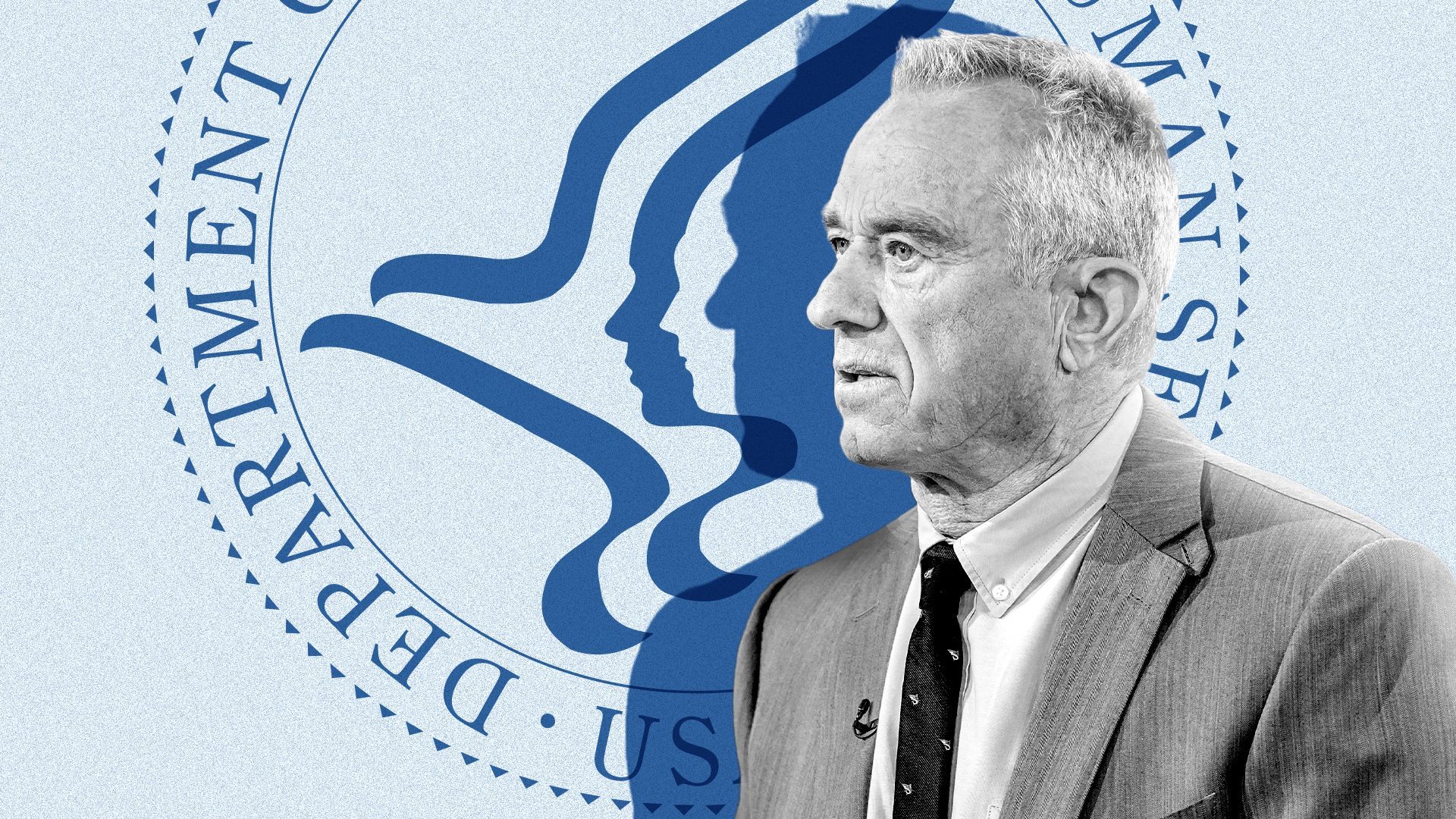
Robert F. Kennedy Jr. could use Health and Human Services' vast bureaucracy to put a distinct stamp on vaccine policy, drug approvals and food regulation if he's confirmed. But with so many legal requirements and bureaucratic layers baked into the process, it's hardly a foregone conclusion he will.
Why it matters: Experts say RFK Jr.'s public calls for more transparency and vows to shore up the trustworthiness of federal health agencies may translate into more requests for vaccine safety data and into appointing like-minded individuals to advisory panels that could influence coverage of drugs, services and devices.
Roughly 1 in 7 Americans 65 and older are meeting federal physical activity guidelines during their leisure time, a new report from the Centers for Disease Control and Prevention shows.
Why it matters: Older Americans will make up more than 20% of the U.S. population by 2030. Regular physical activity could help more of them maintain physical function, reduce their risk of chronic conditions and falls and lower health care costs.
Older adults have the same targets for physical activity as all adults, including 150 minutes of moderate-intensity aerobic physical activity per week, the researchers say.
But older adults also have guidelines such as performing "multi-component physical activity" that includes balance activities, such as tai chi, in addition to the aerobic and muscle-strengthening activities.
What they found: More senior men (16.9%) met the guidelines compared to women (11.5%).
Greater percentages of seniors living in the West met physical activity guidelines compared those living in the Northeast or South.
Seniors who had more education and greater incomes were more likely to meet the exercise guidelines, as did seniors who lived in metropolitan areas.