The Biden administration is moving to reclassify marijuana as a less dangerous drugas soon as Tuesday, clearing the last regulatory hurdle for a major policy change, multipleoutletsreported and Axios confirmed.
The big picture: The new rule, which has to be approved by the White House Office of Management and Budget, would recognize medical uses of marijuana and that it has less potential for abuse than other drugs.
An influential national advisory group has called for women to start getting mammograms beginning at age 40, but only every two years — a recommendation that highlights a rift within the cancer community
Why it matters: The U.S. Preventive Services Task Force recommendations will serve as a critical signal to doctors and influence insurance coverage.
The Biden administration wants to make sure Medicaid enrollees don't have to wait too long to see a doctor, but state officials and health insurers that administer the program argue a new plan to speed up appointment wait times is unrealistic.
Why it matters: Low-income patients and people with disabilities served by Medicaid historically have faced longer wait times for appointments, partly because because providers are less willing to accept the program's typically lower reimbursement rates compared with private insurance.
State health care plans must cover gender-affirming surgeries, a federal appeals court in Virginia ruled Monday.
Why it matters: The ruling marks a major victory for transgender rights at a time when many states have cracked down on gender-affirming care for children and adults.
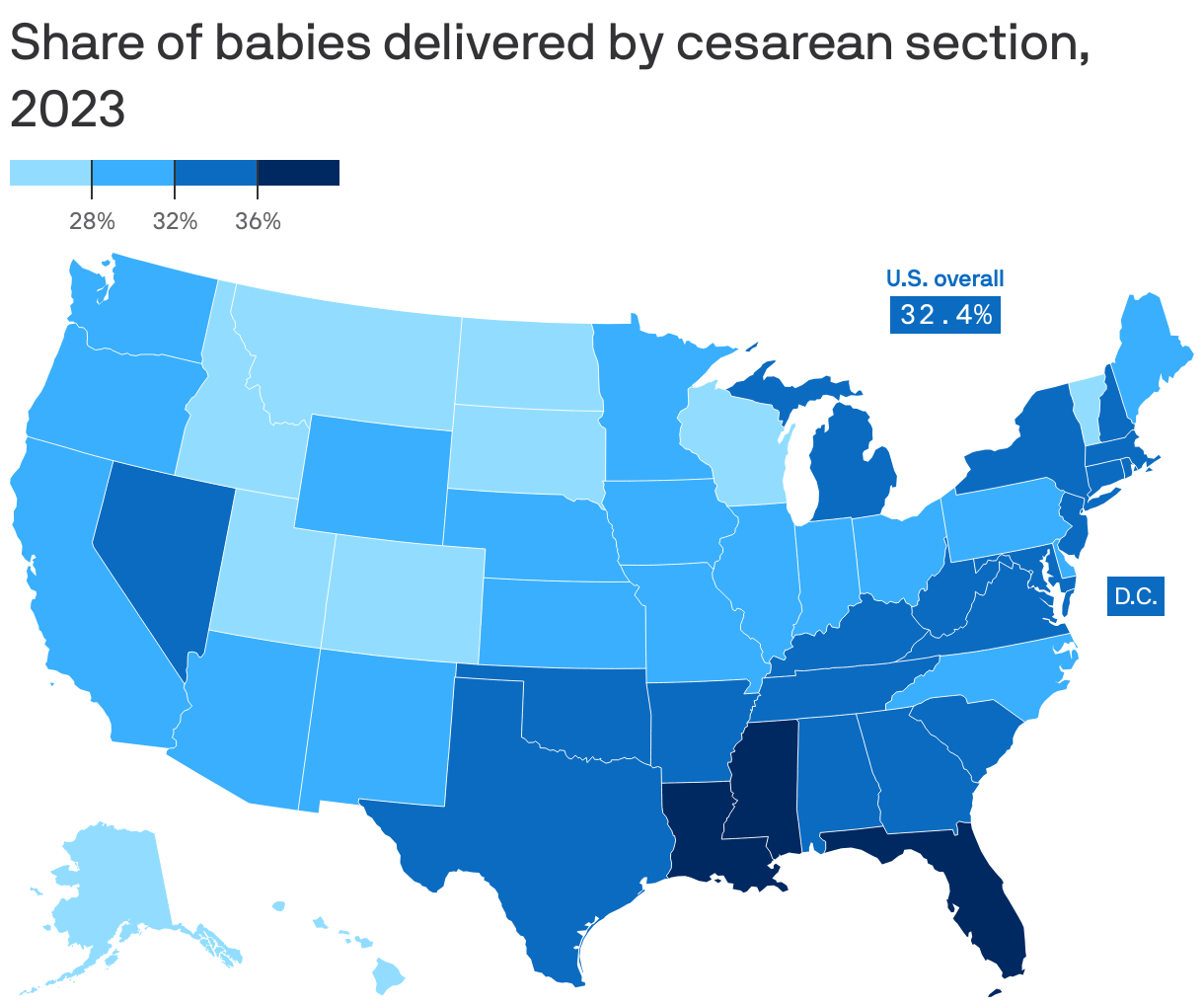
The rate of cesareanbirths in the U.S. has gone up, again.
Why it matters: About one in three births in the U.S. are C-sections, according to new data, well above the 10-15% rate that the WHO considers "ideal."
The share of patients with mental health diagnoses rose 40% nationally from 2019 to 2023, with the most significant jump among seniors, according to a FAIR Health analysis shared first with Axios.
Why it matters: While the data reflects the anxiety and stress of the pandemic era, it could also point to reduced stigma in seeking care and increased access via telehealth.
Hospitals starting this week will no longer have to report data on admissions, occupancy and other indicators of possible system stress from respiratory diseases to federal officials as another COVID-era mandate expires.
Why it matters: The sunset of the reporting requirement on May 1 marks a turning point in the government's real-time tracking of airborne pathogens that helped drive coronavirus surveillance and reports like the Centers for Disease Control and Prevention's FluView.
The prices of blockbuster drugs used for weight loss are gaining increased scrutiny as the universe of Americans who could receive these treatments expands.
Why it matters: With the drugs now available for heart risks and potentially soon for other conditions such as sleep apnea, there's urgent discussion about how to pay for treatments that are hailed as revolutionary but have budget-busting potential.