Novo Nordisk, the maker of Ozempic and Wegovy, continues to enjoy booming sales, but supply constraints and pricing concerns are putting pressure on the stock.
Why it matters: The company's weight-loss and diabetes drugs have transformed the Danish drug giant into one of the hottest stocks on the market.
Between the lines: Novo on Thursday reported sales of $9.35 billion in the first quarter, up 22% from a year earlier, as its GLP-1 drugs continue to soar in popularity.
Wegovy is now getting 25,000 additional patients every week in the U.S., up from a rate of just 5,000 weekly when 2024 began, CFO Karsten Knudsen said on an earnings call.
Yes, but: Supply constraints are still affecting Ozempic and Wegovy — and the company said those will continue.
The company said it expects sales growth of 19%–27% for 2024, about the same as the forecast it released in January: 18%–26%.
"Not raising the outlook underscores the uncertainty on the manufacturing capacity ramp," Lee Brown, health care sector global team leader at research firm Third Bridge, tells Axios.
State of play: The company also reported "continued pricing pressure" on diabetes and obesity care products, including lower realized prices on Wegovy, despite demand outstripping supply.
Insufficient supply usually means higher prices, but Novo CEO Lars Fruergaard Jørgensen said lower prices reflect the company's effort to reach "more and more patients."
Threat level: While Ozempic and Wegovy enjoy a huge head start in the weight-loss lane, competitors are surging — namely from Eli Lilly with Mounjaro and Zepbound, whose sales are soaring.
Others are targeting the market with ferocity owing to the substantial revenue opportunity.
Congress hauled UnitedHealth Group's CEO to the Hill on Wednesday seeking more clarity about the cyberattack at subsidiary Change Healthcare that threw much of the health care system into turmoil.
What they got was an apology and some notable non-answers.
Why it matters: UnitedHealth is a $371 billion behemoth that could face more regulation or even calls to divest some of its businesses in the fallout from the hack.
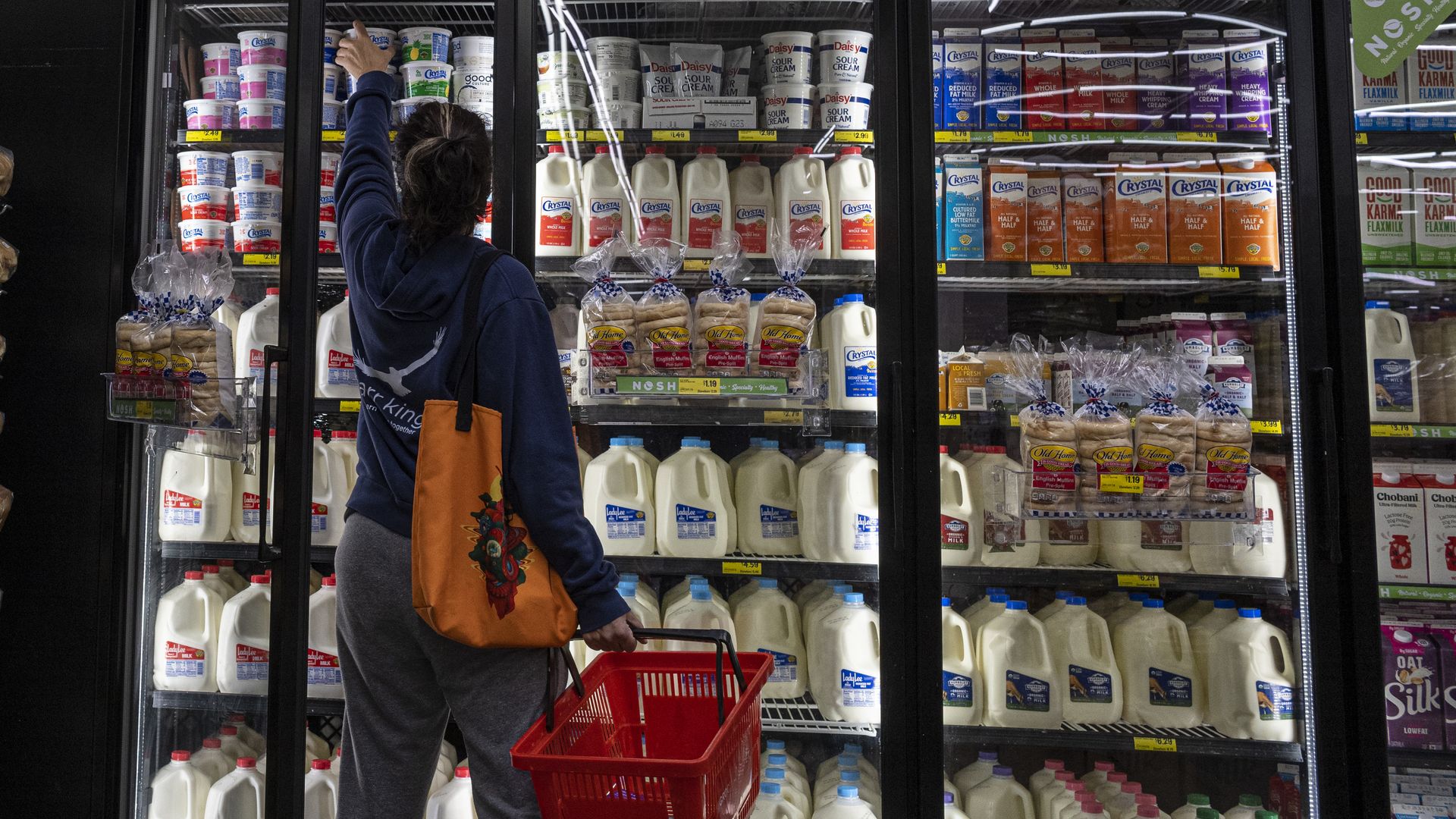
Testing found trace amounts of inactive bird flu virus in some pasteurized dairy products like cottage cheese and sour cream, but they pose no risk to consumers, the Food and Drug Administration said Wednesday.
Why it matters: The results offer additional assurances about the safety of dairy products, one week after the FDA said it found genetic traces of the virus in store-bought milk.
Three in four adults think the U.S. health care system identifies and treats mental health issues worse than physical health concerns, according to a new Gallup and West Health poll.
Why it matters: Negative perceptions can prevent people from getting care even when it's available.
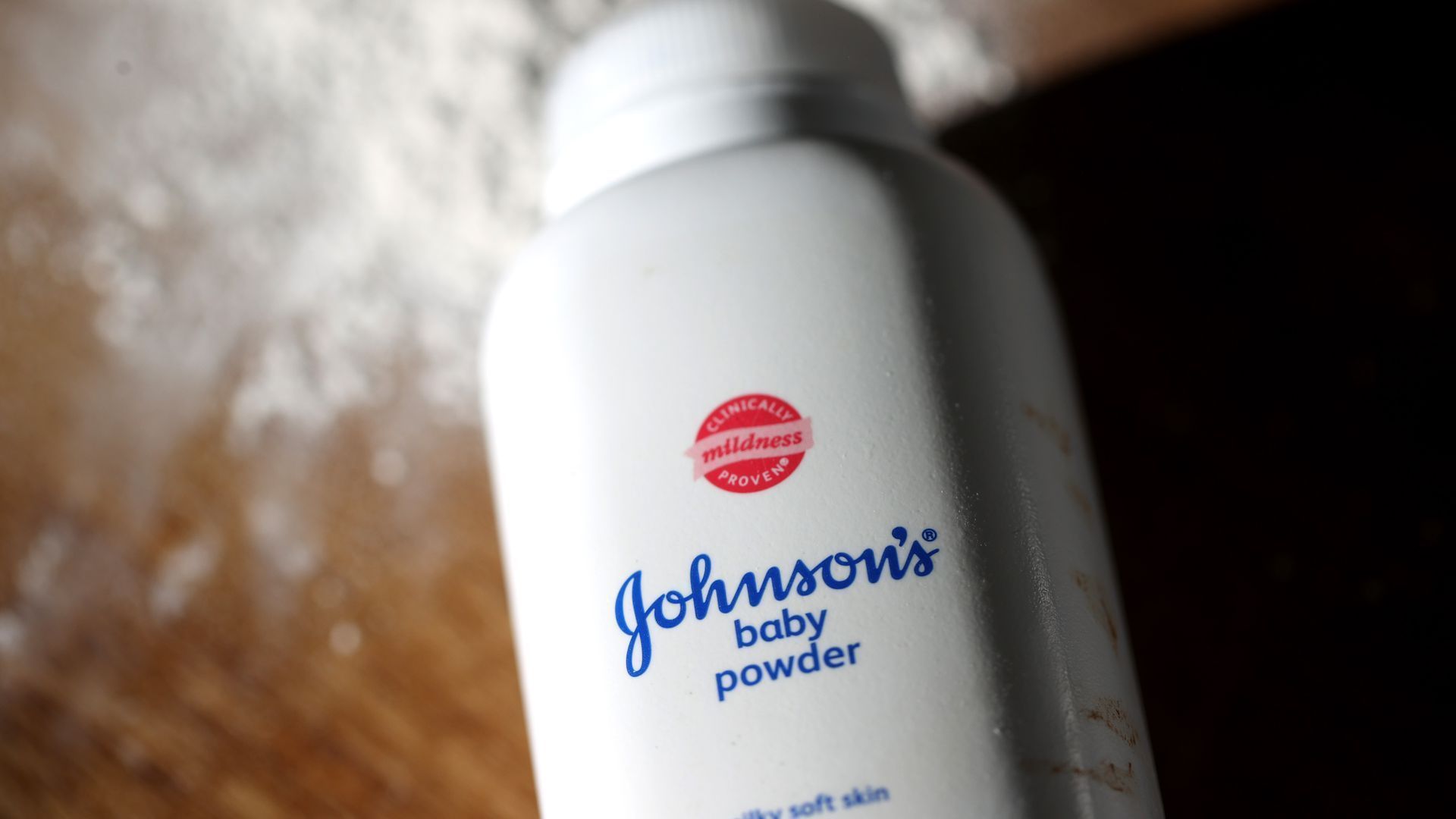
Johnson & Johnson said Wednesday that it has reached a new settlement with people who allege the company's talc-based baby powder caused their ovarian cancer.
Why it matters: J&J faces tens of thousands of lawsuits over accusations that its baby powder was cancerous.
As Florida's six-week abortion ban begins Wednesday, providers and advocates both in and out of state are bracing for a massive shift in the national abortion landscape.
Why it matters: As options narrow for people seeking abortions, patients, providers and support organizations like abortion funds are facing "an exponential increase in burden," says Isaac Maddow-Zimet, a data scientist with the Guttmacher Institute, an abortion rights think tank.
Millions of low-income Americans may find it harder to see health care providers virtually after federal subsidies for high-speed internet expired Tuesday.
The big picture: Many of the 23 million households that received financial help to afford their internet bill made or attended health care appointments online, a federal survey indicates.
Walmart's decision to shutter its health clinics and virtual care services marks the most significant retrenchment yet from major retailers who sought to transform how health care is delivered.
Why it matters: With its economies of scale, Walmart might have seemed positioned to capitalize on patients' desire for affordable and on-demand care. But the major retailers are still struggling to make the health care delivery business work.
Florida's six-week abortion ban goes into effect Wednesday, but its impact will sweep far beyond the Sunshine State.
Why it matters: Florida's new abortion law — one of the strictest limits in the nation — means its role as a post-Roe refuge for people seeking care in the U.S. South will dramatically change.