The Texas Medical Board's proposed guidance on exceptions to the state's abortion ban does not offer doctors enough clarity, critics say.
Why it matters: The ban, which makes performing an abortion a felony, has led some hospitals to refuse to treat even patients with serious pregnancy complications — though the law makes an exception for medical emergencies.
A huge happiness gap is opening between American adults and teens.
The big picture: Depression has hit teens much harder than adults in the smartphone era (charted above), according to National Survey on Drug Use and Health data.
The latest government funding deal wasn't just stripped of big health policy changes — it also lacks significant raises for a host of federal health agencies.
Why it matters: A gridlocked Congress essentially settled on flat funding for the Department of Health and Human Services, avoiding an automatic sequester cut while leaving pandemic preparedness, mental health, biomedical research and public health efforts running at or near the status quo.
Five years afterthe creation of the first state board empowered to cap prescription drug costs, patients still haven't seen any savings from these efforts.
Why it matters: Even as more blue and purple states embrace public drug pricing boards amid angst over high medicine costs, it could still be months or even years before they start to bring down prices.
Don't give your kid a smartphone before high school, and don't let them use social media before age 16, New York University social psychologist Jonathan Haidt argues in a new book.
Why it matters: The shift from "play-based" to "phone-based" childhoods is making our kids sick and miserable, Haidt argues.
A shocking number of American kids are sad, suicidal and stuck on small screens sucking away their zest for life.
Why it matters: This is the indisputable and alarming trend among American children, based on the latest polling and deep research by an NYU professor in a book out next week.
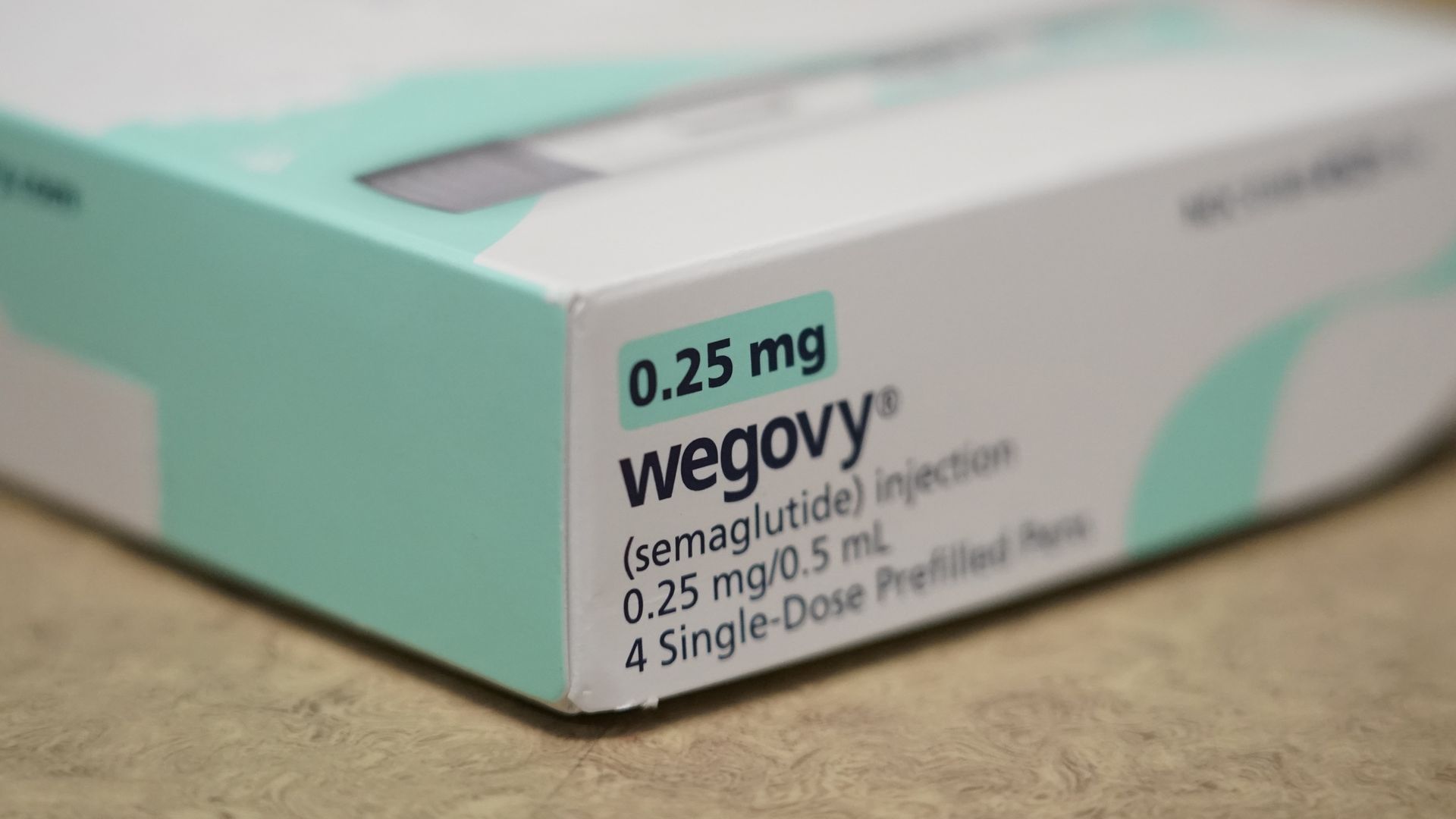
Medicare will allow coverage of new weight-loss drug Wegovy to reduce the risk of heart attack and stroke in enrollees.
Why it matters: Medicare bans coverage of drugs for weight loss, but more enrollees will have access to popular anti-obesity medications known as GLP-1 agonists as they are approved for more conditions.
Black patients at large health systems may be less likely than white patients to get responses from doctors to emailed questions,a new JAMA Network Open study suggests.
Why it matters: Online patient portals, which allow patients easier access to their providers and grew in popularity during the pandemic, could be another example of how technology is furthering health care disparities.
Senators are launching an investigation of national security threats posed by high-risk biological research amid intensifying concern over U.S.-China biotech competition and lingering questions about COVID's origins.
Why it matters: The probe by the top lawmakers on the Homeland Security and Governmental Affairs Committee could help fuel a push for new restrictions on Chinese contract research firms like WuXi AppTec that critics say are tied to Beijing and pose a security risk.
Many health care providers struggling to get paid after the hack of a UnitedHealth Group subsidiary are still trying to figure out if their cyberattack insurance will help cover their losses.
Why it matters: Providers ranging from large health systems to small independent practices are racking up big bills and say efforts to advance payments while Change Healthcare restores medical claims systems are falling short.